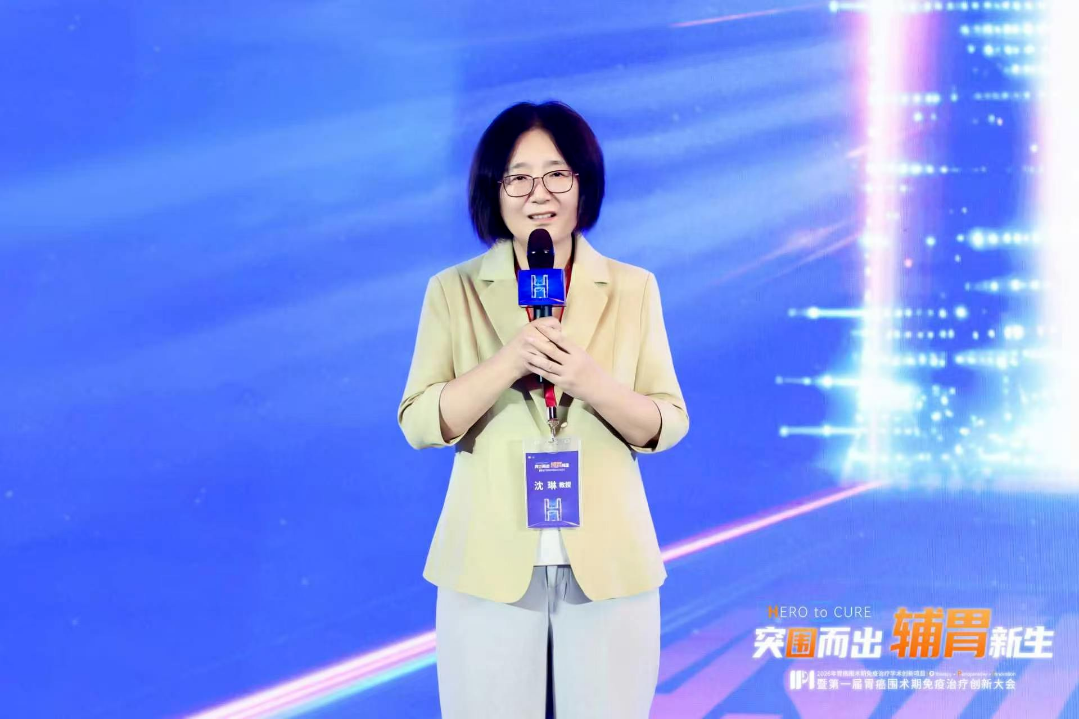
A Chinese-developed immunotherapy regimen could offer patients with resectable gastric cancer a new treatment option that improves clinical outcomes while reducing their exposure to chemotherapy, medical experts said at a recent conference in Beijing.
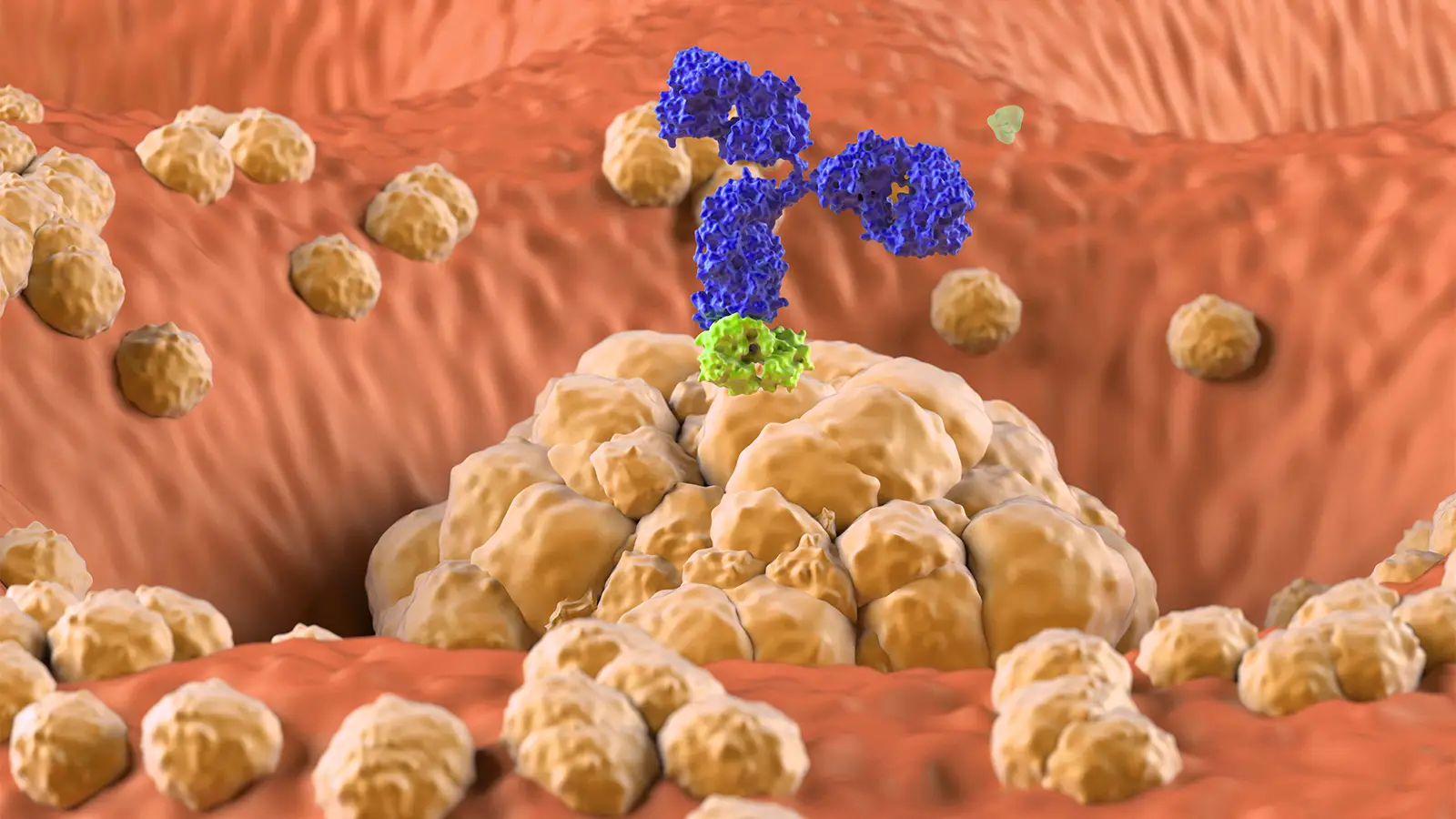
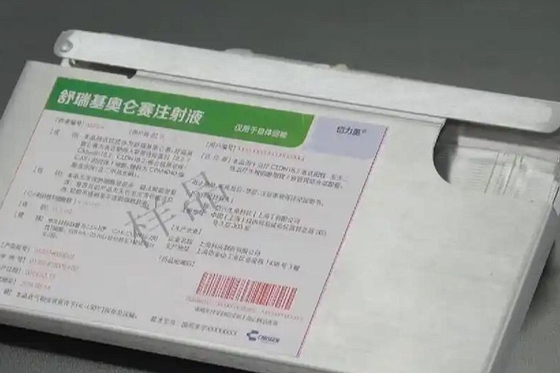
The regimen, based on the Phase 3 ASTRUM-006 study, combines serplulimab, an anti-PD-1 monoclonal antibody developed by Shanghai Henlius Biotech, with chemotherapy before surgery, followed by serplulimab alone after surgery.
The approach eliminates the need for postoperative chemotherapy among selected patients, potentially reducing treatment-related toxicity and improving adherence and quality of life, experts said at the inaugural conference on innovation in perioperative immunotherapy for gastric cancer.
Gastric cancer remains a major public health challenge in China. The country recorded about 342,000 new cases and 249,000 deaths from the disease in 2024, according to data from the National Cancer Center.
Although surgery remains the cornerstone of treatment for resectable gastric cancer, microscopic cancer cells can remain after surgery and lead to recurrence, making treatment administered before and after an operation critical to improving long-term outcomes.