Improved understanding of the tumor microenvironment and genomics has fueled a new generation of therapies that could lead to better outcomes for esophageal cancer.
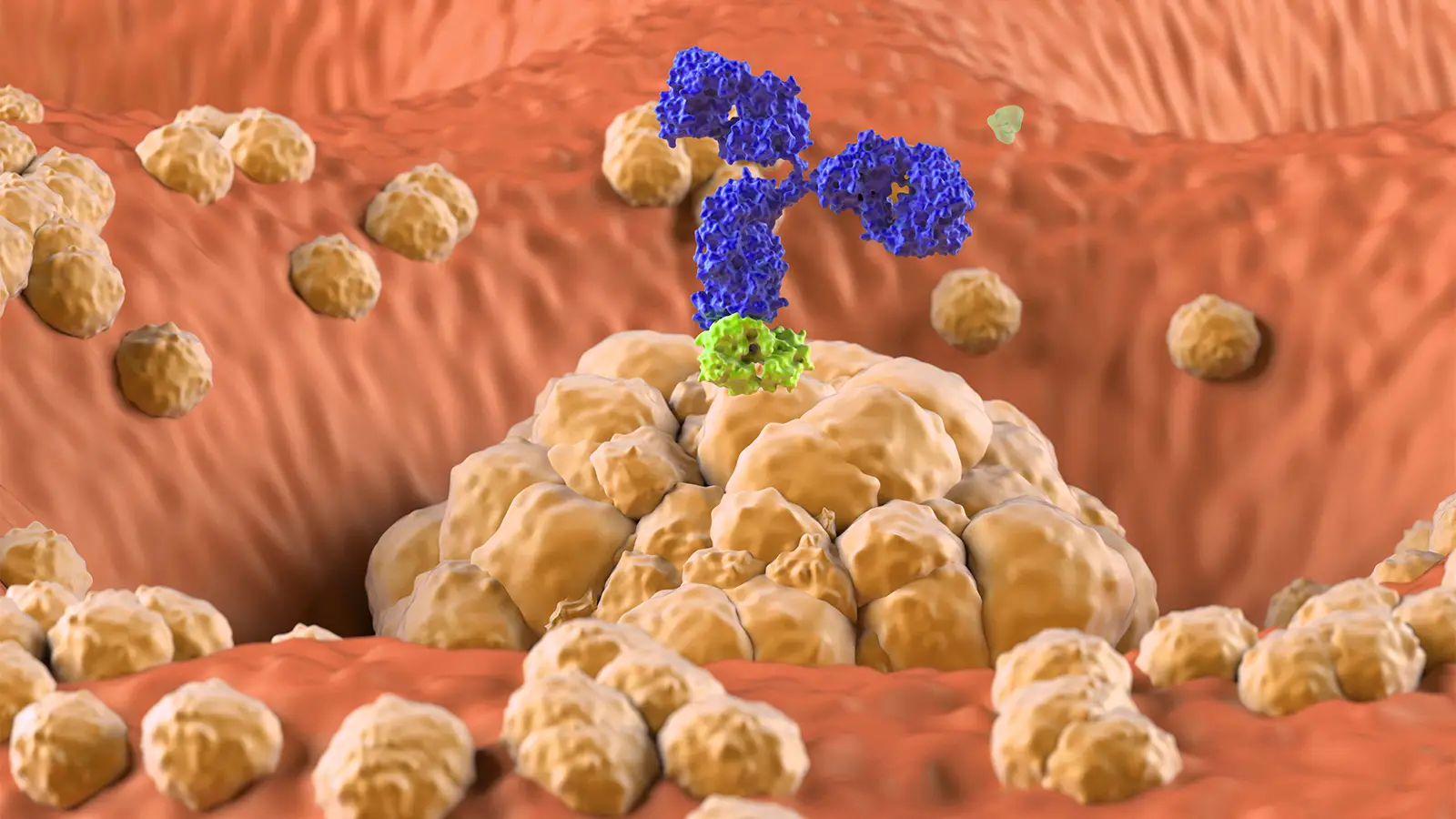
Some of those therapies have already made the leap from research to clinical practice, such as zolbetuximab (Vyloy), the Claudin (CLDN) 18.2-directed cytolytic antibody, recently approved for HER2-negative gastric and gastroesophageal cancer. Two phase III trials showed that adding the agent to FOLFOX or capecitabine and oxaliplatin (CAPOX) chemotherapy significantly improved progression-free survival (PFS) and overall survival in newly diagnosed CLDN 18.2-positive unresectable or metastatic gastroesophageal adenocarcinoma.
The emergence of zolbetuximab has solidified CLDN 18.2 as a target for future therapeutic development but also emphasize the need to continue searching for promising therapeutic platforms, said Elizabeth Smyth, MD, of Oxford University in England, during an education session at the American Society of Clinical Oncology (ASCO) meeting in June.
"We need to consider why this is important," she said. "Absolute rates of gastroesophageal cancer will continue to rise because of demographic changes, despite a reduction in incidence. Our best licensed therapies only lead to a median survival of about 2 years, which far underperforms molecularly targeted therapies in other diseases. There is no room for us to be complacent."