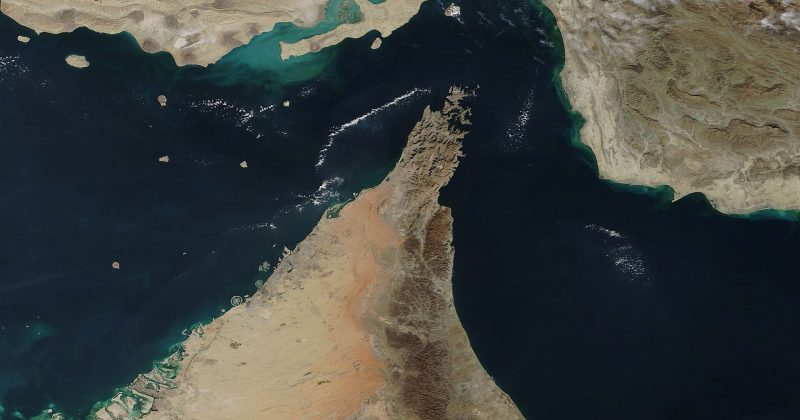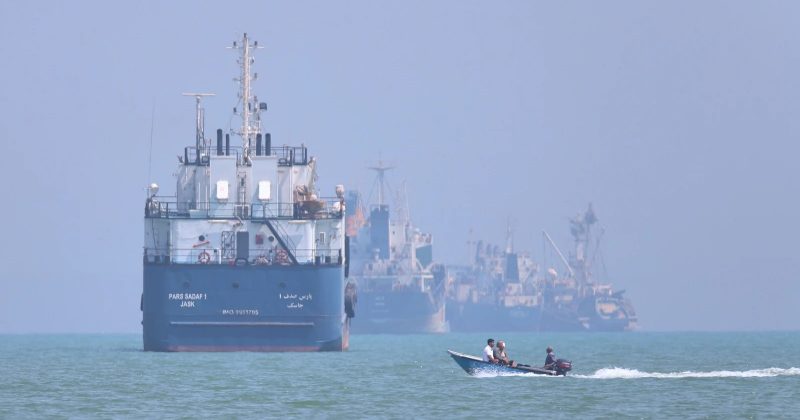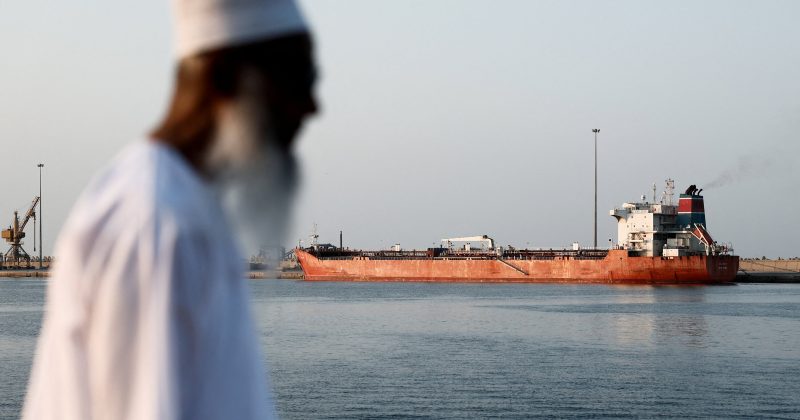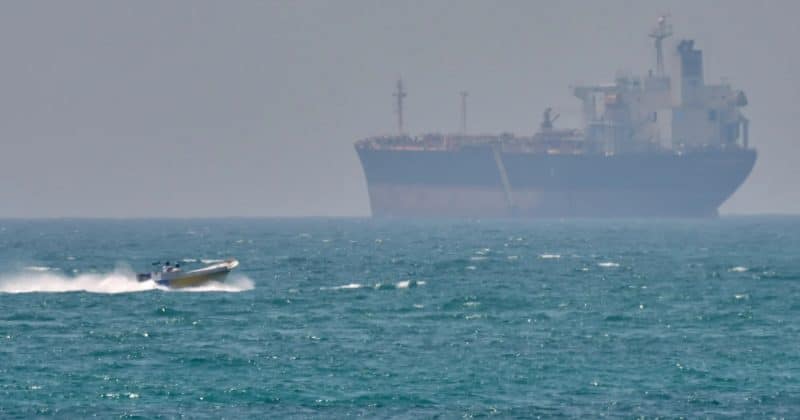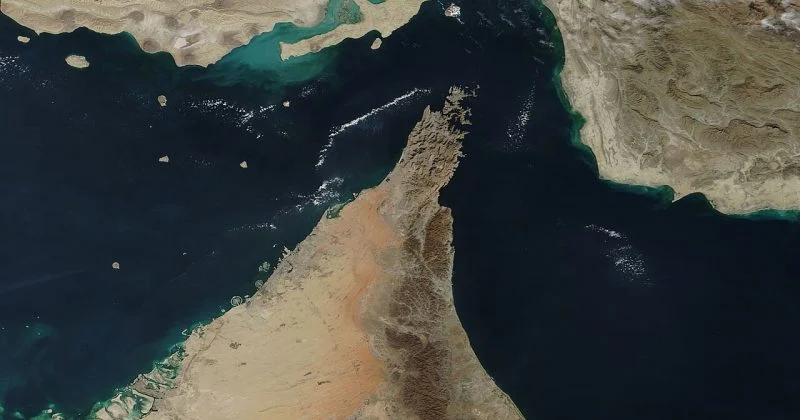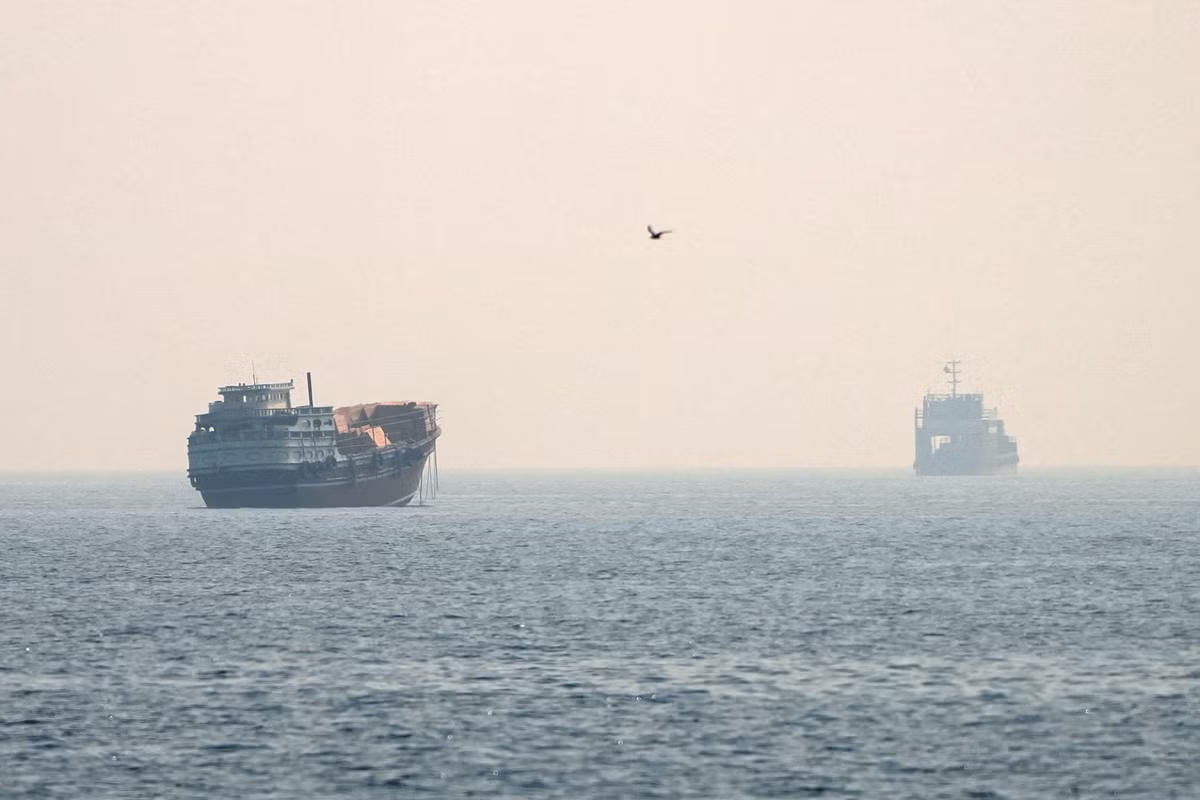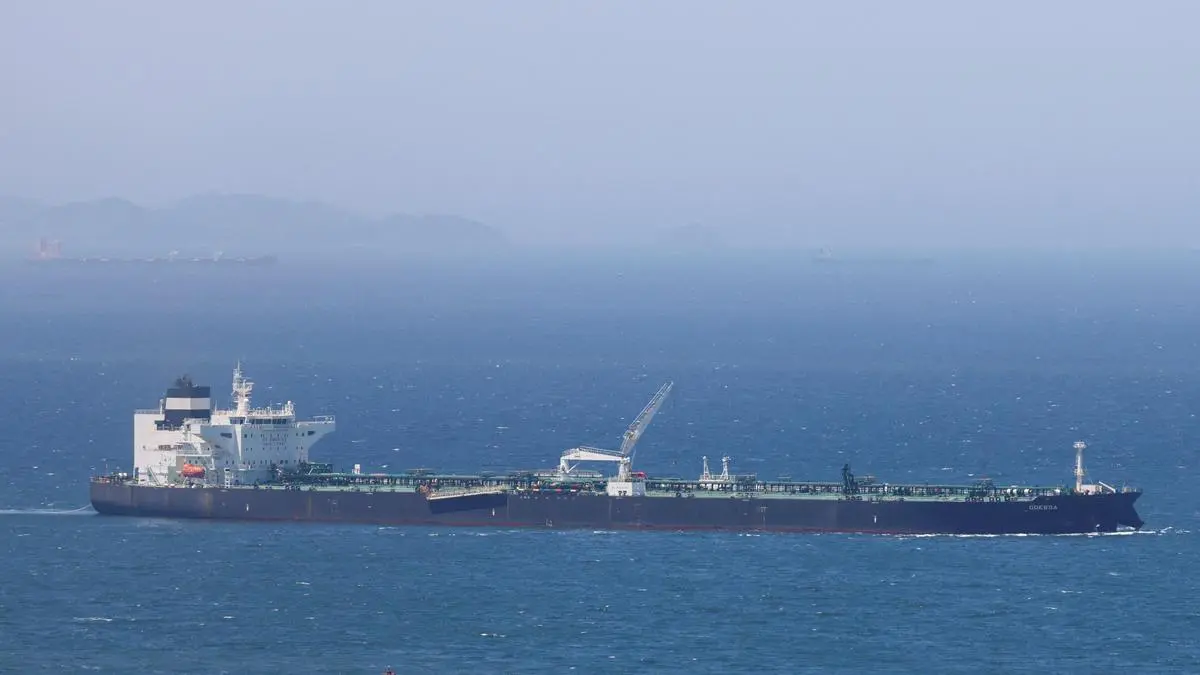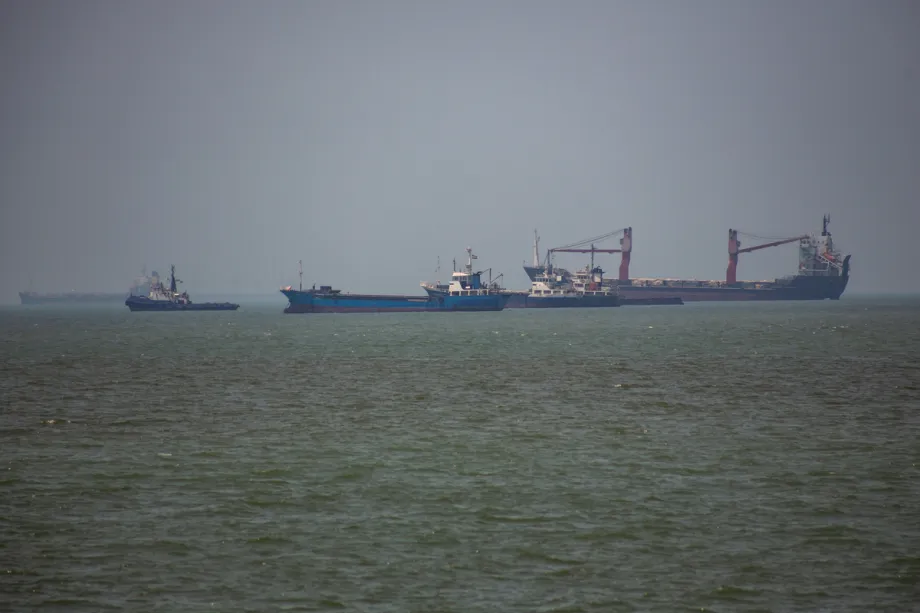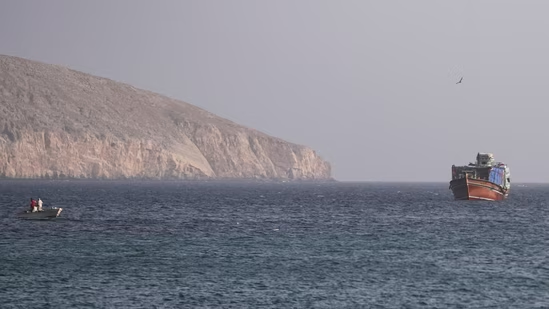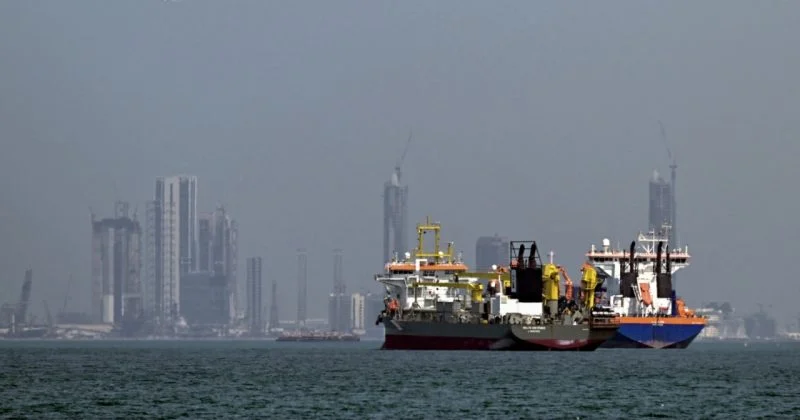
The Strait of Hormuz, the narrow waterway through which roughly a fifth of the world’s oil supply flows on any given day, just lost half its traffic. Vessel transits dropped approximately 52% between July 10 and 12, according to MarineTraffic data, as US-Iran military tensions escalated into open strikes on both sides.
Only 14 ships crossed the strait on a recent Sunday, compared to 37 the week before.
What’s actually happening in the strait
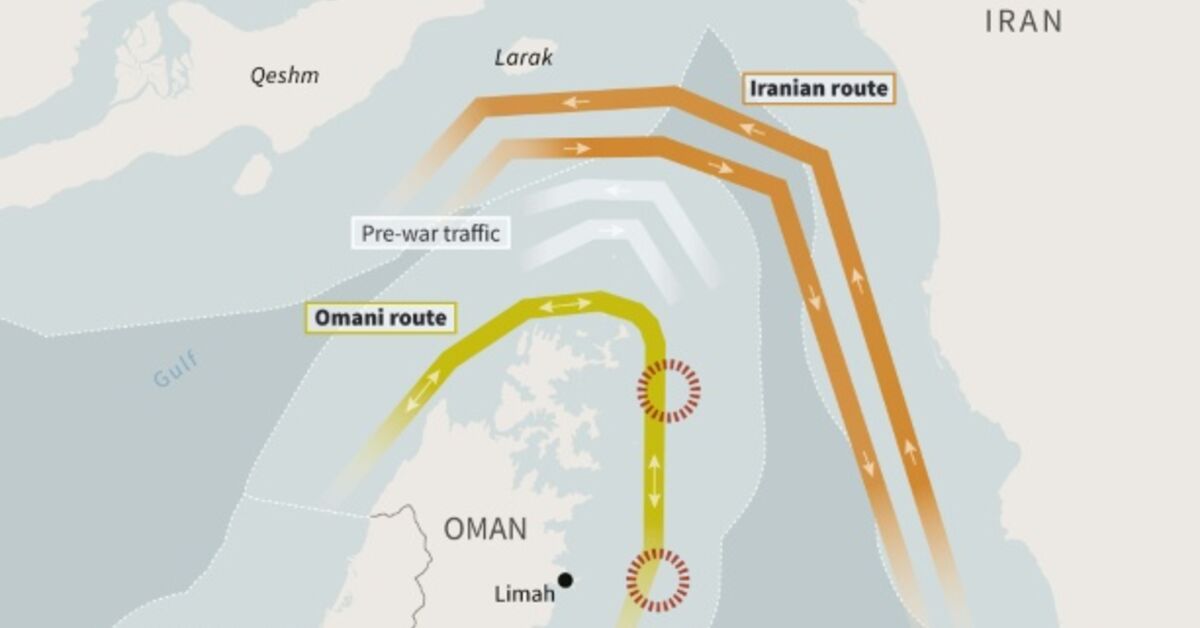
The collapse in traffic comes as both the US and Iran have escalated hostilities to a degree not seen in decades. US Central Command conducted strikes on Iranian ship facilities, while Iran claims to have hit two supertankers. Shipping intelligence firms Kpler and Windward have tracked a significant shift in navigation patterns, with vessels increasingly opting for Iranian-controlled routes or going “dark,” meaning they’re turning off their transponders to avoid becoming targets.
The crisis didn’t materialize overnight. Tensions have been building since February and March 2026, when Iran began issuing escalating threats to close the strait entirely. What followed was a series of attacks on commercial vessels by the Islamic Revolutionary Guard Corps (IRGC), gradually transforming the world’s most important oil transit route into something resembling a toll road operated at gunpoint.