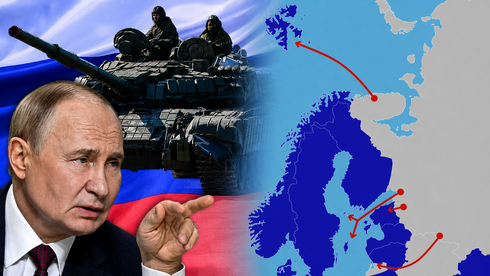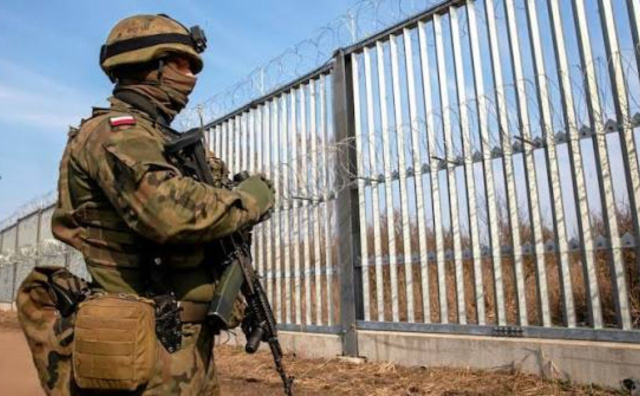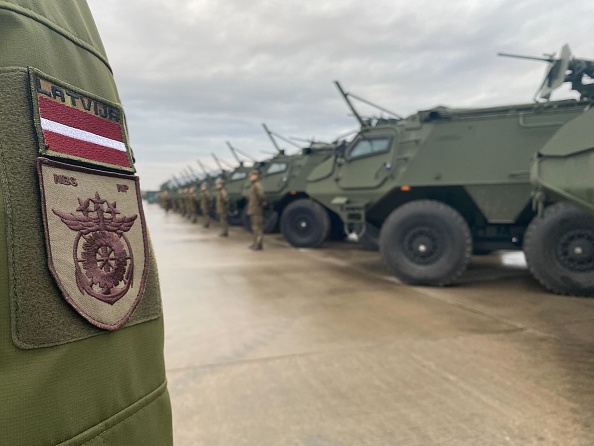
When in August 2025 I wrote “Trojan Horse in the Baltics: How Russia Will Launch a Stealth Attack” for Kyiv Post, I argued that Russia’s next move against the Baltic states might not begin with tanks crossing the border. The reasoning was straightforward: Moscow’s most effective opportunity would be to create disruption from within, exploit local vulnerabilities, activate disposable proxies and force NATO governments to debate whether an attack had even taken place. Less than a year later, this is no longer merely a theoretical scenario.JOIN US ON TELEGRAMFollow our coverage of the war on the @Kyivpost_official. In late June 2026, Latvian intelligence warned that it was seeing indications that Russia could be preparing military provocations against the Baltic states or Poland. A senior source from another NATO country reported similar intelligence. Polish Prime Minister Donald Tusk subsequently warned that the regional security situation was highly unstable and that different forms of escalation could be expected in the coming weeks and months. Polish security authorities have also warned that Russian services are seeking to exploit tensions between Poles and Ukrainians, while showing interest in military facilities, critical infrastructure, aid organizations and other locations connected with support for Ukraine. The significance of these warnings lies not only in their urgency. They point toward a model of confrontation that is fundamentally different from the invasion scenario around which much of Europe’s defense debate is still organized.
How Russia Can Disrupt NATO Without Invading
Russia’s next test of NATO may begin inside the Baltics
1,460 words~7 min read