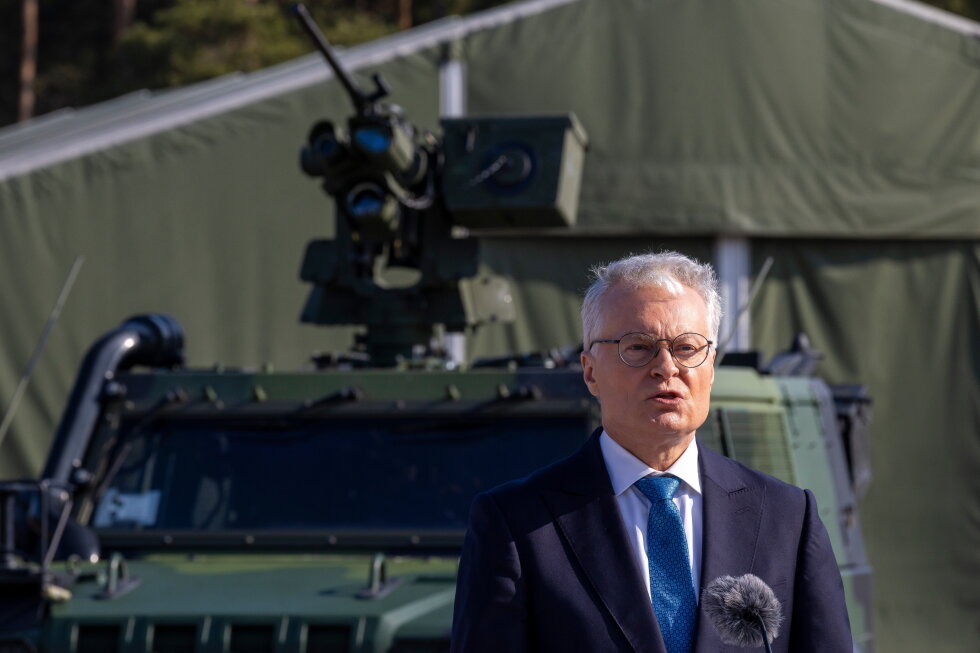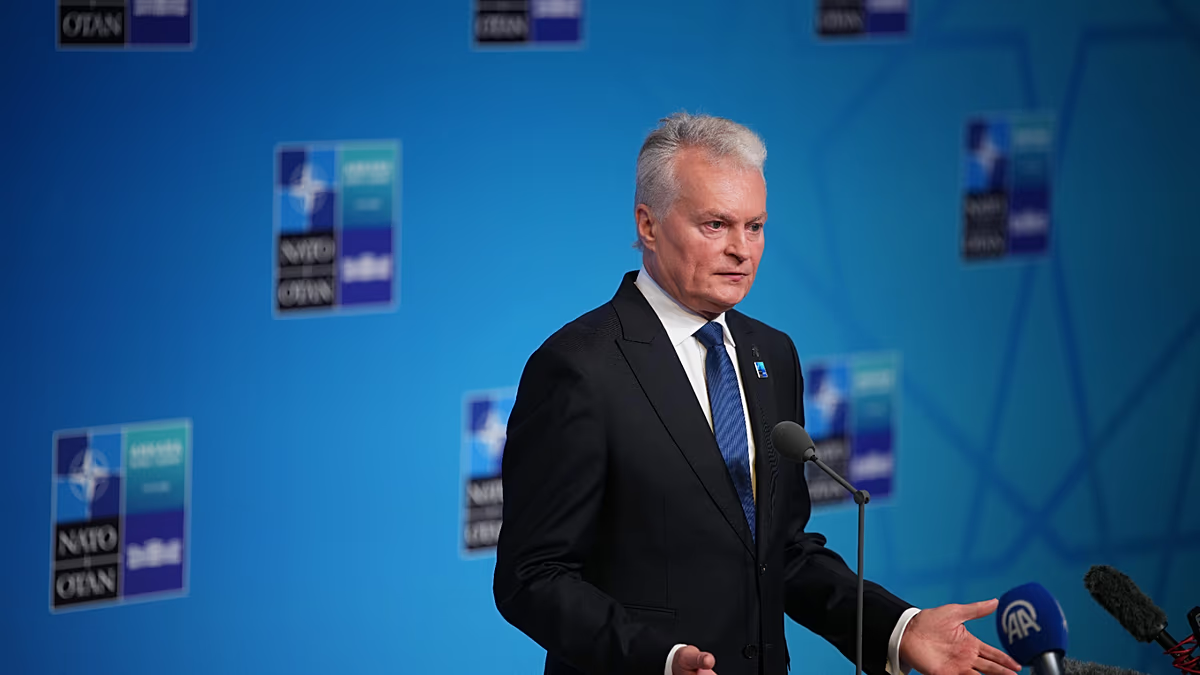
Russia is planning a potential provocation against energy or transport infrastructure in the Baltic States or Poland, according to intelligence assessments cited by Lithuania’s president.Gitanas Nauseda told the Baltic News Service on Wednesday that intelligence signals pointed to a possible Russian physical attack on “critical infrastructure” but that it would not be a large-scale assault.Asked if such a provocation would be designed to test Nato unity, the Lithuanian president replied: “We have received such signals from our intelligence services. They do not identify a specific place or time because that is simply impossible to determine.”He added: “It concerns kinetic operations – not on a large scale, but targeted kinetic operations that are very likely to be directed against critical infrastructure.”Lithuania is the latest country to warn of such a potential provocation after Polish leaders and Latvian intelligence operatives first sounded the alarm in recent weeks.Much of the previous focus of warnings from western leaders was about Russia having the potential to confront a frontline Nato state militarily in the next five years or so, following its full-scale invasion of Ukraine in 2022.But the more recent statements from countries bordering Russia suggest a more limited provocation, designed to test Nato as part of Russian president Vladimir Putin’s goal to undermine the US-led western military alliance.Polish prime minister Donald Tusk told a news conference in late June that “the situation is very unstable and various types of escalation can be expected in the coming weeks and months”. His foreign minister Radoslaw Sikorski has since been warning about a possible Russian false-flag or hybrid attack, possibly against critical infrastructure, while stressing that Warsaw did not believe Moscow was currently capable of launching a full-scale military invasion of Poland.There have also been recent media reports that the US had shared intelligence with Warsaw and other allies about the possibility of Russian provocations against Nato countries, but senior Polish government officials have not publicly confirmed receiving such information.Latvian intelligence warned at the end of June that Russia was planning a small-scale military provocation designed to send a signal to frontline countries to stop supporting Ukraine. Both Baltic and Polish prosecutors and ministers have already linked Russia to a series of provocations, including arson attacks and sabotage of critical infrastructure such as railway lines.On Monday, EU member states and the UK formally attributed a cyber attack last December on Poland’s energy grid to Russia’s FSB Centre 16, which is part of Moscow’s intelligence services.“This reckless attack failed but could have caused 500,000 citizens to lose electricity in the depths of winter,” the UK government said. “It is another example of the Russian state’s irresponsible attempts to sow chaos across Europe.”Nauseda said on Wednesday that Lithuania had boosted protection of critical transport and energy assets. A railway line that Russia uses to supply its exclave of Kaliningrad, which borders both Lithuania and Poland, has previously been seen as a prime potential target.Lithuania’s president also named electricity infrastructure as a potential target as the three Baltic States synchronise their power grids with the rest of Europe rather than Russia and Belarus as they had done until recently.“Anything that could stop these facilities from functioning is important because they matter not only in themselves but also because they ensure the functioning of the entire system, particularly our synchronisation with the continental European electricity grid,” he added.The Kremlin has been approached for comment, but Russia has repeatedly denied similar accusations in the past.Russia last week held a live-fire snap exercise for the first time on its side of Lake Peipus, which shares a border with Estonia. Estonian officials said they had not been notified in advance. – Copyright The Financial Times Limited 2026
Russia accused of planning attack on infrastructure in Baltic States or Poland
Intelligence assessments suggest attack will be a limited provocation designed to test Nato
613 words~3 min read