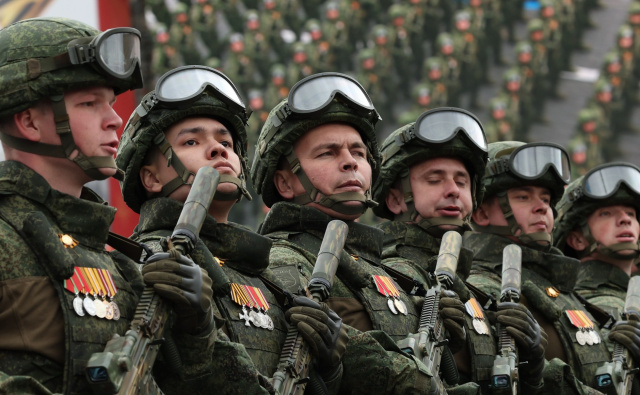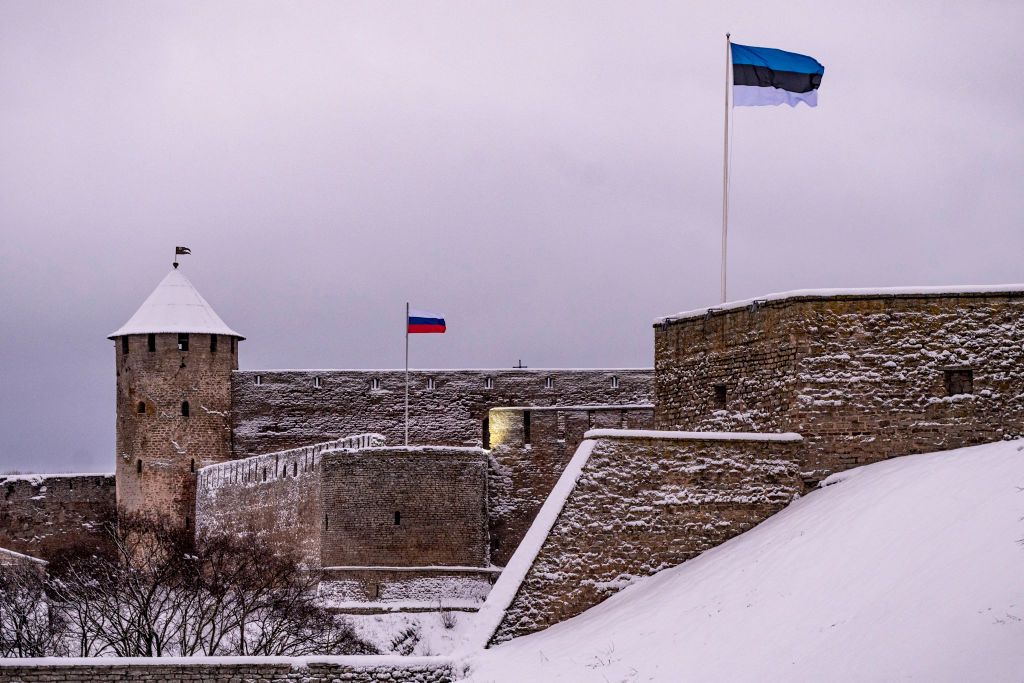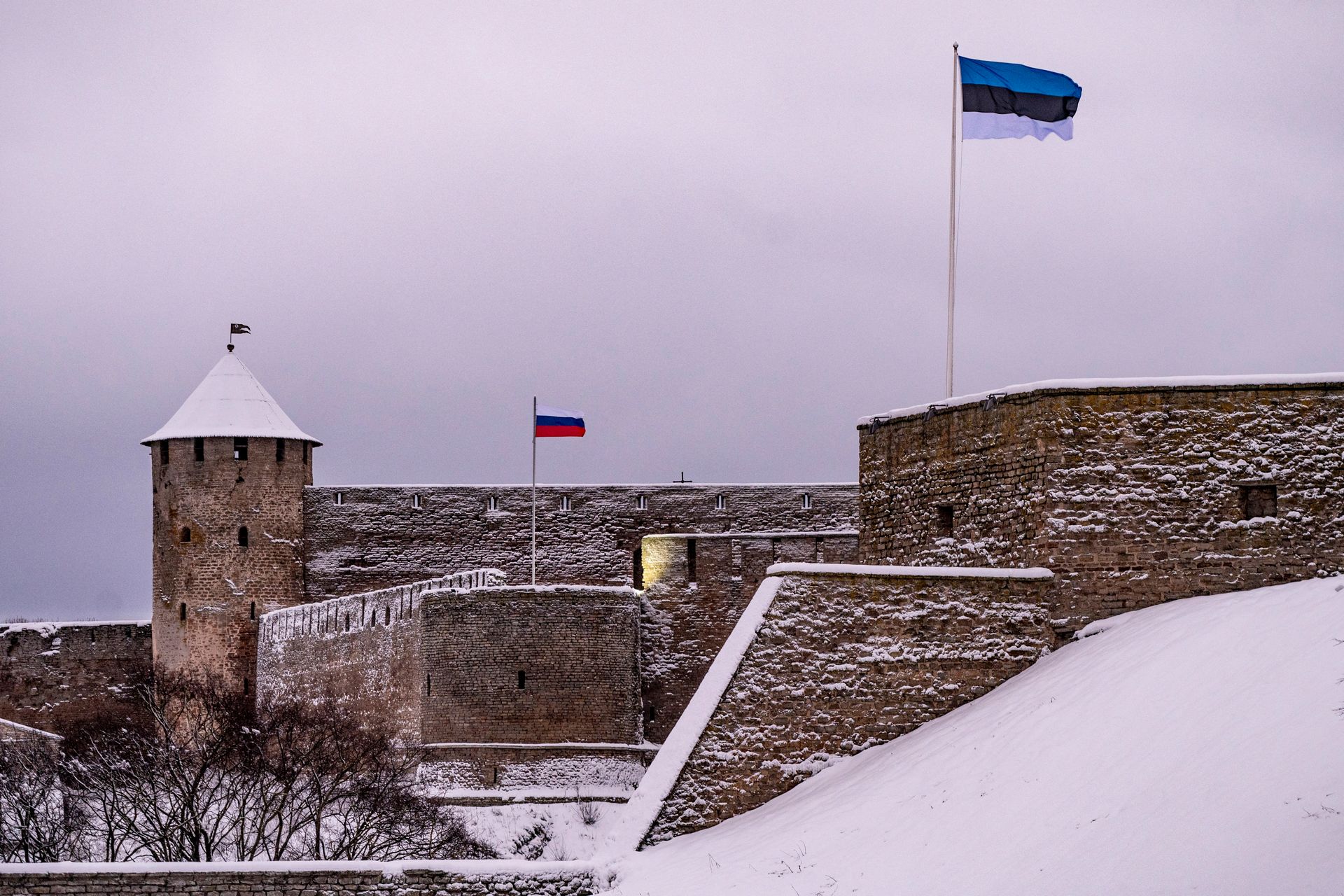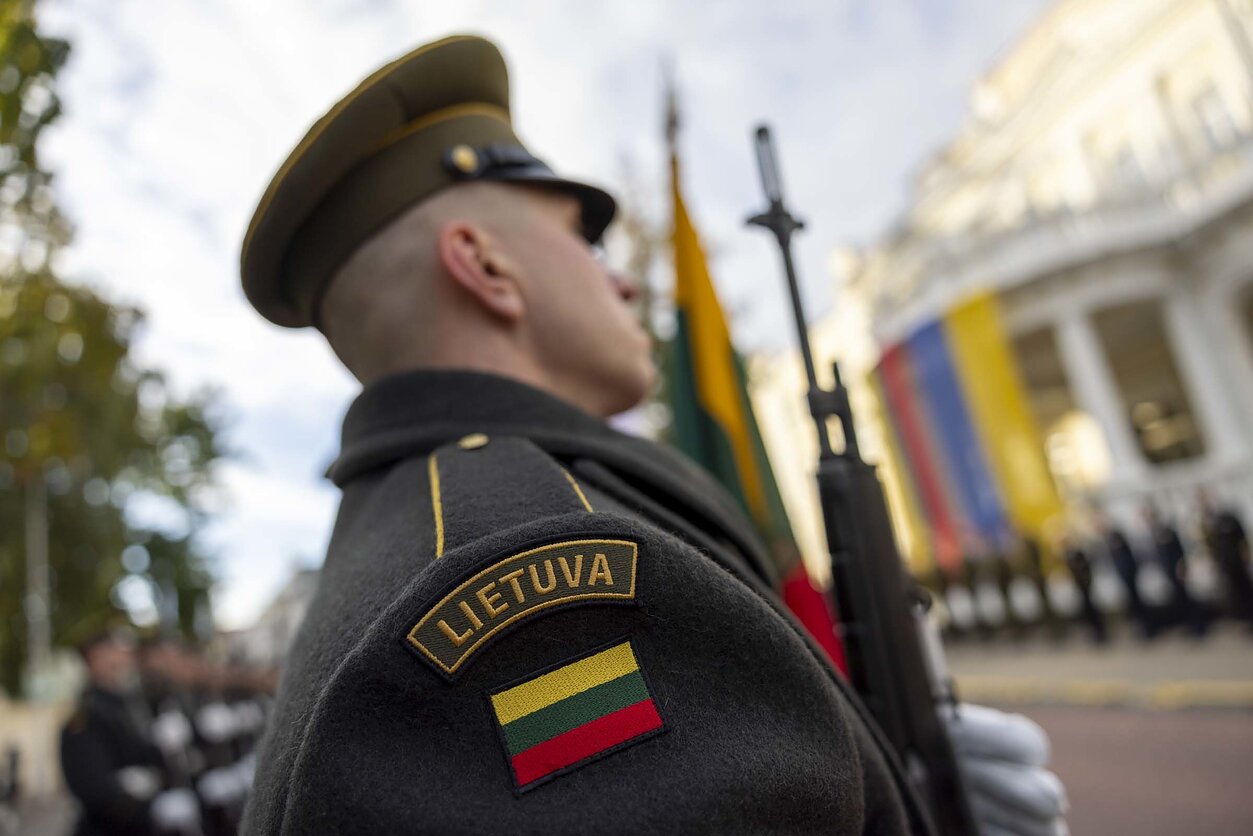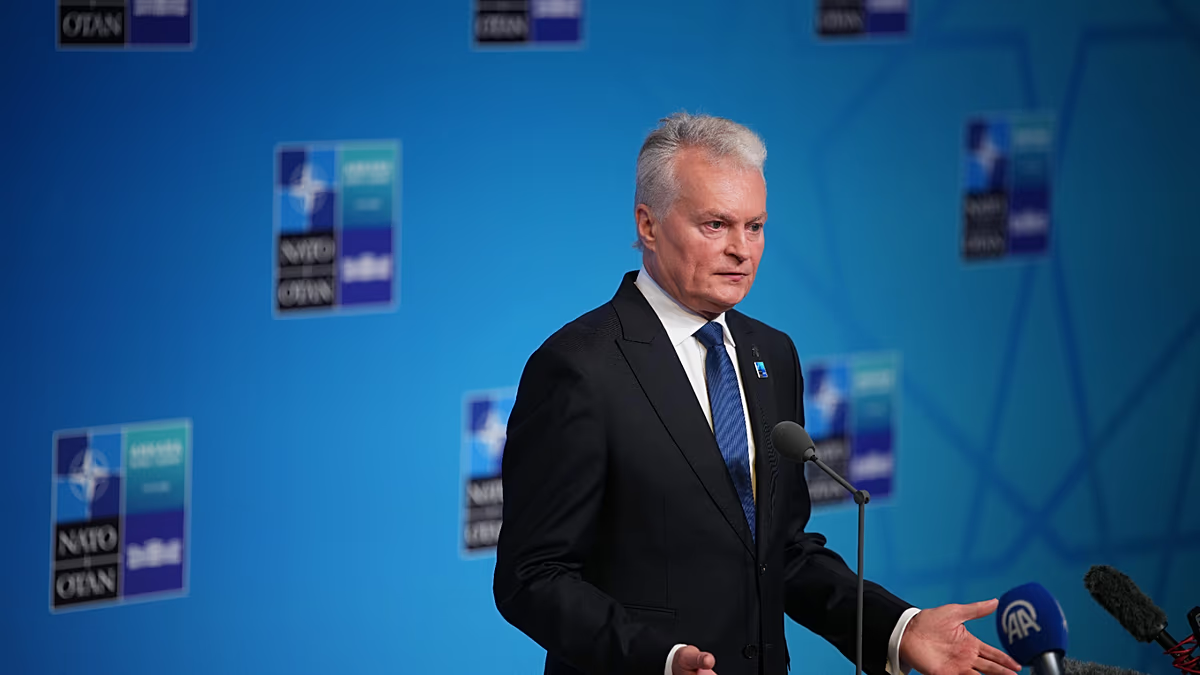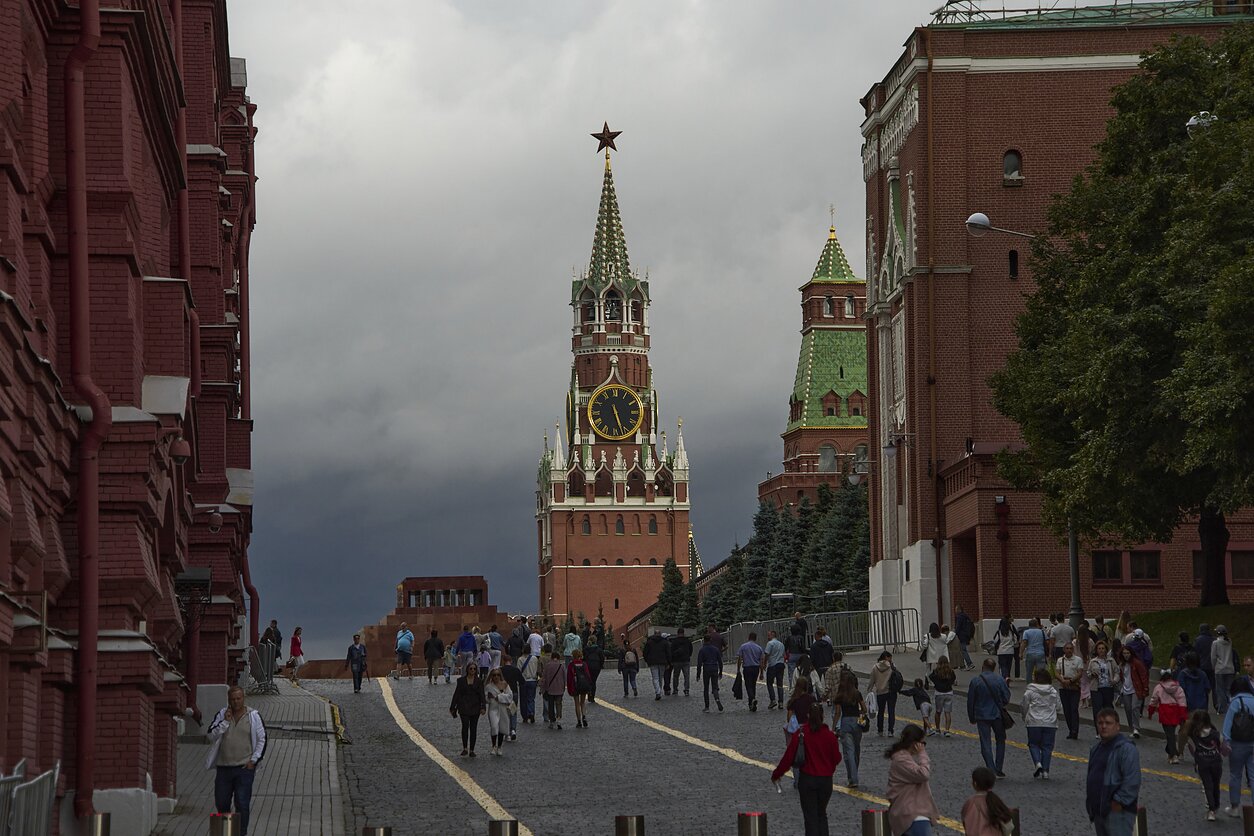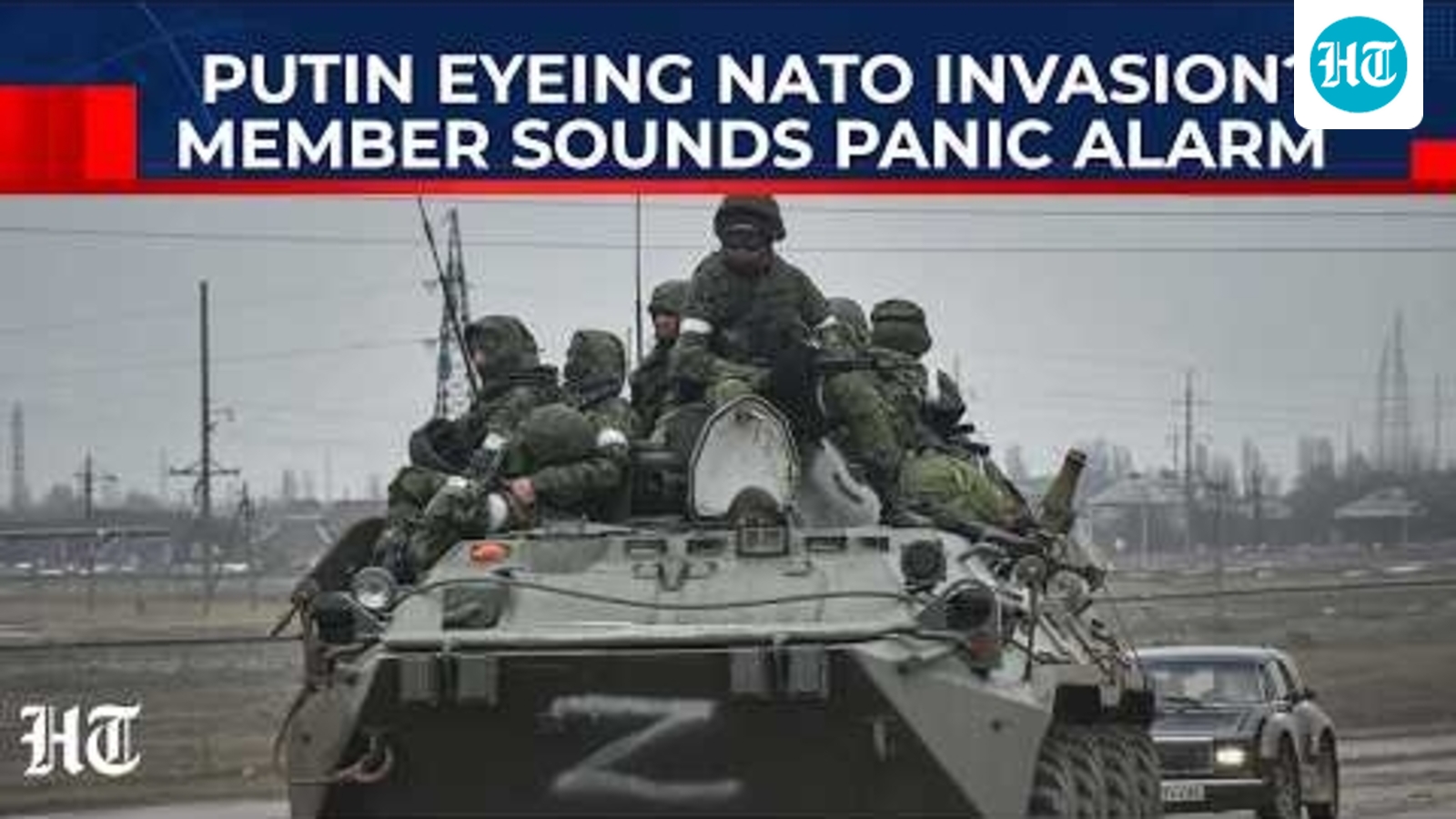
The Russian threat has always been an issue that the Baltic states needed to address, but the war in Ukraine has completely transformed the countries’ threat perception. The threat is now taken much more seriously and is viewed as an “imminent danger.”
The Baltic states (Estonia, Latvia and Lithuania), Finland and Sweden have initiated a transformation of the Northern European security architecture by adopting a common regional security strategy. They have launched exercises simulating potential Russian invasion scenarios, while operational elements are discussed regarding the Suwalki Corridor and the importance of Gotland Island in naval operations, and all amid stockpiles of dragon’s teeth and barbed wire along the border lines.
It is only natural to take such steps at a time when NATO’s credibility is being questioned. However, NATO’s Article 5 remains at the heart of this strategy: holding off the enemy until NATO forces arrive. At the same time, this strategy, which is based on making any attempt at occupation prohibitively costly, is largely conventional.
Estonia, in particular, has taken the lead within the alliance by spending 3.5% more of its GDP on defense. In addition to significant steps such as the reintroduction of mandatory military service in Lithuania and the expansion of Latvia's reserve forces, plans are underway at the alliance level to establish a German-Dutch rapid deployment corps comprising more than 60,000 troops.