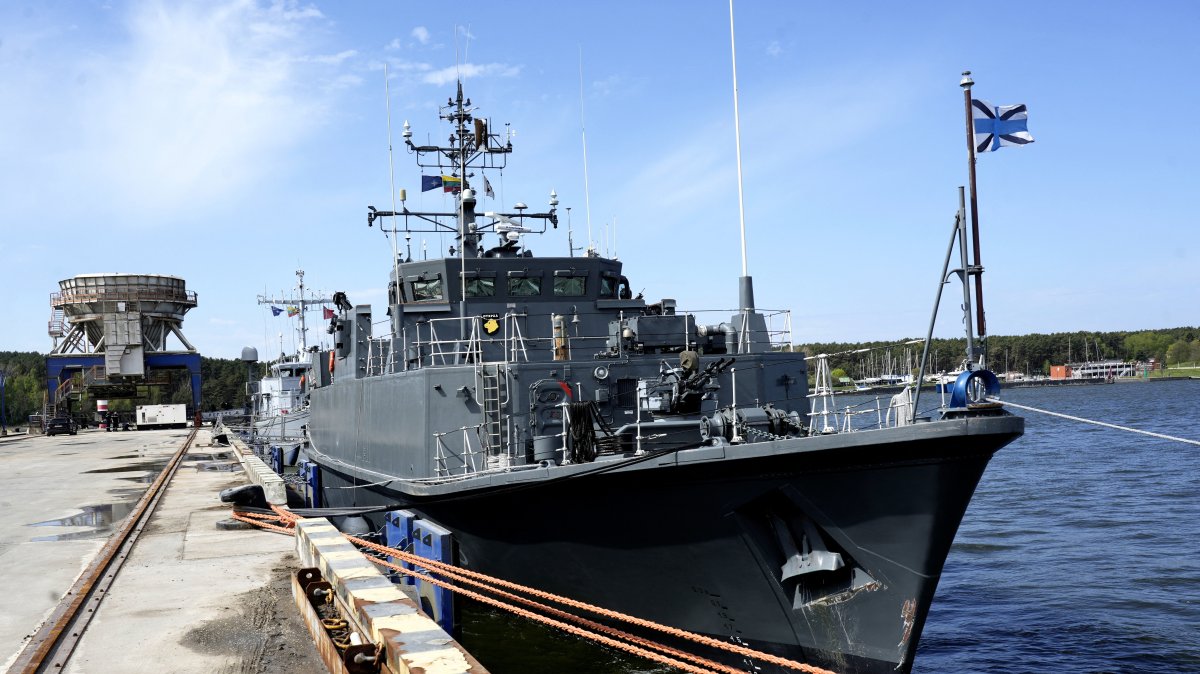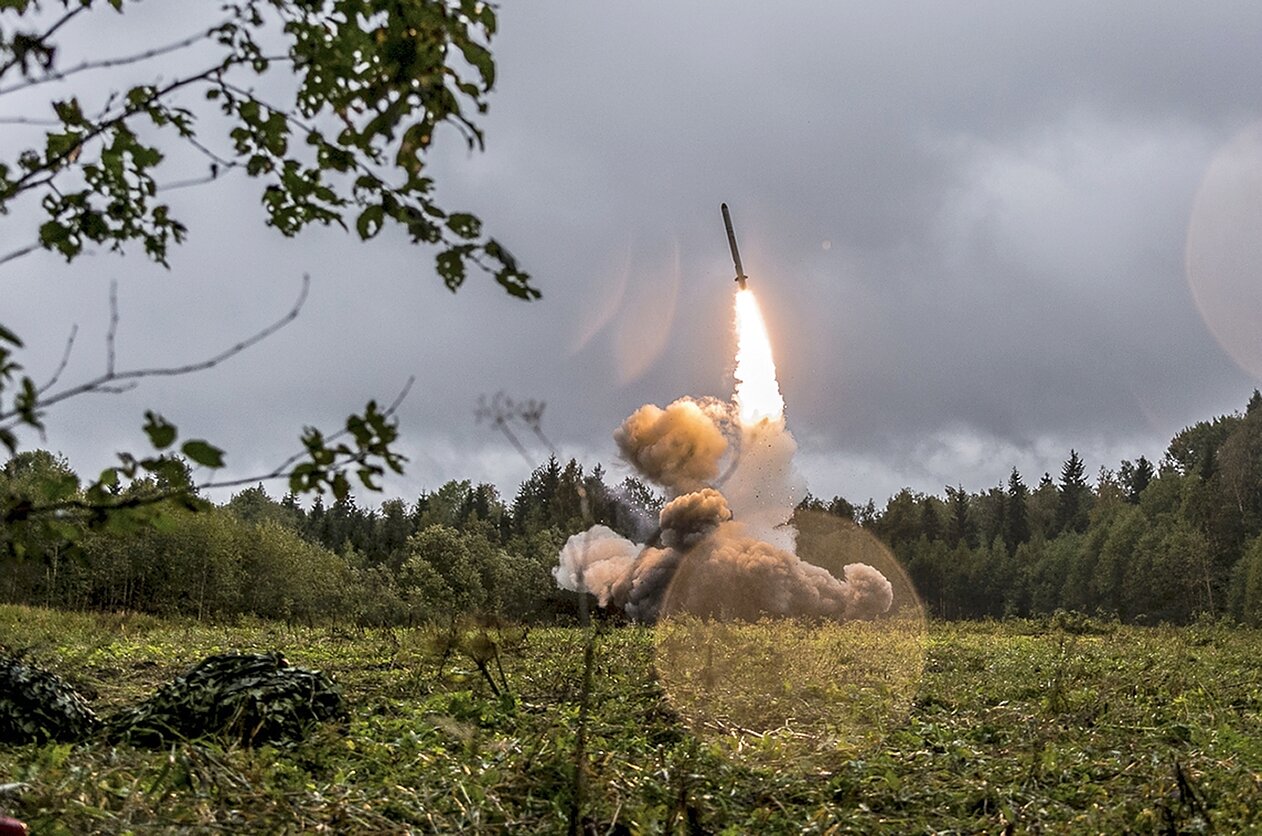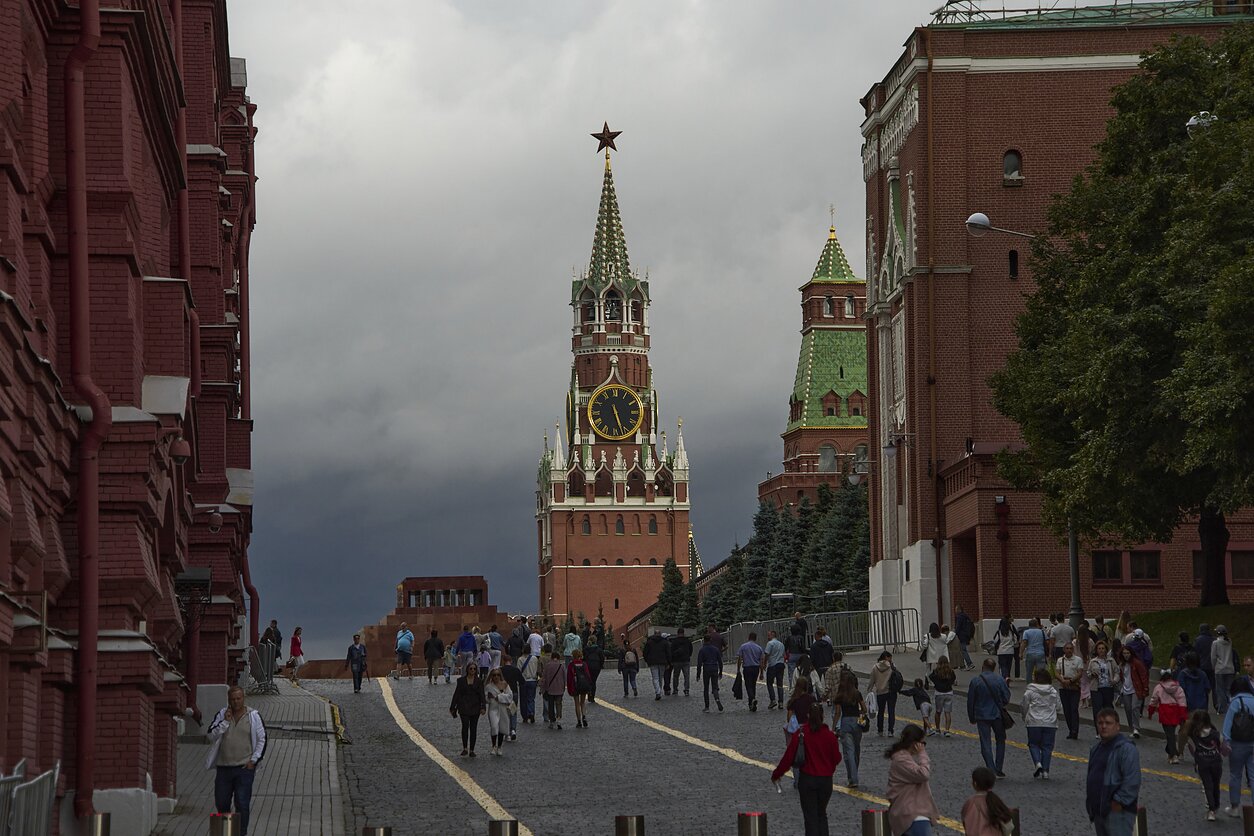
Every few weeks, a new wargame, a new intelligence leak, or a new headline arrives suggesting that Russia is about to attack the Baltic states. The conversation has become so constant that it risks losing meaning, so it is worth pausing on what the people who actually look at the question for a living are saying, and what they are not.
The most direct answer comes from Estonia's spy chief. In a late-2025 interview with public broadcaster ERR, Kaupo Rosin, director general of Estonia's Foreign Intelligence Service, was unambiguous: "Russia currently has no intention of attacking any of the Baltic states or NATO more broadly." He added that Russia has actually modified its behavior in response to Western pushback, that drone flight paths have been adjusted to reduce risk, and that there have been no cable sabotage incidents since NATO launched its Baltic Sentry mission. Rosin's view is that Russia "respects NATO and is currently trying to avoid any open conflict."
That assessment is consistent with what the serious analytical community in Europe has been saying. A January 2026 paper from the European Council on Foreign Relations concluded that "there remains a very small likelihood that Russia could seize and hold even a single town for more than 24-48 hours without being exposed and expelled." The German think tank DGAP argued in mid-2025 that as long as Ukraine continues fighting and US forces remain present in the Baltics, the danger of even a limited Russian military attack is low. German intelligence (BND) estimates Russia would not be ready for a large-scale war against NATO until around 2030 and Baltic officials cited by the Wall Street Journal estimated 7 to 10 years from the end of the Ukraine war.