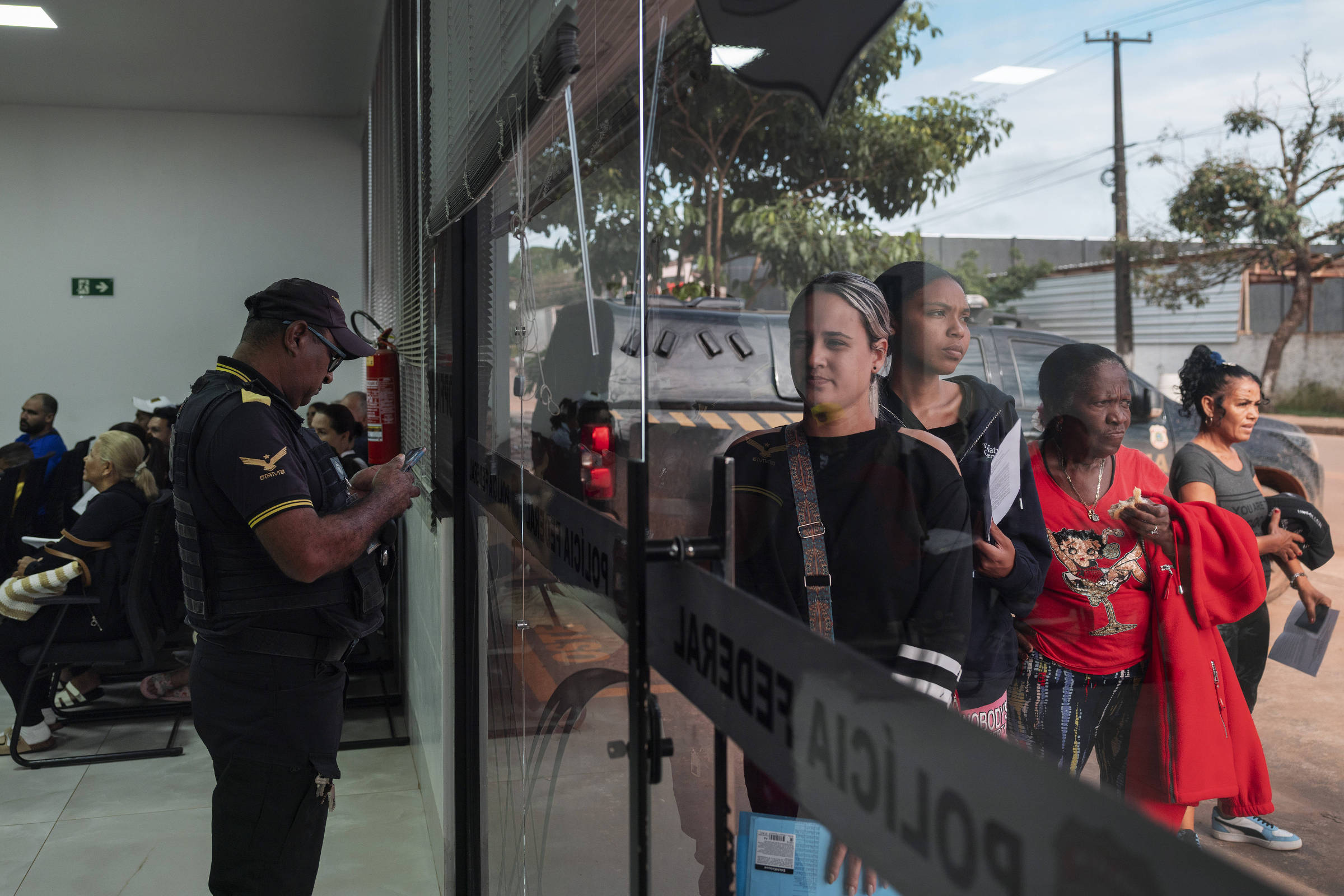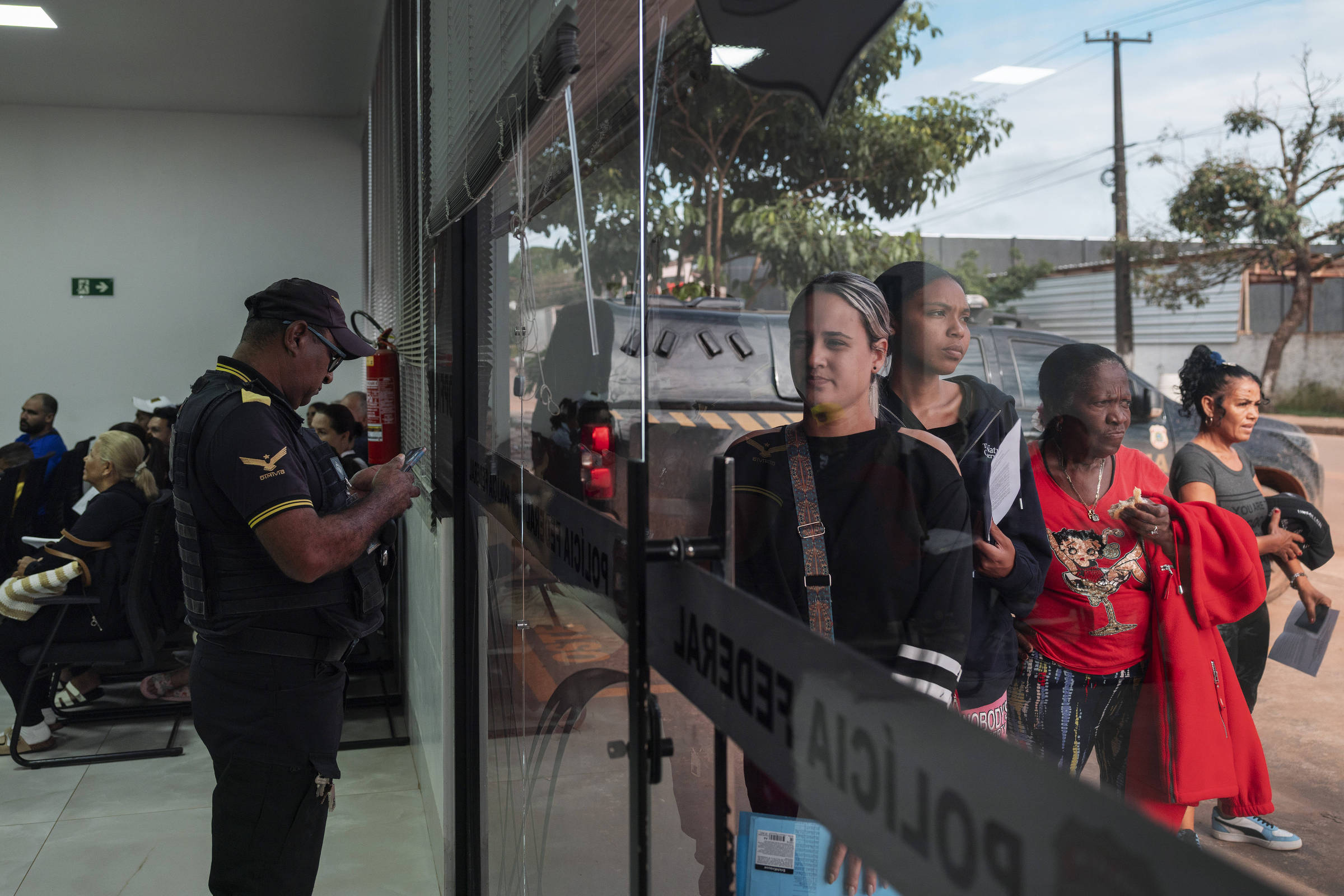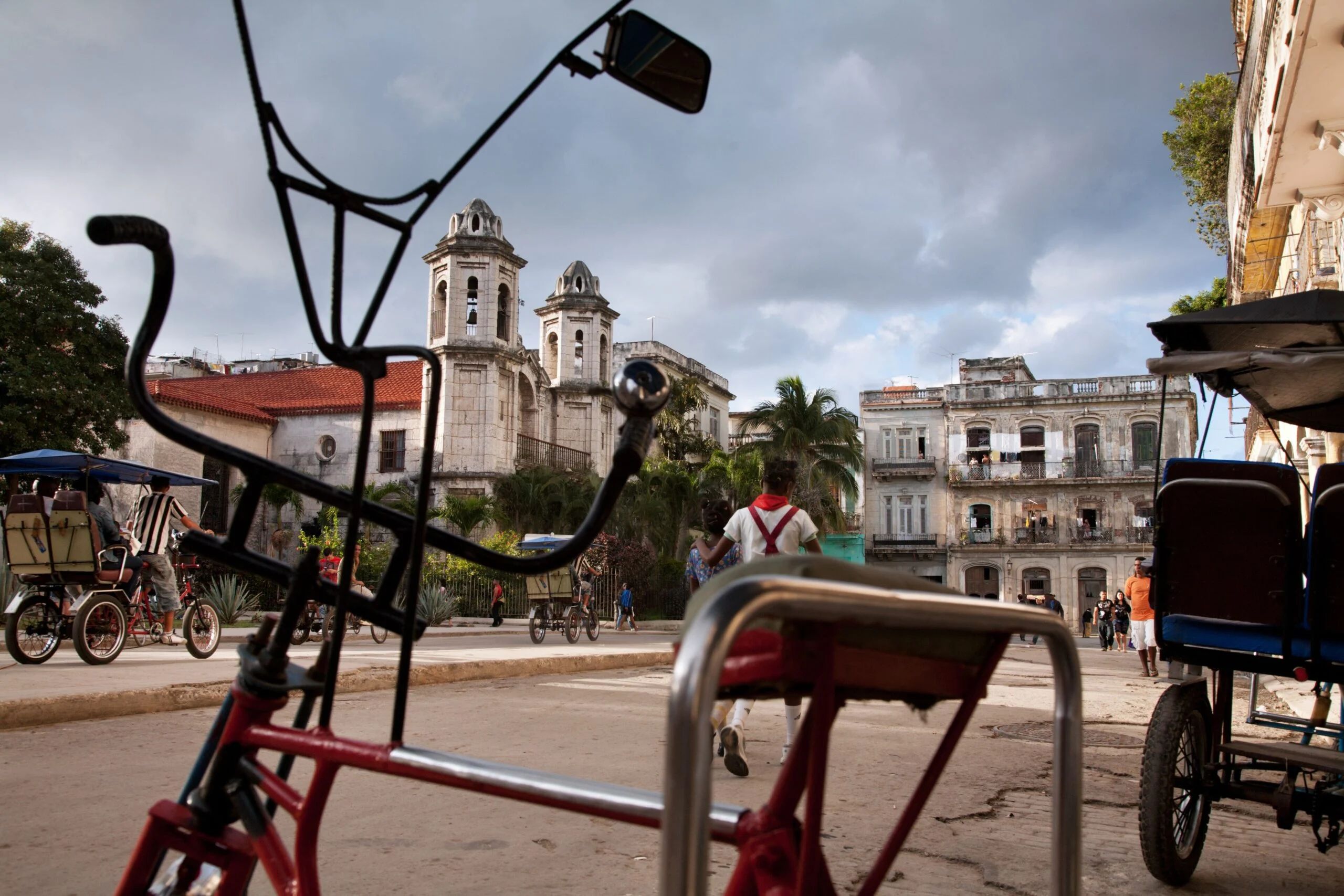
The route taken by Cuban migrants through Brazil's Amazon region to cities such as Goiânia, São Paulo, Curitiba, Florianópolis and Joinville is marked by clandestine travel. Cuban migrants are victims of an exploitation scheme. Most enter Brazil legally after passing through the Federal Police at the border and filing asylum requests. But the logistics of their journey are controlled by a network that Brazilian Federal Police describe as criminal, with suspects in Cuba, Suriname, French Guiana and Brazil.A Federal Police investigation in the state of Amapá identified 20 smugglers operating from Oiapoque. One alone moved the equivalent of US$1.5 million in suspicious transactions over two years. Migrants were abandoned along the road between Oiapoque and Santana after refusing to pay fees of up to US$350. Armed drivers and motorcycle lookouts ensured the transports remained clandestine, usually at night.
According to Federal Police, these smugglers play a central role in migrant smuggling, extortion, money laundering and illegal currency exchange, acting as intermediaries for transnational migration networks. Authorities launched an operation in September 2025 to curb the scheme, but the flows had returned to normal by November.