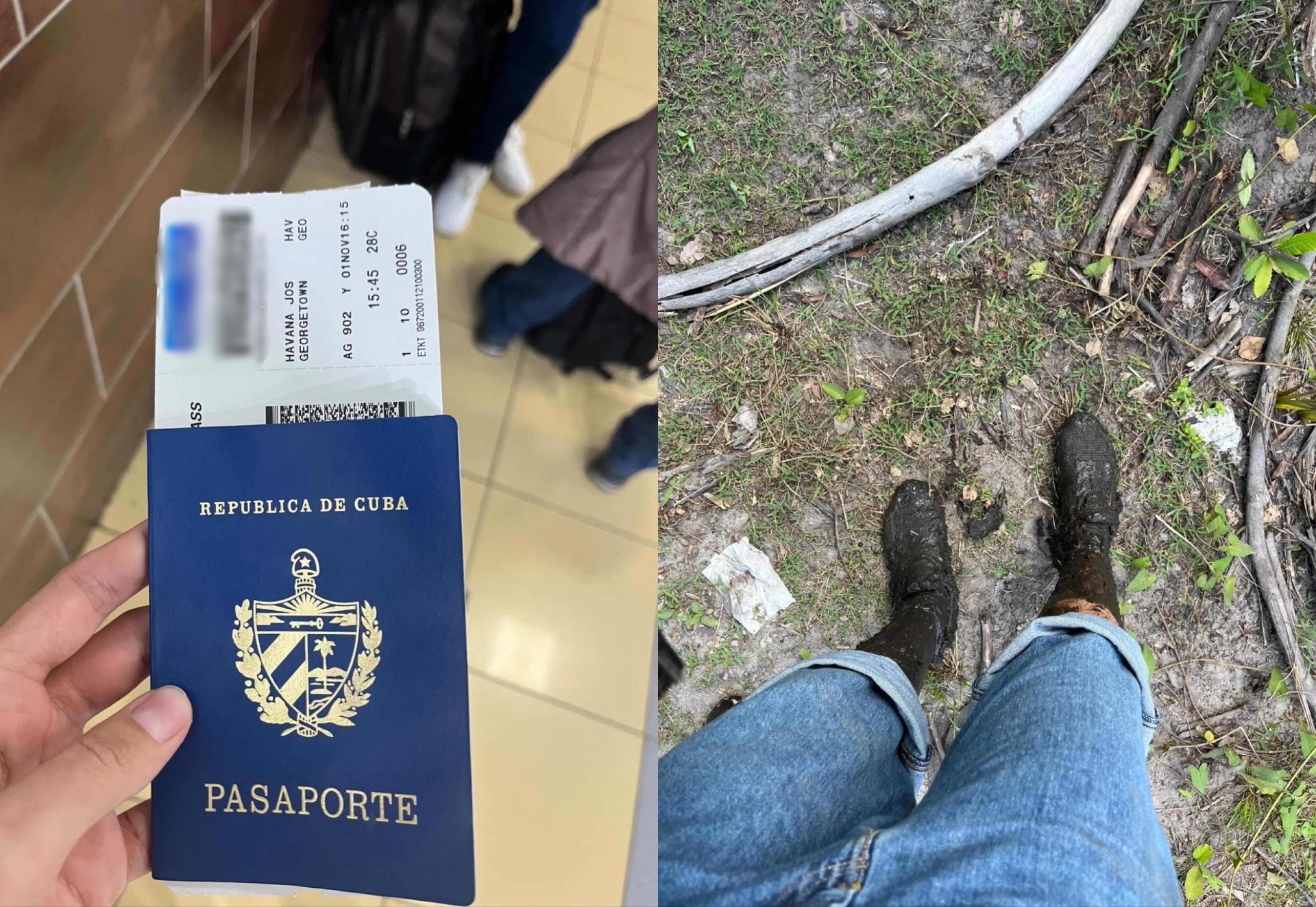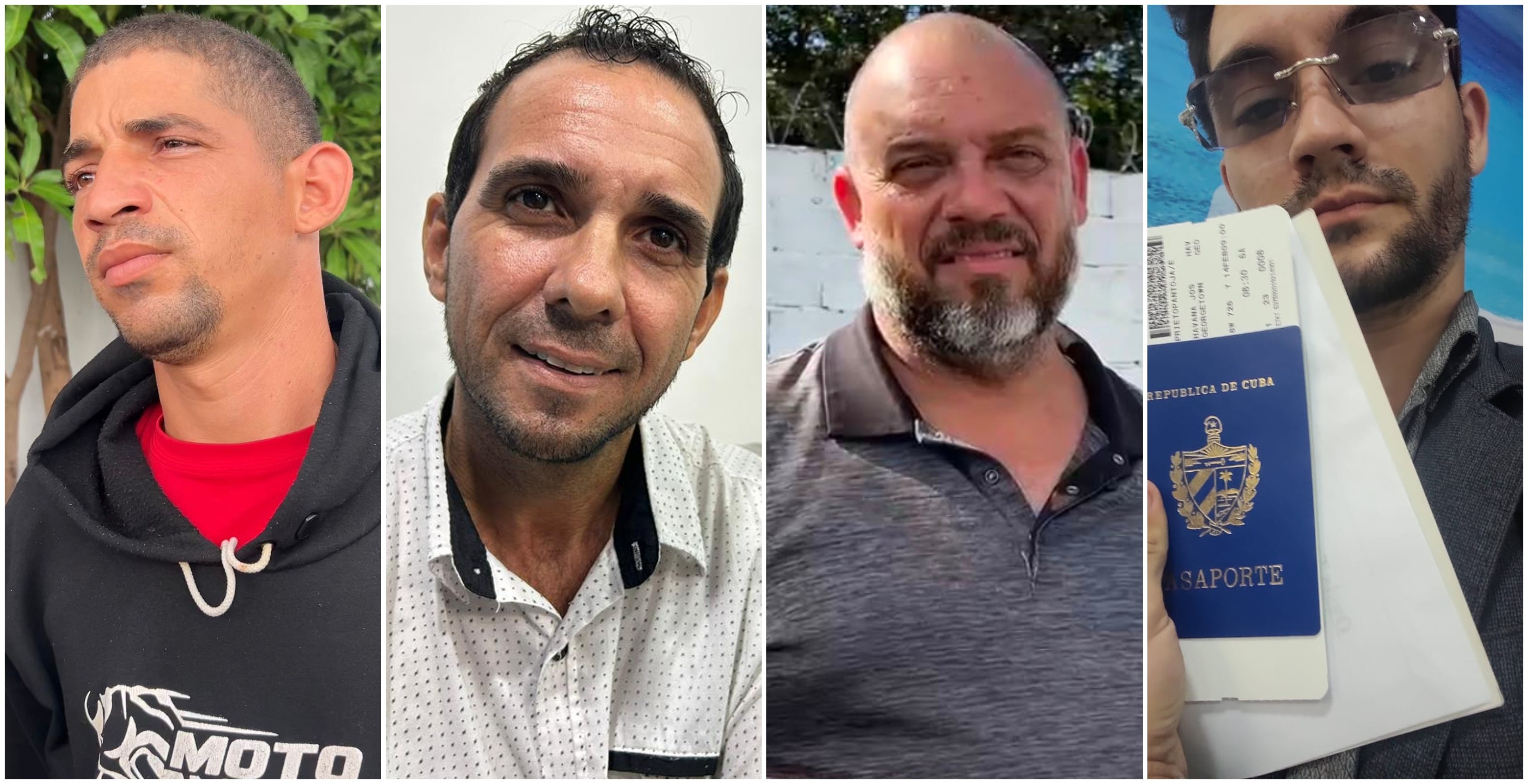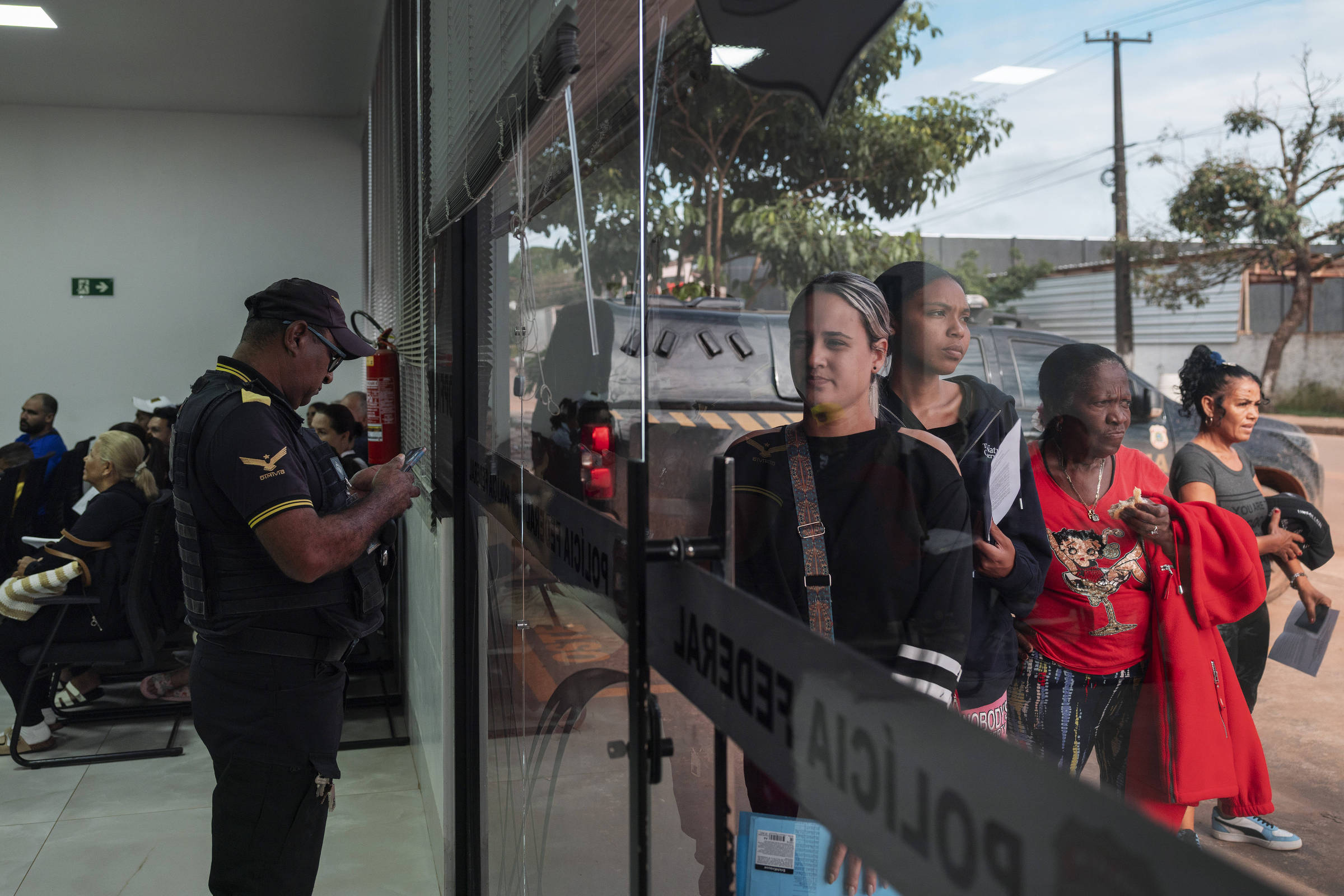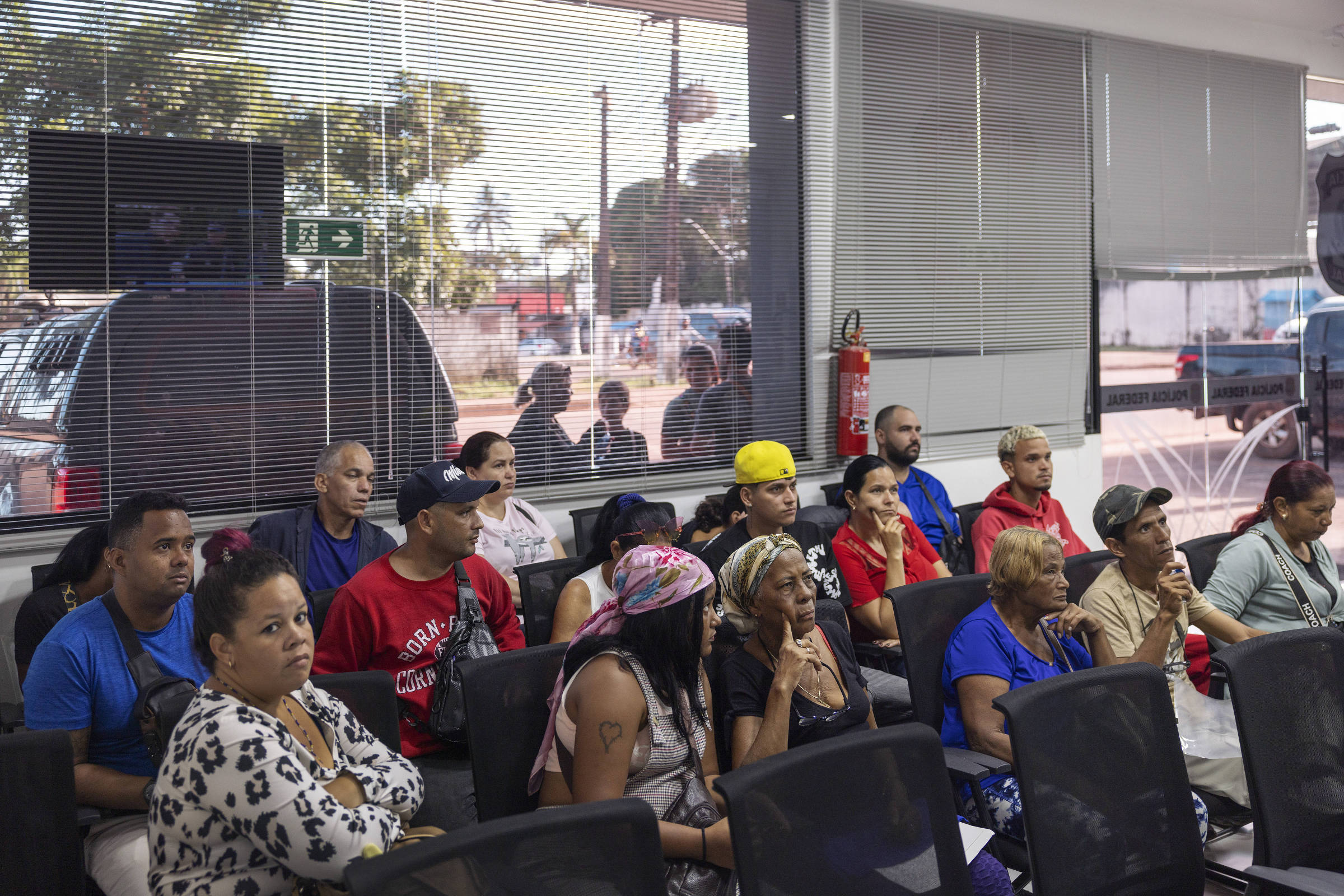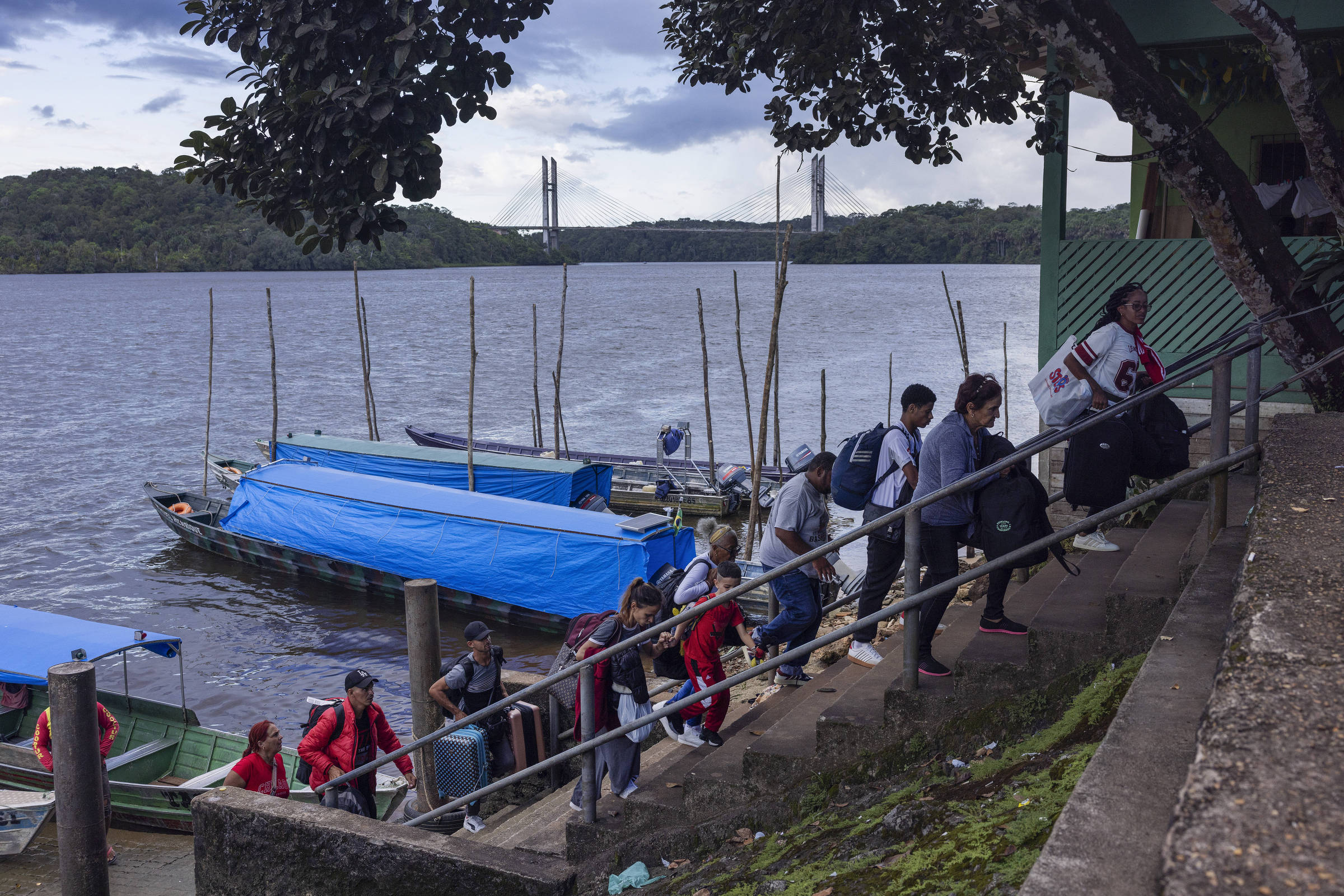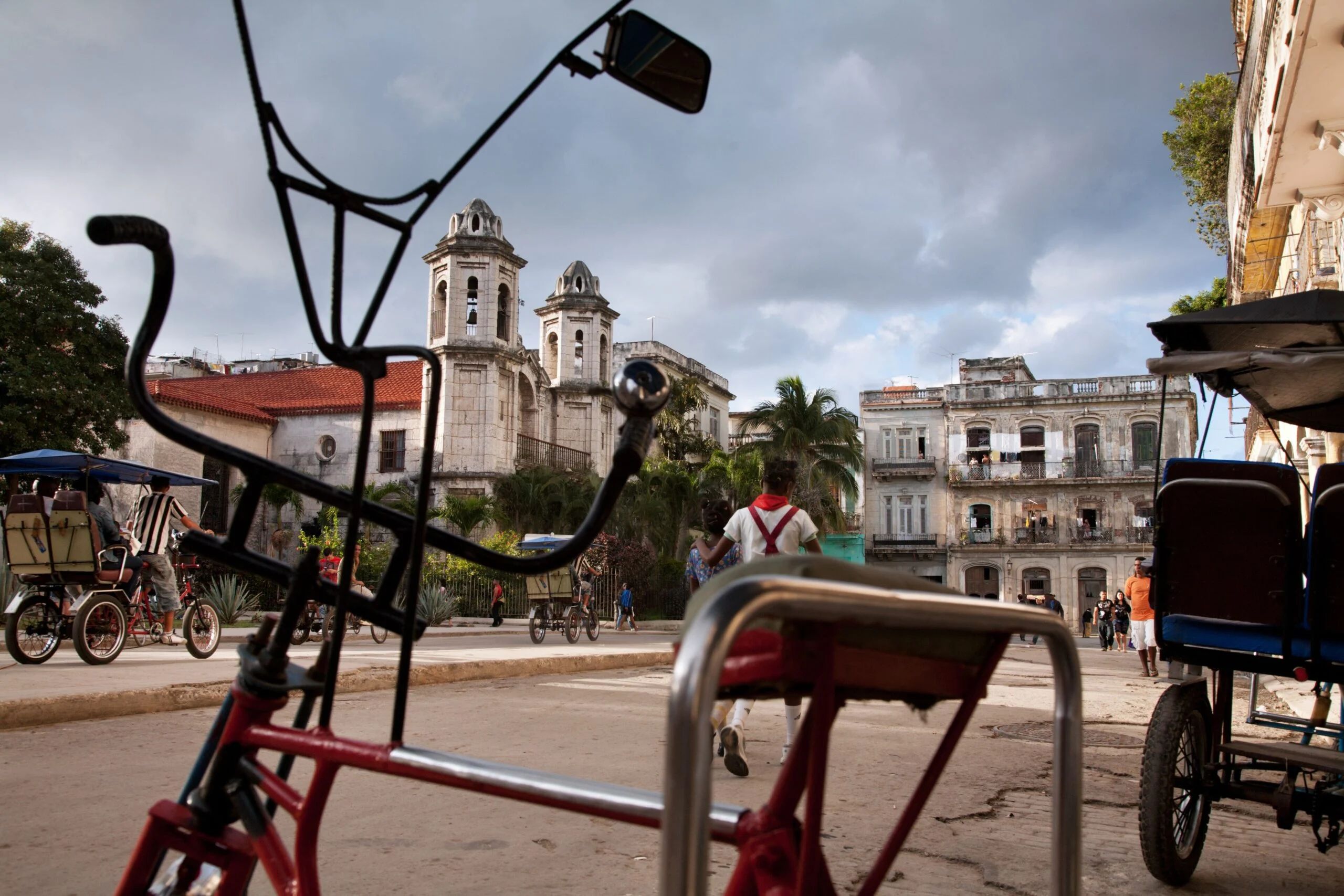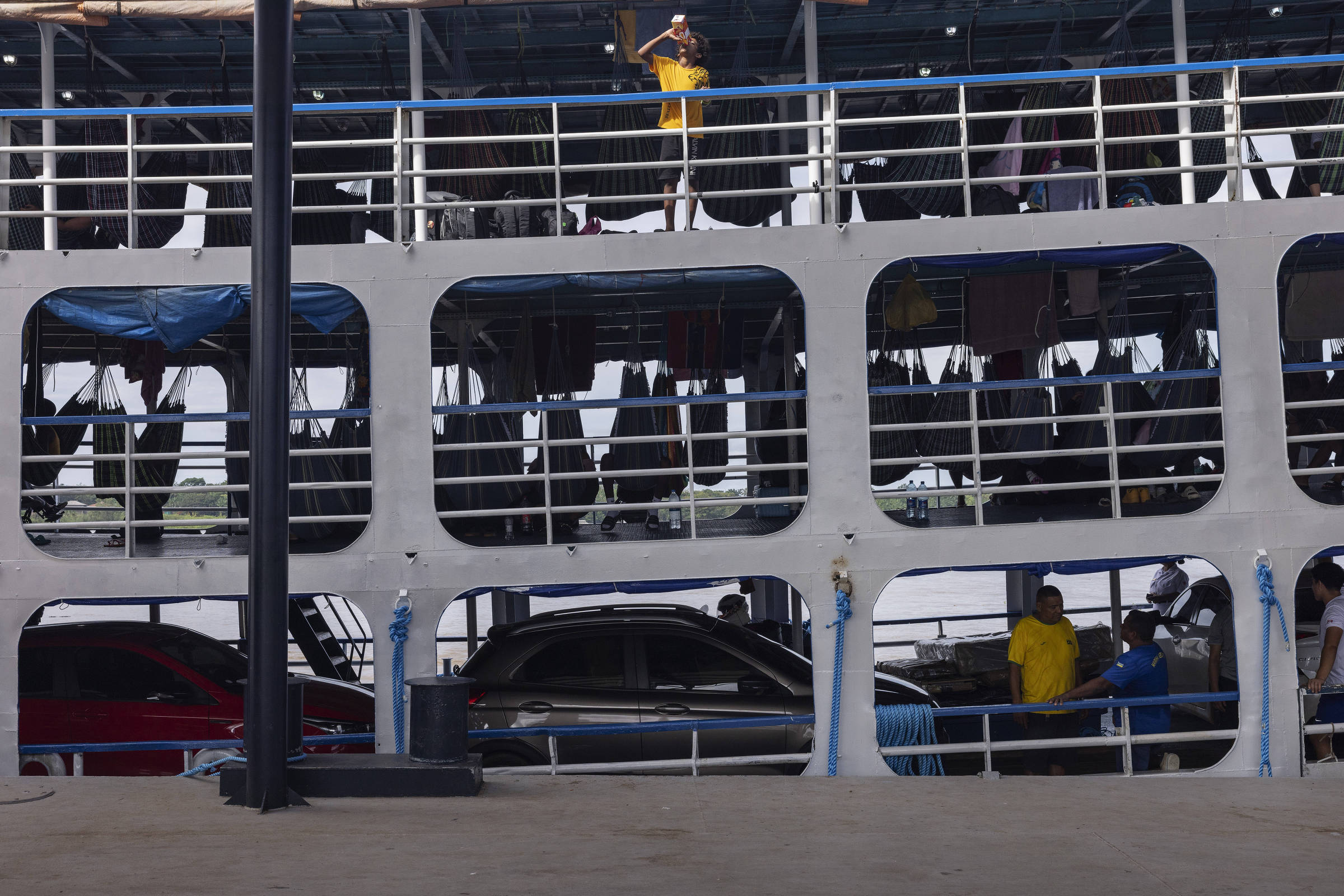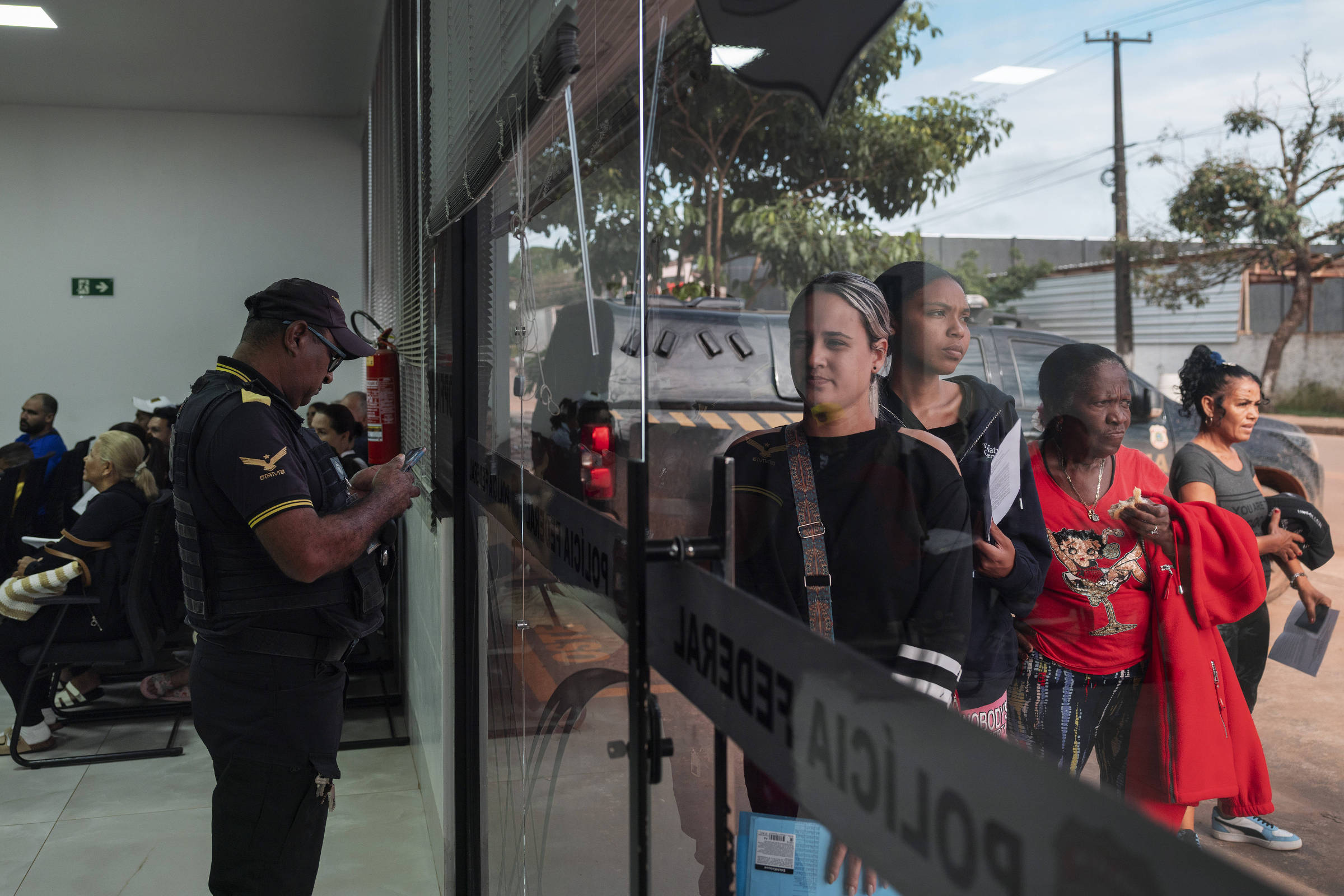
Cuban migrants have begun seeking Brazil as a refuge route, in a flow that has grown in Oiapoque (AP) over the past three years, peaking in 2025. The journey includes flights, vans, boats, cars and buses, departing from Suriname and French Guiana. In 2025, at least 8,400 Cubans entered through Oiapoque; throughout the year, 41,900 requested refuge in the country — nearly twice as many as Venezuelans (21,200).Cuba’s economic and political crisis — marked by blackouts, shortages and intensified restrictions since Donald Trump returned to the White House — is behind the exodus. Families sell homes and furniture to finance the journey, estimated at US$ 6,000 per family group.
The flow takes place weekly and is linked to a flight between Havana and Paramaribo. Logistics networks suspected of involvement in organized crime, extortion, migrant smuggling and money laundering control the route. The Federal Police of Amapá is investigating the scheme: Brazilians identified as "picapeiros" and boat operators charge Cubans amounts up to four times higher than those charged to Brazilians.
"Today, the United States is an impossible destination, both because of Trump and because of the costs of getting there," said Antonio Jimenez, 40, who left Havana with his wife and two children heading to Joinville (SC). "In Cuba, you don’t live, you just survive."