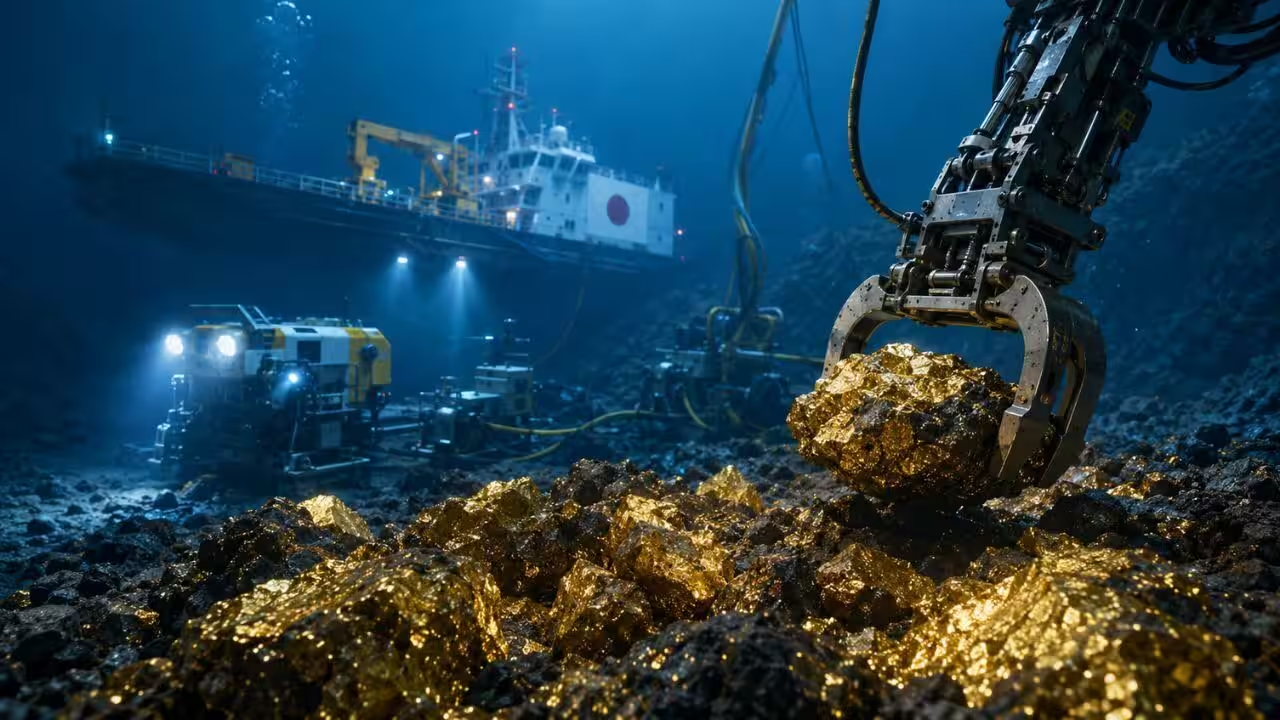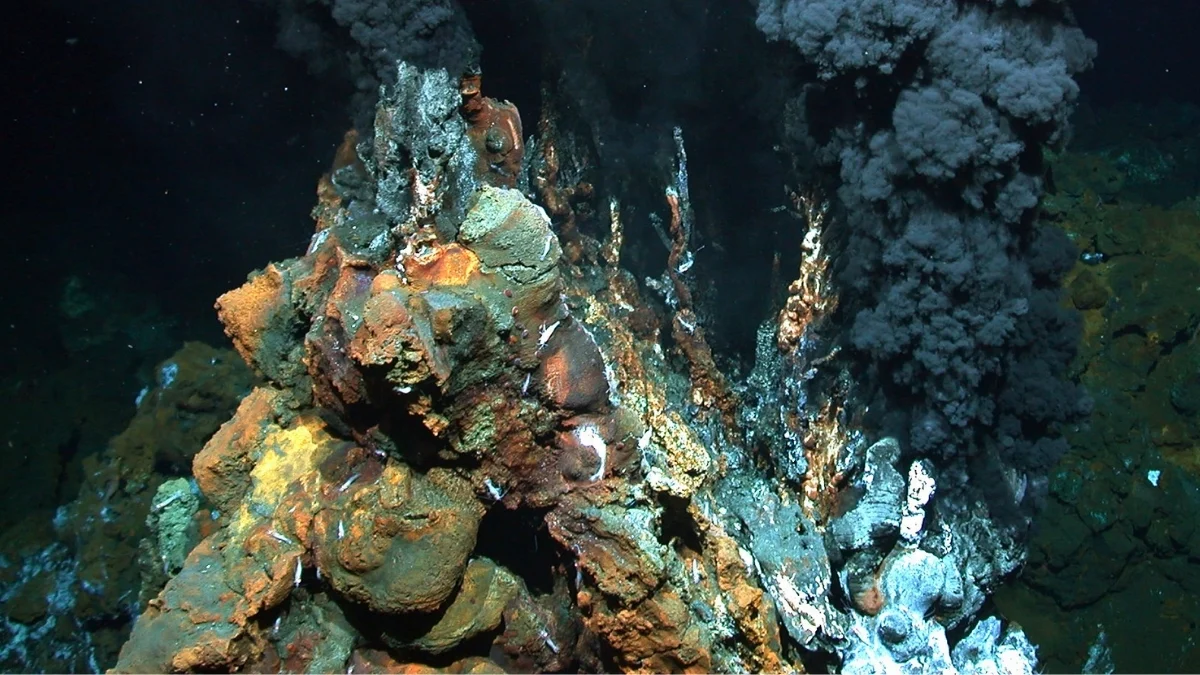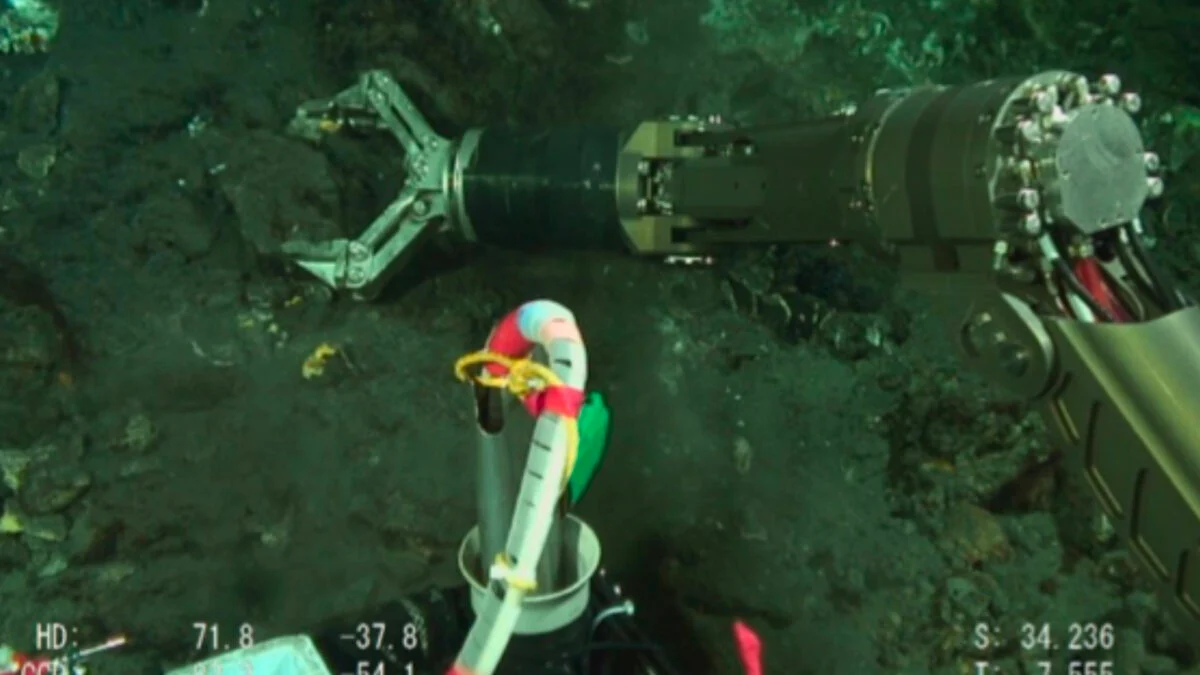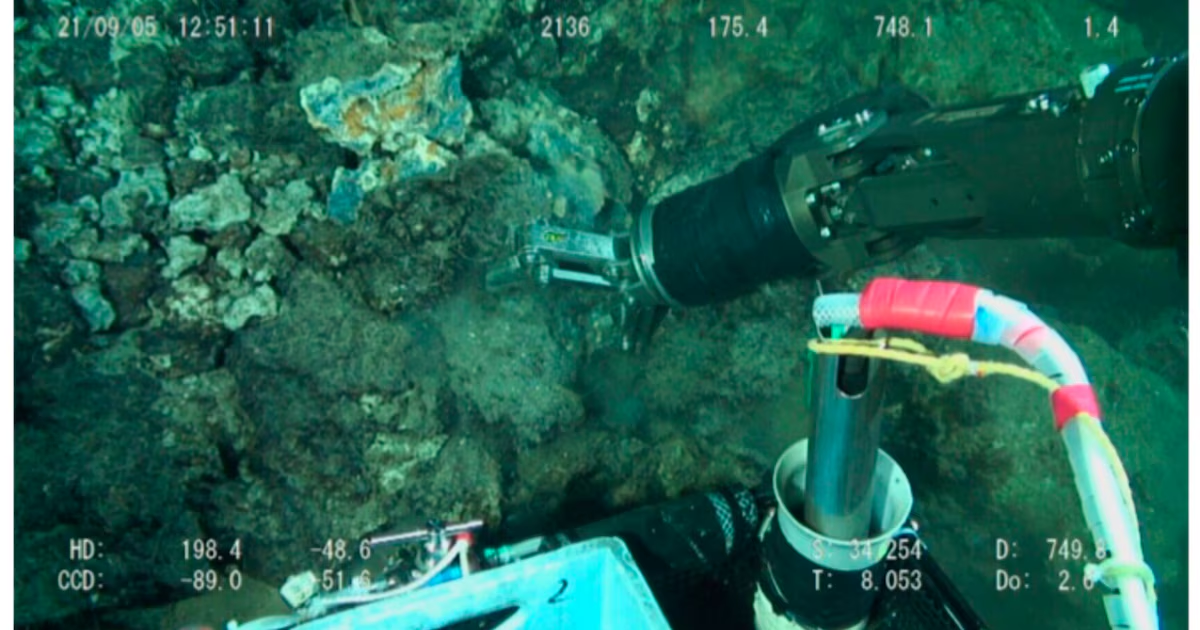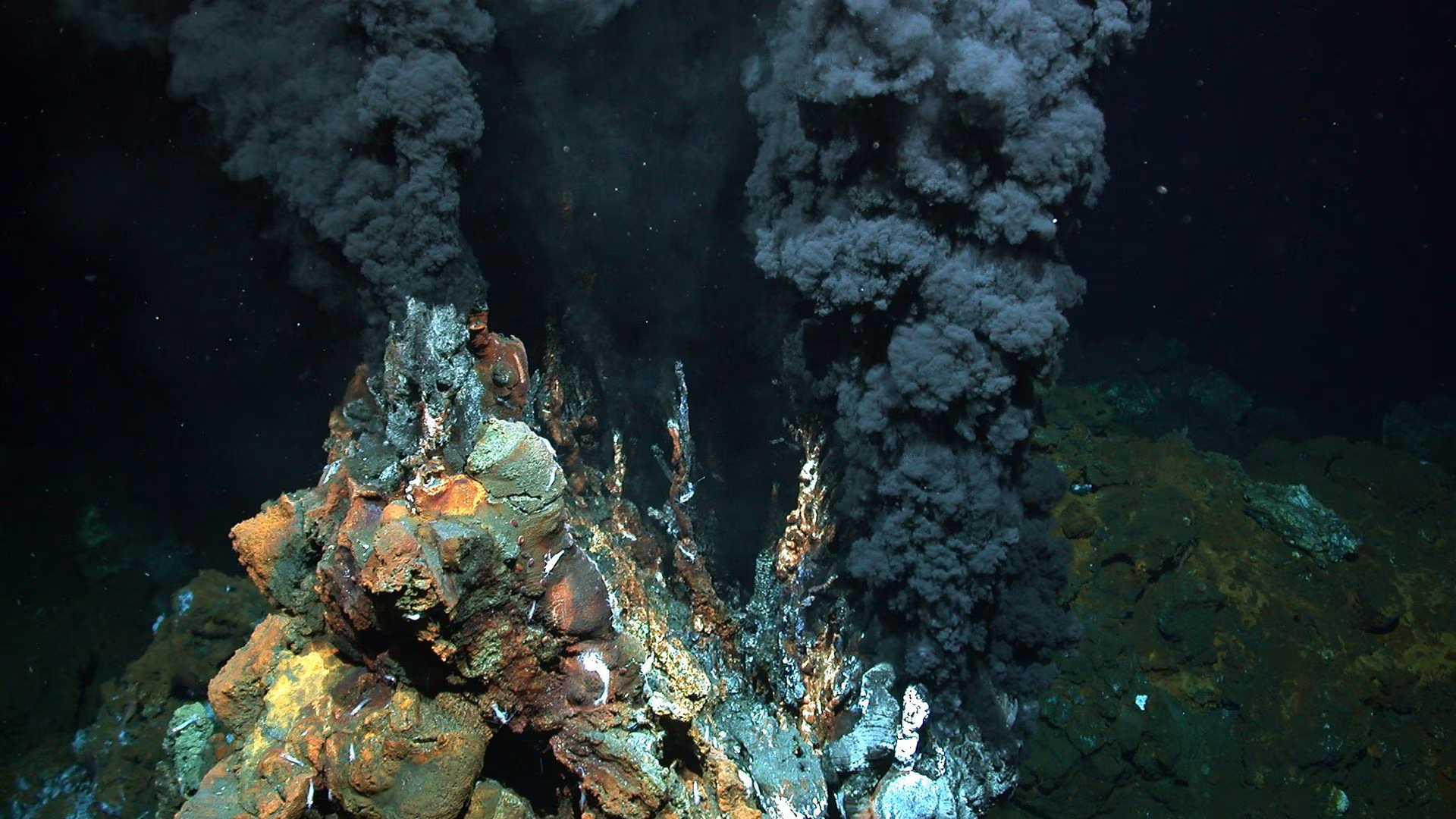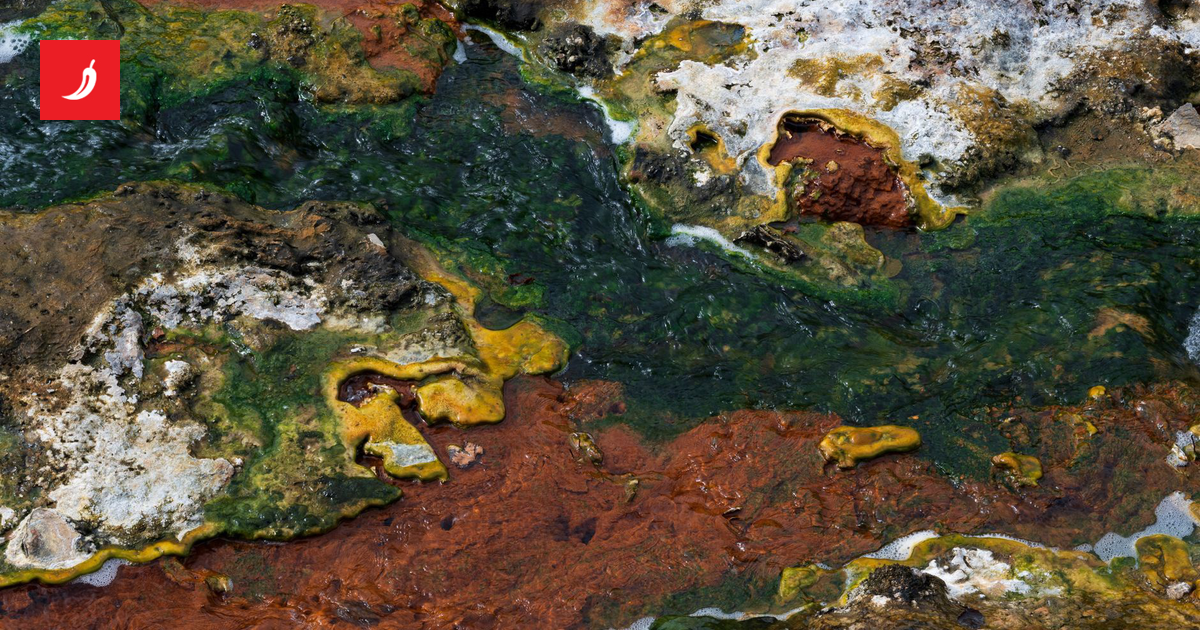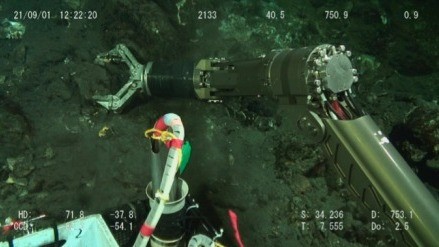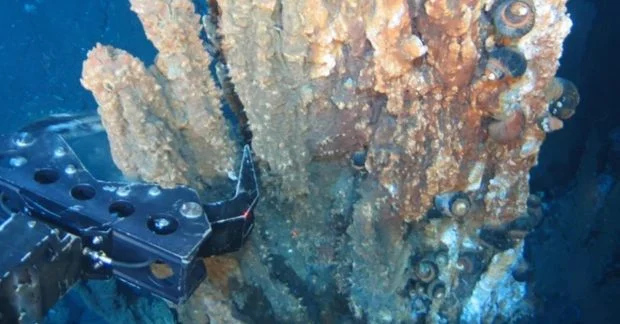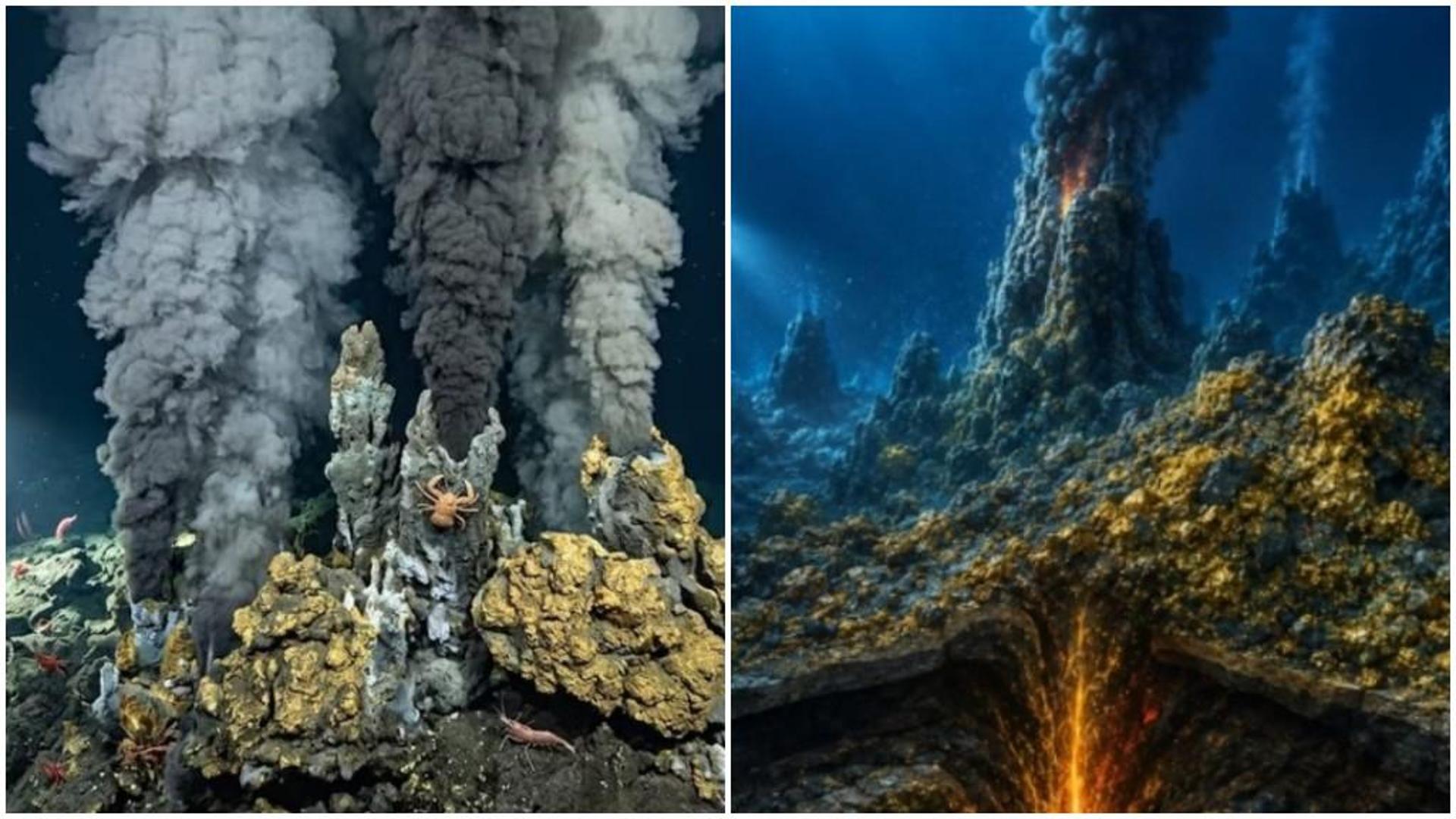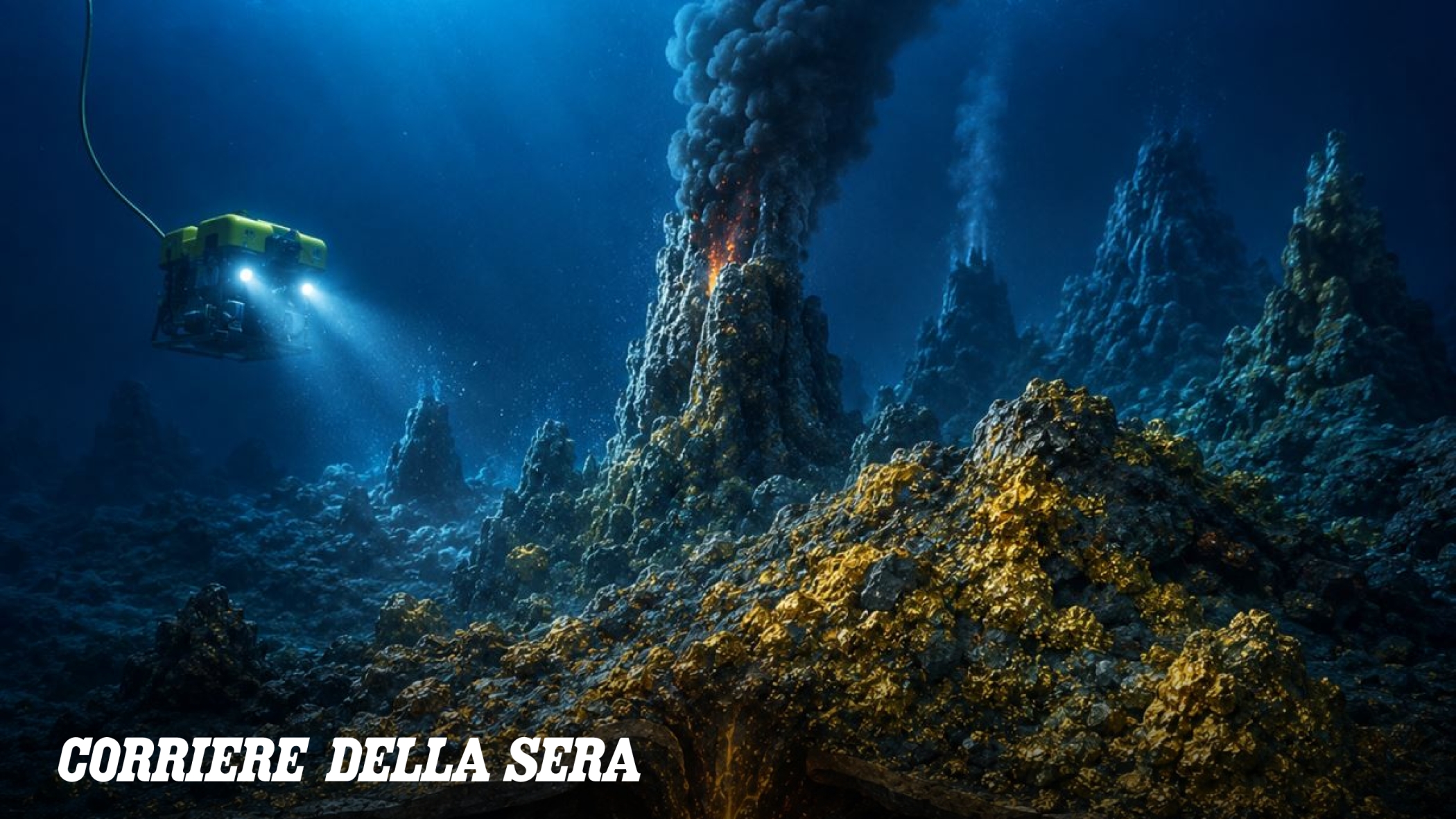
A vast reserve of hidden gold has been identified deep beneath the Pacific Ocean off the coast of Japan, with scientists reporting the highest concentration of "invisible gold" ever recorded in this type of seafloor deposit. The discovery, made in an active underwater volcanic region, has renewed interest in the commercial potential of deep-sea mining while also raising fresh environmental concerns.According to a study published in the journal Scientific Reports, as cited by The Times of India (TOI), much of the gold is not visible to the naked eye or even under conventional microscopes. Instead, it is locked inside pyrite, commonly known as "fool's gold", in microscopic and atomic forms that can only be detected using advanced laboratory techniques.Study uncovers record levels of invisible gold beneath Japan's seabedThe research focused on the Higashi-Aogashima hydrothermal field, located around 350 kilometres south of Tokyo within Japan's Exclusive Economic Zone.The area lies inside an underwater volcanic caldera where active hydrothermal vents, also known as black smokers, continuously release superheated, mineral-rich fluids from beneath the Earth's crust.As these fluids mix with cold seawater, dissolved minerals rapidly solidify, gradually forming chimney-like structures and sulphide-rich deposits on the ocean floor. These environments are already known to concentrate valuable metals such as copper, zinc, silver and gold.Scientists find 'invisible gold' hidden inside pyriteThe study, titled "SIMS discovers invisible gold in pyrite from the high-grade seafloor hydrothermal deposits in the Higashi-Aogashima knoll caldera, Izu-Ogasawara arc, Japan", revealed that much of the precious metal is trapped inside pyrite, rather than existing as visible gold grains.Researchers found that:Some gold occurs as microscopic nanoparticles embedded within pyrite.Other gold atoms are incorporated directly into the crystal structure of the mineral.The gold remains invisible under conventional imaging methods.Using secondary-ion mass spectrometry (SIMS), the researchers detected concentrations that had previously gone unnoticed.According to the study, the pyrite samples from Higashi-Aogashima contain the highest concentration of invisible gold ever reported from a seafloor hydrothermal deposit.Why this discovery is significantHydrothermal vents have long fascinated geologists because they naturally concentrate economically valuable metals.However, the latest findings suggest that previous estimates may have significantly underestimated the amount of gold present within these deposits because conventional analytical techniques were unable to detect gold hidden at microscopic and atomic scales.The discovery could improve scientists' understanding of how precious metals accumulate beneath the seabed and may influence future mineral exploration around similar hydrothermal systems worldwide.Could Japan's underwater gold be mined?The Higashi-Aogashima hydrothermal field is considered one of Japan's more accessible deep-sea mineral sites because of its comparatively shallower depth and exceptionally rich sulphide deposits.Even so, commercial extraction remains uncertain.Recovering invisible gold trapped inside pyrite would require sophisticated processing technologies capable of separating microscopic gold particles efficiently while remaining economically viable.At present, no commercial mining operation has successfully demonstrated large-scale extraction of invisible gold from active hydrothermal vent systems.Deep-sea mining continues to divide scientistsThe discovery comes as governments and mining companies continue exploring the economic potential of deep-sea mineral resources.At the same time, marine scientists have urged caution, warning that hydrothermal vents support highly specialised ecosystems found almost nowhere else on Earth.These underwater environments are home to unique species, including:Tube wormsCrustaceansDeep-sea coralsSpongesFishOctopusesMany researchers argue that these fragile ecosystems should be better understood before commercial mining activities begin, as the long-term environmental impacts remain largely unknown.Study highlights both opportunity and uncertaintyThe Scientific Reports study strengthens earlier evidence that the Higashi-Aogashima hydrothermal field is among the richest known seafloor gold deposits discovered to date.By applying advanced analytical techniques, researchers revealed substantially higher concentrations of gold than previous investigations had detected, particularly within pyrite previously believed to contain only trace amounts of the precious metal.While the discovery could influence the future of deep-sea mineral exploration, scientists emphasise that significant technical, economic and environmental challenges must still be addressed before any commercial extraction becomes a reality.Inputs from TOI
Scientists discover largest 'invisible gold' reserve beneath Japan's seabed, but this one major problem may never let the underwater treasure be mined
Scientists have identified a vast reserve of hidden gold deep beneath the Pacific Ocean. This "invisible gold" is locked inside pyrite and requires advanced techniques to detect. The discovery occurred in an active underwater volcanic region off the coast of Japan. This finding renews interest in deep-sea mining while also raising environmental concerns. Commercial extraction remains uncertain due to technical and economic challenges.
632 words~3 min read