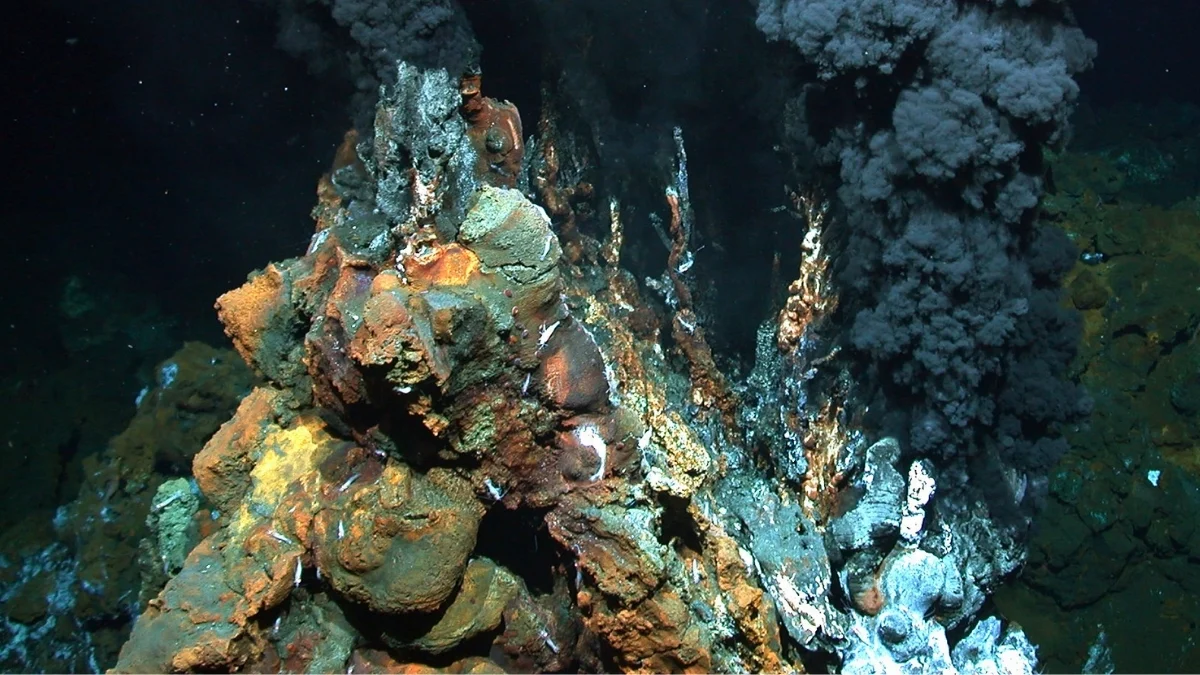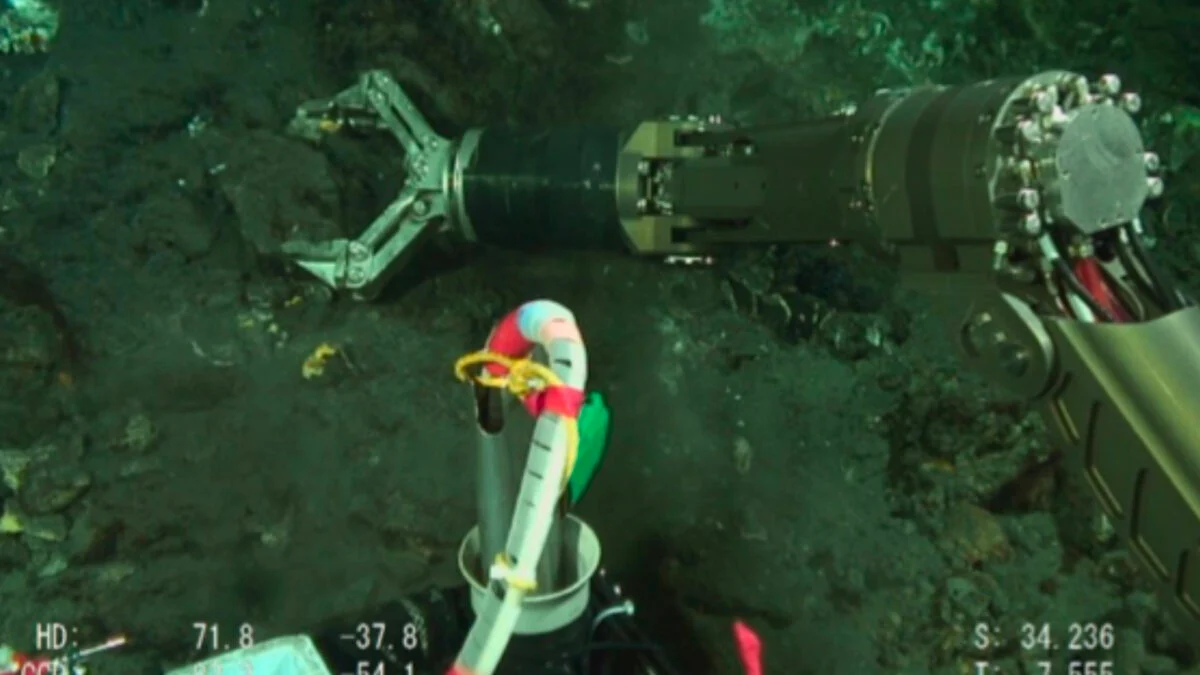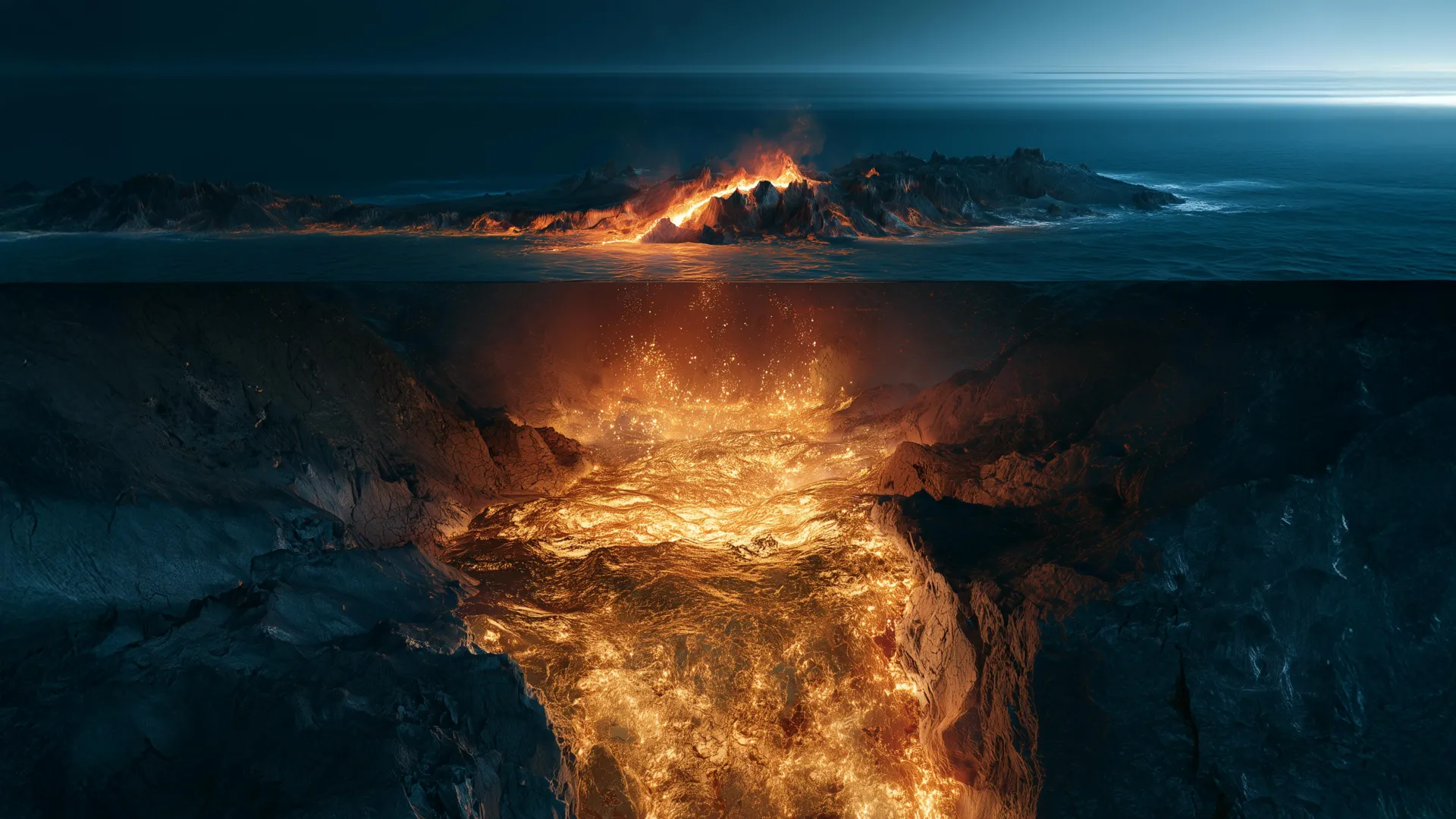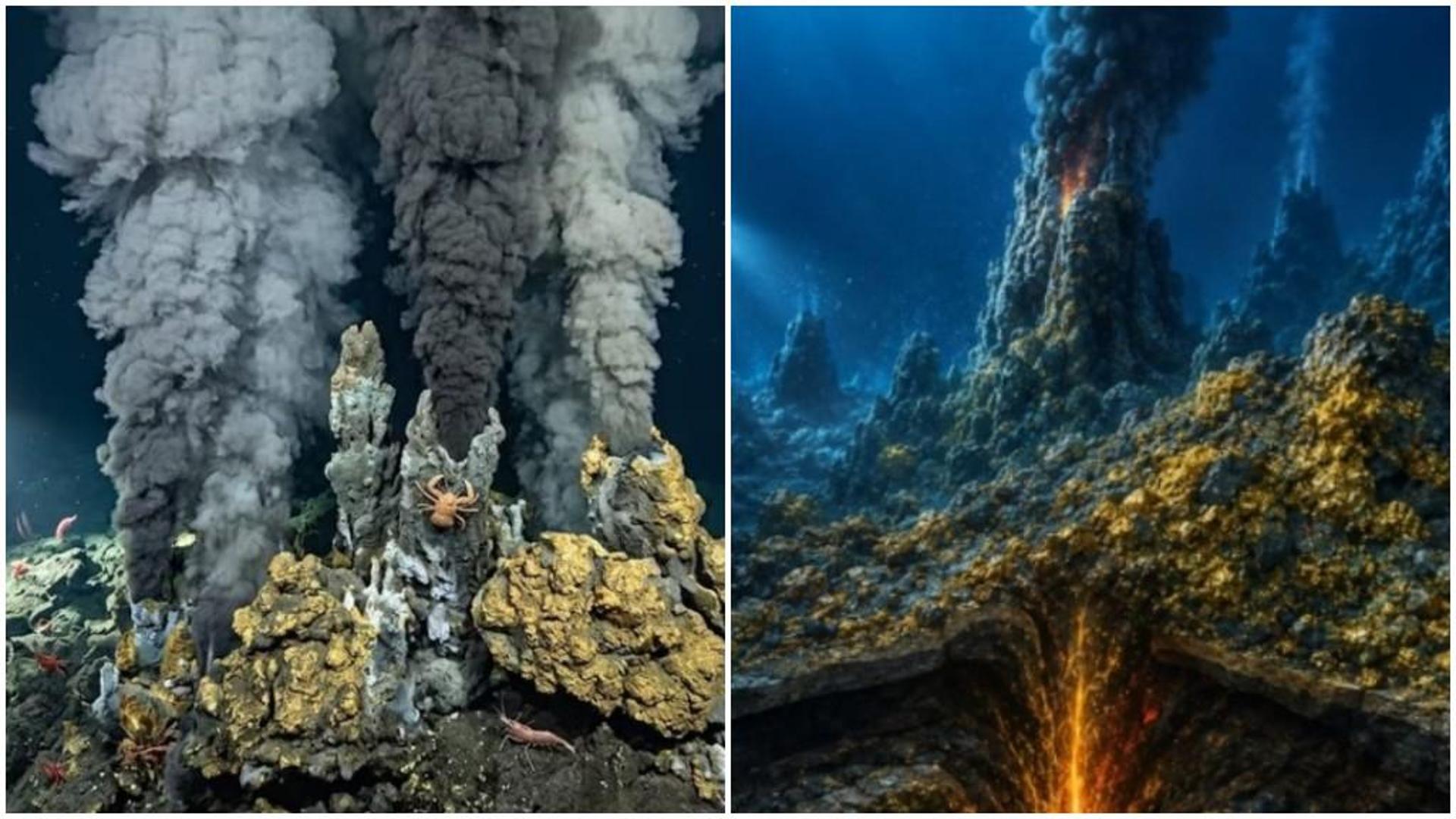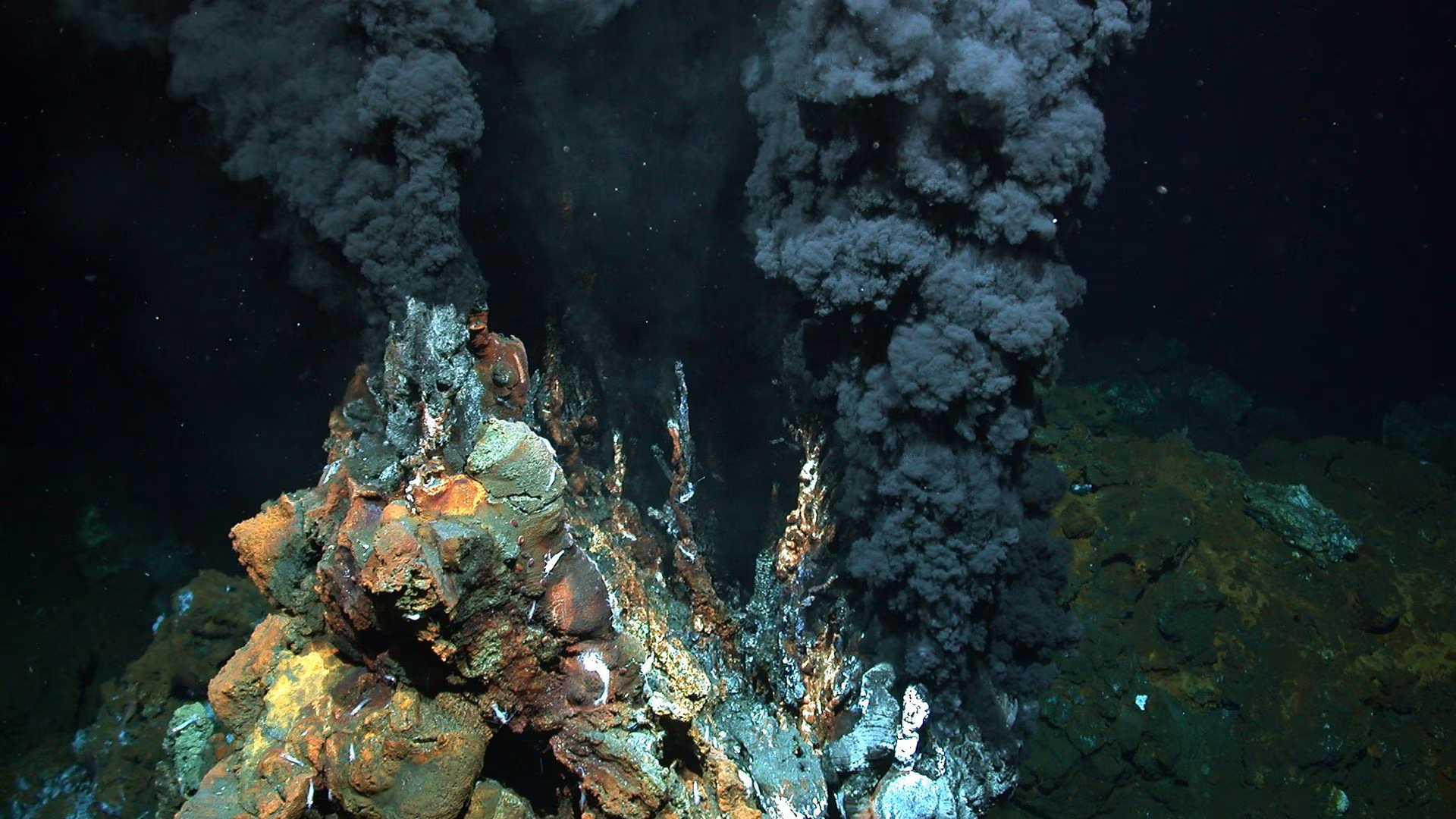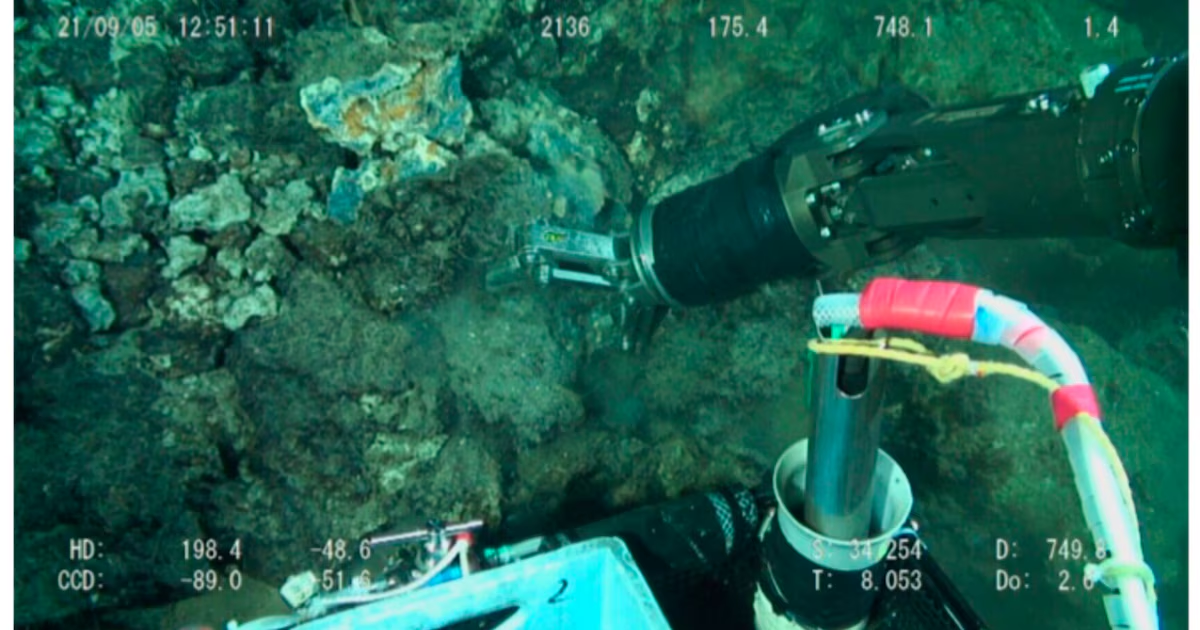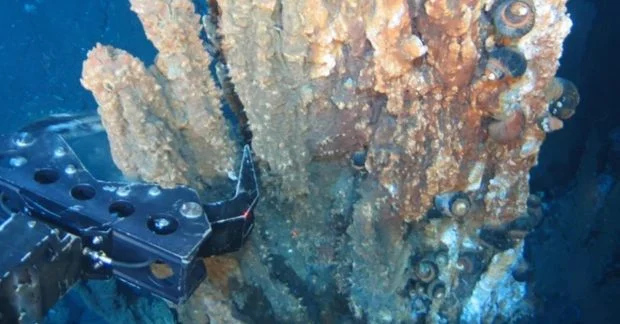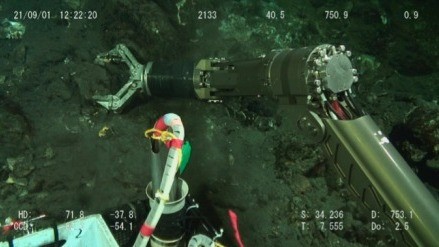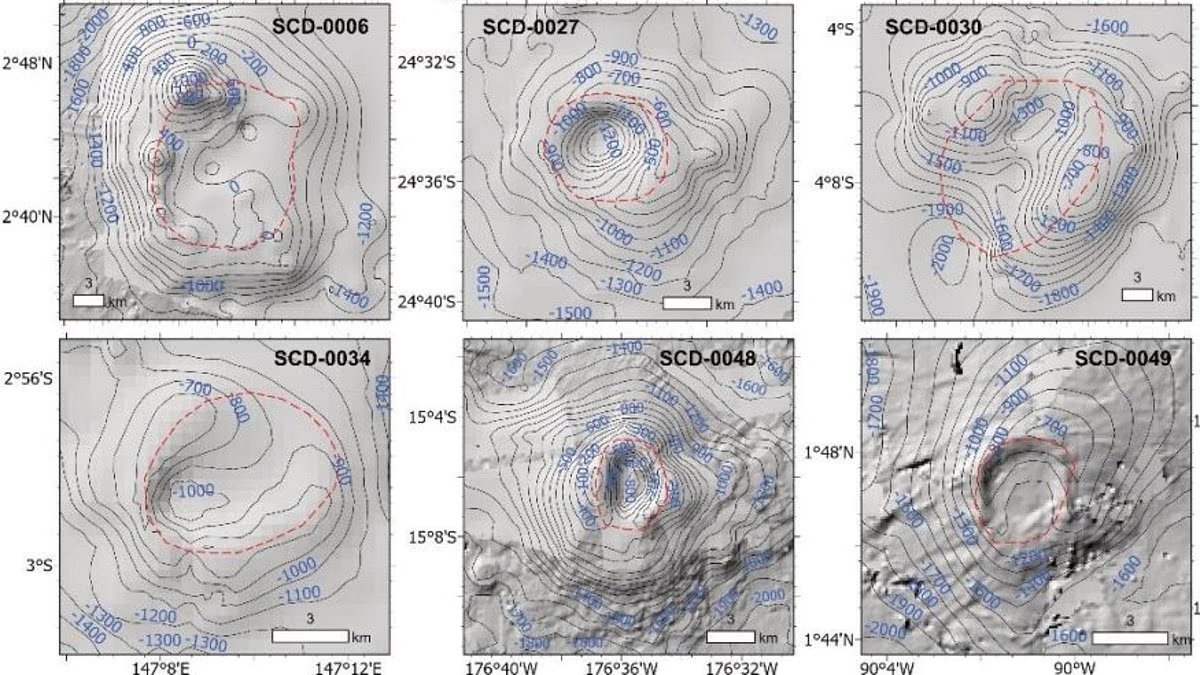
Far below the surface of the Pacific, a volcanic landscape south of Japan has revealed an extraordinary concentration of hidden gold unlike anything documented before. The discovery comes from an active hydrothermal field where superheated, mineral-rich fluids continue to build towering chimney structures and dense sulphide deposits on the seabed. While gold has long been known to occur around underwater hydrothermal vents, the latest analysis points to concentrations that exceed previous records, with much of the precious metal concealed inside ordinary-looking minerals rather than appearing as visible flakes or veins.The finding has renewed interest in the commercial potential of deep-sea mining at a time when environmental concerns remain unresolved. It also highlights how little is still understood about the ecosystems that thrive around these active volcanic systems, where unusual forms of marine life depend on conditions found almost nowhere else on Earth.Japan's volcanic seabed hosts a record-breaking hidden gold discovery The site lies within the Higashi-Aogashima hydrothermal field, roughly 350 kilometres south of Tokyo and inside Japan's exclusive economic zone. First identified in 2015, the underwater caldera contains active hydrothermal vents, often called black smokers, where extremely hot fluids rise through the seabed carrying dissolved metals from deep within the Earth's crust.As these fluids meet the cold surrounding seawater, minerals rapidly solidify and settle, gradually building chimney-like structures and mounds of sulphide-rich rock. Such environments have attracted scientific attention for decades because they naturally concentrate metals including copper, zinc, silver and gold.The latest investigation examined rock samples collected from these hydrothermal deposits using highly sensitive laboratory techniques capable of detecting tiny amounts of precious metals hidden inside minerals.Invisible gold in pyrite reaches record-breaking concentrations Instead of finding gold in obvious metallic grains alone, scientists discovered that much of it exists in forms that cannot be seen even under conventional microscopes.The study published in Scientific reports, titled ‘SIMS discovers invisible gold in pyrite from the high-grade seafloor hydrothermal deposits in the Higashi-Aogashima knoll caldera, Izu-Ogasawara arc, Japan’, reveals that the metal is trapped within pyrite, the iron sulphide mineral commonly known as fool's gold because of its shiny appearance. Some of the gold occurs as microscopic nanoparticles lodged inside the mineral, while another portion is incorporated into pyrite's crystal structure at the atomic level.This "invisible gold" remained undetected until advanced secondary-ion mass spectrometry was used to examine the samples in detail. According to the research team, the pyrite from Higashi-Aogashima contains the highest concentration of gold yet measured in this type of seafloor deposit anywhere in the world.Could Japan's record-breaking seafloor gold be minedThe hydrothermal field is considered relatively accessible compared with several other mineral-rich vent systems around Japan. Its shallower depth, together with exceptionally rich sulphide deposits, makes it one of the country's most promising locations for any future attempt at commercial extraction.That possibility remains largely theoretical. Recovering invisible gold from pyrite on the ocean floor is technically demanding, and no commercial operation has yet demonstrated that it can be done economically on an active hydrothermal vent.Engineers continue to explore methods that could separate these microscopic gold particles efficiently without making extraction prohibitively expensive.Mining ambitions meet environmental concernsThe scientific discovery arrives as debate over deep-sea mining grows across the world. Active hydrothermal vents support distinctive ecosystems that include specialised worms, crustaceans, corals, sponges, fish and octopuses adapted to extreme conditions created by volcanic activity beneath the sea.Many marine scientists argue that these habitats should receive stronger protection before any industrial development begins. Their concern stems partly from the limited understanding of how resilient these ecosystems are if disturbed by mining equipment or sediment plumes.The biological diversity around Higashi-Aogashima itself has not yet been fully documented, leaving important questions unanswered about what species may depend on the site.The newly analysed samples strengthen earlier suggestions that the Higashi-Aogashima hydrothermal field ranks among the richest seafloor gold deposits identified so far. Improved analytical methods have revealed far more gold than previous measurements indicated, particularly within minerals once thought to contain only trace amounts.
Japan has discovered record-breaking hidden gold beneath the ocean floor, but extracting it won't be easy; here’s why
Far below the surface of the Pacific, a volcanic landscape south of Japan has revealed an extraordinary concentration of hidden gold unlike anything documented before. The discovery comes from an active hydrothermal field where superheated, mineral-rich fluids continue to build towering chimney structures and dense sulphide deposits on the seabed.
660 words~3 min read