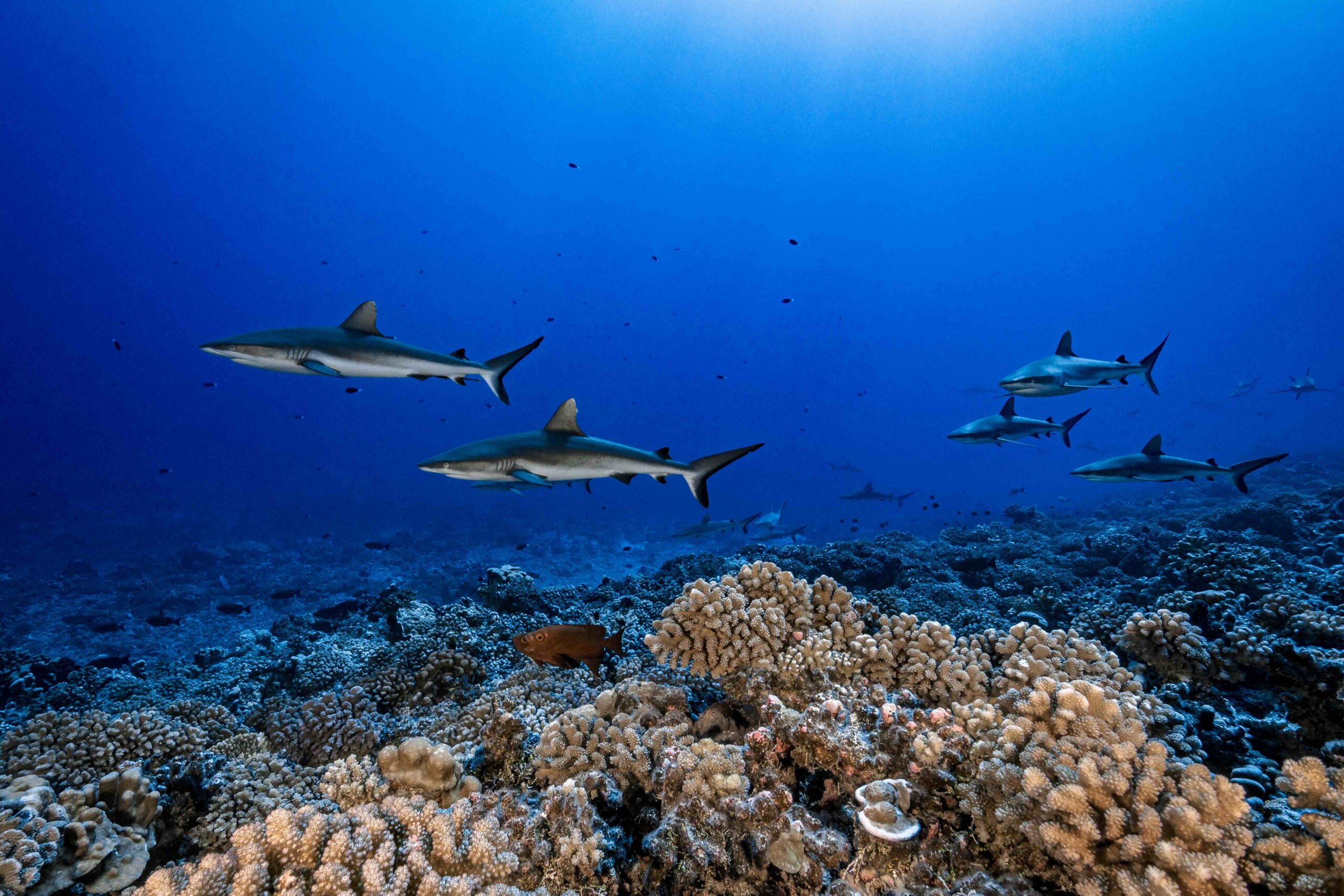
Last summer, at the United Nations World Oceanʻs Conference, French Polynesia established the world’s largest contiguous marine protected area, reinforcing its 2022 ban on seabed mining. “The deep sea is not for sale,” France’s president, Emmanuel Macron, said at the time.
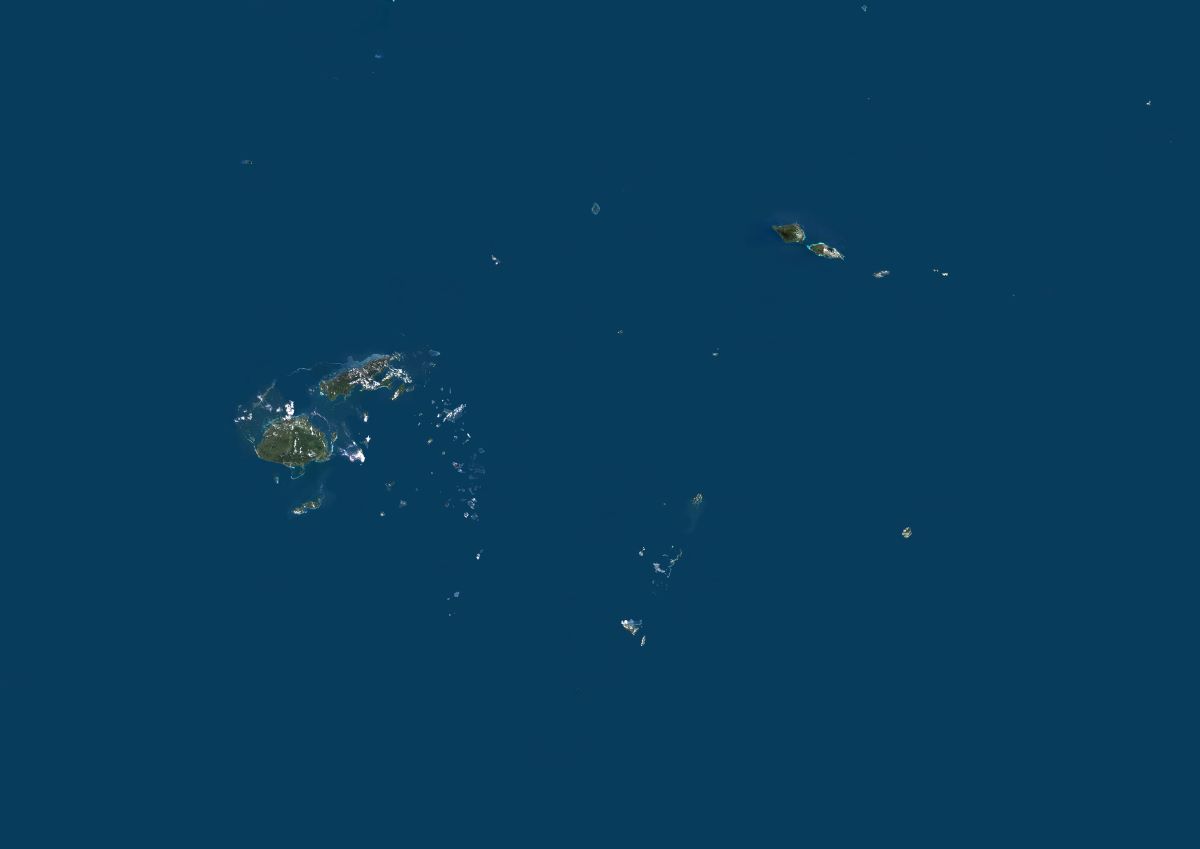
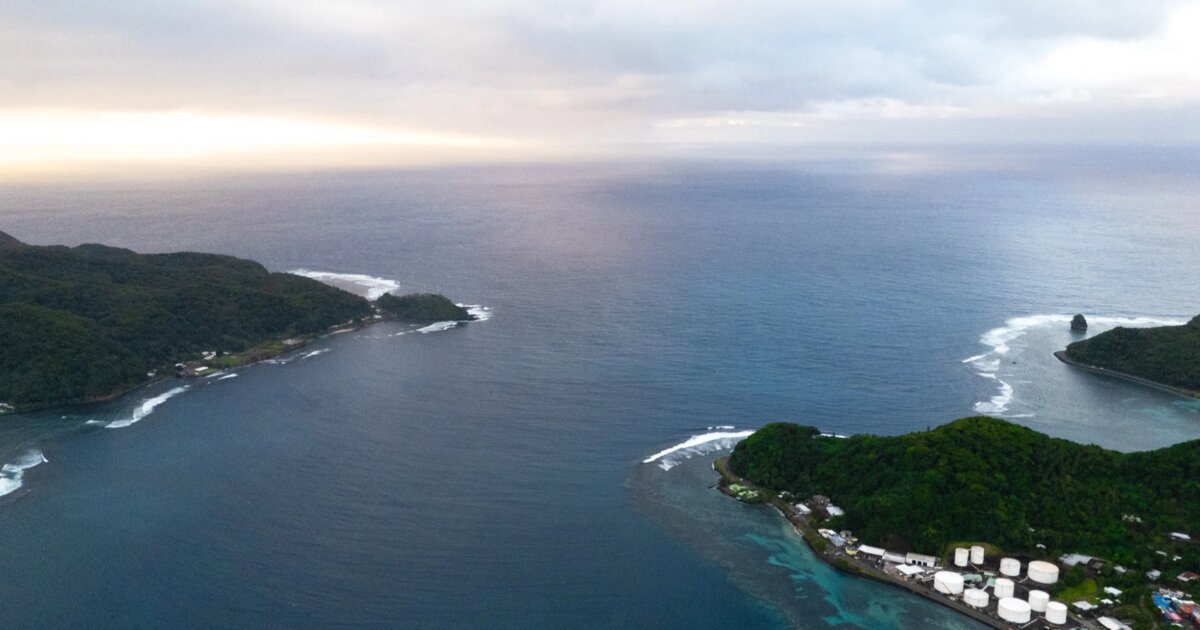
A year later, that might not hold true for the waters just beyond French Polynesia’s maritime border. A little-known American startup is seeking the Trump administration’s approval to lease 25 million acres of international waters for mining exploration just outside the areas over which French Polynesia, the Cook Islands and Kiribati have exclusive rights. The area, called Eastern High Seas Pocket 3 because it is entirely surrounded by waters known as the exclusive economic zones of the three nations, has an abundance of albacore, yellowfin, and bigeye tuna, and is visited by dozens of fishing vessels each year.
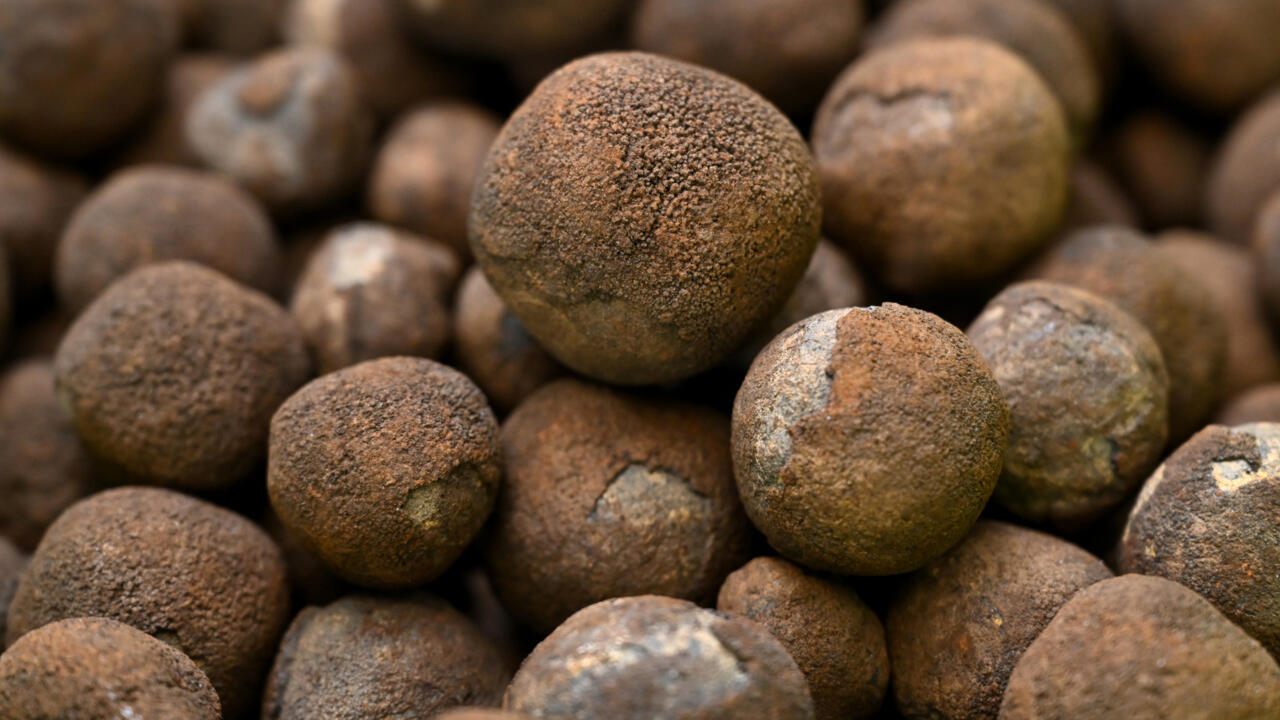
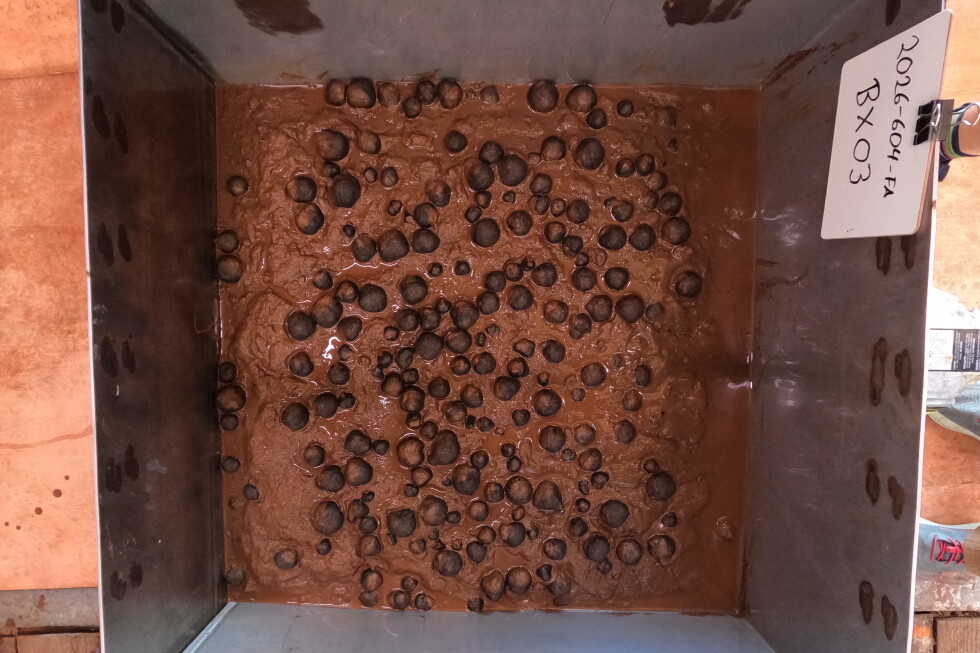
American Deep Sea Minerals is the first company to propose exploring the seabed there for manganese and other critical minerals, part of a global rush to capitalize on the essential components of batteries, military technologies and other modern technologies.
The company’s application is the latest example of the Trump administration enabling those interested in deep sea mining to circumvent international law. The majority of the world’s nations have agreed to a treaty that grants oversight of deep sea mining in the high seas to the International Seabed Authority, a regulatory body that is meeting this month to continue negotiating a framework to govern the industry. The debate has carried on for more than a decade and no commercial deep sea mining has occurred, in part due to concerns about the harm it might do to fisheries and marine habitats, as well as cautionary warnings from Indigenous Pacific peoples with ancestral ties to the ocean.