Image by Frank Cone via Pexels
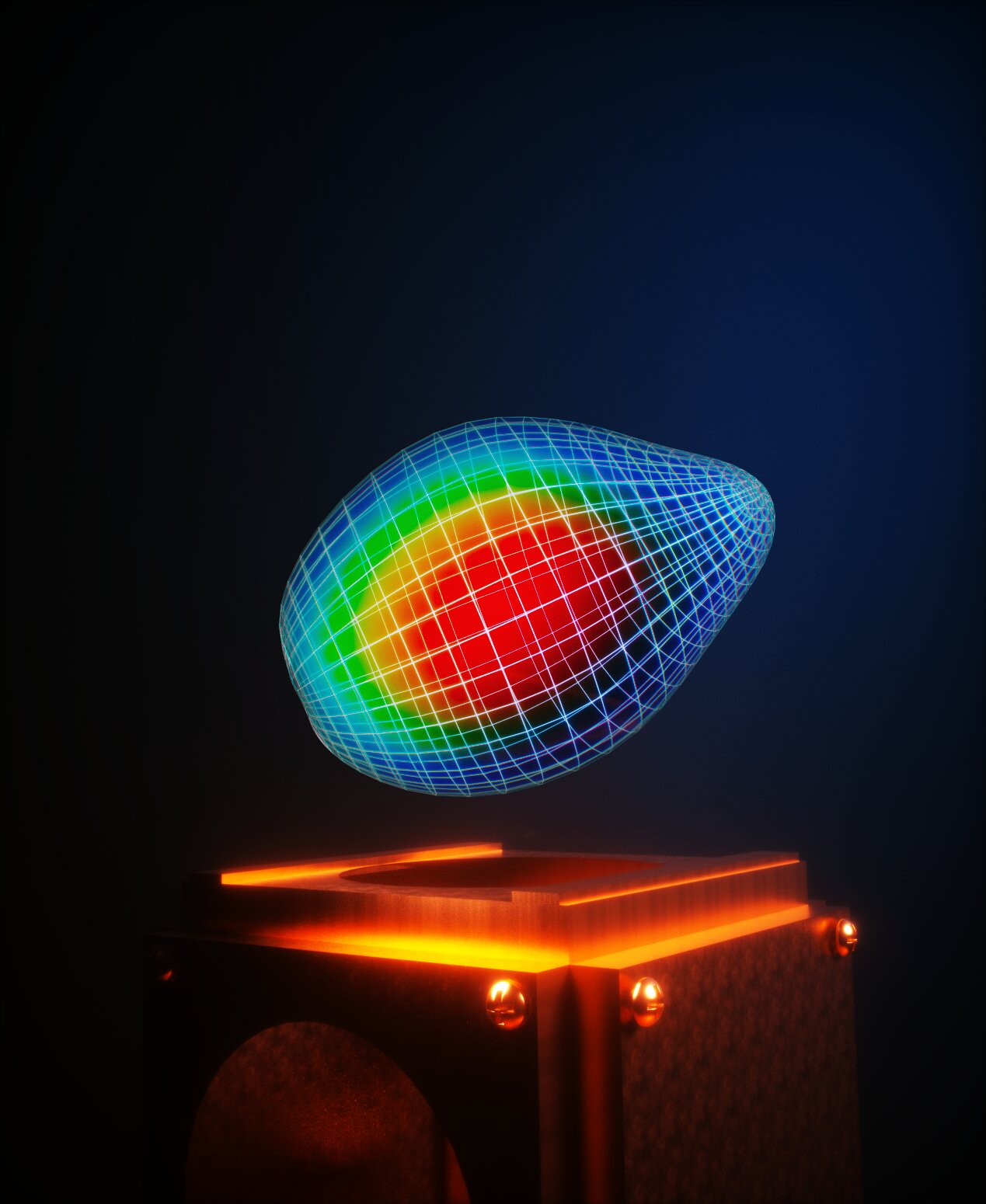
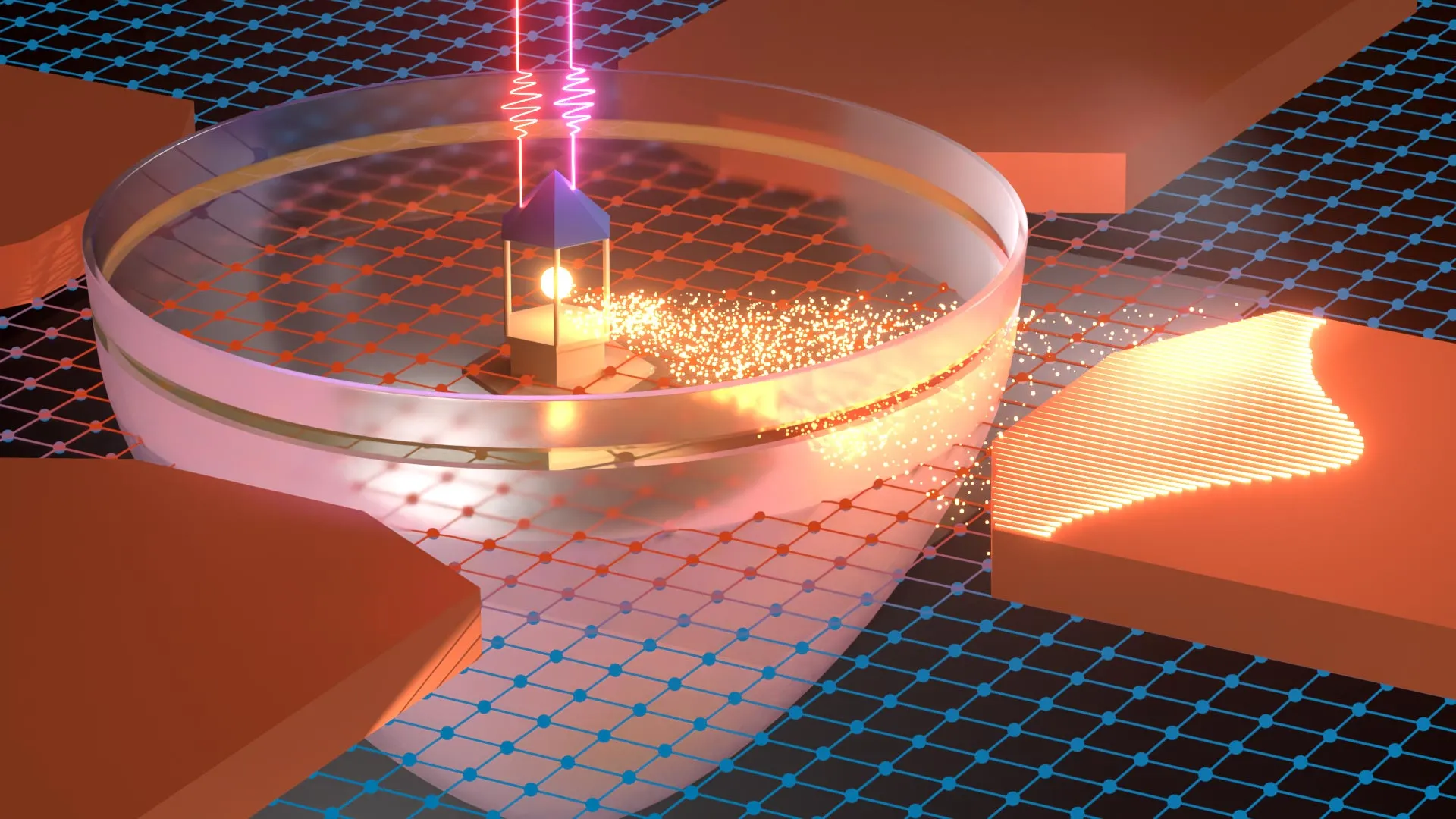
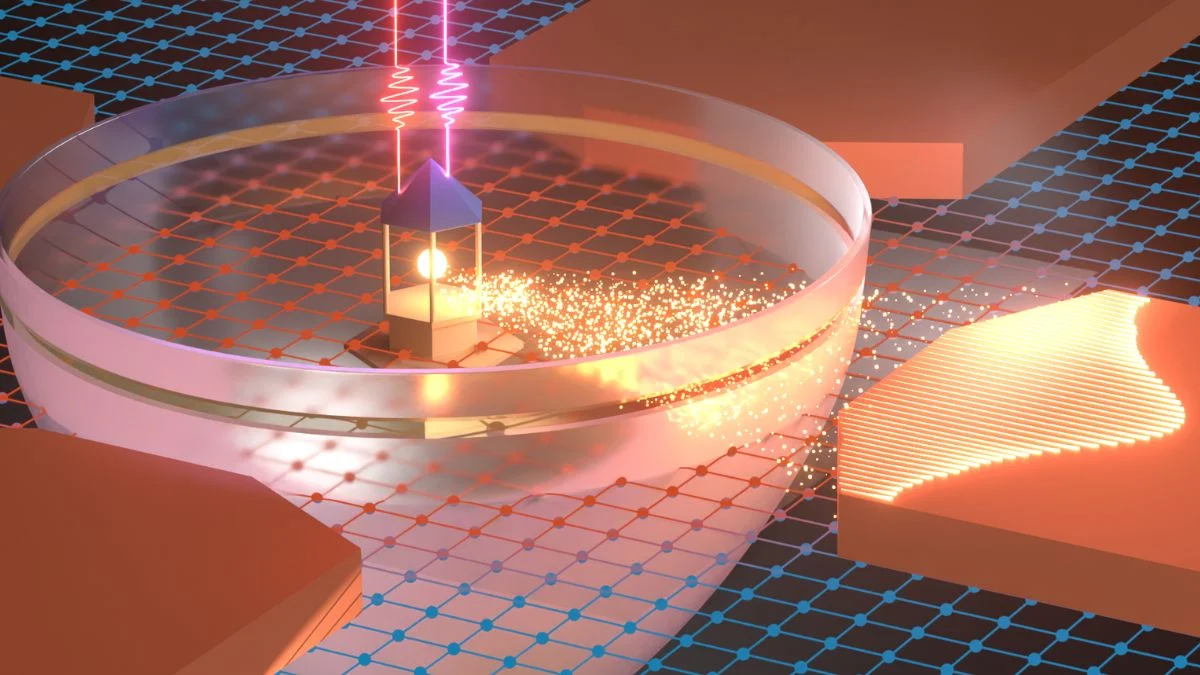
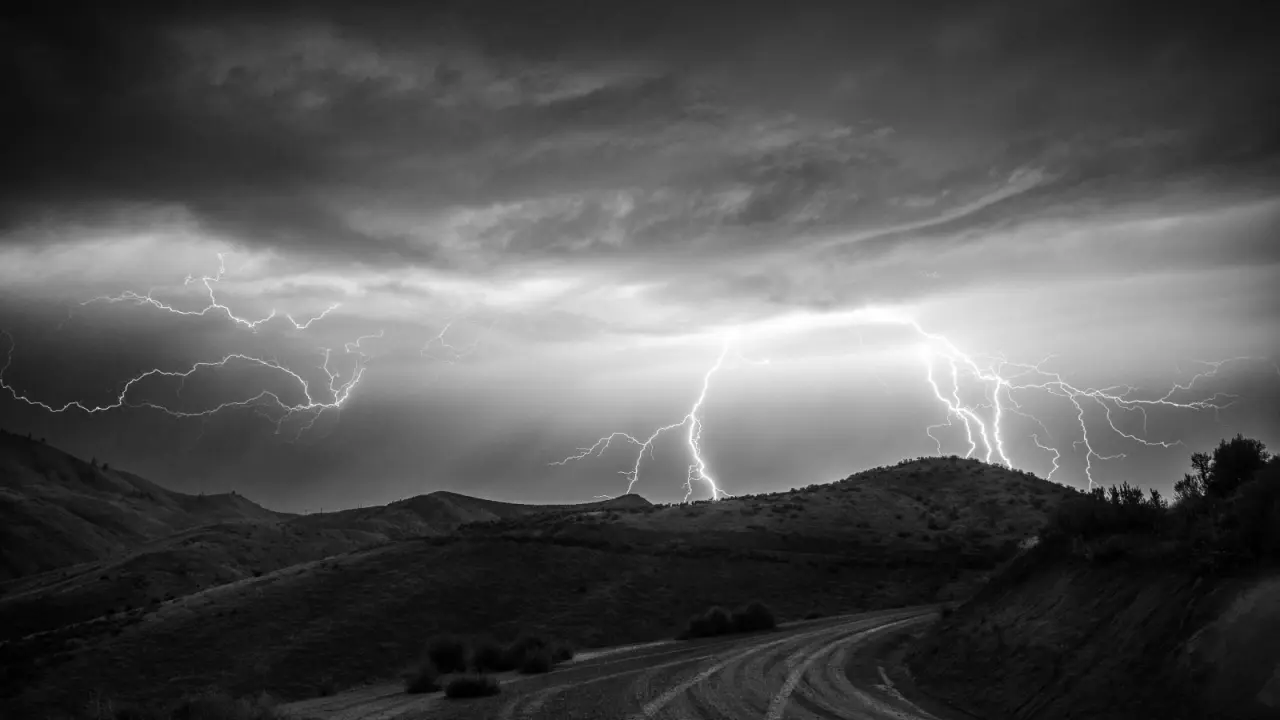
Researchers at the Institute of Science and Technology Austria (ISTA) have developed a new way to trap, hold and electrically charge a single aerosol particle using two laser beams. The method gives scientists a closer look at how tiny airborne particles gain and lose electrical charge, which could help explain how clouds become electrically charged and how lightning may begin.
Aerosols are tiny liquid or solid particles floating in the air. They are all around us, from visible pollen in spring to microscopic particles such as viruses. Some, like sea salt, can even be breathed in near the coast. These particles are also important for clouds because they provide surfaces on which water vapor can collect, making them an important part of weather and climate.
PhD student Andrea Stöllner, who is part of the Waitukaitis and Muller research groups at ISTA, studies ice crystals inside clouds. Since real cloud particles are difficult to study directly, she uses transparent silica particles as model aerosols in the lab. Although these particles are much smaller than natural ice crystals, they allow researchers to study how cloud particles build up and exchange electrical charge.