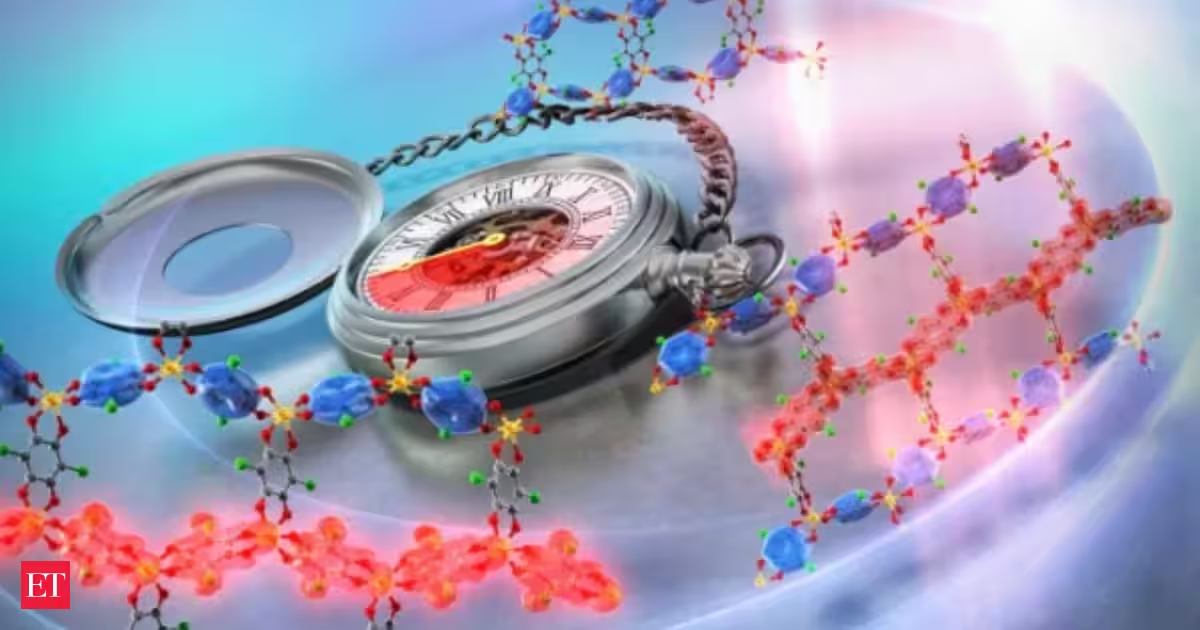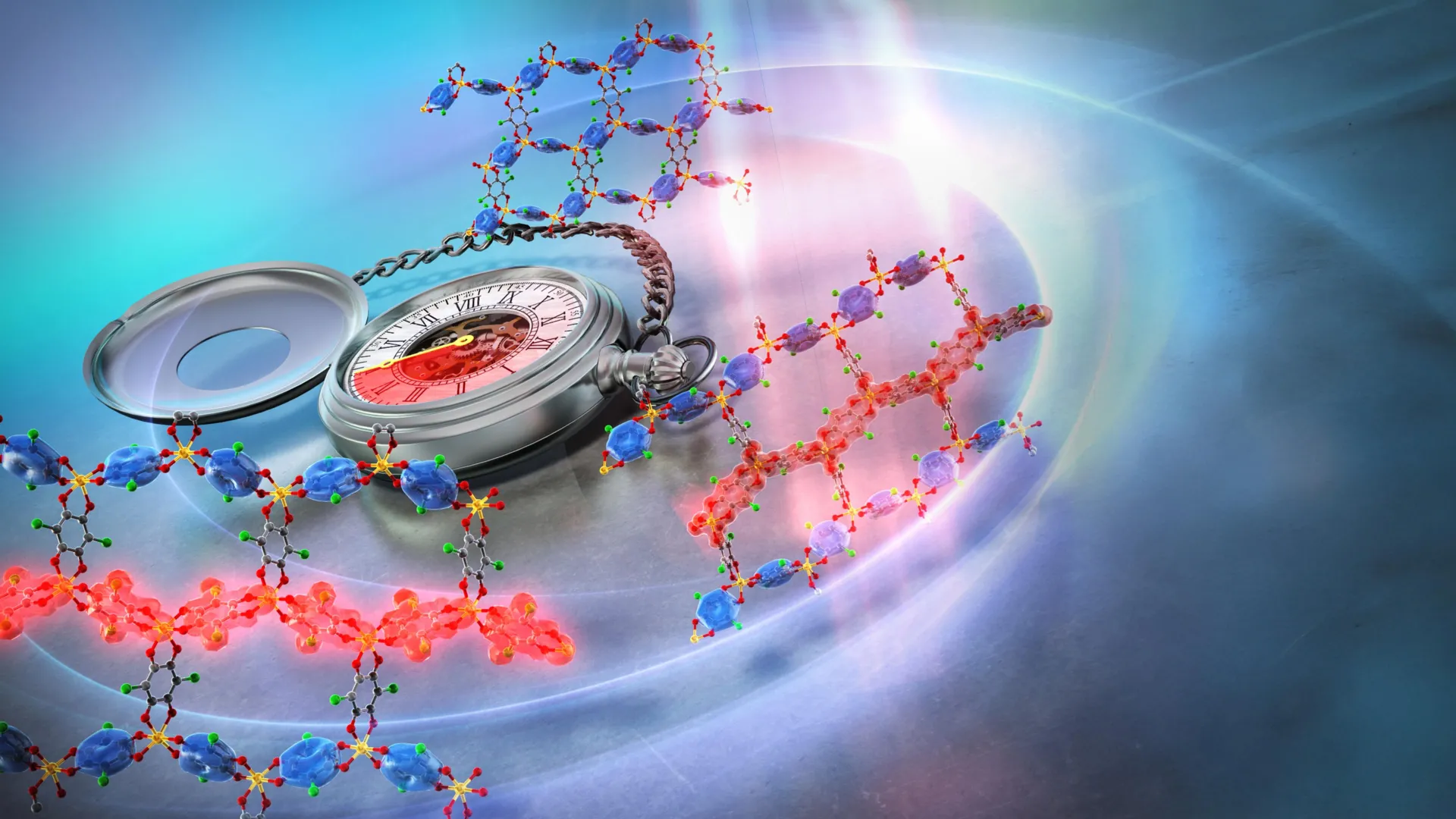
Researchers in Japan have captured an extraordinarily fast electronic transformation inside a metal-organic framework, observing a fleeting state and the hidden state that followed within just 30 femtoseconds. The team from Science Tokyo, Tohoku University, and Nagoya Institute of Technology combined ultrafast laser spectroscopy with theoretical calculations to uncover a previously unknown intermediate electronic state that helps drive the transformation. The discovery offers new clues about how light could eventually be used to rapidly control the properties of advanced materials.
Materials can behave in unexpected ways after absorbing light. In some cases, light pushes them into photoinduced states with properties that are very different from those they display under ordinary conditions. These states give researchers another way to alter material behavior beyond conventional approaches such as heating or cooling. Learning exactly how they form could be important for developing future photoresponsive materials and advanced optical technologies.
Capturing a Transformation in Femtoseconds
One of the biggest challenges is speed. The first steps in forming a photoinduced state can unfold on the femtosecond (fs) timescale (a millionth of a billionth of a second), making them exceptionally difficult to observe.