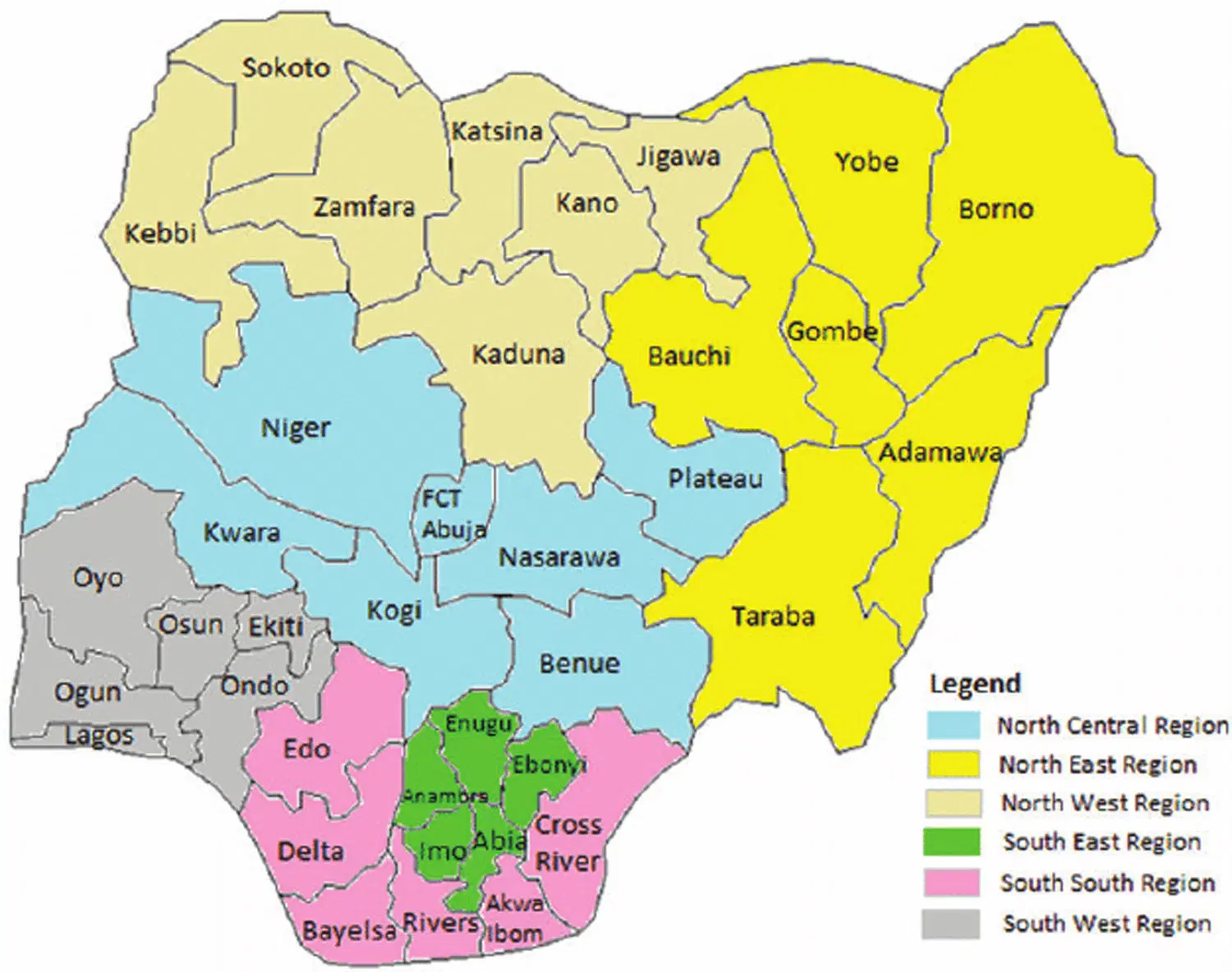
If this process of systematic assimilation and integration of Nigerians from plural backgrounds into geo-economic zones becomes entrenched, the long term implication is that the Nigerian federation would have undergone a process of organic restructuring. The commercial cities of Aba and Onitsha will no longer be enclaves of Igbo traders but those of Nigerian entrepreneurs. Cattle breeding will no longer be Fulani but Nigerian…
The unity, social cohesion and structural stability of the Nigerian federation are conditions precedent for its economic growth and development. There has to be a Nigerian nation before any form of progress can be achieved. Currently, Nigeria is a country of a collection of micro ethno-geographic nationalities whose localised interests are placed above that of the broad collective. The Nigerian populace are also more of “indigenes” of these micro-ethnic nationalities than “citizens” of Nigeria.
It has been argued that the diversity of the Nigerian people, which was compounded by the colonial experiment of forging a modern nation out of a critical mass of uncommon history, tradition and culture of diverse indigenous peoples, is remotely responsible for our disunity as a nation. This notion of Nigeria being an amalgam of cultural incompatibles that has become an entrenched narrative that justifies our disunity is a fallacy that is not supported by any shred of historical evidence, and it actually goes contrary to the logic of common sense.