Nigeria speaks federalism fluently but practises it reluctantly. We know the catchphrases: ‘true federalism’, ‘restructuring’, and ‘devolution’. It surfaces when insecurity hits, when the grid trips, when federal agencies grow too distant to matter but too powerful to ignore. Yet when federalism needs institutional meaning, Nigeria’s ruling elite in Abuja, regardless of political affiliation, push back subtly but firmly: distrusting states, treating devolution as indulgence, and speaking coordination while drafting commands.
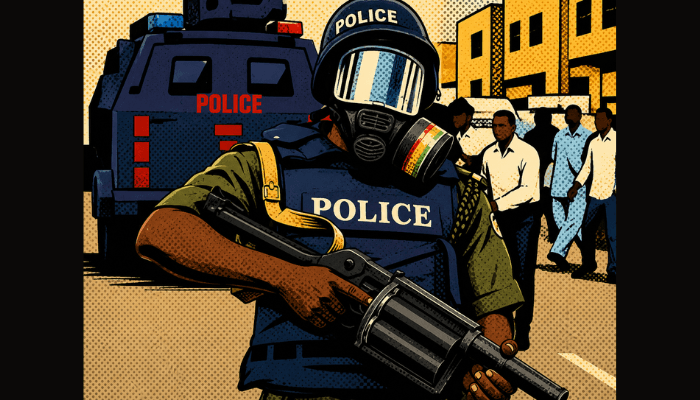
This is a constitutional pathology inherited from military rule’s unitarism and advanced through bureaucratic self-interest. Both the 1979 and 1999 constitutions assign legislative powers to the states. Beneath this design, however, sits a stubborn reflex that demands that anything important must be supervised from the centre. Yet, when Nigeria confronts national failure, it is usually because the central government overreached and underperformed, but, paradoxically, the usual response is to give it more power.
“But since 1979 the federal government has not demonstrated superior capacity. It has misused police power, failed to secure citizens, and presided over an electricity sector that cannot deliver reliability, access or revenue.”