Nigeria, the country of our collective heritage, is again at a point of inflection. This is a reality that viciously confronts this federation of six geo-political zones, 36 states and 774 local government areas with a population of 242.46 million. We all have the duty to confront this reality with facts and not fictions, courage and not trepidation, clarity of purpose and not mere scepticism.
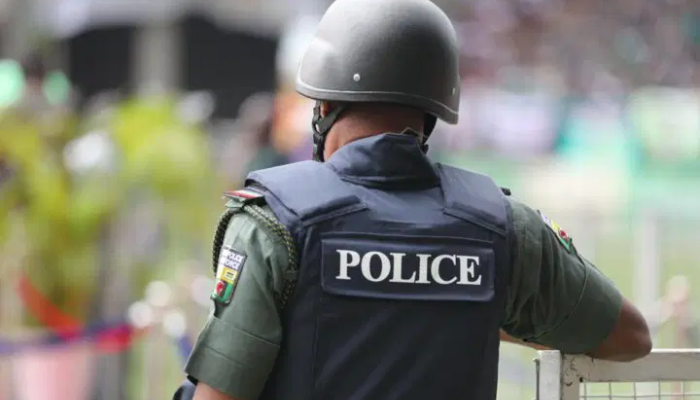
At this point, we are confronted with two fundamental choices. The first deals with the choice of retaining the country’s heavily centralised police structure that can no longer respond decisively to the starkest realities of our federation. This does not suggest that the Nigeria Police has not discharged its core mandates well before now. But it is because the new security environment demands an entirely new approach given our population size and the emerging threats. It is also because the present police structure often limits the ability of subnational authorities to respond effectively and promptly to security challenges within their jurisdictions.
The second lies with the choice of embracing a decentralised police structure that promotes and simplifies command and control, response and reconnaissance, deployment and synergy in the way we henceforth protect and secure lives, private assets and public installations. One vital question remains: Do we continue with the current police structure? No, we cannot continue with it considering the scale of internal challenges that now threatens our vital, strategic and even peripheral interests more than any time in our recent history.