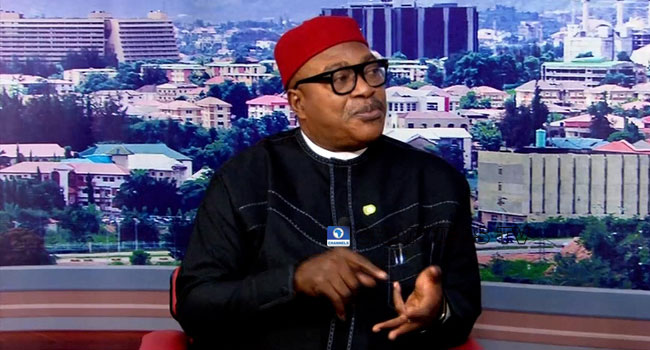
OBIAGELI “OBY” EZEKWESILI argues for a comprehensive restructuring of the Federation
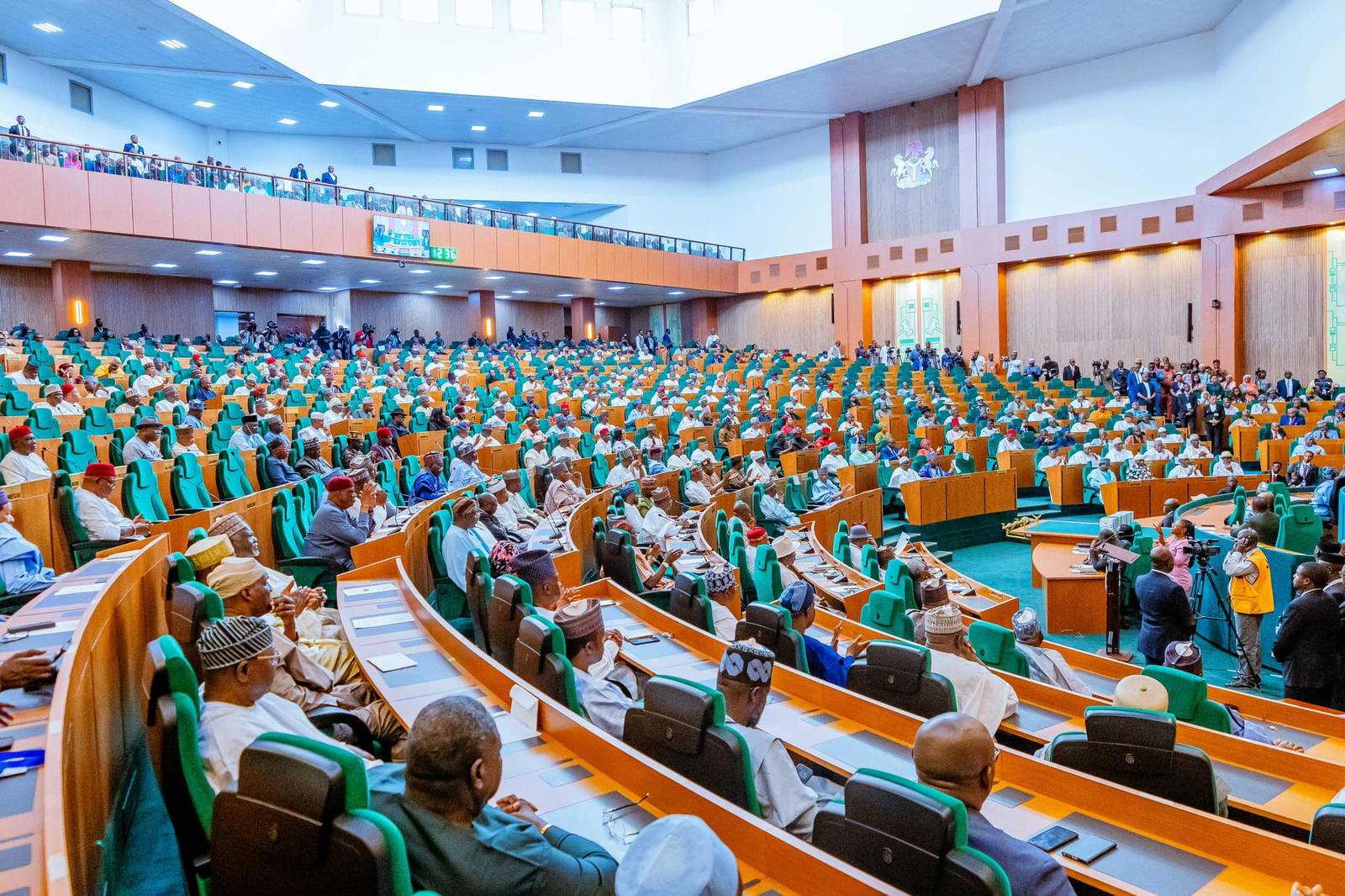
The Tinubu administration’s renewed push for State Police has reopened one of the most consequential public policy debates in Nigeria’s democratic history. The proposal has gained momentum because it speaks directly to a painful reality confronting millions of Nigerians. The country’s security architecture is failing. Terrorism, banditry, kidnapping, violent extremism, communal conflicts and organised criminality have overwhelmed the capacity of a centrally controlled police force to secure lives and property across a country of more than 230 million people. For many citizens, therefore, State Police appears to be an obvious and long overdue solution.
The attraction of the proposal is understandable. Recent Afrobarometer findings show that 79 percent of Nigerians consider kidnapping and abduction a serious national problem; 33 percent personally know someone who has been kidnapped within the last five years; and 63 percent say they or a family member felt unsafe in their home or neighbourhood during the previous year. These are not merely security statistics. They are indicators of a profound crisis of state effectiveness and citizen confidence.