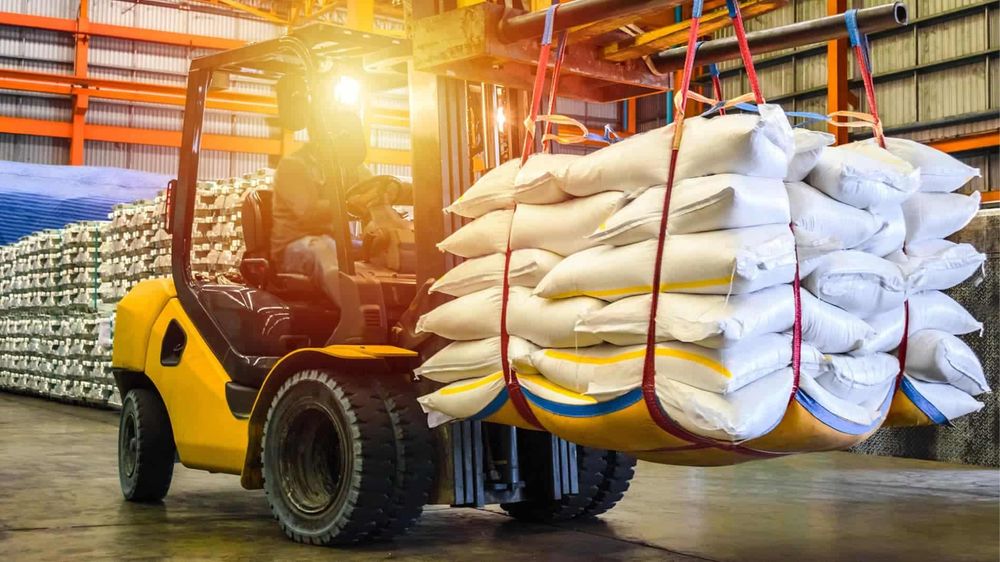
For many years, Nigeria has relied heavily on crude oil exports while importing many of the finished products it consumes, leaving much of the value creation, jobs and industrial opportunities to other countries. But as global supply chains are being reshaped by geopolitical tensions, the implementation of the African Continental Free Trade Area (AfCFTA) and growing demand for value-added products, Africa’s largest economy stands at a critical turning point. In this exclusive interview with Eromosele Abiodun, the Group Chief Economist of Afreximbank, Dr. Yemi Kale, argues that Nigeria has the scale, resources and entrepreneurial capacity to emerge as one of Africa’s leading manufacturing and export hubs—provided it accelerates reforms, invests in industrial infrastructure and strengthens trade finance. He also speaks on the continent’s widening trade finance gap, the transformative potential of the Pan-African Payment and Settlement System (PAPSS), the China Plus One opportunity, and why the next decade could redefine Africa’s role in global trade if governments choose production over commodity dependence. Excerpts
Nigeria remains heavily dependent on crude oil exports, yet the African Trade Report 2025, argues that Africa must move away from exporting raw commodities. How would you assess Nigeria’s progress in building value-added industries around oil, gas, agriculture, and minerals?