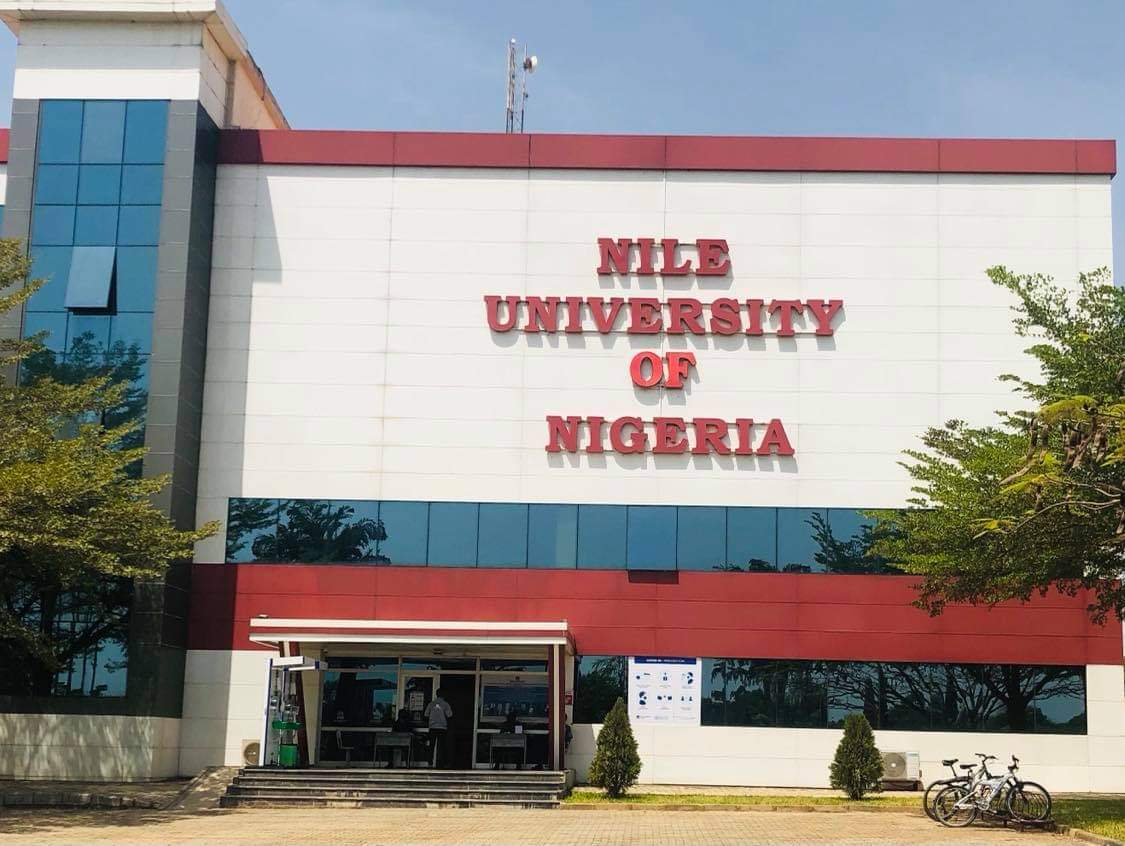
The African geoeconomic landscape is undergoing a period of profound structural transformation, characterised by intensifying great-power competition, shifting geopolitical alignments, and the increasing fusion of economic statecraft with national security. This new era presents both significant challenges and unprecedented opportunities for the African continent. Thus, the increasingly sophisticated intellectual and policy landscape requires a thorough understanding of how to navigate the inextricably linked economics and geopolitics, and to pursue proactive nation-building grounded in robust data and evidence-based strategies. As Africa faces a simultaneous contraction in global humanitarian aid, rising exposure to conflict, growing debt distress, and the World Bank’s Africa’s 4.3 per cent projected Gross Domestic Product (GDP) growth in 2026, the African Finance and Economics Association (AFEA) collaborates with the Nile University of Nigeria (NUN) to organise the 3rd Annual Conference of the African Finance and Economics Association (AFEA), themed “Africa’s Geoeconomic Development Agenda in a Global Realignment Era,” convened from 3 to 5 July at the Nile University of Nigeria (NUN). The AFEA-NUN conference provides an actionable, policy-oriented platform for this discourse, bringing together scholars, researchers, policymakers, technocrats, and practitioners to discuss critical socioeconomic development, finance, trade, industrial, and agrifood policies and their implications for Africa’s evolving economic relations. Table 1.0 presents the opportunities, risks, and strategic recommendations for driving selected investment themes in Africa.
Africa, socioeconomics and investment risks in a geoeconomic realignment context
In fact, the Nigerian and African agricultural and agro-processing sectors represent massive, untapped potential.
770 words~4 min read