This article was produced with the support of S-RM
The conventional view of Africa as a continent defined by investment risk has always been incomplete, and today it is looking increasingly outdated. While the world’s attention has been consumed by tensions in the Gulf, Ukraine, Taiwan, and by global trade wars, a quieter but significant shift is reshaping Africa’s economic position. Geopolitical fragmentation is transforming the continent into something resembling a seller’s market, not uniformly, and not without genuine difficulties, but in ways compelling to those willing to commit to its multifaceted markets and understand its nuances.
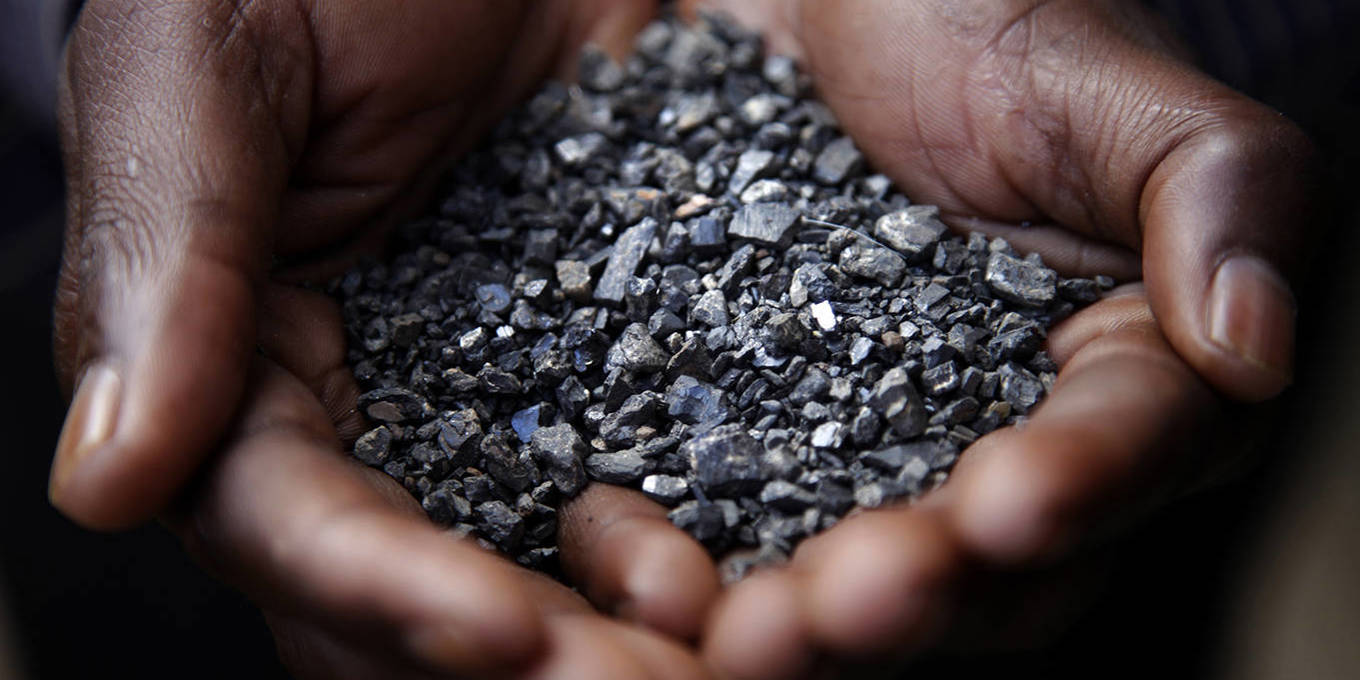
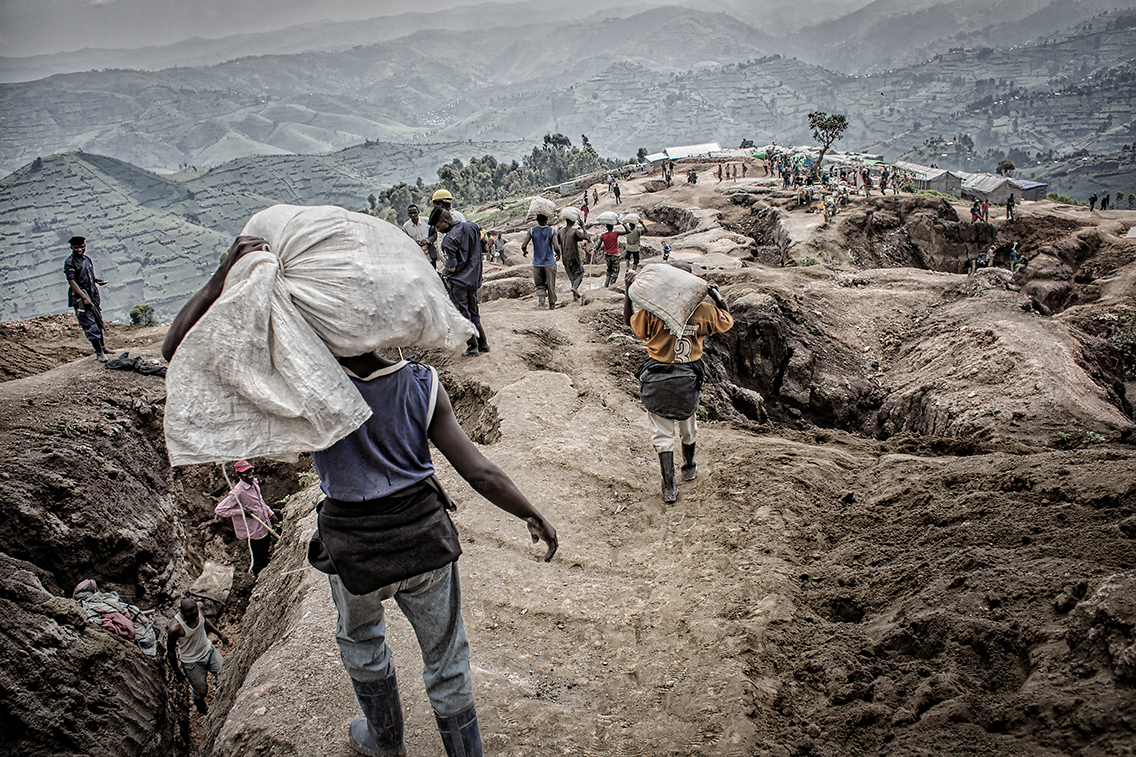
The continent accounts for roughly 3% of global trade and 4% of global foreign direct investment, yet it holds 30% of the world’s mineral reserves, has the world’s youngest and fastest-growing workforce, and sits at the intersection of competing great-power supply-chain strategies. That divergence is driving a reassessment of the continent’s strategic importance.
Africa’s emergence as a strategic negotiator
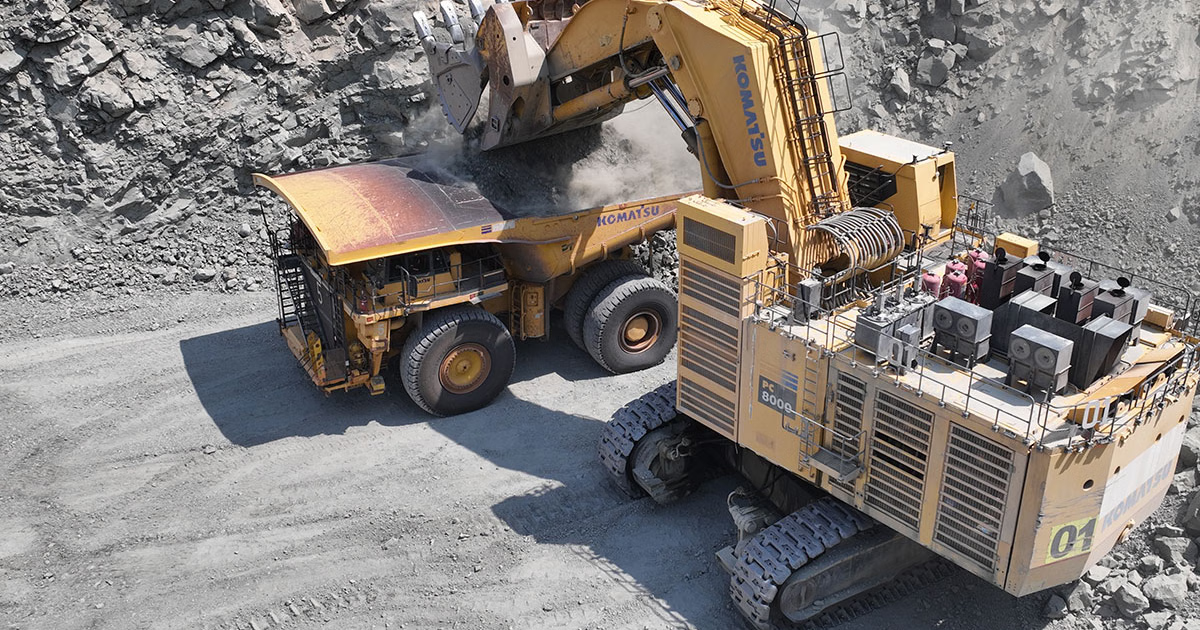
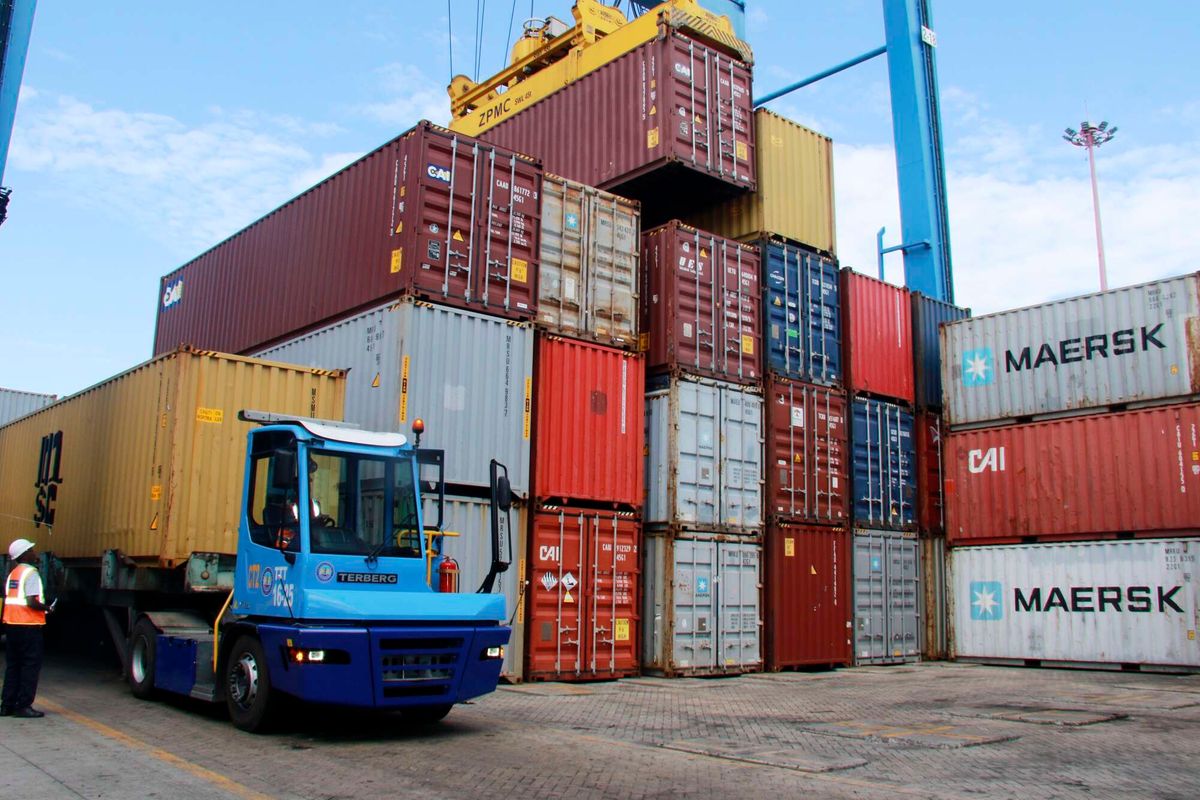
The conventional rules-based trade order is under sustained pressure. As great powers like the United States, China, Europe, and the Gulf compete for access to resources, markets, and geopolitical alignment, African governments find themselves in a stronger negotiating position than at any point in recent decades. China has invested roughly $500 billion in Africa since 2000, with a heavy focus on infrastructure and resource extraction, including nearly $15 billion into mining projects in the DRC alone. The United States has responded with its own strategic commitments, most notably to the Lobito and Liberty Corridors, linking mineral rich hinterlands to Angola and Liberia’s coasts, respectively. The EU is intending to mobilise up to $170 billion in infrastructure investment in Africa by 2027, of which transport corridor investment is a central pillar.