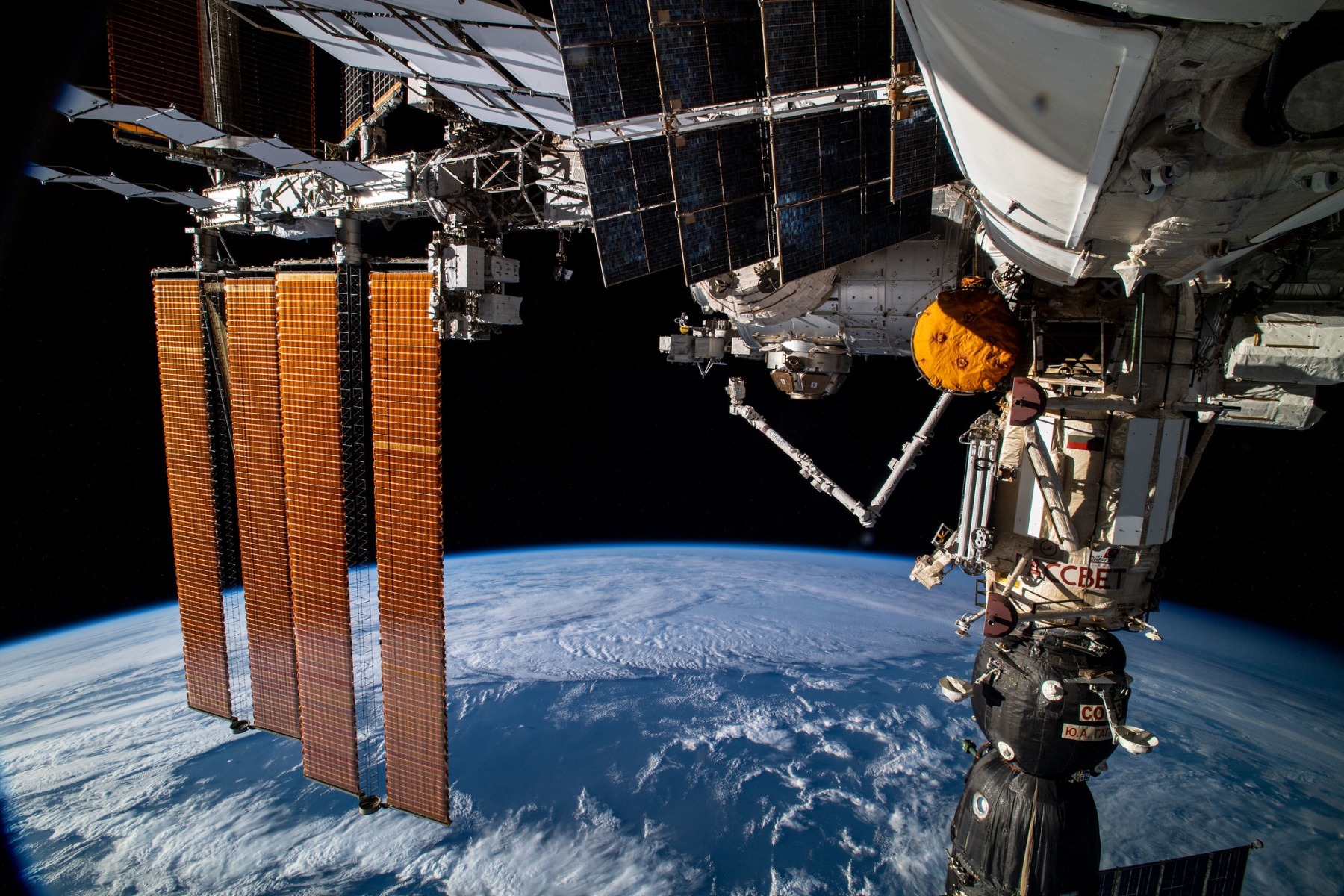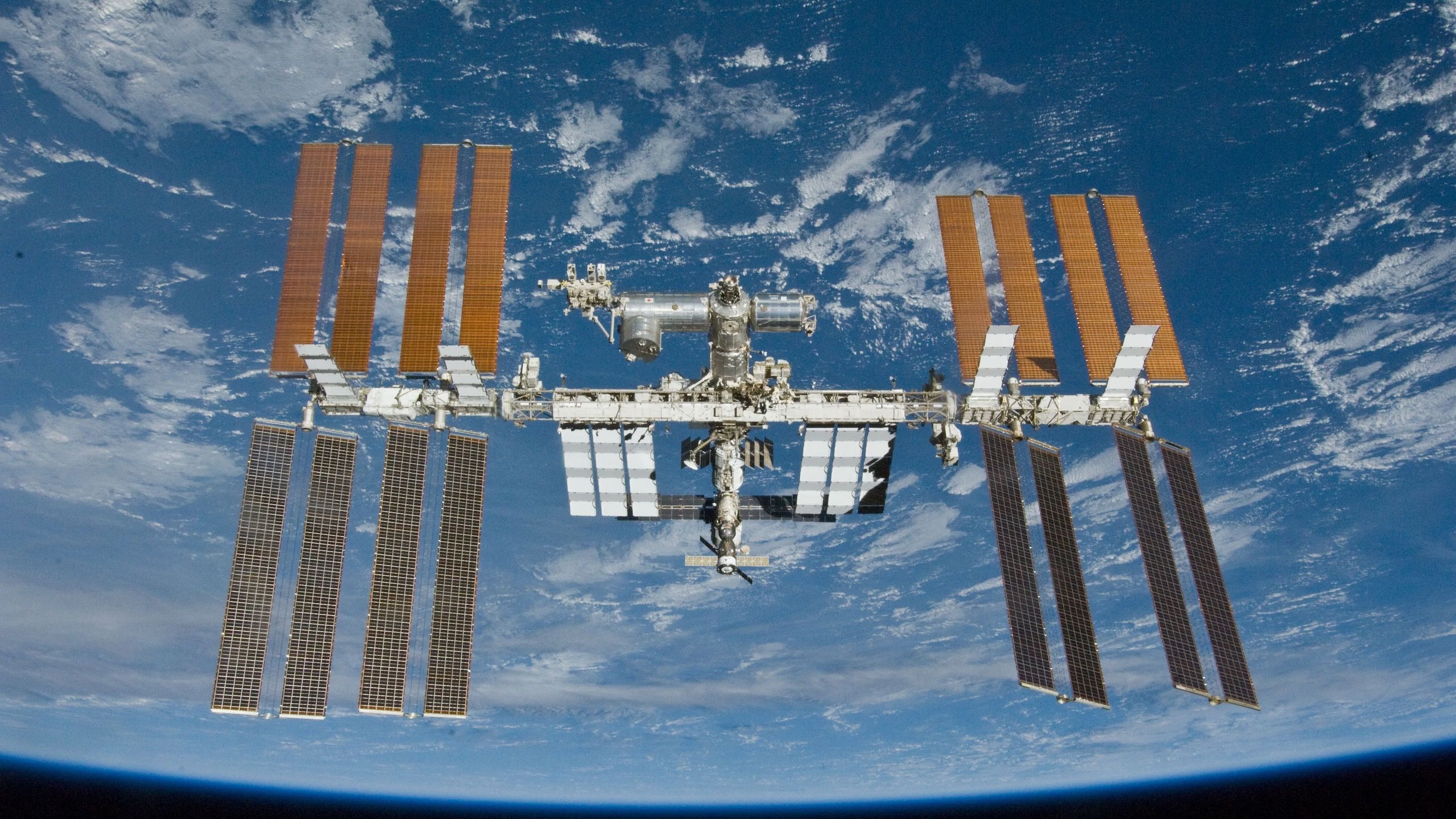
The International Space Station.
(Image credit: NASA)
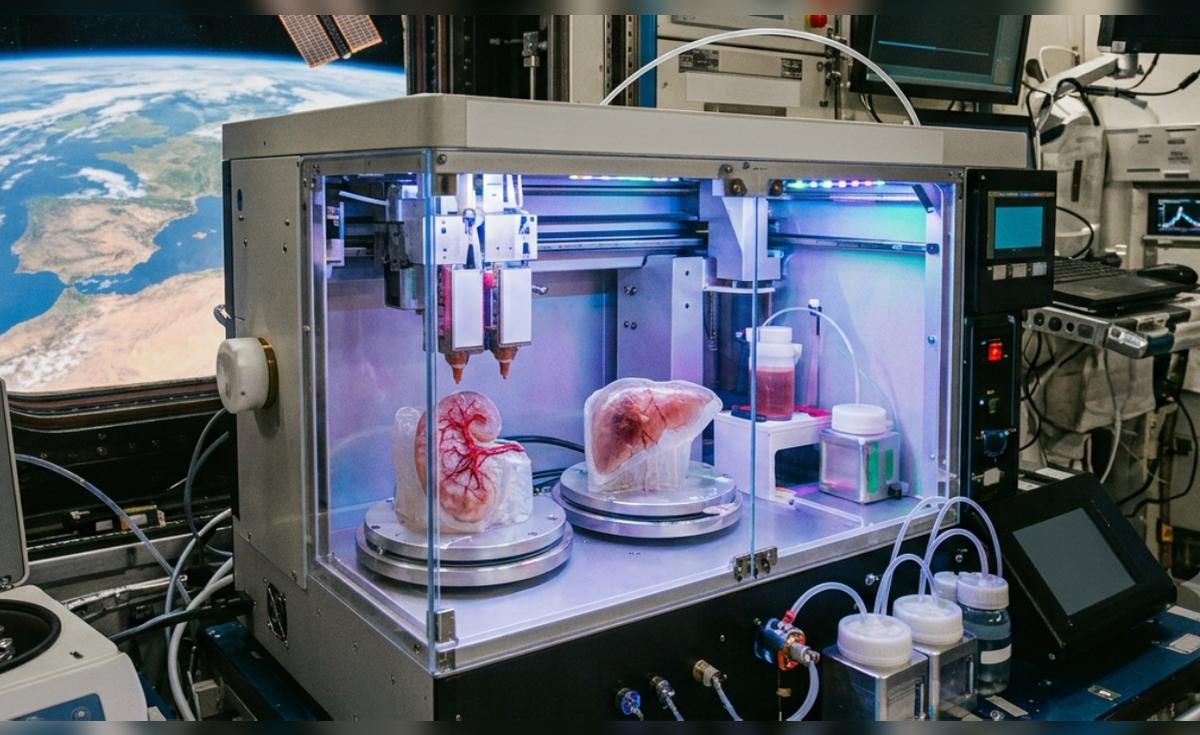
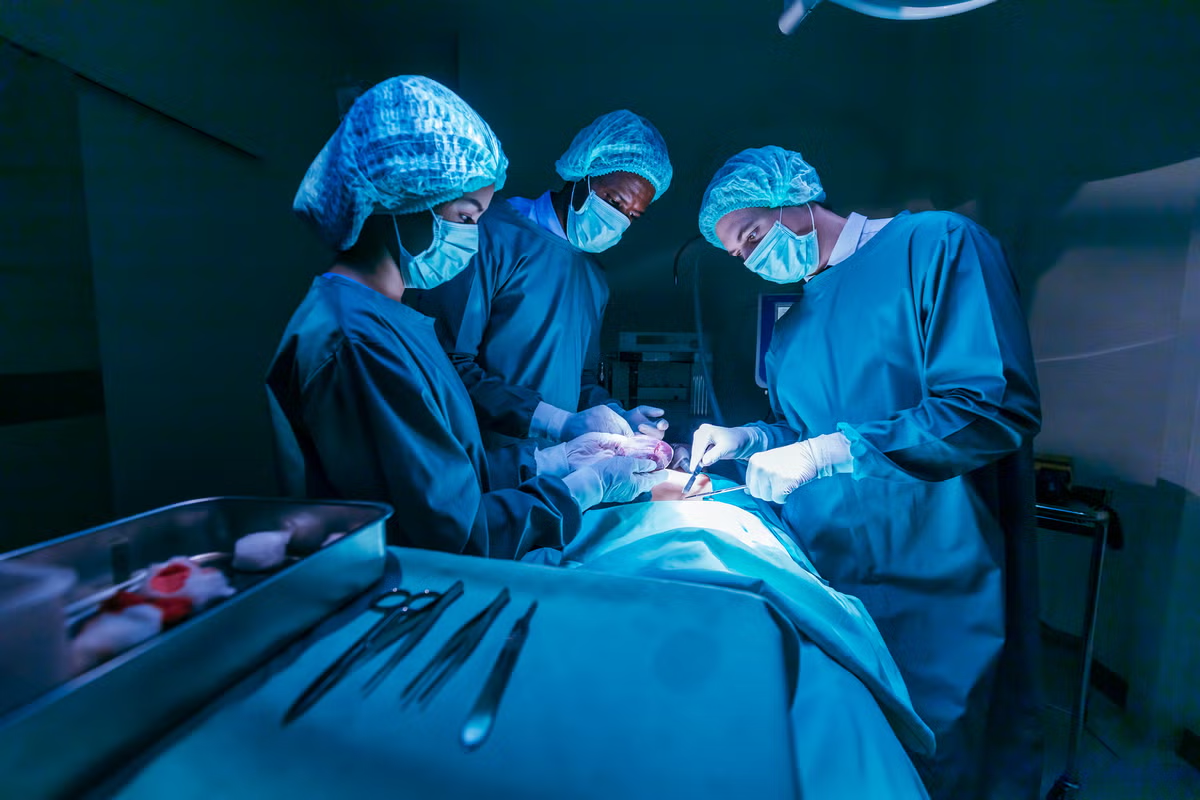
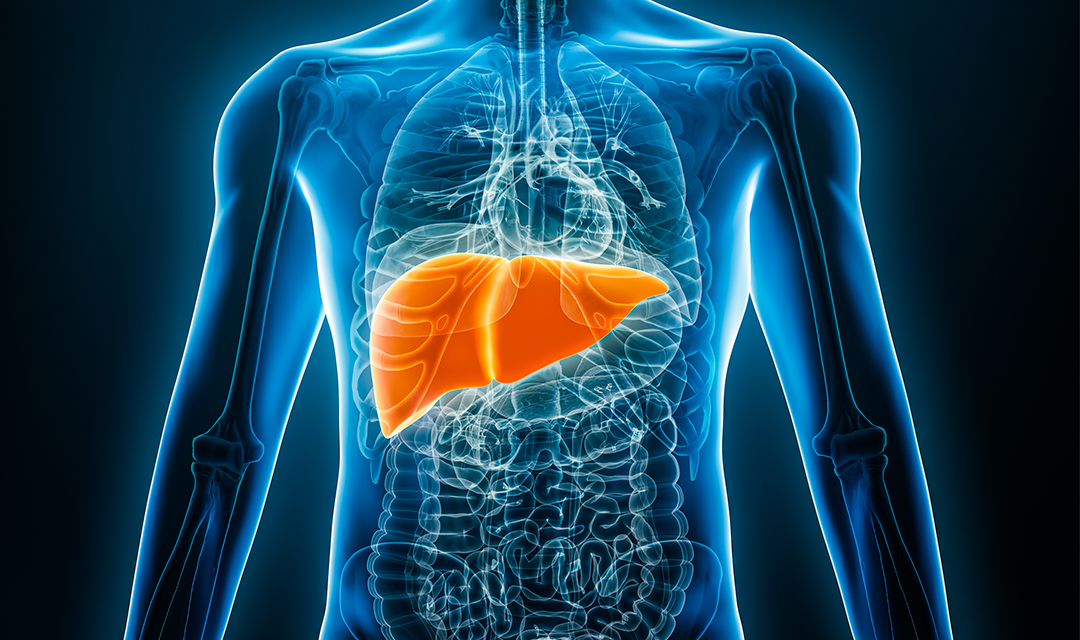
A company just produced kidney and liver tissue in space for the first time, using a method called bioprinting, which 3D-prints living tissue.The announcement comes from California-based Auxilium Biotechnologies, whose AMP-1 orbital bioprinter made the breakthrough. The bioprinter used cell and tissue designs from the Wake Forest Institute for Regenerative Medicine in North Carolina."The ability to manufacture multiple tissue types alongside clinically relevant medical products highlights both the versatility and scalability of our technology," Auxilium CEO Jacob Koffler said in a statement today (July 9).
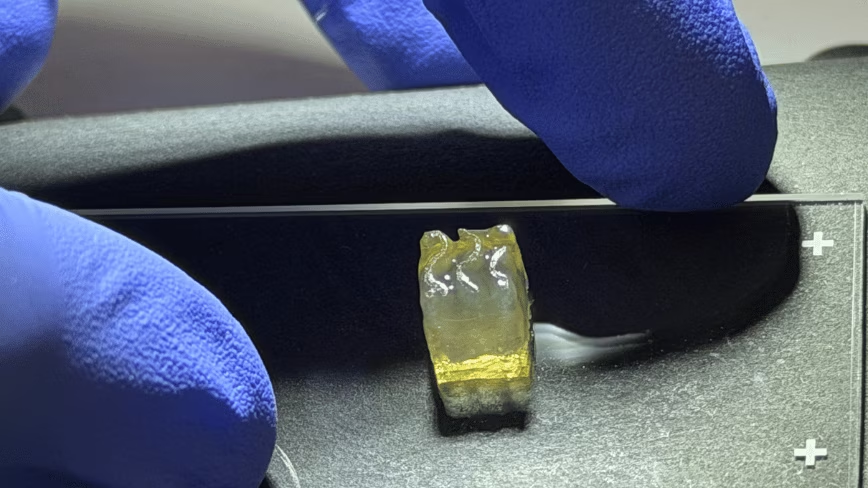
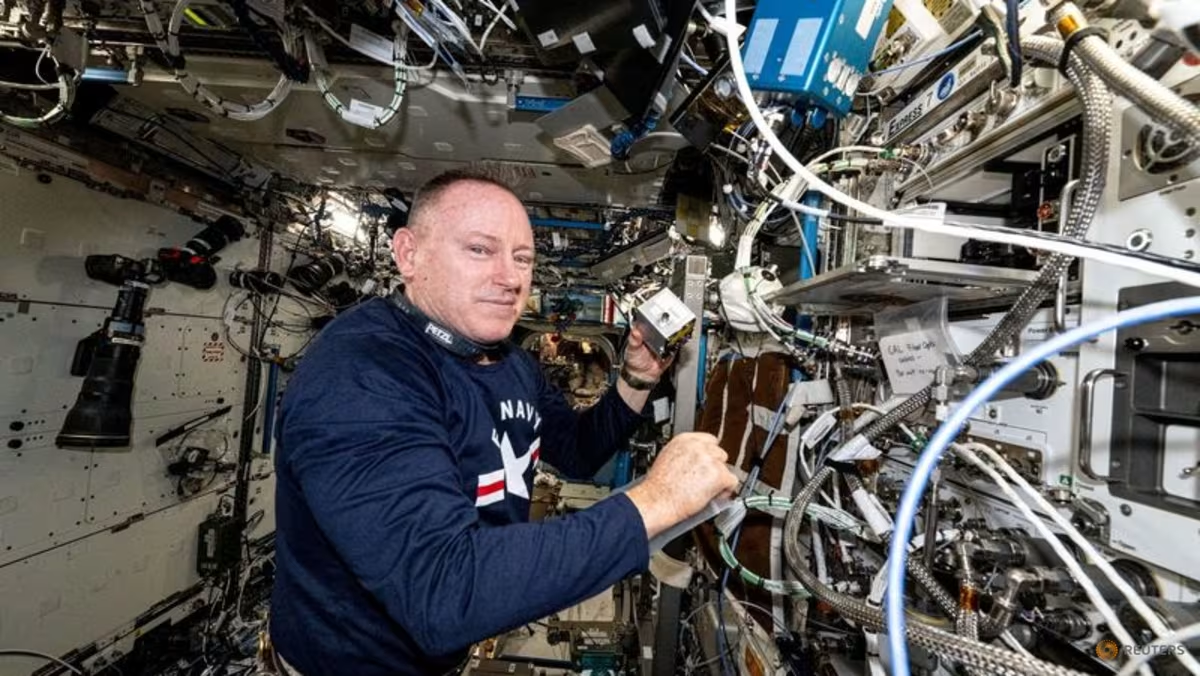
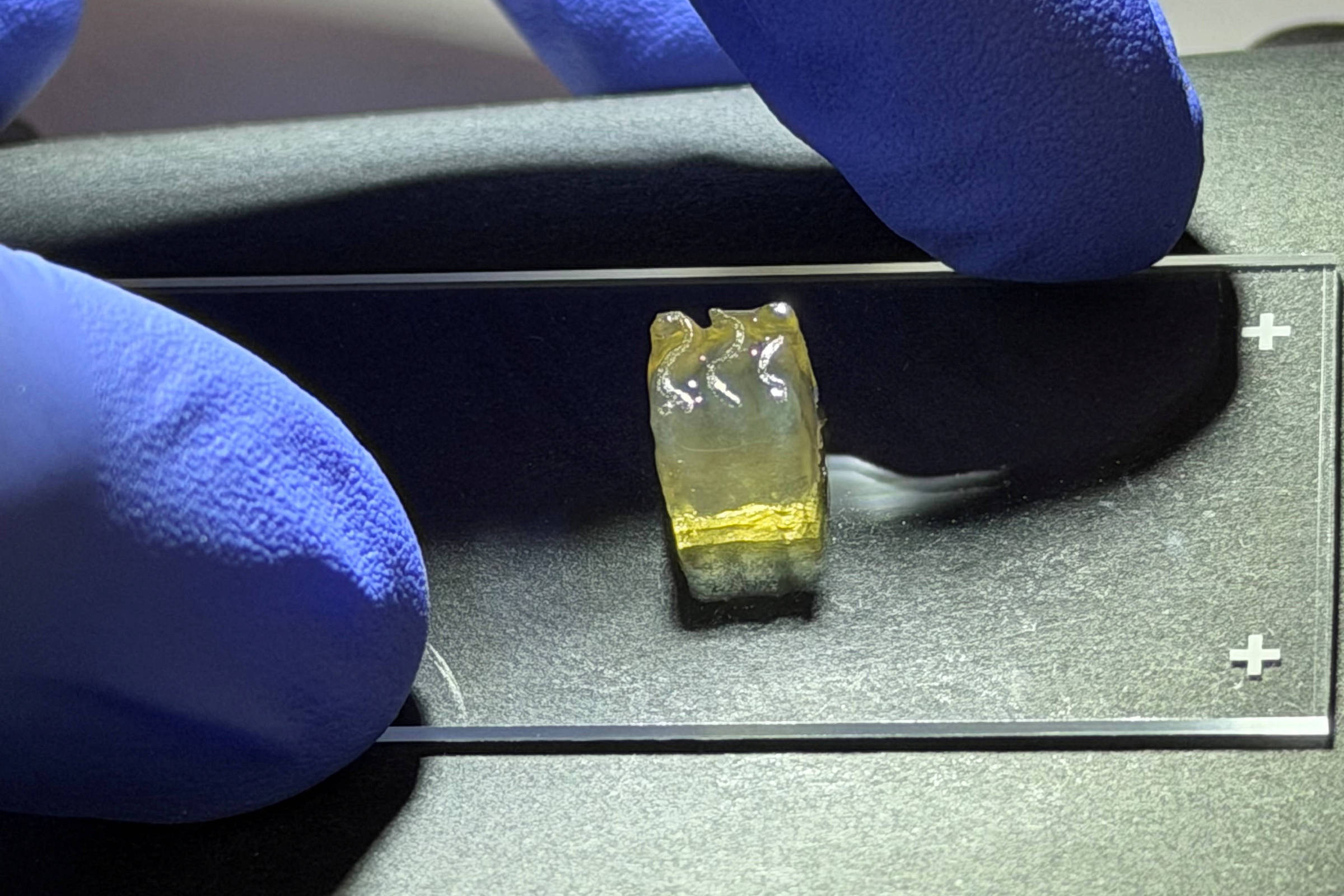
Auxilium Biotechnologies successfully bioprinted kidney and liver tissues aboard the International Space Station, marking the first time either tissue type has been manufactured in space. (Image credit: Auxilium Biotechnologies)The experiments took place aboard the International Space Station in June. In addition to bioprinting kidney, liver, and cartilage tissues, the AMP-1 machine also created 28 nerve repair implants. The bioprinted materials returned to Earth on a SpaceX Dragon cargo capsule that splashed down in the Pacific Ocean on June 17."Successfully bioprinting living liver and kidney tissue aboard the International Space Station marks an important step forward for regenerative medicine," WFIRM director Anthony Atala said in a statement today (July 9). "The uniform cell distribution achieved aboard the space station points to real possibilities for manufacturing medical devices and tissues in space."