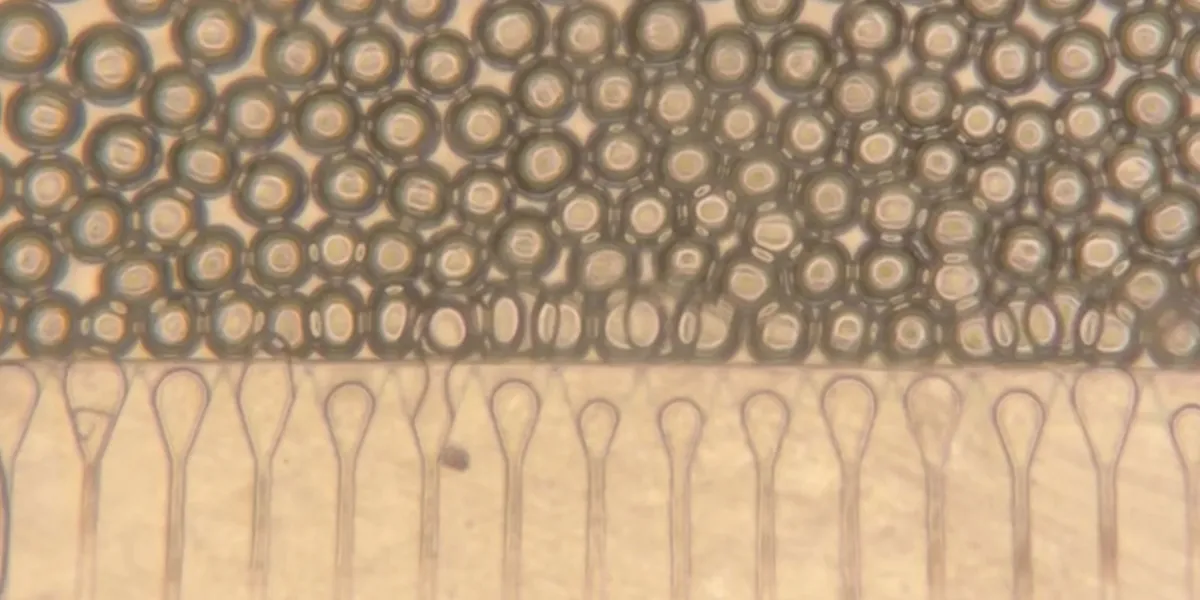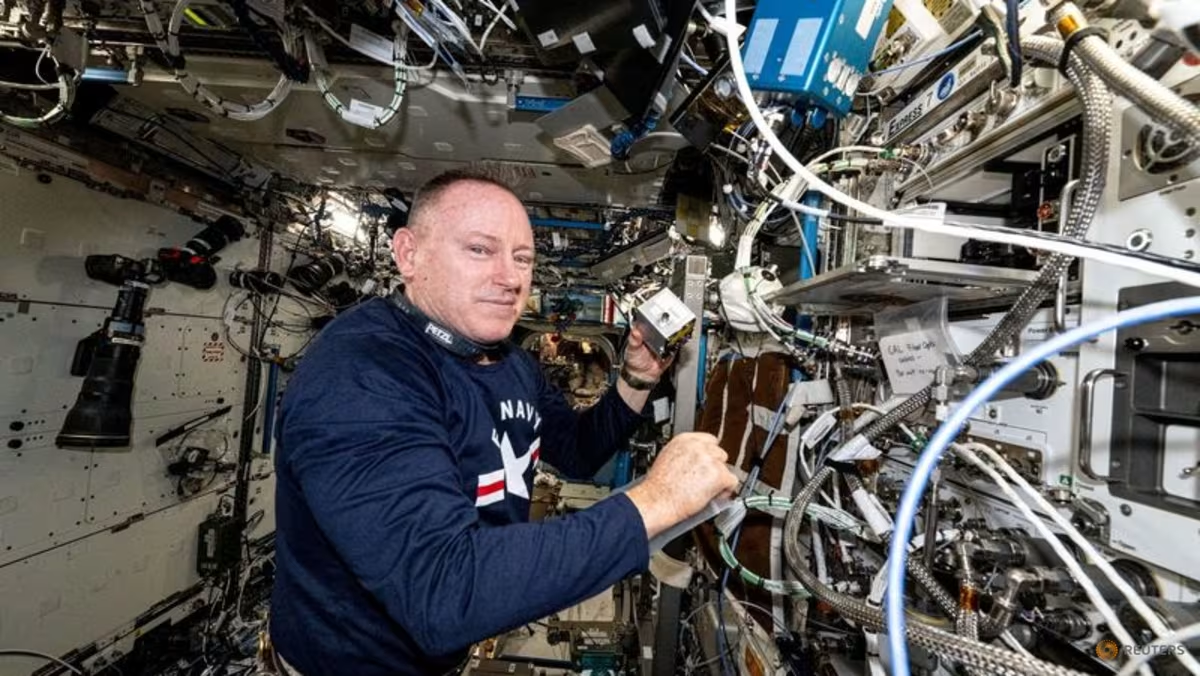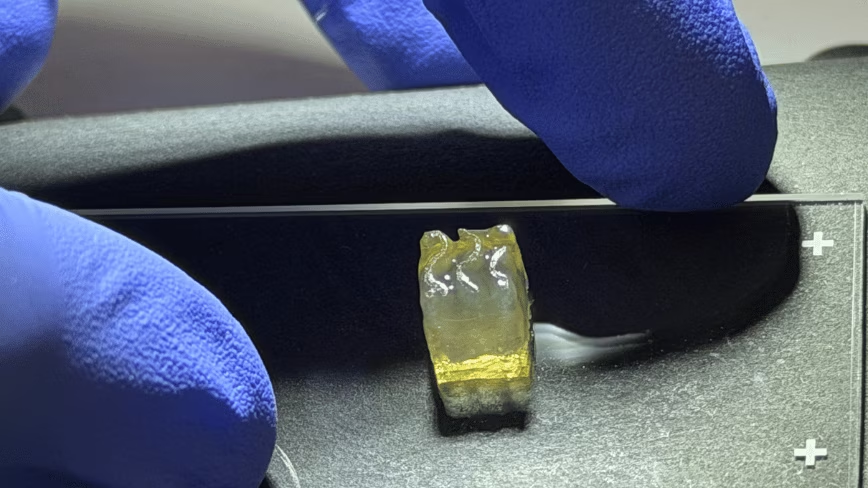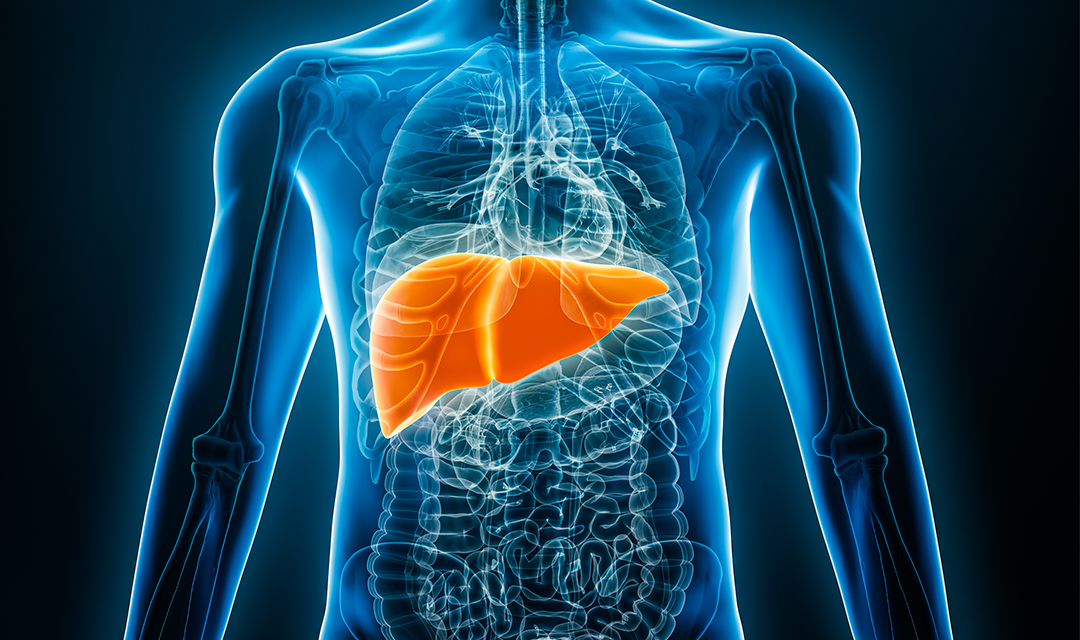
A Carnegie Mellon University-led team has secured an award of up to $28.5 million from the Advanced Research Projects Agency for Health (ARPA-H) to develop a functional, 3D bioprinted liver for patients with acute liver failure. The project, called LIVE, or Liver Immunocompetent Volumetric Engineering, aims to provide a temporary liver that supports regeneration of a patient’s own liver, reducing the need for full organ transplants. The project is under ARPA-H’s Personalized Regenerative Immunocompetent Nanotechnology Tissue (PRINT) program, which is led by ARPA-H Program Manager Ryan Spitler, Ph.D.
LIVE addresses a major public health challenge. Each year in the United States, about 100,000 organ transplants are performed, while another 100,000 people remain on transplant waiting lists. Millions more would benefit from organ replacement, but do not qualify for a transplant.
This innovation would fundamentally change healthcare as we know it.
Adam Feinberg, Professor, Biomedical Engineering, Materials Science and Engineering
“The goal is to create a piece of liver tissue that you can use as an alternative to transplant, specifically for acute liver failure,” said Adam Feinberg, professor of biomedical engineering at Carnegie Mellon and principal investigator. “The liver we are creating would last for about two to four weeks. It would give patients time for their own liver to regenerate, and then, they would not need a liver transplant, freeing up those livers for other patients. The liver is just the first application, with the plan to expand to the heart, pancreas, and other organs. This innovation would fundamentally change healthcare as we know it, because most people suffer at some point from end-stage organ failure.”