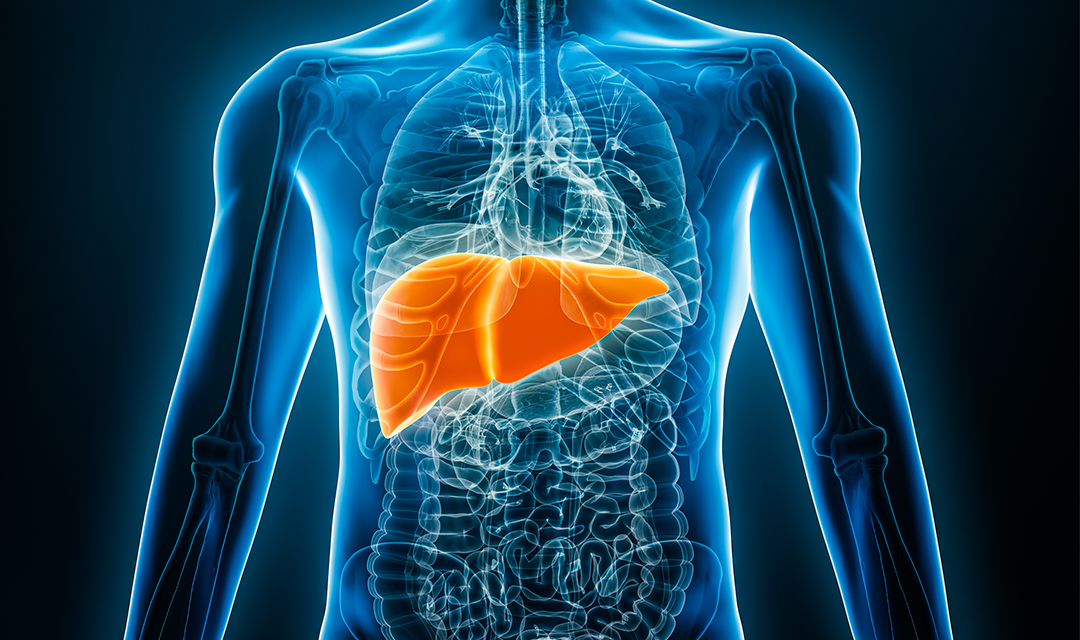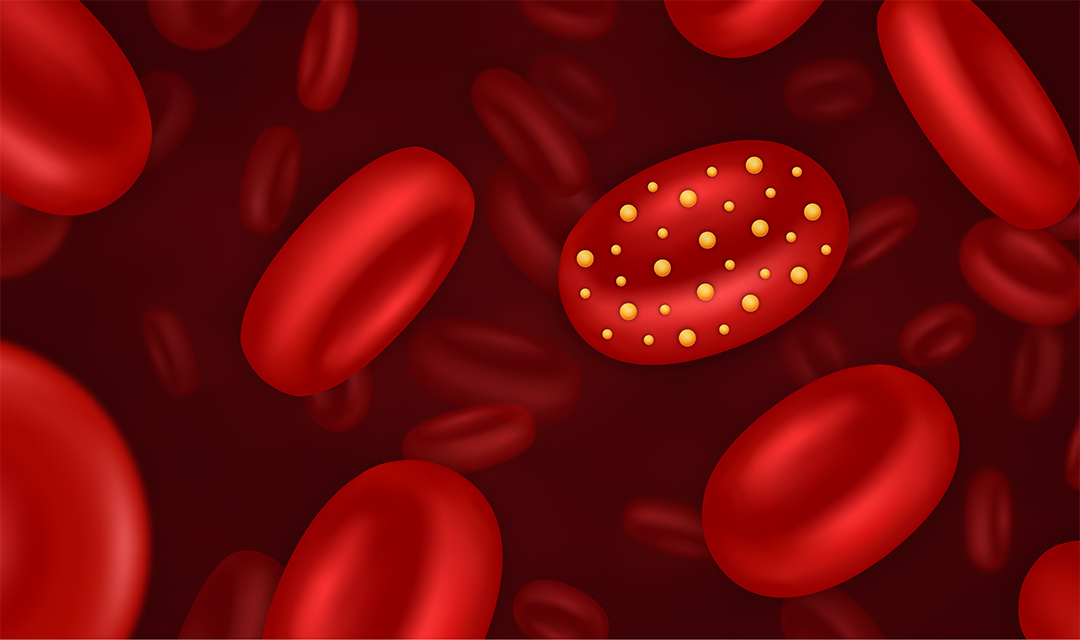
Abundant and persistent, red blood cells have a lifetime of about four months in the human body and travel to every organ and tissue. They could soon be leveraged to transport more than oxygen and carbon dioxide.
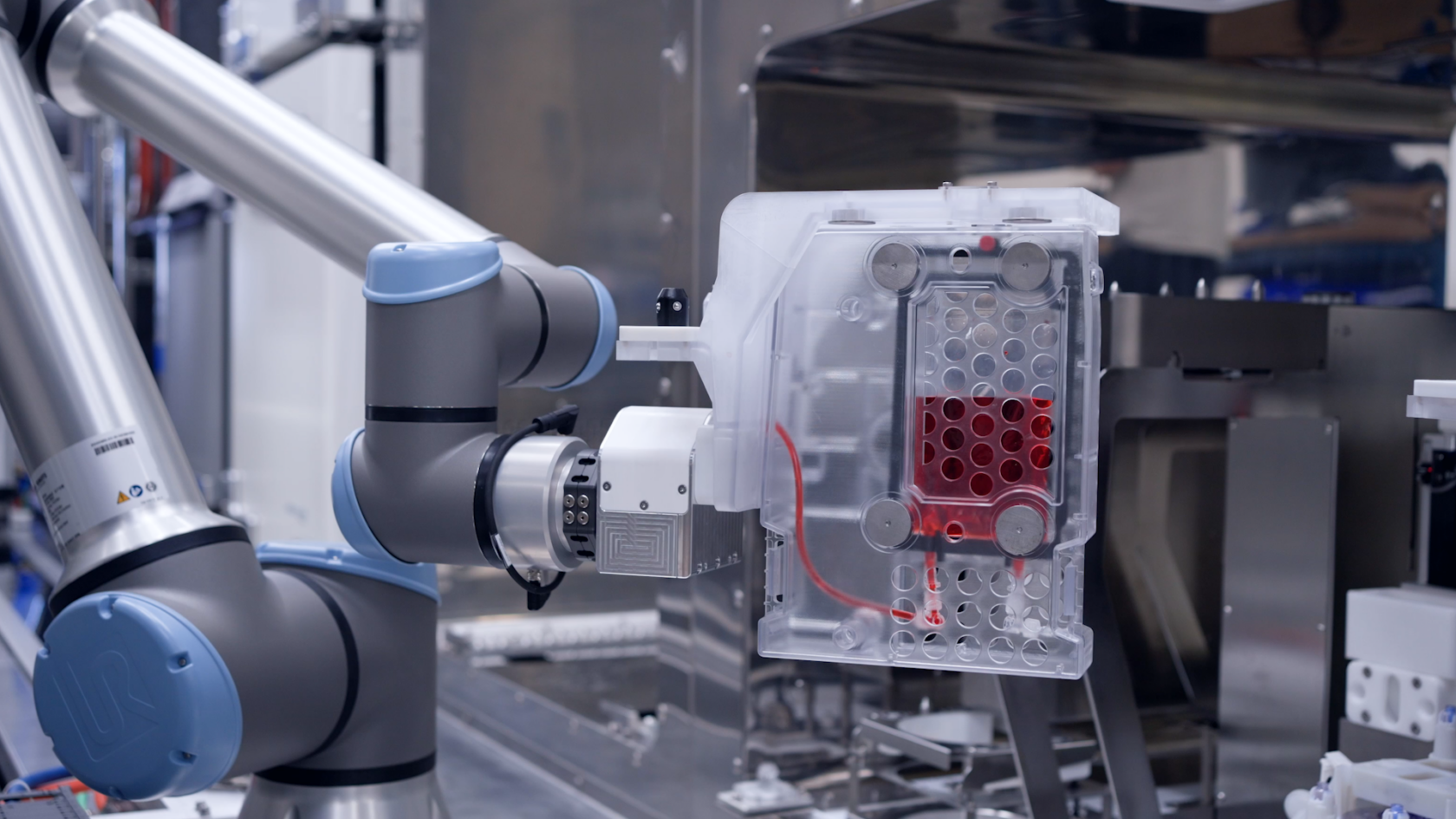
A team led by researchers at Carnegie Mellon University is receiving $5.4 million from the Defense Advanced Research Projects Agency (DARPA) to develop technologies for loading red blood cells with drug molecules. DARPA’s Red Blood Cell Factory (RBC-Factory) program aims to create a medical device-based platform to insert biologically active components, like proteins and peptides, into red blood cells to provide enduring protection for service members in challenging environments.
The 21-month project, titled Visco-Elastic Large Volume Erythrocyte Transfection (VELVET), will study the feasibility of a new method for loading diverse components into red blood cells. Developed by Derin Sevenler, the method could enable delivery of medication at safe, effective, and consistent concentrations for extended periods of time. For example, drug molecules designed to remain inactive while inside the red blood cells could become active upon release when those cells are naturally recycled by the body.