A new technique lets researchers make many more of the particles much faster, using consistent practices that meet safety standards.
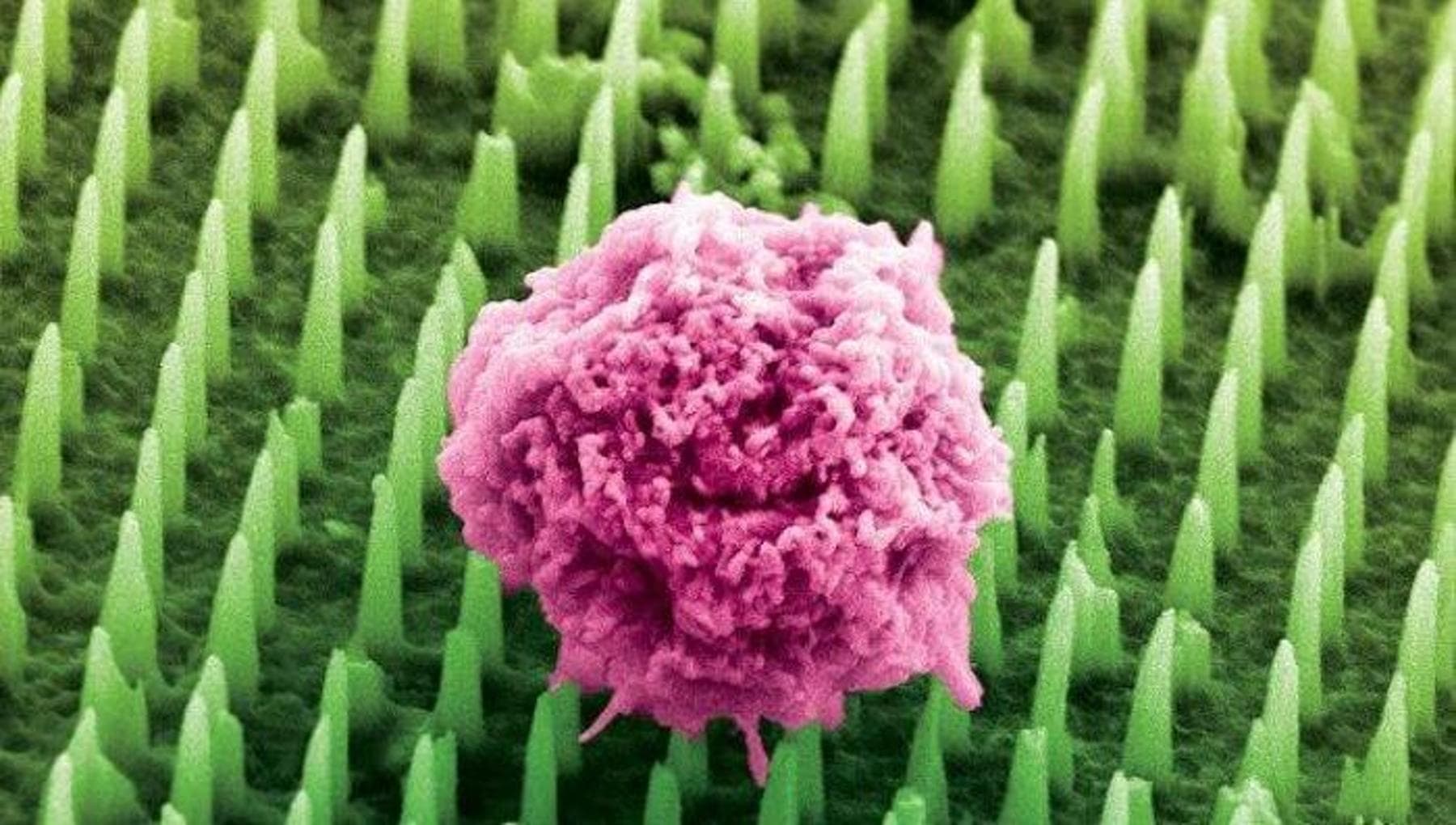
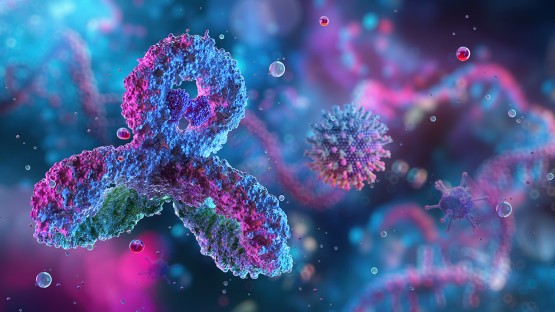
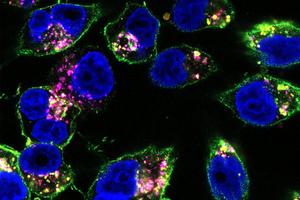
Over the past decade, Institute Professor Paula Hammond ’84, PhD ’93, and her students have used a technique known as layer-by-layer assembly to create a variety of polymer-coated nanoparticles that can be loaded with cancer-fighting drugs. The particles, which could prevent many side effects of chemotherapy by targeting tumors directly, have proved effective in mouse studies. Now the researchers have come up with a technique that allows them to manufacture many more particles in much less time, moving them closer to human use.
“There’s a lot of promise with the nanoparticle systems we’ve been developing, and we’ve been really excited more recently with the successes that we’ve been seeing in animal models for our treatments for ovarian cancer in particular,” says Hammond, the senior author of a paper on the new technique along with Darrell Irvine, a professor at the Scripps Research Institute.
In the original production technique, layers with different properties can be laid down by alternately exposing a particle to positively and negatively charged polymers, with extensive purification to remove excess polymer after each application. Each layer can carry therapeutics as well as molecules that help the particles find and enter cancer cells. But the process is time-consuming and would be difficult to scale up.