ST. PAUL, Minn., Oct. 6 (UPI) -- Spanish and Chinese scientists said Monday they have used specifically tailored nanoparticles to clear out build-ups of a key toxin linked to Alzheimer's disease in the brains of mice.
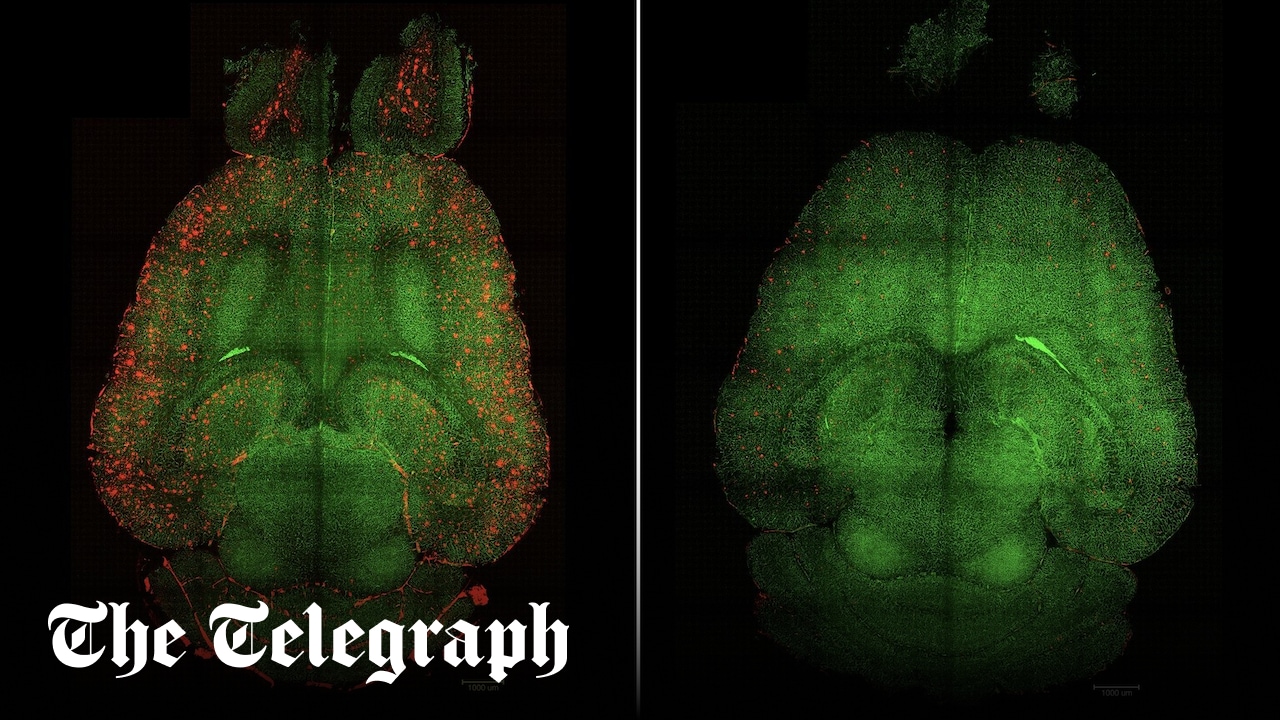
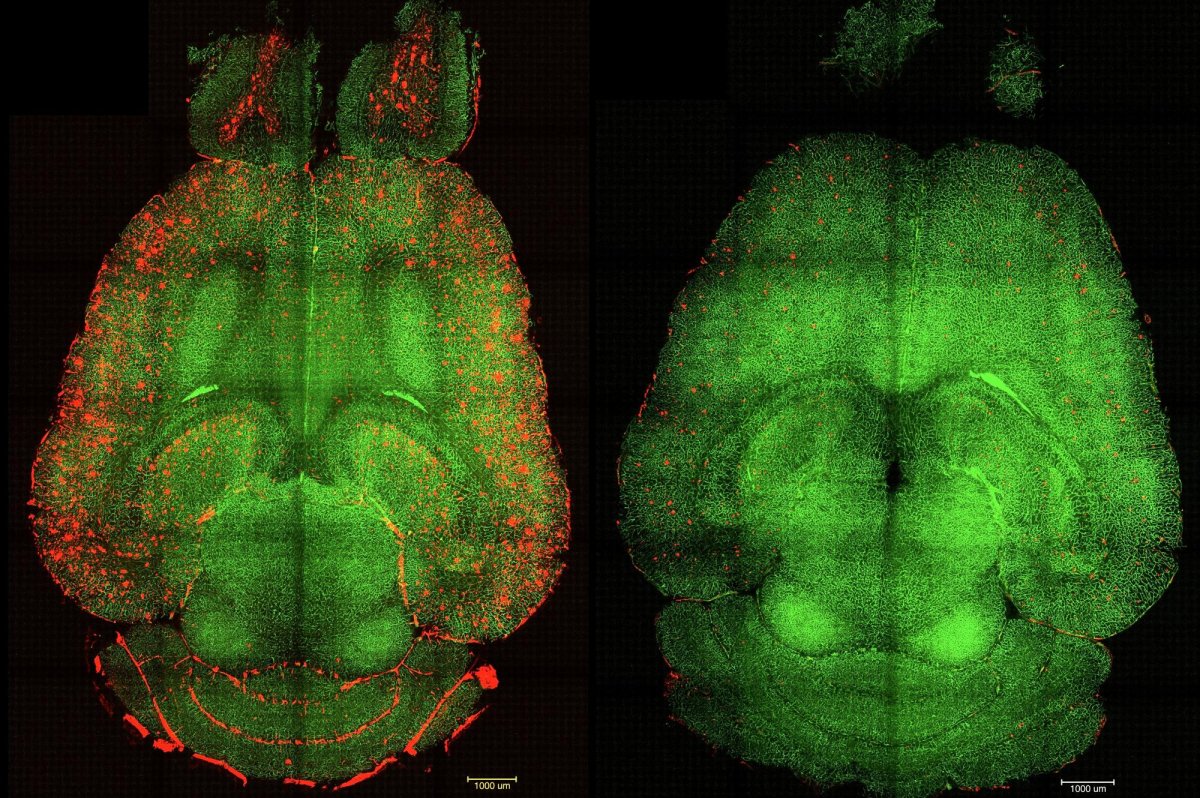
Researchers from the Institute for Bioengineering of Catalonia in Barcelona, Spain, and the West China Hospital at Sichuan University announced in a newly published study they were able to "reverse" build-ups of the waste protein amyloid beta in mouse brains after only three injections with their nanoparticles.
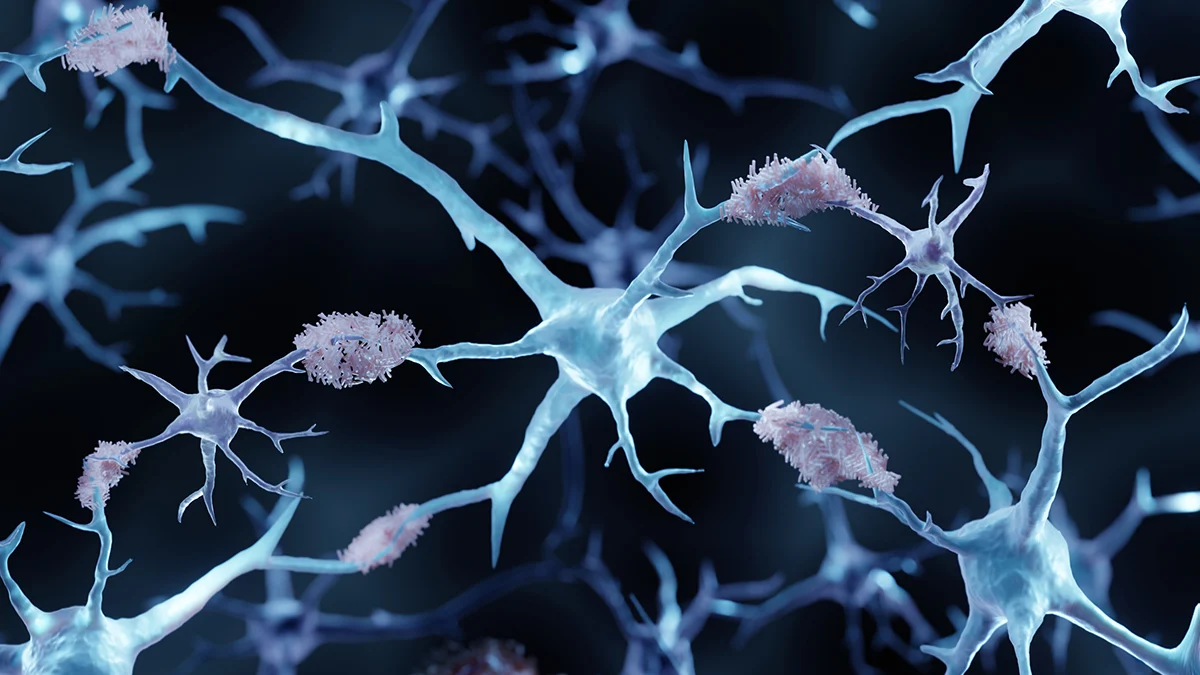
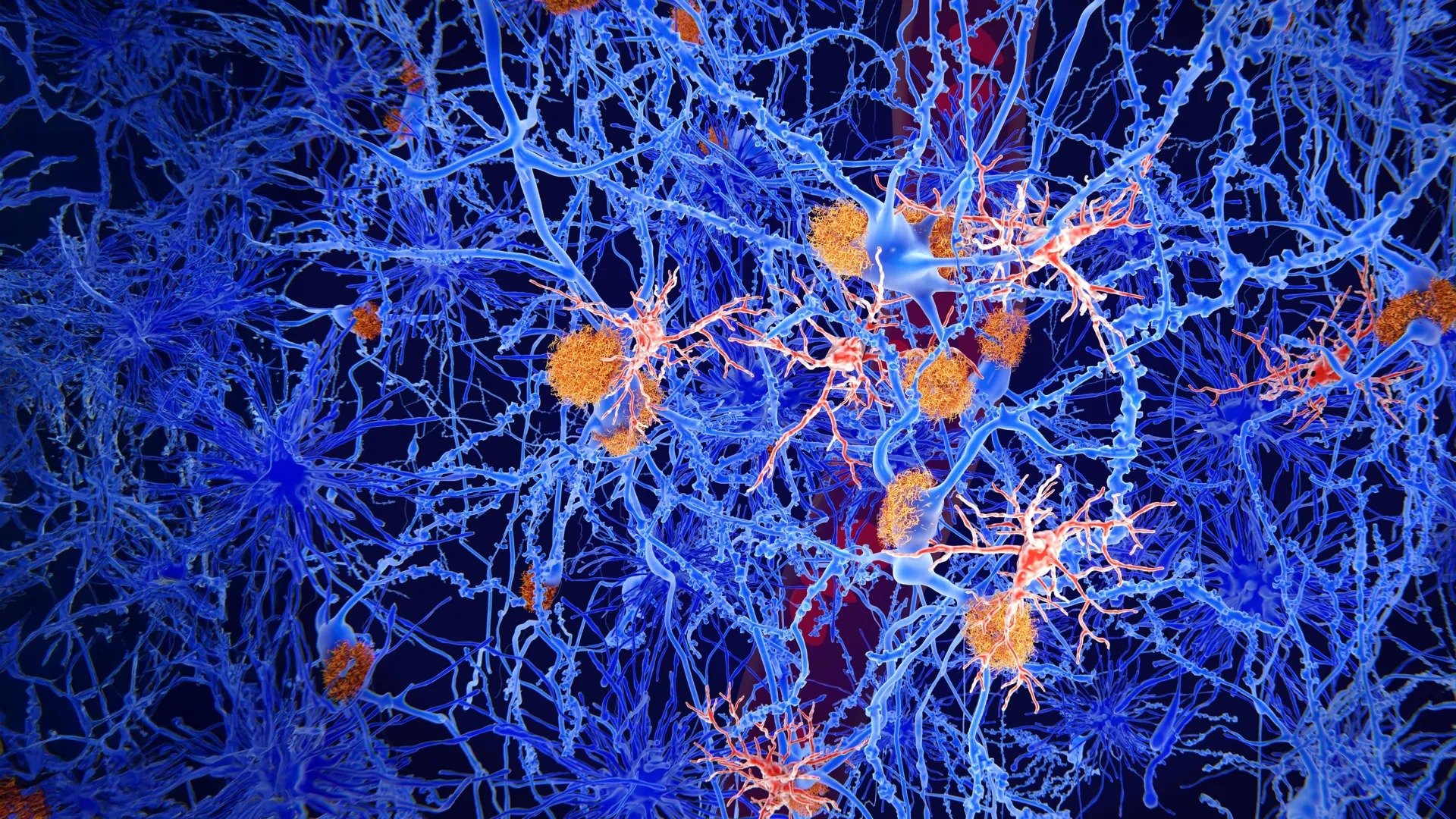
Amyloid beta is a gummy, self-aggregating protein fragment that is the main component of toxic plaque build-up found in the brains of Alzheimer's disease patients. It can begin to accumulate decades before a person starts exhibiting Alzheimer's symptoms such as loss of memory and clarity of thought.
By tapping the nanoparticles, the researchers were able to repair a dysfunction in the "blood brain barrier," which protects the brain from toxins in the body's blood system, to allow the plaque to be transported across it and out of the brain for disposal, according to the study study published in the medical journal Signal Transduction and Targeted Therapy.
Only one hour after a series of nanoparticle injections, "we observed a reduction of 50%-60% in Amyloid beta amount inside the brain," the authors stated, adding that the subject mouse -- which was the equivalent of 90 years old in human terms and had been genetically programmed for high levels of amyloid beta -- exhibited normal behavior six months after treatment, including a reversal of cognitive and memory decline.