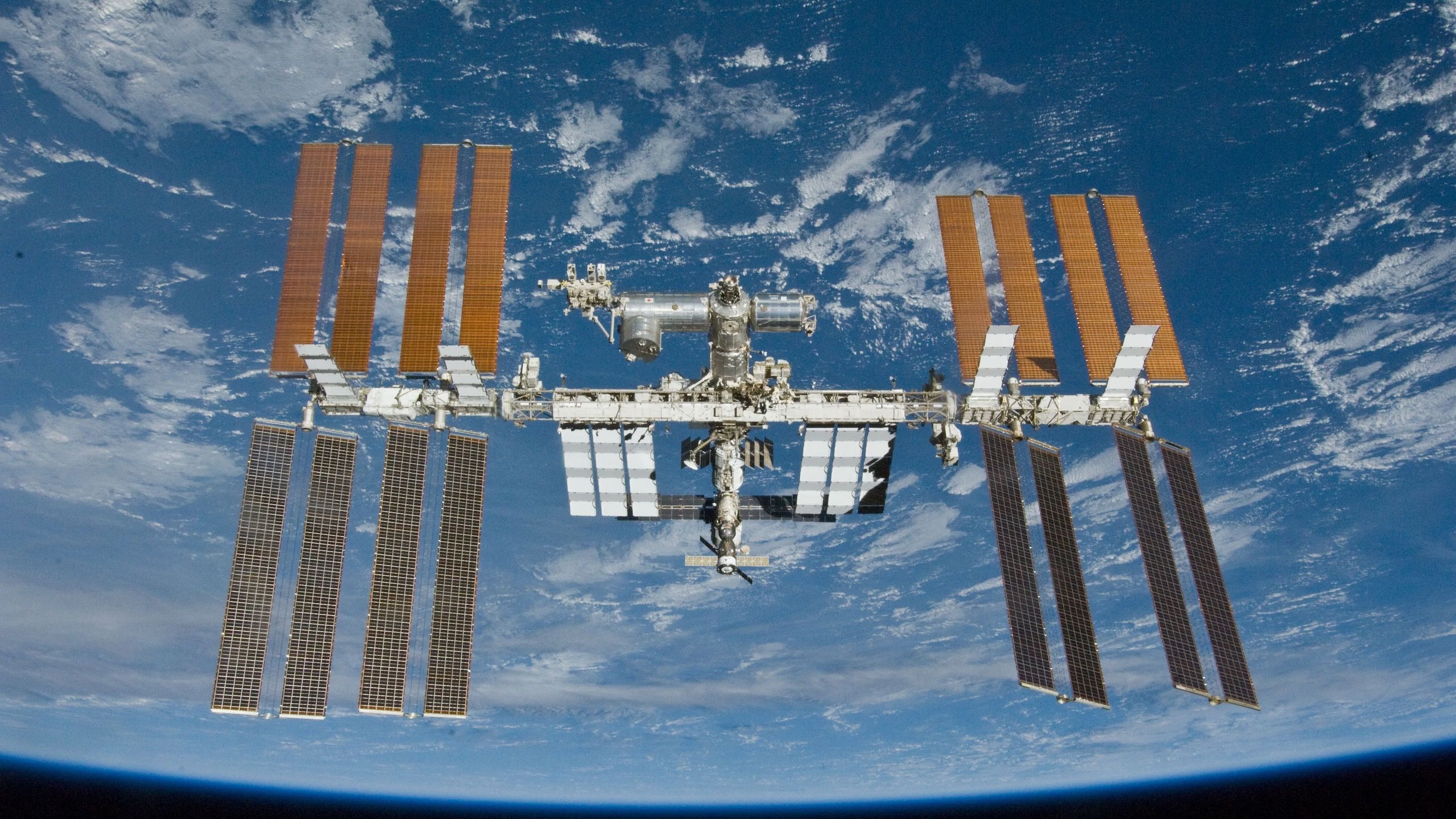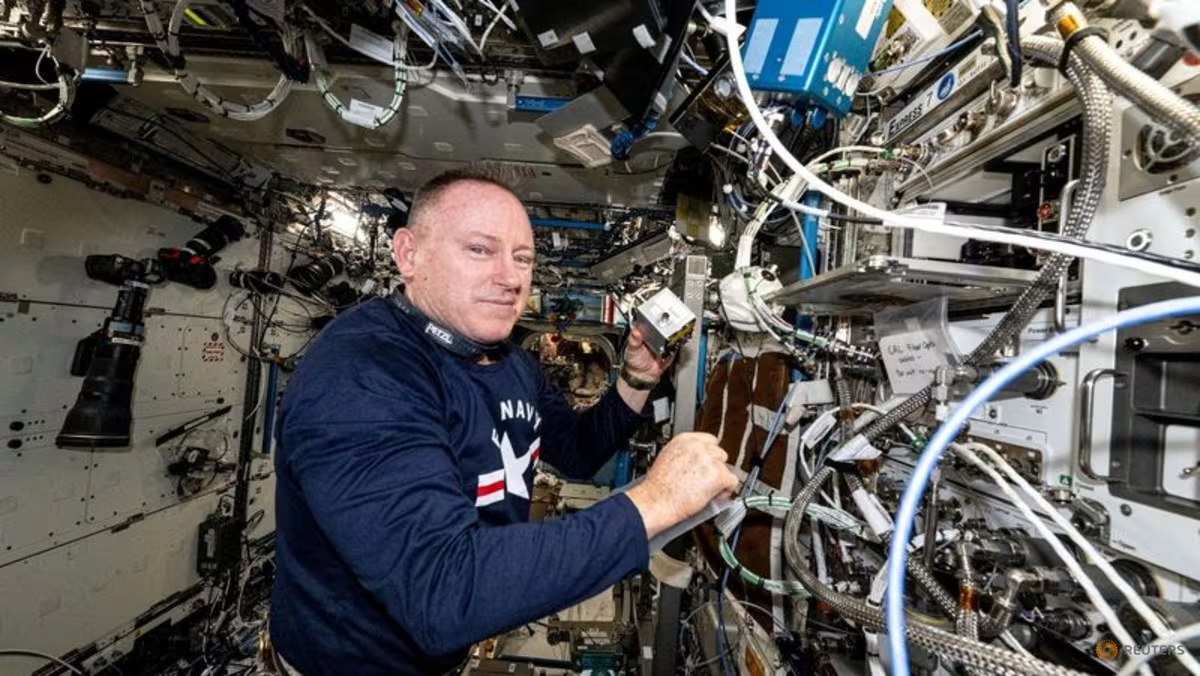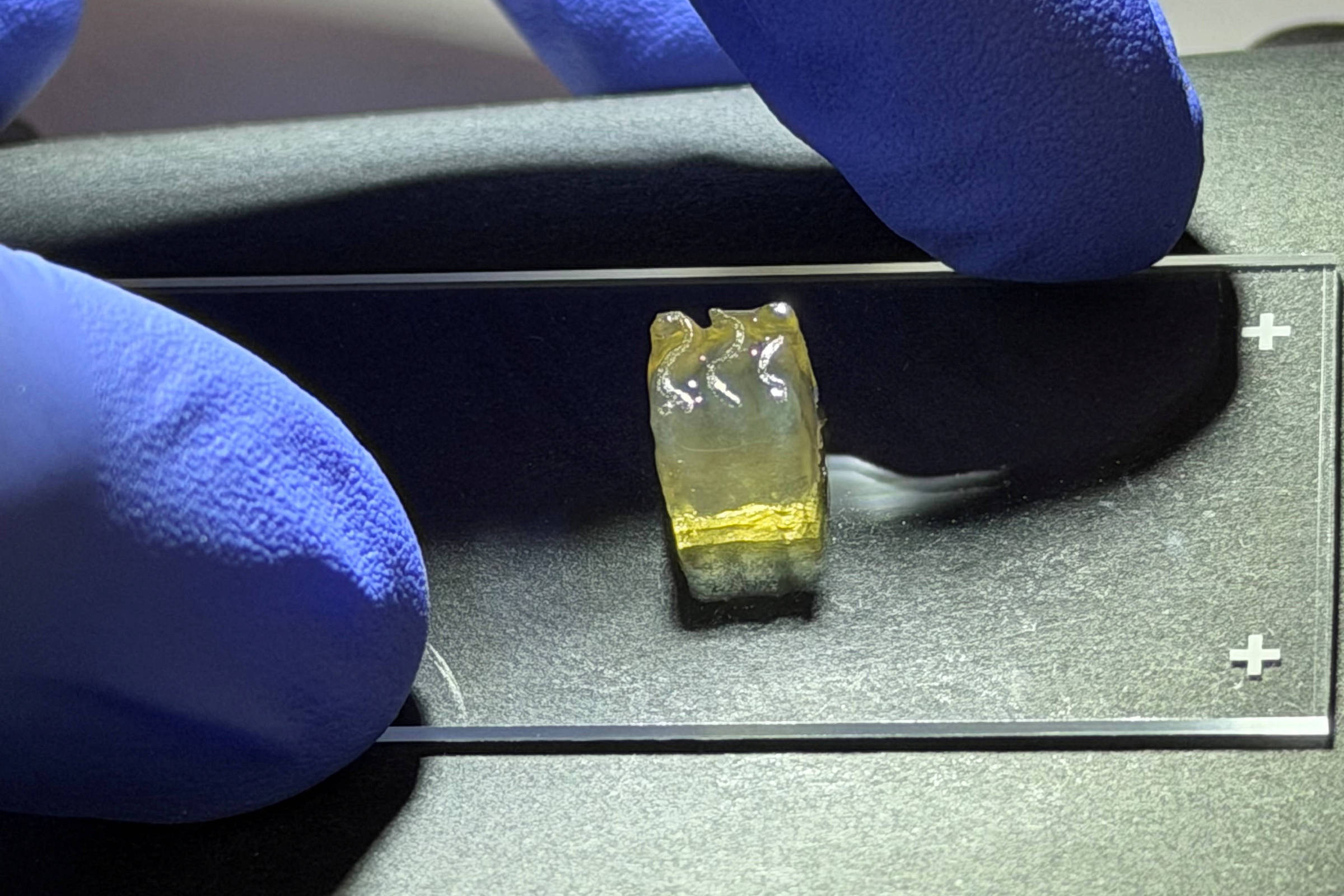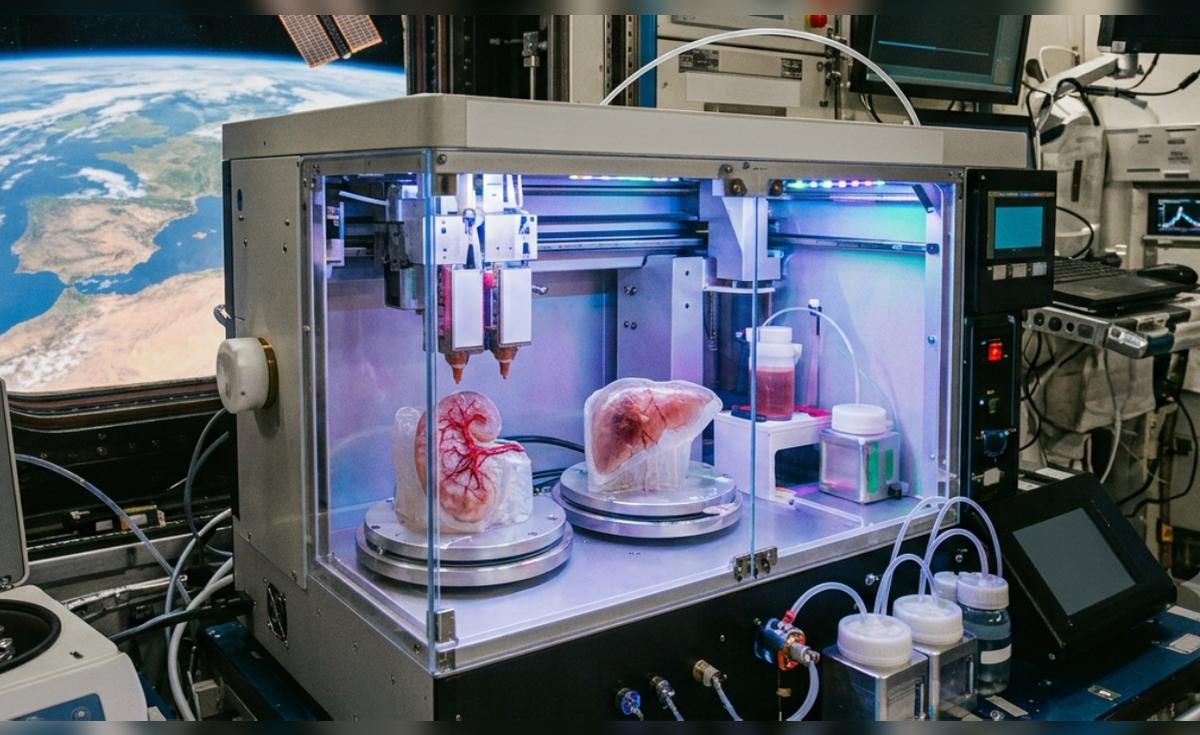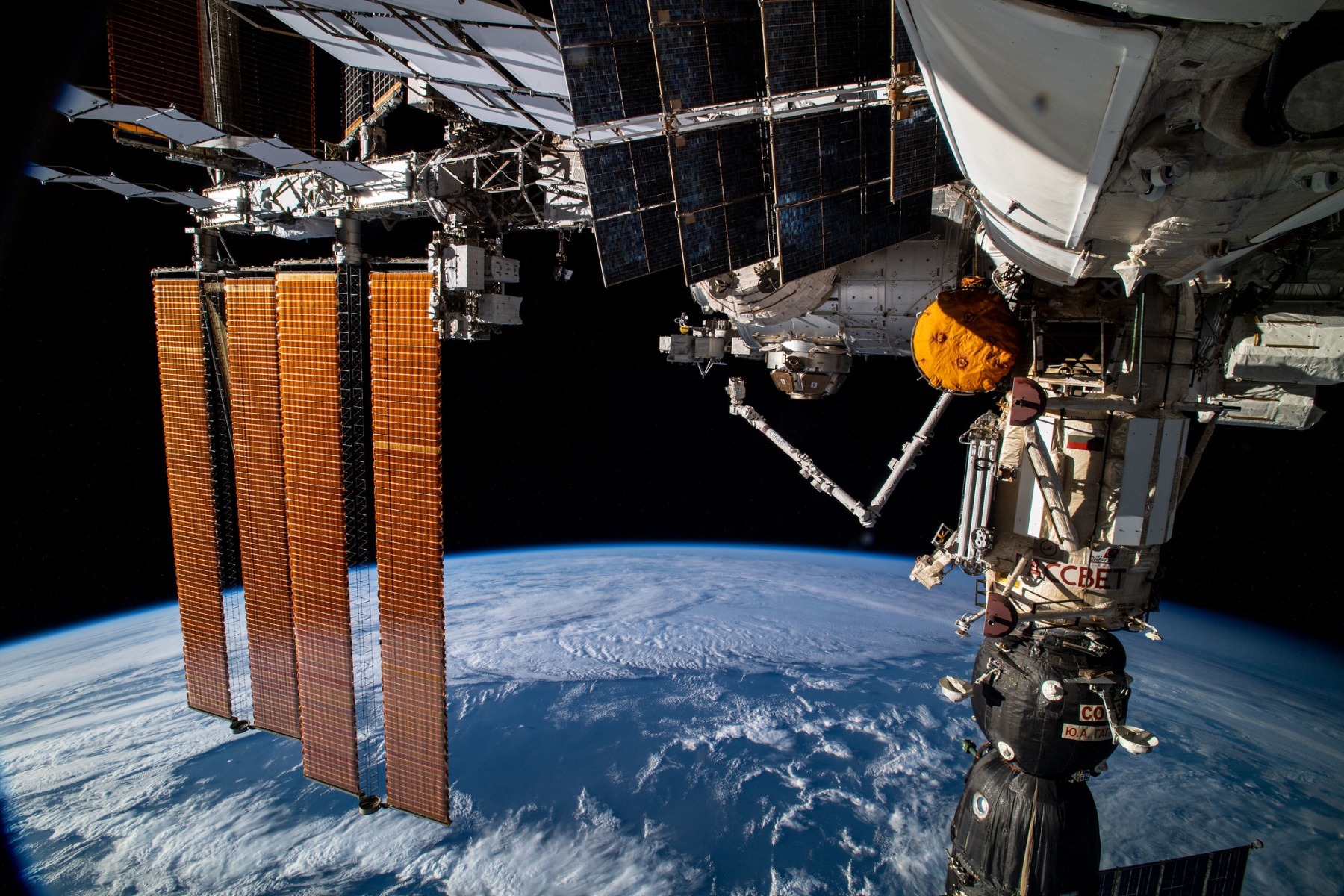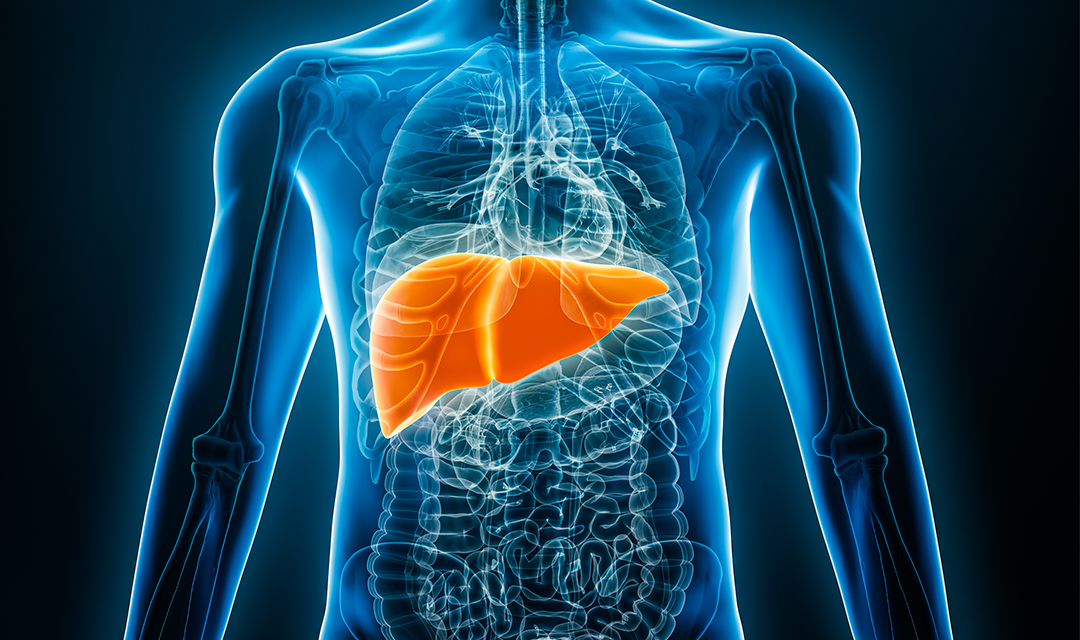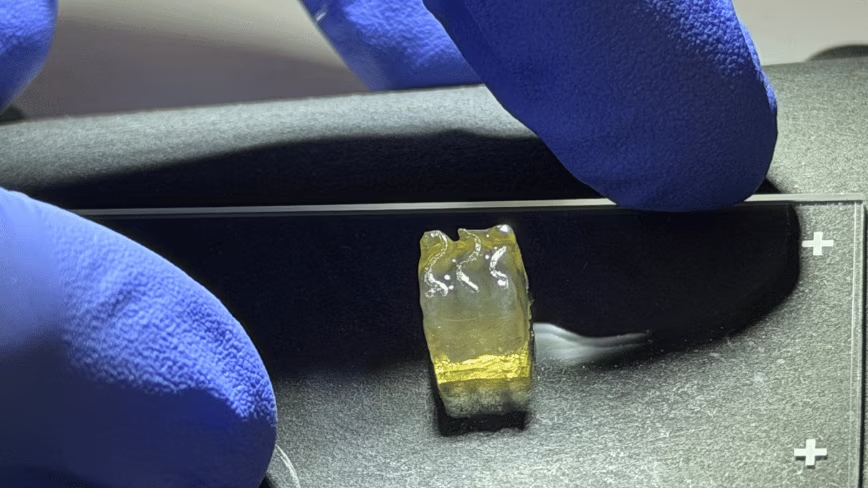
Auxilium Biotechnologies has bioprinted kidney and liver tissue aboard the International Space Station. It says that is the first time anyone has made either in space. The samples flew home last month on a SpaceX cargo capsule, and the company announced the results on Thursday.
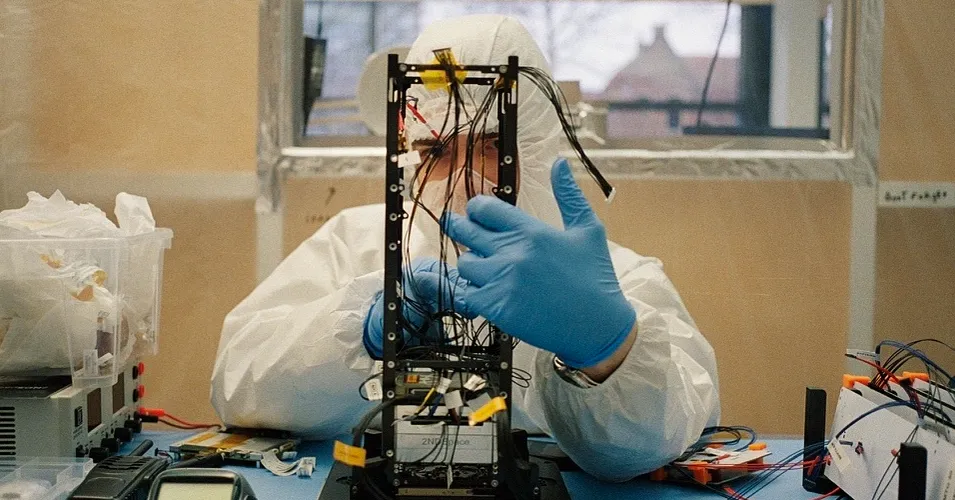
It was not a one-off. In the same mission, Auxilium’s AMP-1 orbital printer also made cartilage tissue and 28 nerve-repair implants. That, the firm says, is the first time a single spaceflight has produced three tissue types, and a first for a multi-product manufacturing platform in orbit.
Why print in space at all
The answer is gravity, or the lack of it. On Earth, soft living tissue tends to slump before it sets, so printers lean on scaffolds and thickeners to hold a shape. In microgravity, the tissue can keep its form while the cells settle evenly. Wake Forest’s Dr Anthony Atala, whose institute supplied the cells and designs, said the “uniform cell distribution” in orbit points to real promise.
It helps to be clear about what this is not. These are small tissue samples, not organs ready for transplant. A printed kidney you could put in a patient remains years away. The hard problem of threading blood vessels through thick tissue still blocks the path.