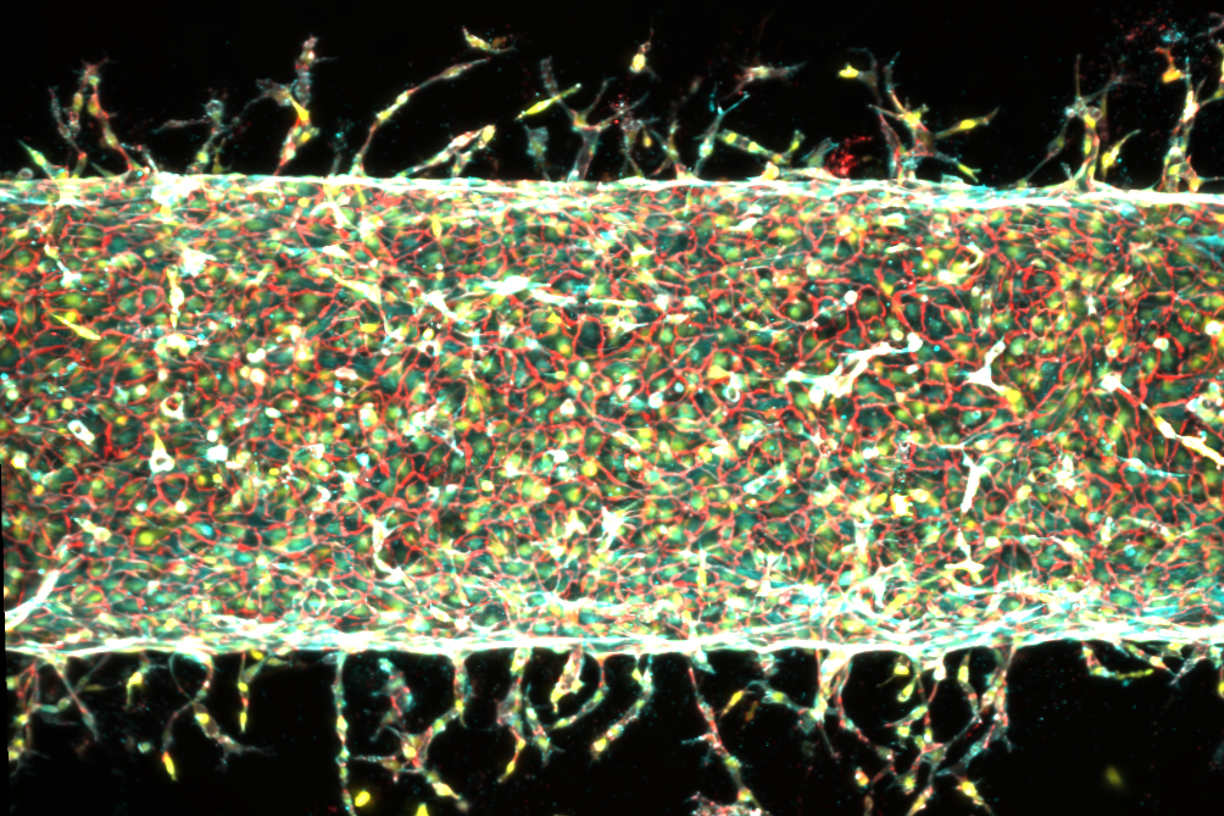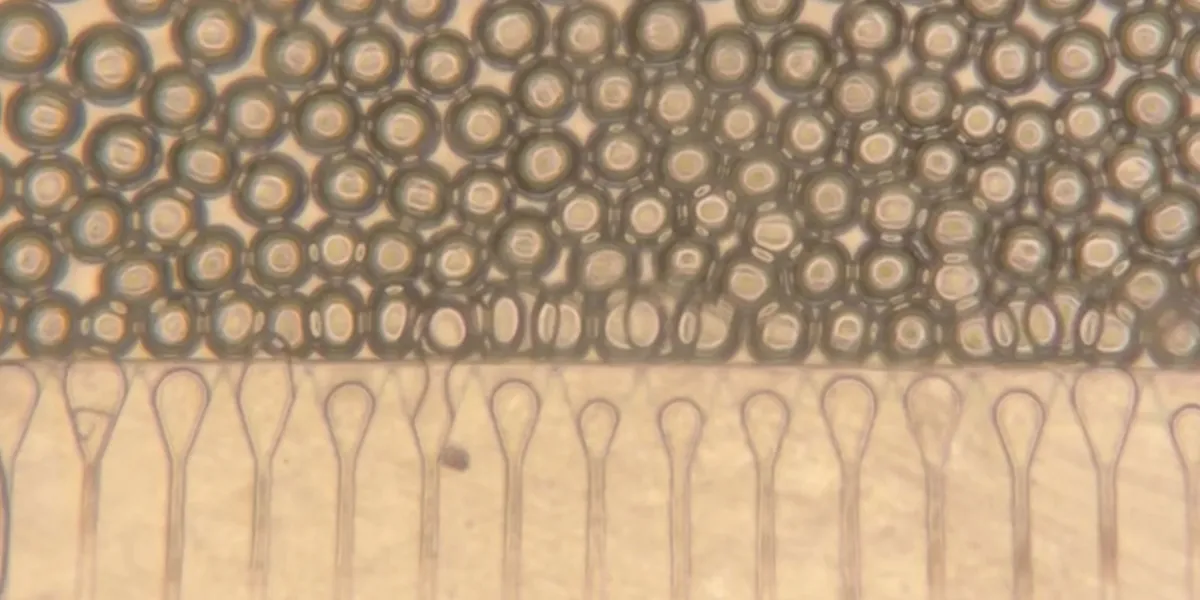
MIT Alumni News: 77The tissue grafts could take over the organ’s functions for months, helping thousands of people with liver failure.June 23, 2026Researchers used a microfluidic device to generate hydrogel microspheres of uniform shape and size. These spheres are then mixed with hepatocytes and injected into the body, where they form stable mini livers.Courtesy of the Bhatia Lab A technology developed by Professor Sangeeta Bhatia, SM ’93, PhD ’97, and colleagues could offer new hope to the thousands of Americans with chronic liver disease who are waiting for an organ transplant or not strong enough to tolerate one. The liver is involved in regulating blood clotting, removing bacteria from the bloodstream, metabolizing drugs, and more, and many of these essential functions are performed by specialized cells called hepatocytes. Bhatia’s lab has been working for a decade on ways to introduce functioning hepatocytes without surgically replacing the liver itself. In the new technique, these cells are injected directly into the body along with hydrogel microspheres that help them stay together and form connections with nearby blood vessels. The spheres have special properties that allow them to act like a liquid when they are closely packed together, so they can be injected through a syringe and then regain their solid structure once inside the body. “These microspheres provide the hepatocytes with a niche where they can stay localized and become connected to the host circulation much faster,” says MIT postdoc Vardhman Kumar, lead author of a paper on the work. The researchers have shown that the cells can remain viable in the bodies of mice for at least two months, generating many of the enzymes and other proteins that the liver produces. In the study, they were injected into the fat tissue of the belly, but they could also be delivered to other sites. “The way we see this technology is it can provide an alternative to surgery, but it can also serve as a bridge to transplantation where these grafts can provide support until a donor organ becomes available,” Kumar says. While patients would likely need to take immunosuppressive drugs, the researchers are exploring how they might get the hepatocytes to evade the immune system or use the microspheres to deliver immunosuppressants locally. Keep ReadingStay connectedIllustration by Rose WongGet the latest updates fromMIT Technology ReviewDiscover special offers, top stories,
Engineered “mini livers” could be injected as an alternative to transplantation
The tissue grafts could take over the organ’s functions for months, helping thousands of people with liver failure.
392 words~2 min read