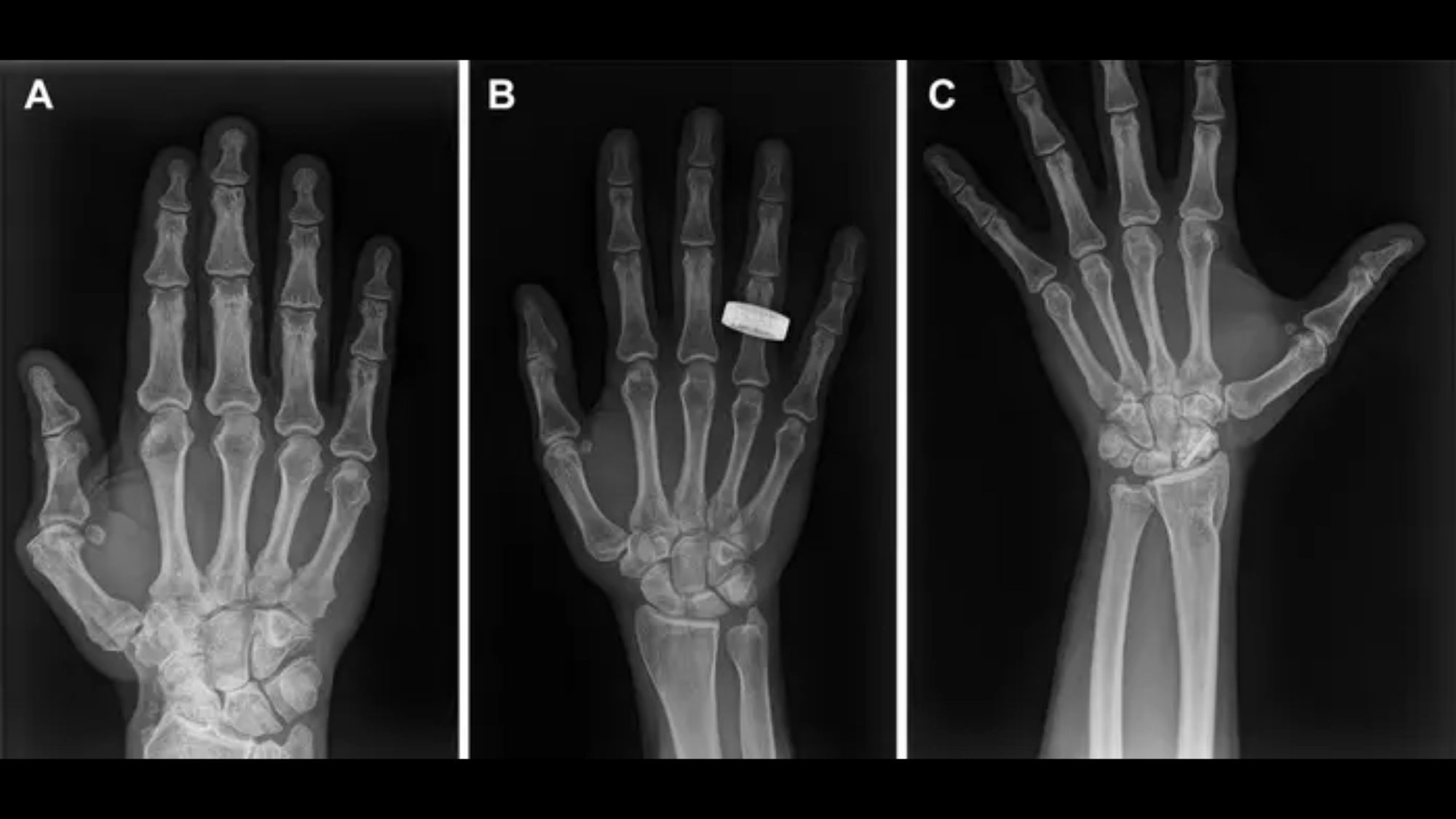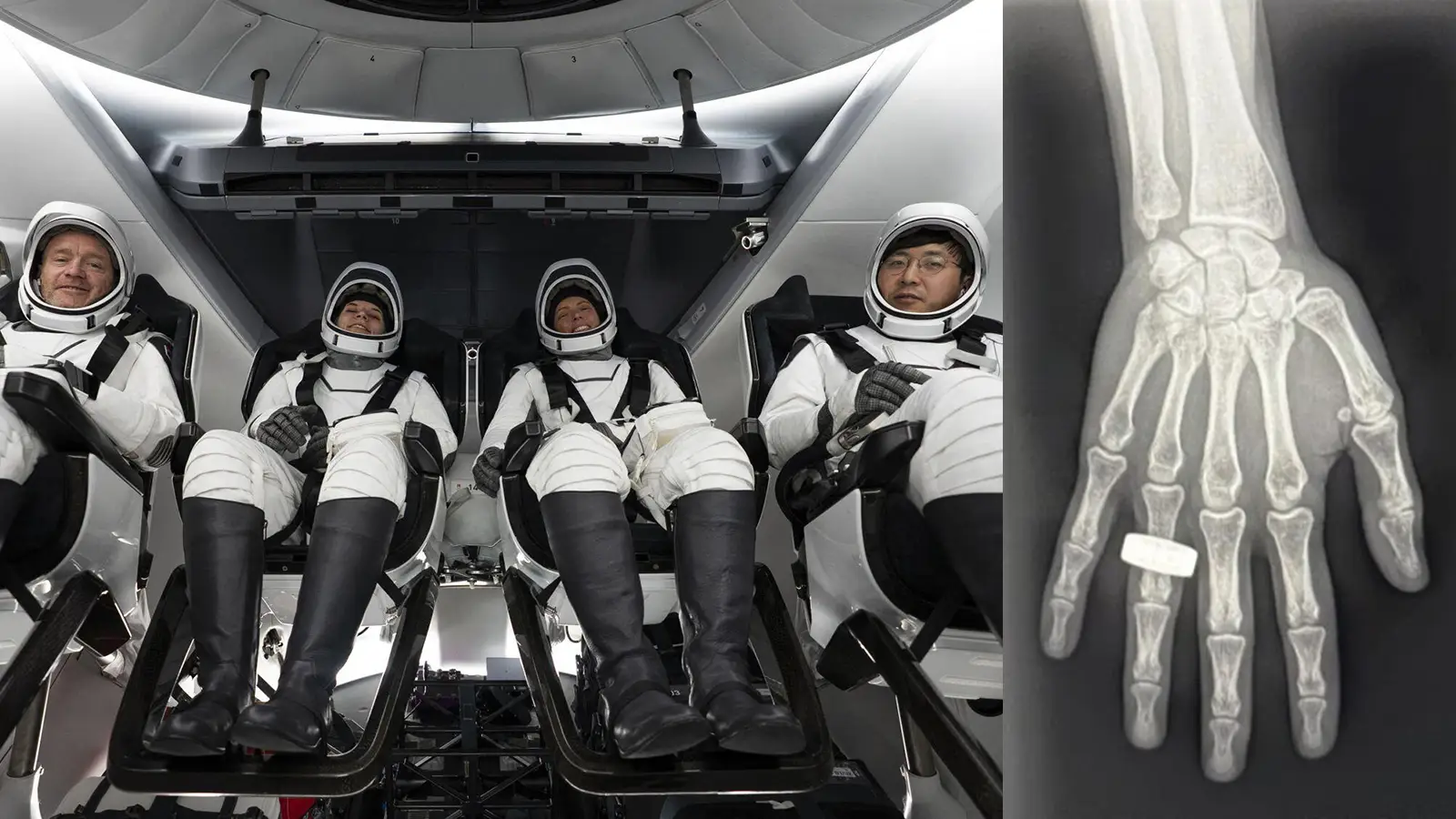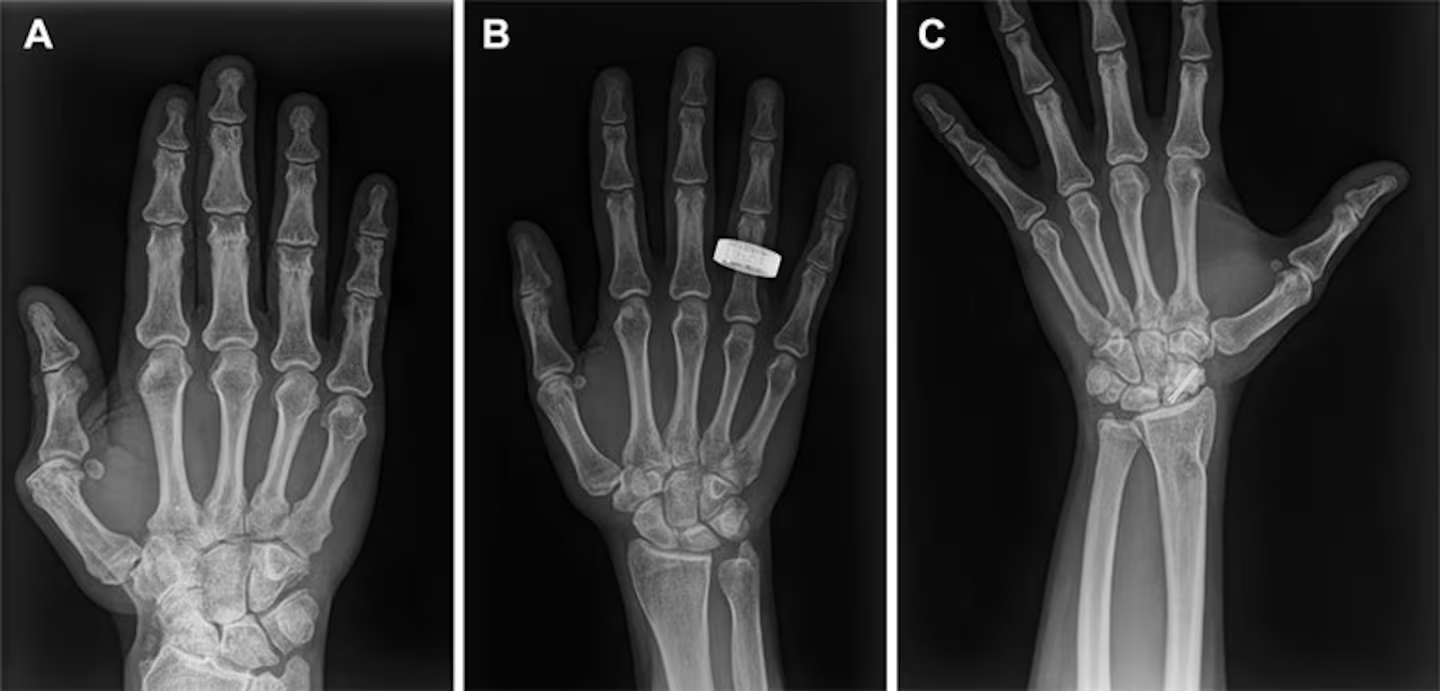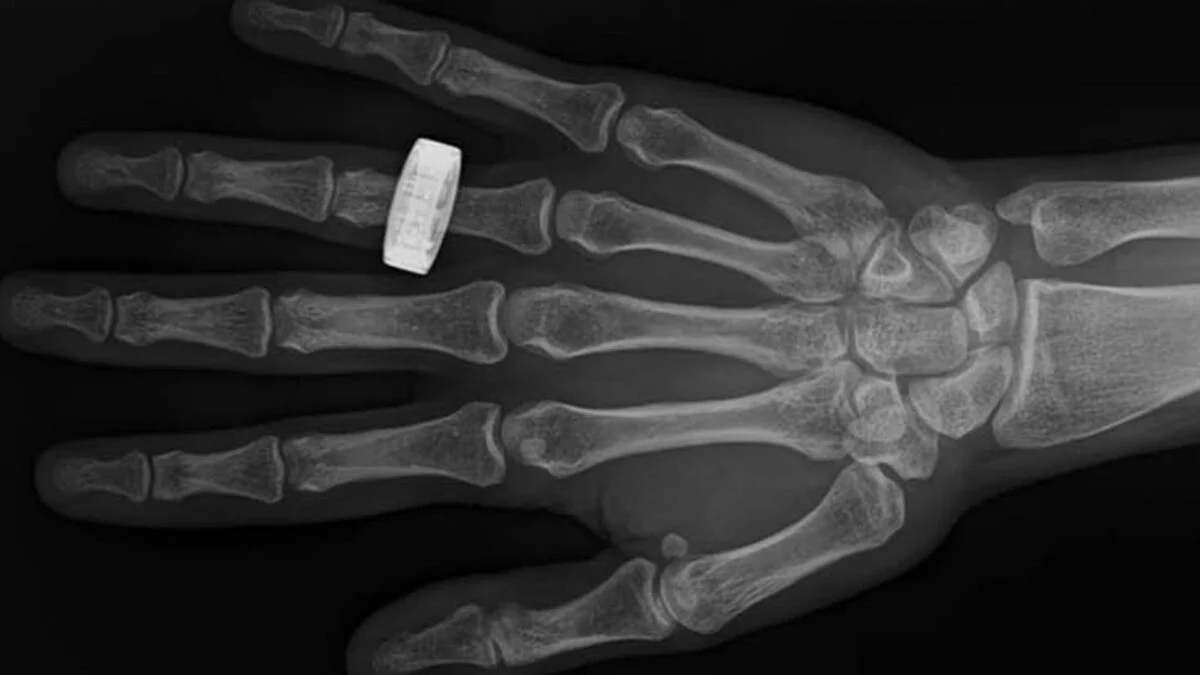
SpaceX’s Fram2 mission, launched in late March 2025, sent four amateur astronauts where no human had gone before. The flight will go down in history as the first to send a crew to polar orbit, but it will also be remembered for a major achievement in aerospace medicine. During their mission, the Fram2 astronauts took the first medical X-rays during an orbital flight. Without any guidance from ground control, they produced scans of a hand, forearm, abdomen, pelvis, and chest using a small, portable X-ray machine. The inflight images were immediately transmitted to an onboard computer to be reviewed by the crew, demonstrating that in-orbit radiography is feasible. The researchers unveiled them today in a study published in the journal Radiology. For decades, ultrasound has been the only reliable medical imaging technique available to astronauts during spaceflight. But space is a dangerous place, and as missions grow longer and more distant, the risk of adverse medical events increases. Ultrasound, which requires considerable operator training and relies on a sound wave transmitting medium, may not always suffice.
“X-ray is one of the most powerful diagnostic tools in modern medicine because of its speed, accuracy, and ability to be operated by a broad range of people without the need of a sound transmitting medium,” lead researcher Sheyna Gifford, an assistant professor of aerospace medicine at Mayo Clinic, told Gizmodo.