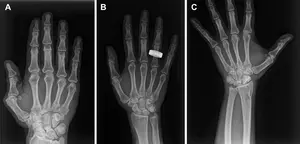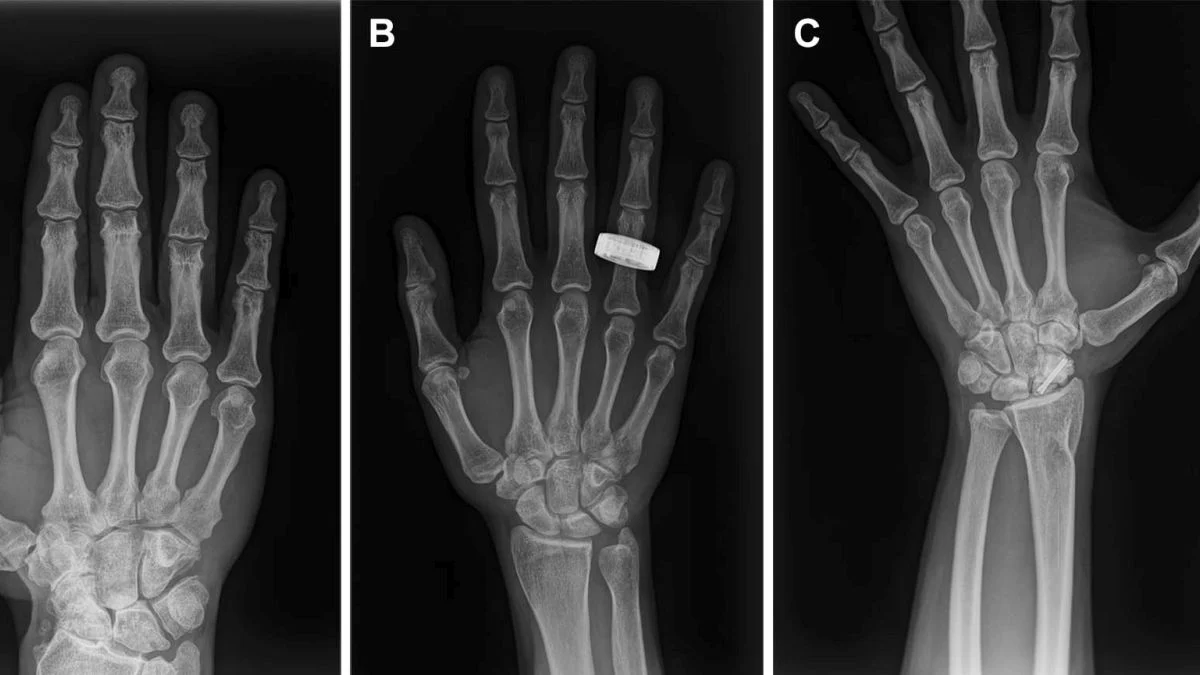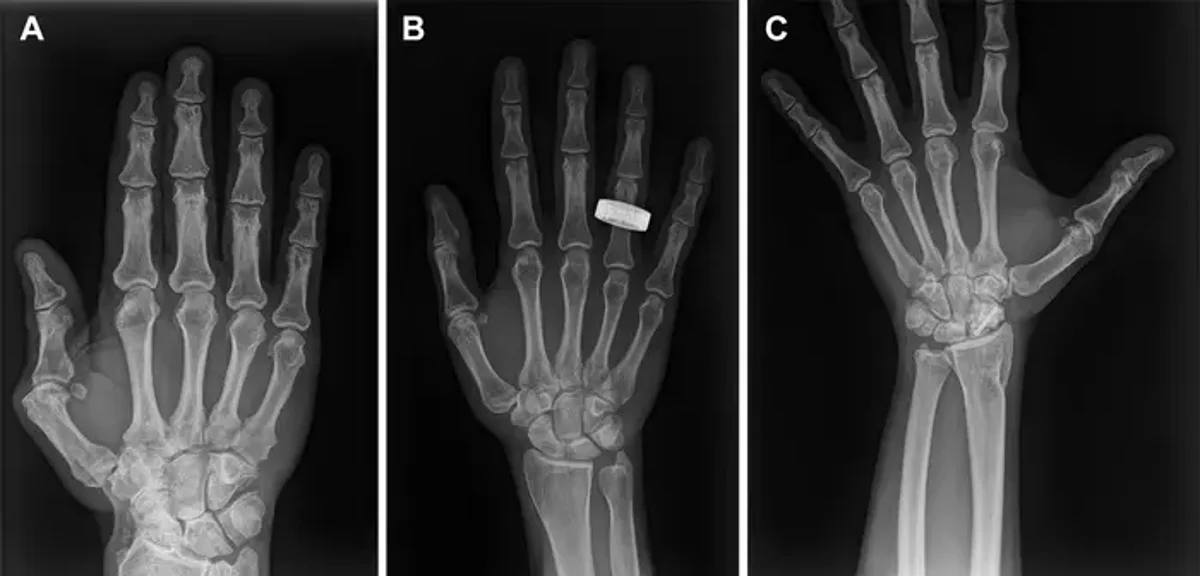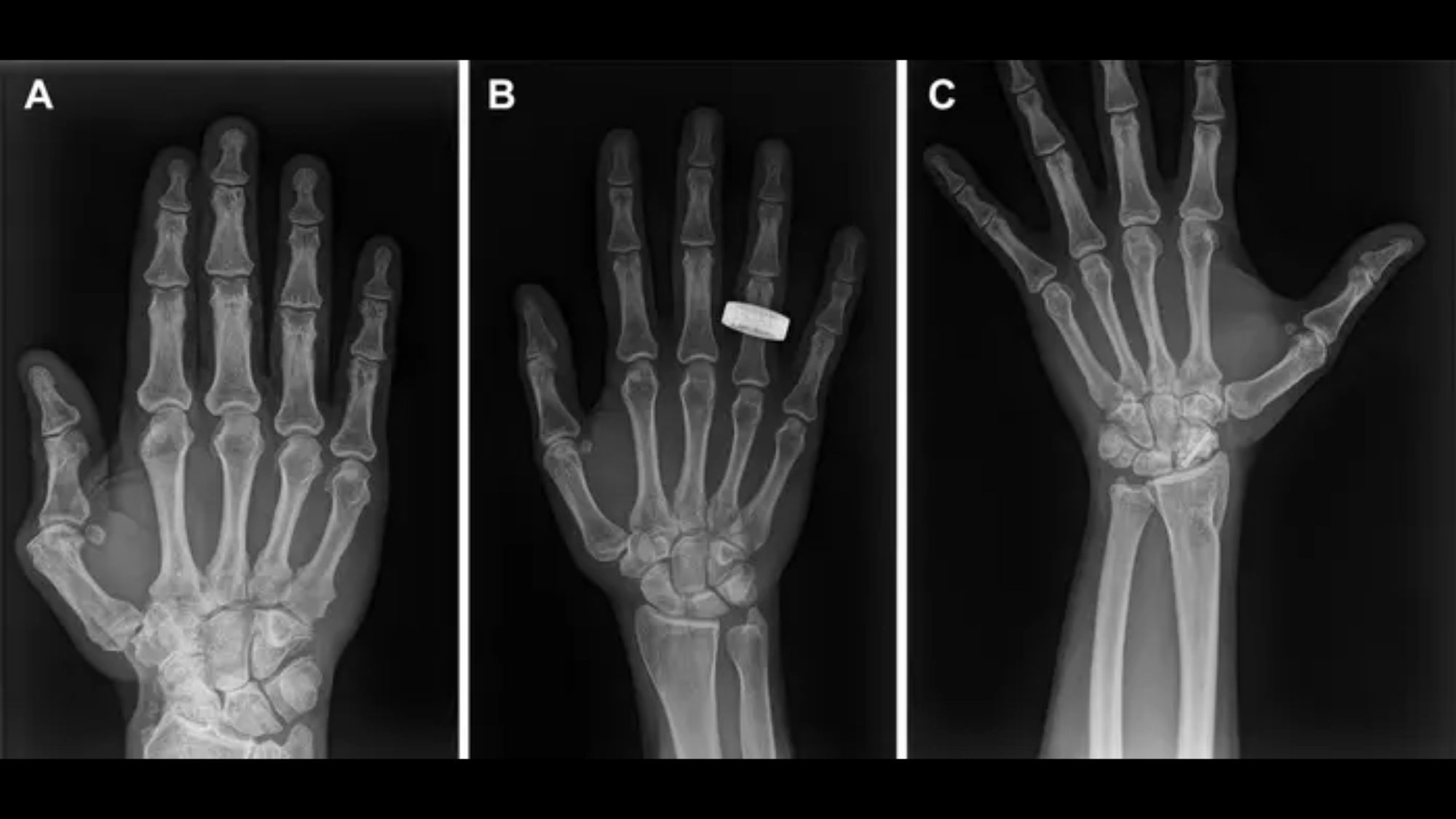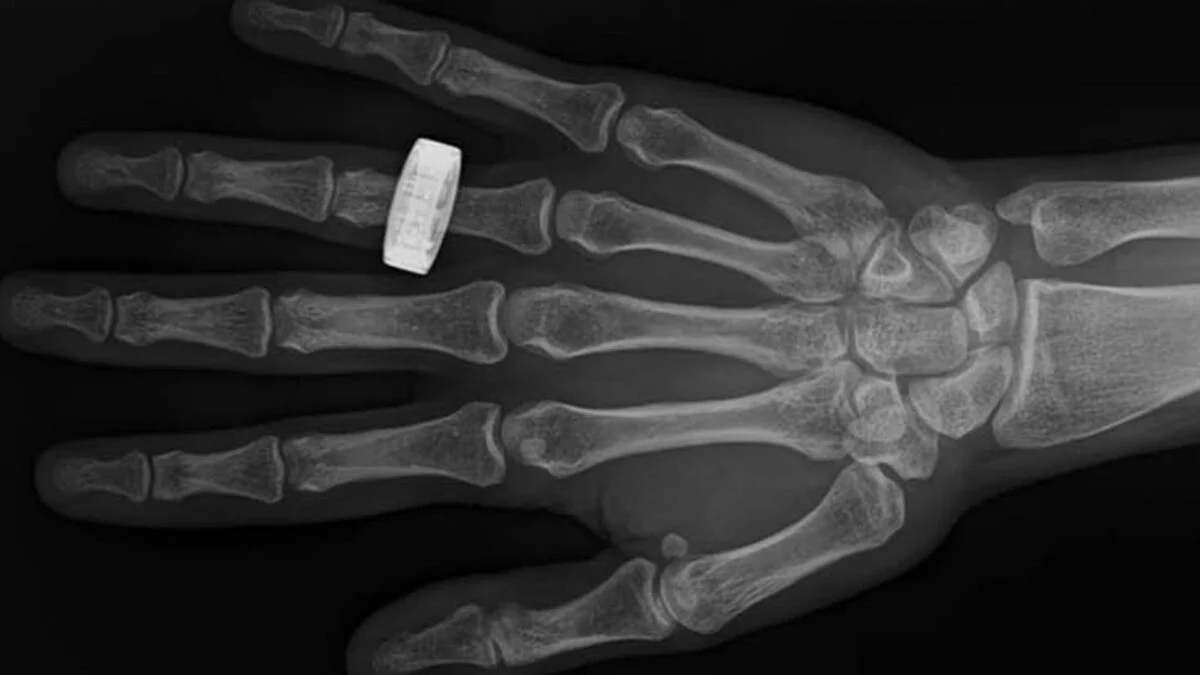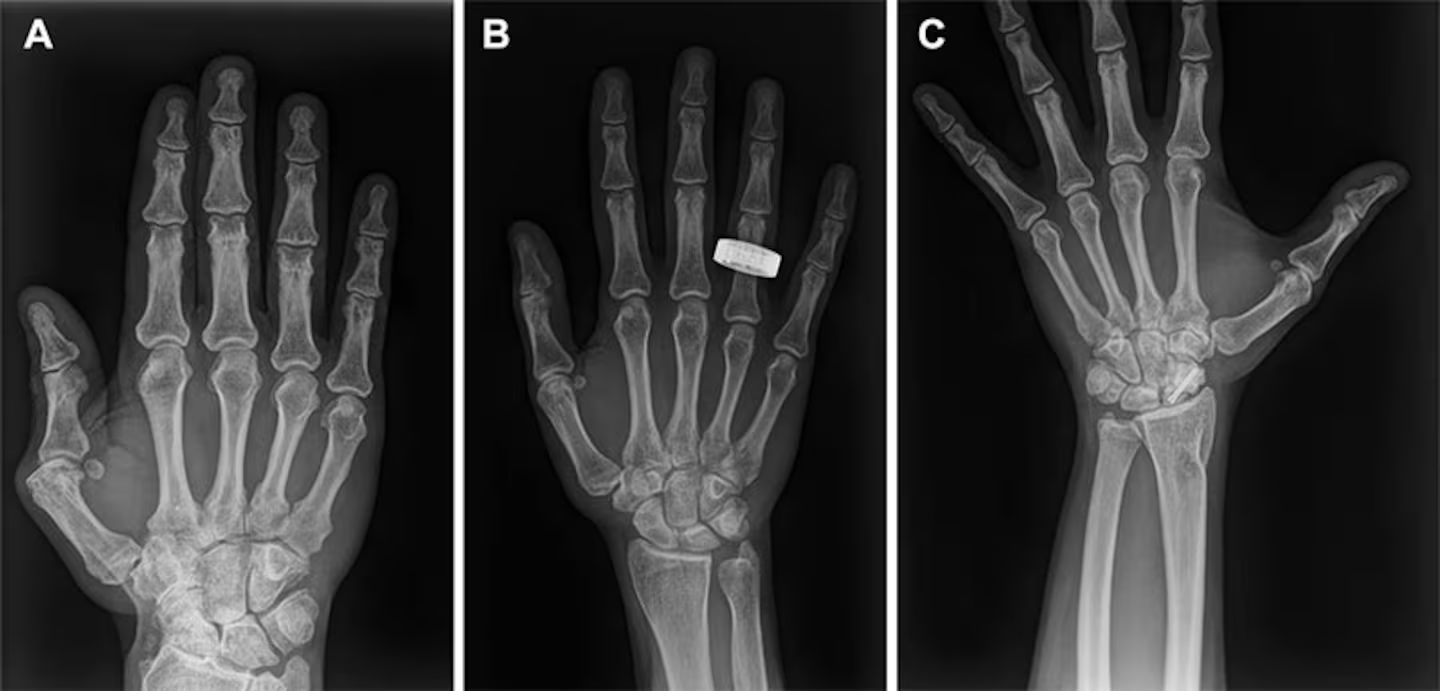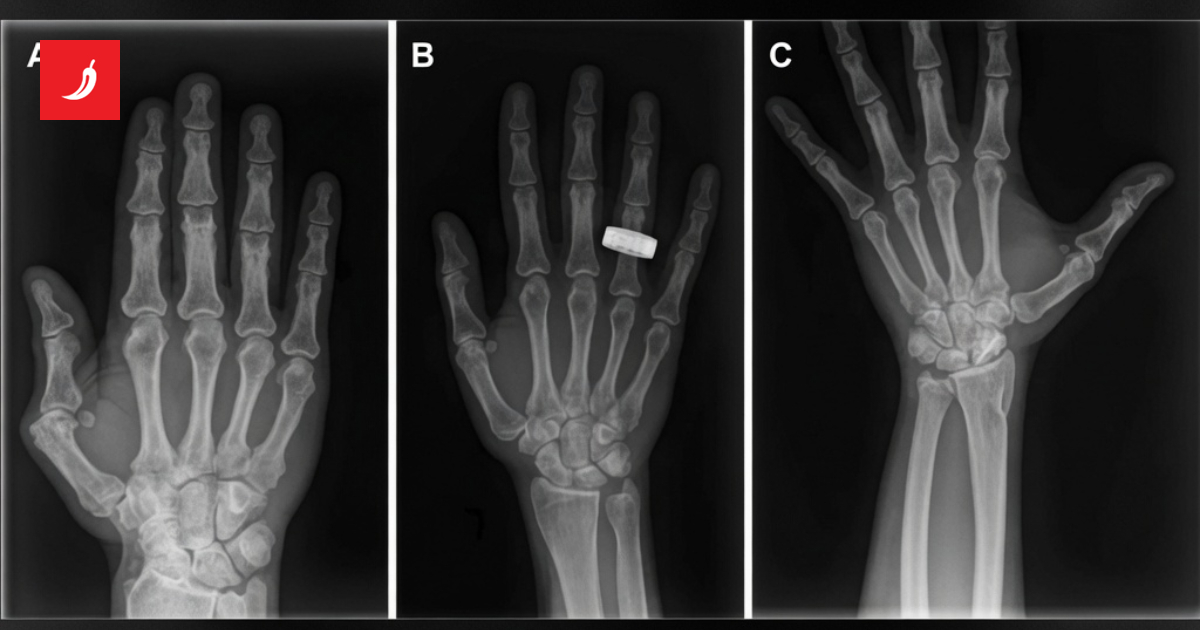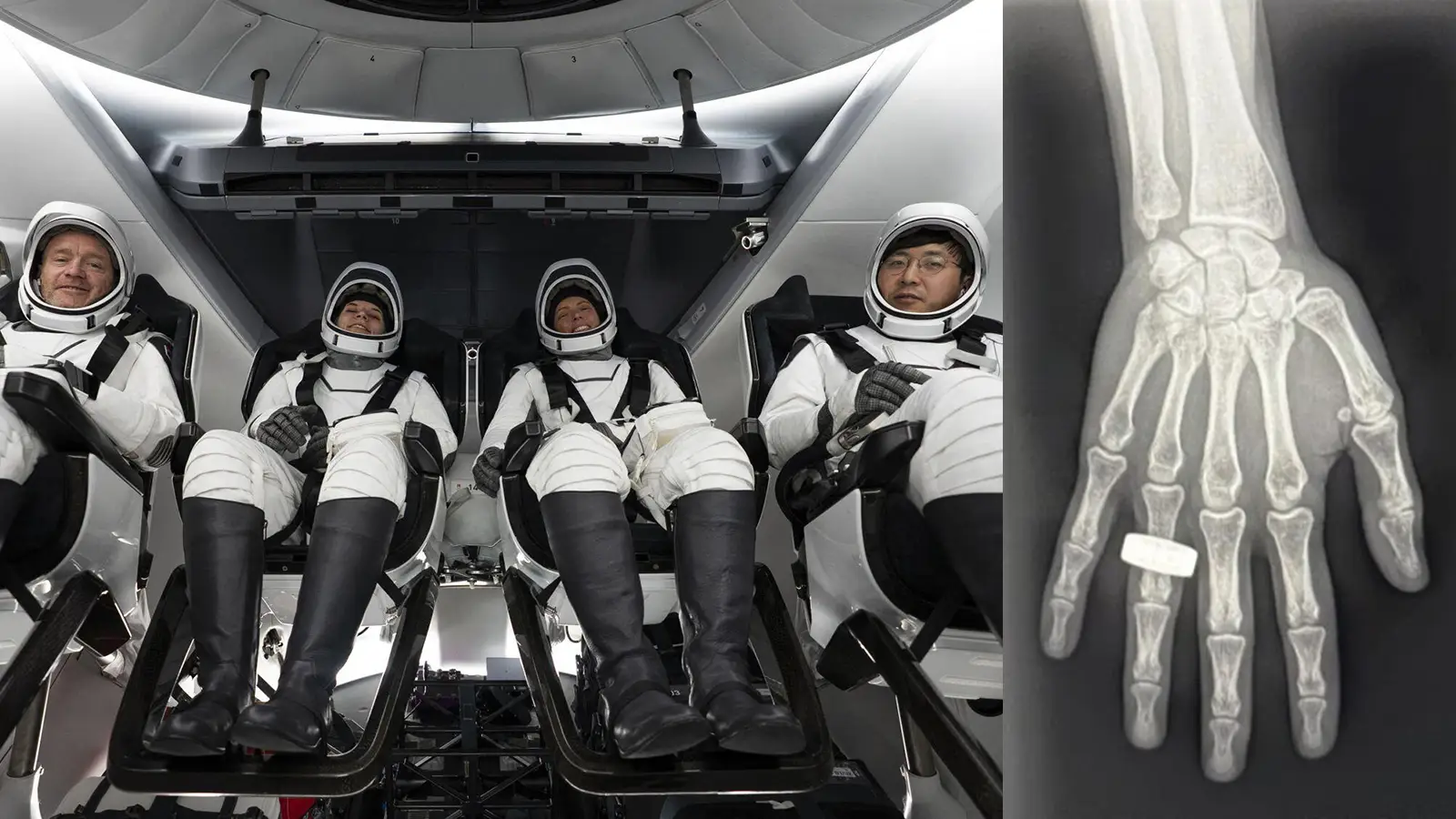
Using a portable radiography system, three crew members on a 3.5-day polar orbital flight were able to take diagnostic-quality x-rays, the first human radiographs in space.In-flight images had similar overall image quality, spatial resolution, and contrast resolution compared with images taken preflight.Use of a portable radiography system could potentially improve diagnostic capabilities for crew health, researchers said.
It was feasible to take x-rays in space, potentially improving diagnostic capabilities for crew health, according to a small prospective study.
Using a portable radiography system, three crew members on the 3.5-day Fram2 polar orbital flight were able to take diagnostic-quality x-rays, the first human radiographs in space, reported Sheyna Gifford, MD, of the Mayo Clinic in Rochester, Minnesota, and colleagues.
As evaluated by a team of radiologists using Likert scores of 1-5, the in-flight images acquired by the crew members, as compared with images taken preflight, demonstrated no evidence of differences in:Overall image quality (mean score 4.86 vs 5.0, P>0.99)Spatial resolution (mean score 4.86 vs 5.0, P=0.46)Contrast resolution (mean score 4.86 vs 5.0, P=0.46)
However, for central radiographs of the chest, abdomen, and pelvis, image positioning was worse in-flight versus preflight (mean score 4.07 vs 4.95, P=0.02).