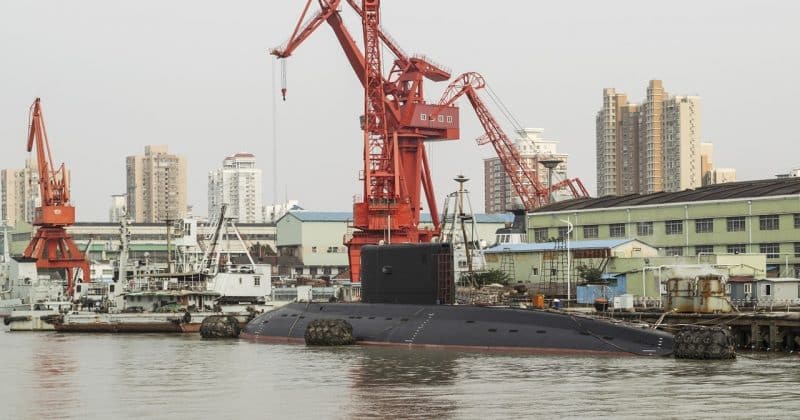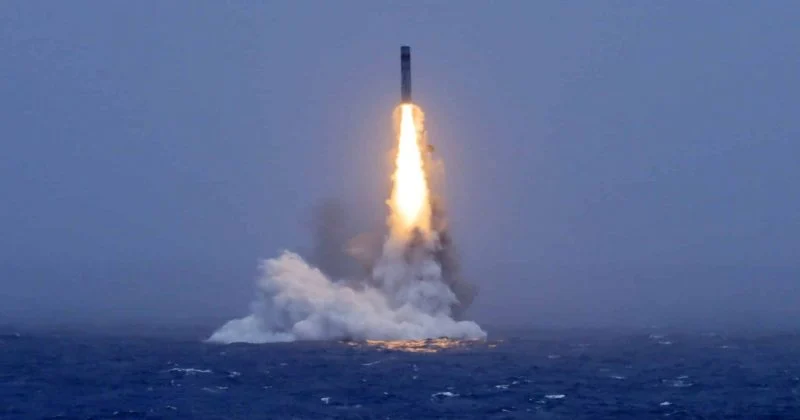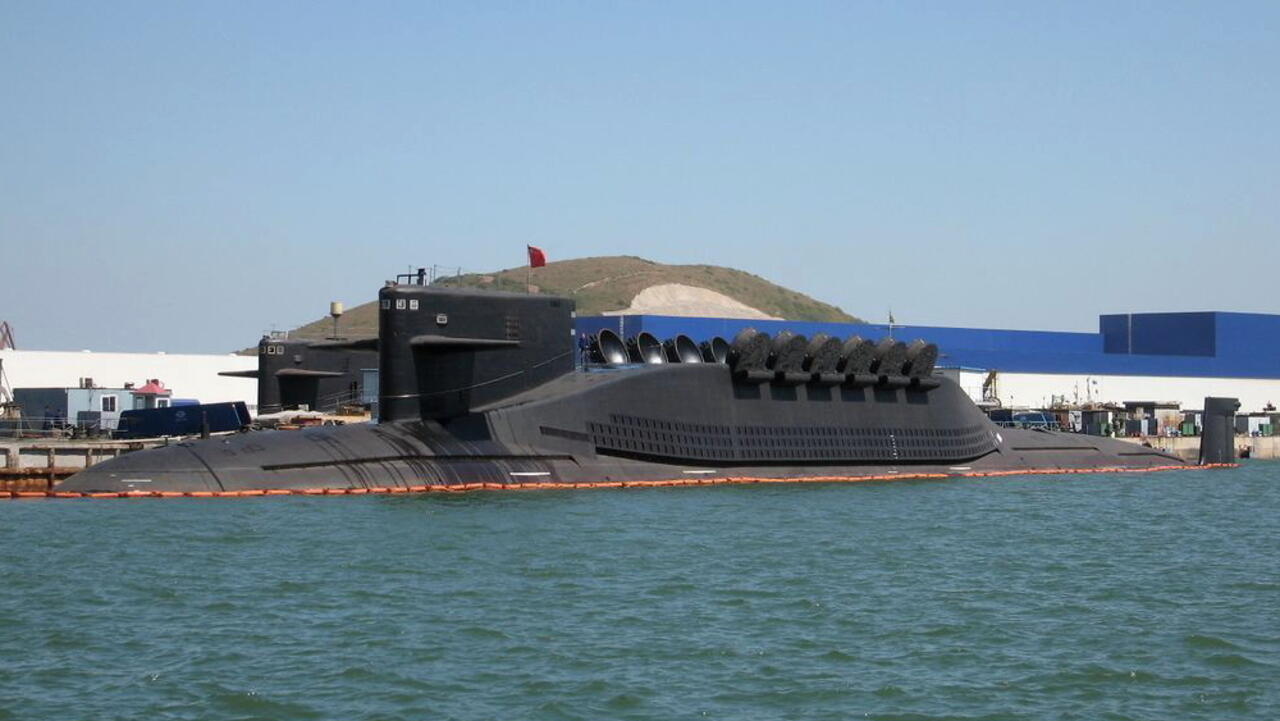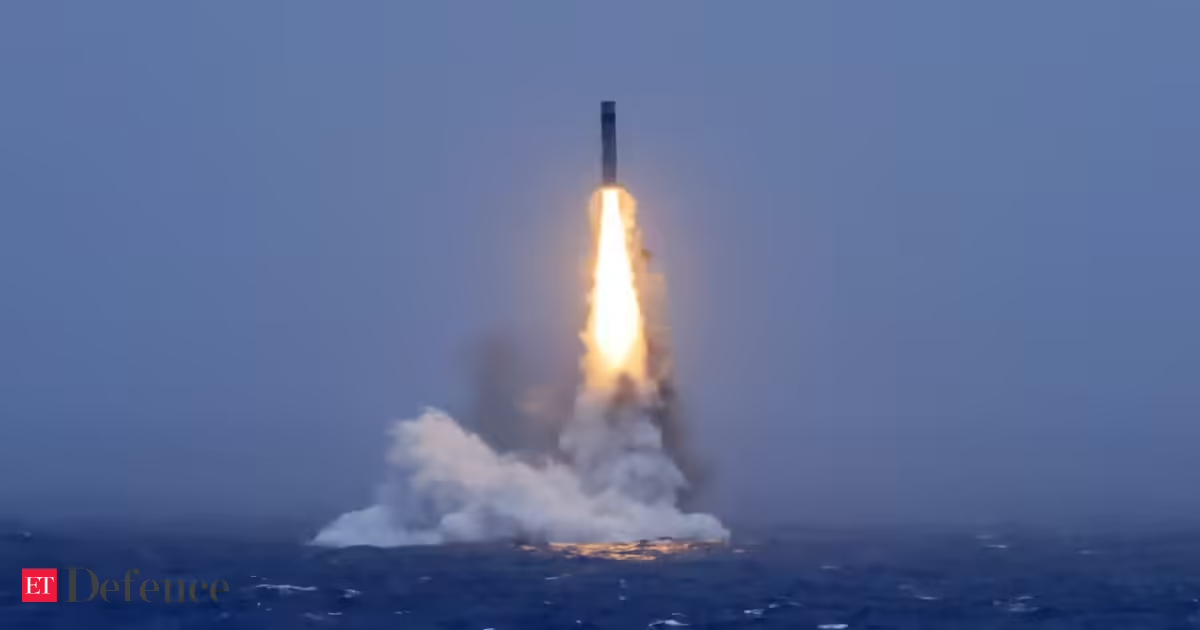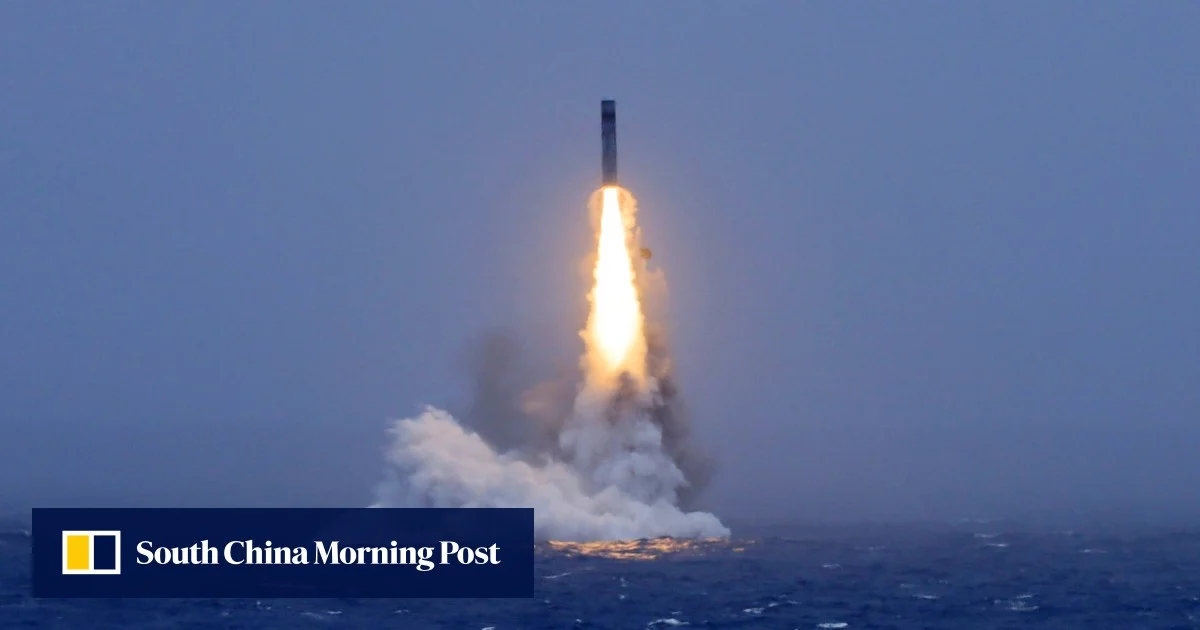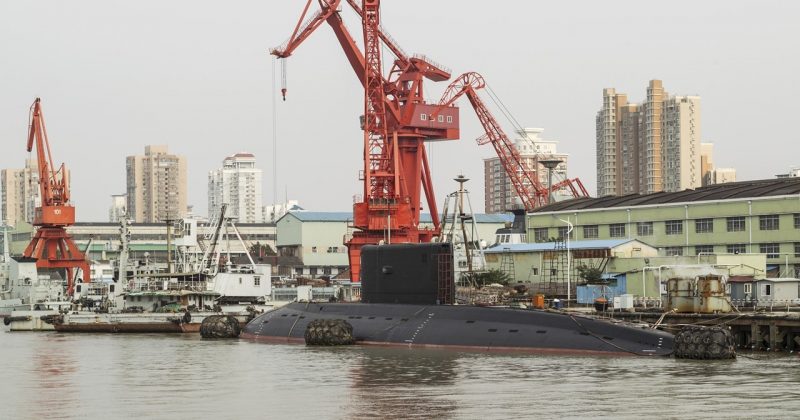
China has conducted its first public demonstration of a nuclear missile launch from a submarine, showcasing a significant advancement in its strategic military capabilities. The test involved a JL-3 missile launched from a Type-094 (Jin-class) submarine, reportedly covering a distance of over 10,000 kilometers. The missile trajectory stretched from the South China Sea, passing over the Philippines, and landing in the South Pacific Nuclear Free Zone. This development marks a pivotal step towards a fully operational sea-based nuclear triad for China and enhances its second-strike capability, which could deter intervention in regional conflicts, particularly concerning Taiwan.
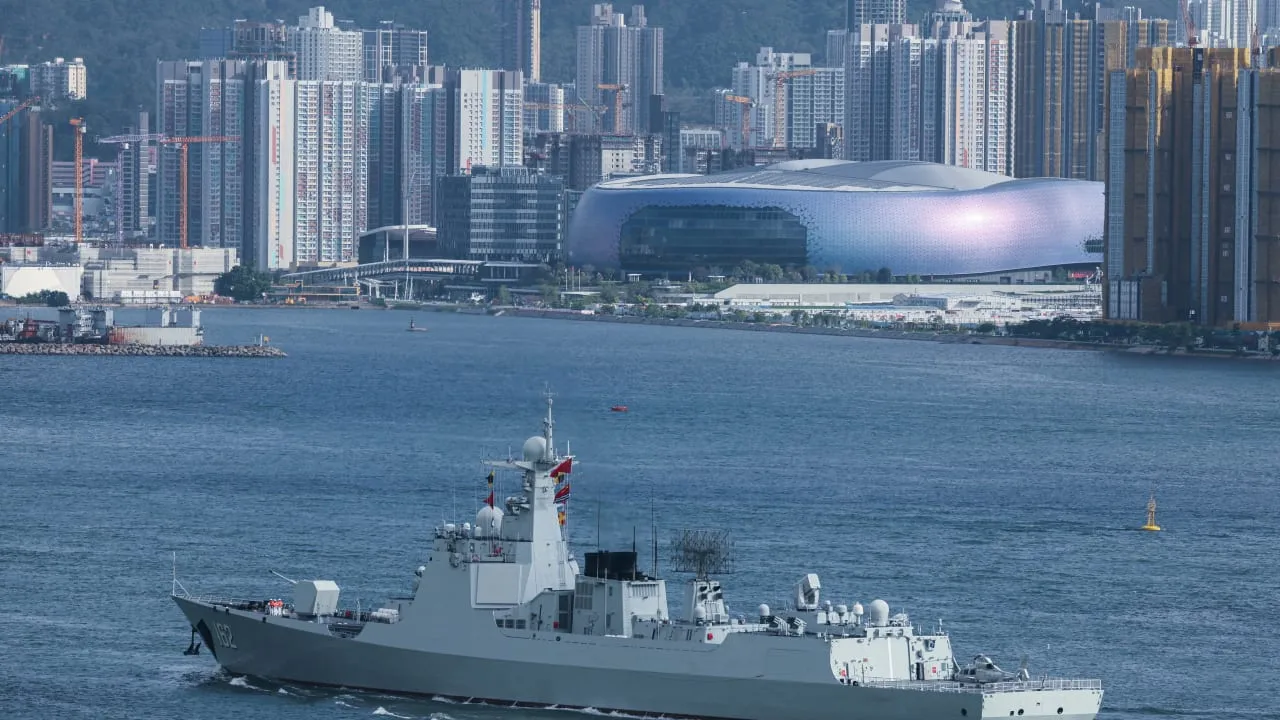
The test has raised regional security concerns, particularly from nations such as Australia, New Zealand, Japan, and the Philippines, who have criticized the move as destabilizing. China’s actions come amidst the ongoing Joint Sea 2026 naval exercise with Russia and follow a land-based ICBM test in September 2024. These developments suggest an acceleration in China’s nuclear capabilities, possibly aiming for strategic parity with the United States.
Markets indicate an increase in perceived risk for a military clash between China and Japan before 2027, with the likelihood currently priced at 5.5% for a clash by the end of 2026. The missile test is viewed as an escalation in China’s military posture, potentially heightening tensions in the region.