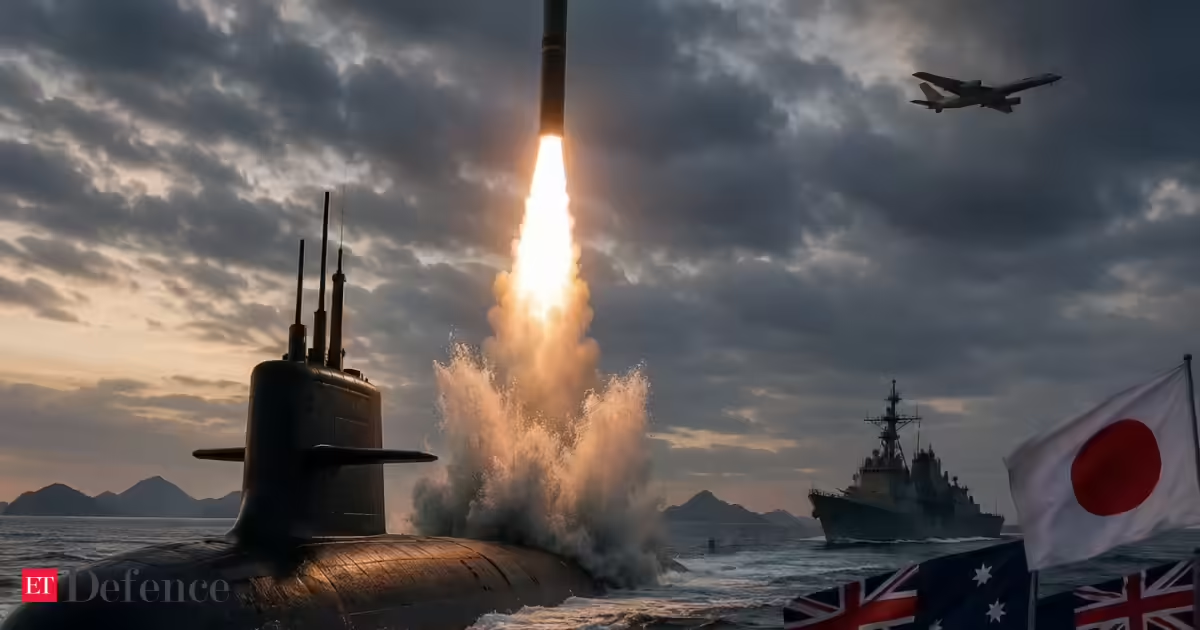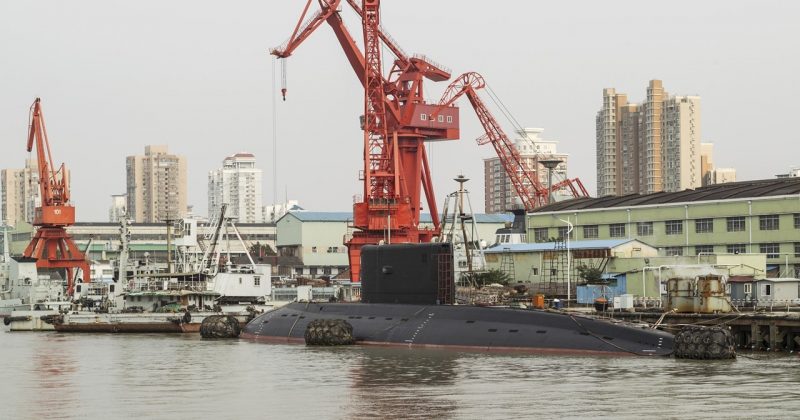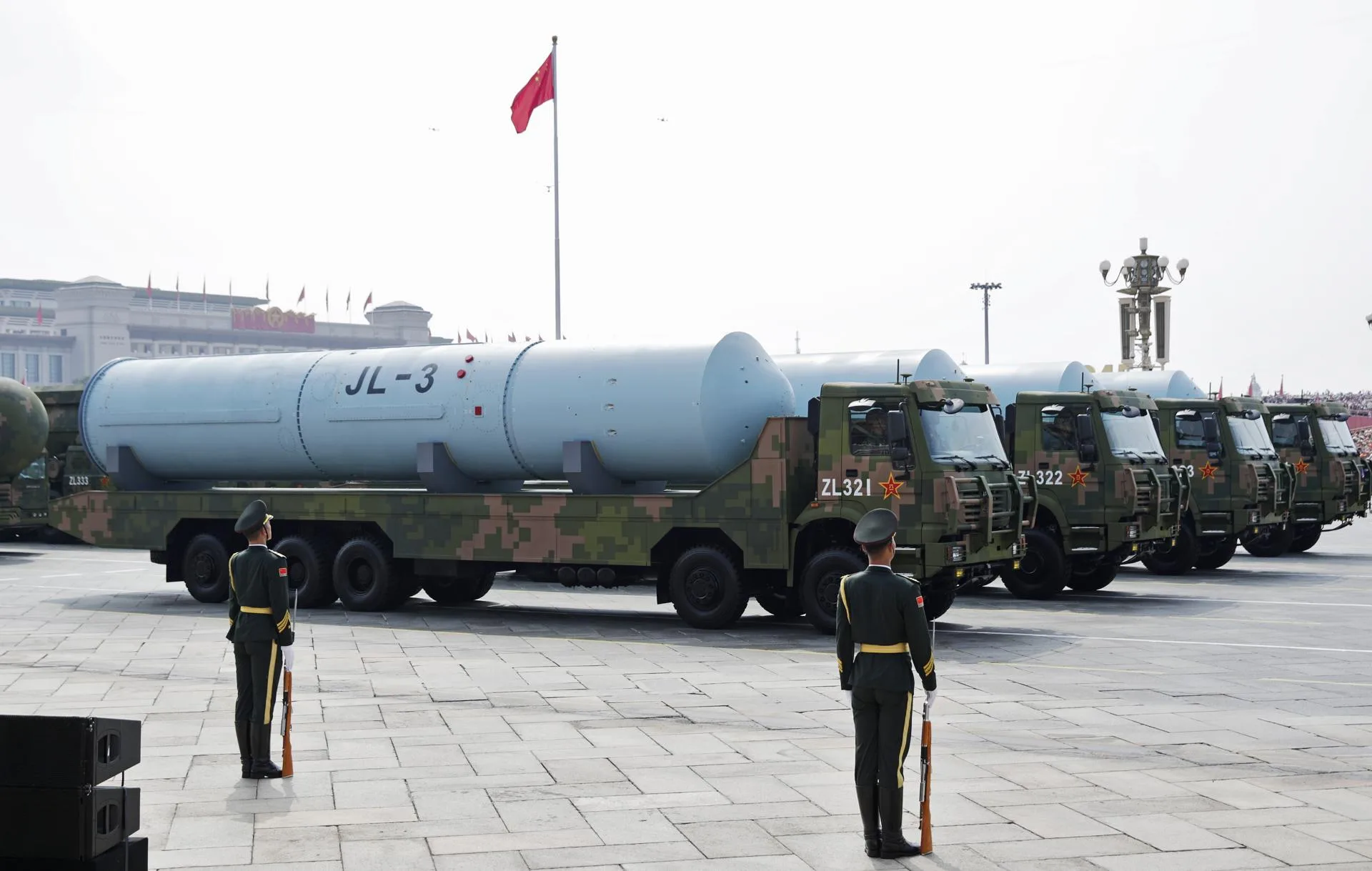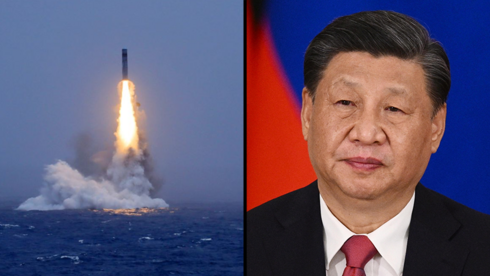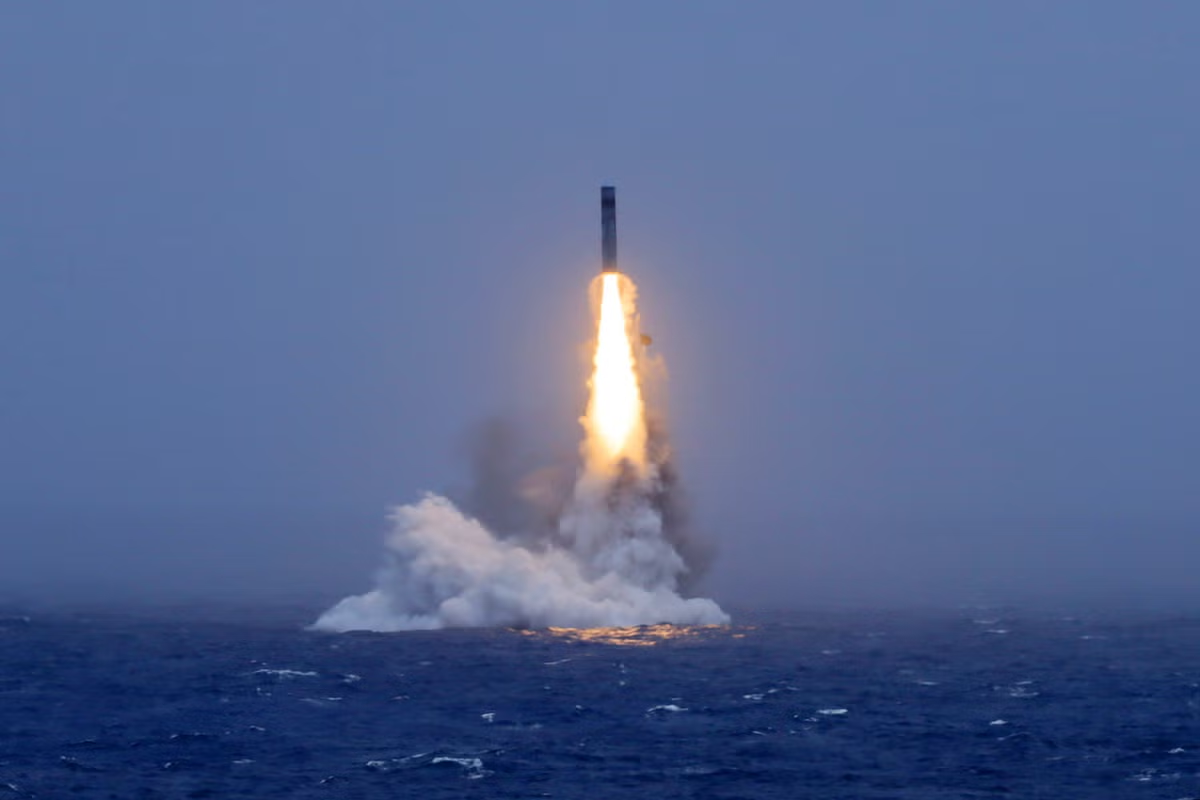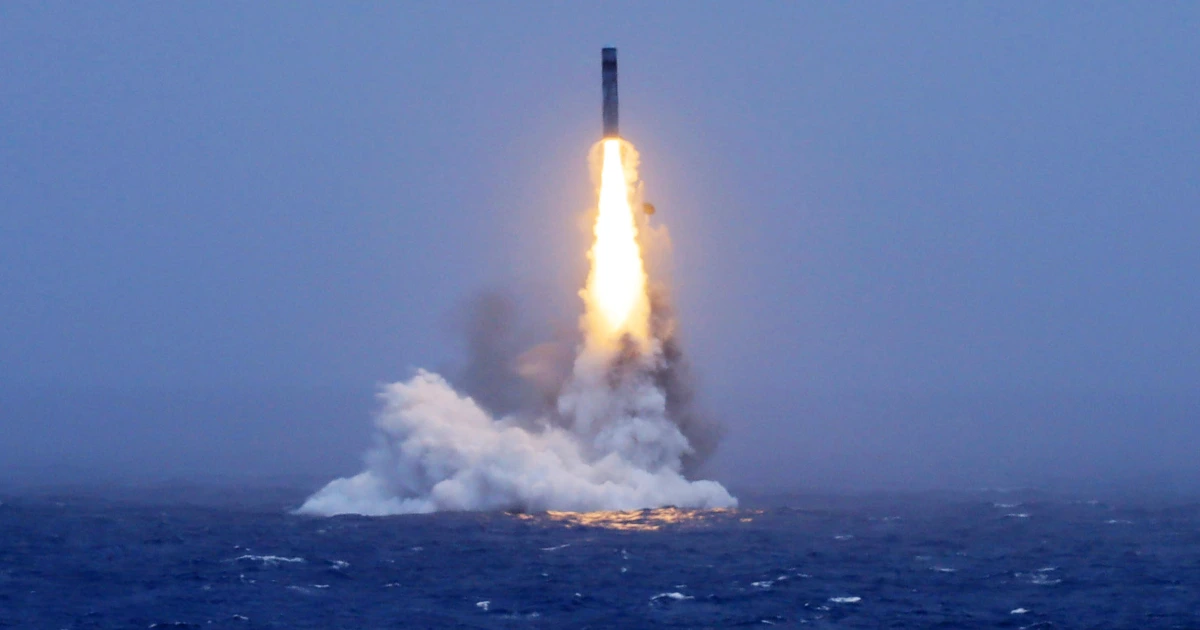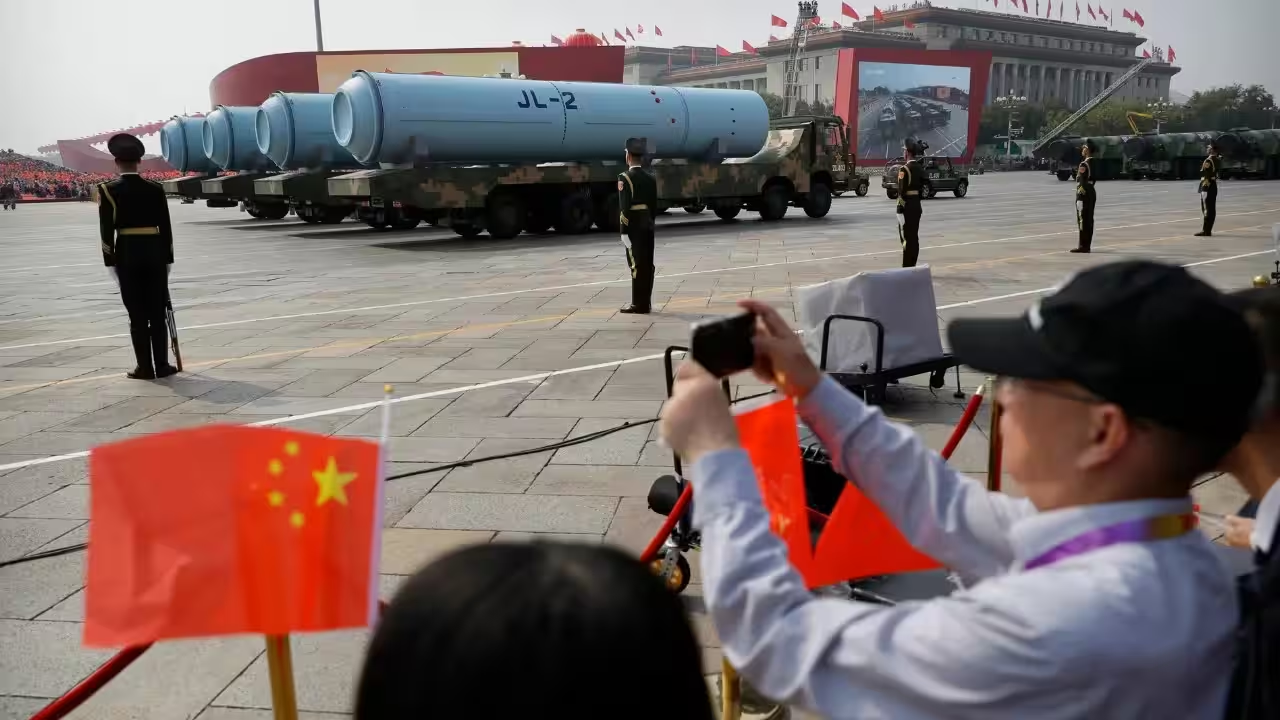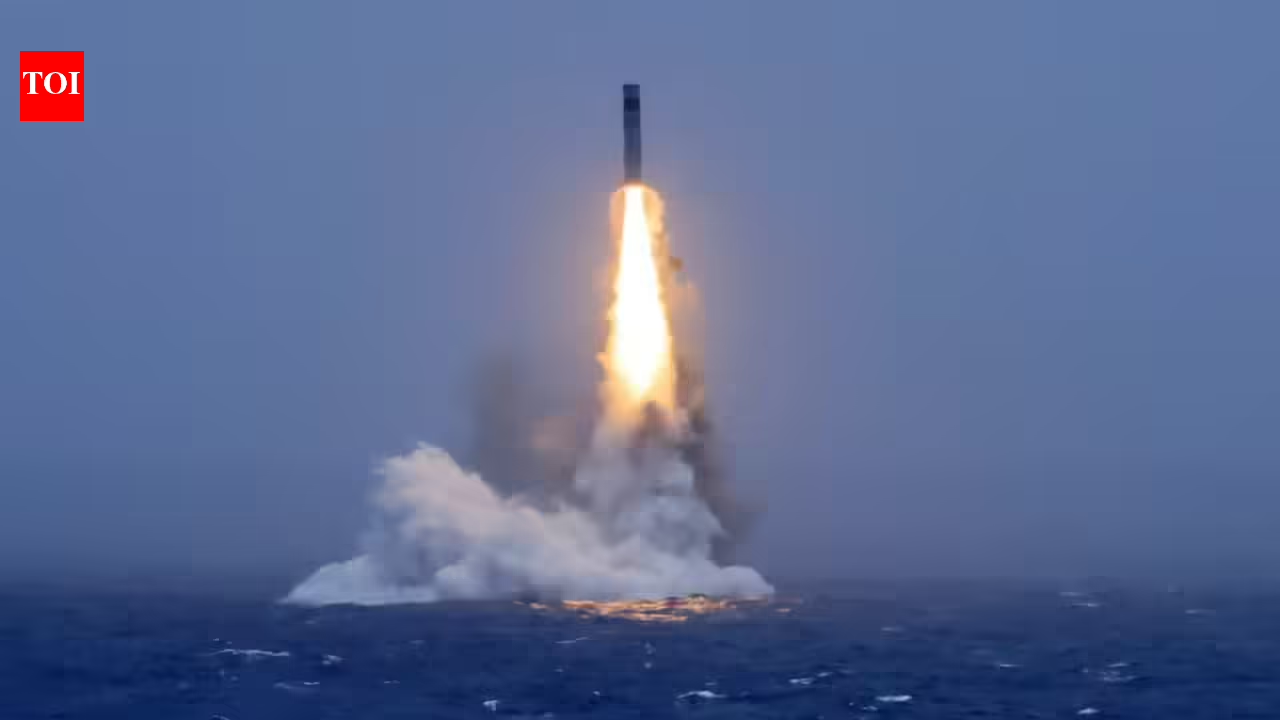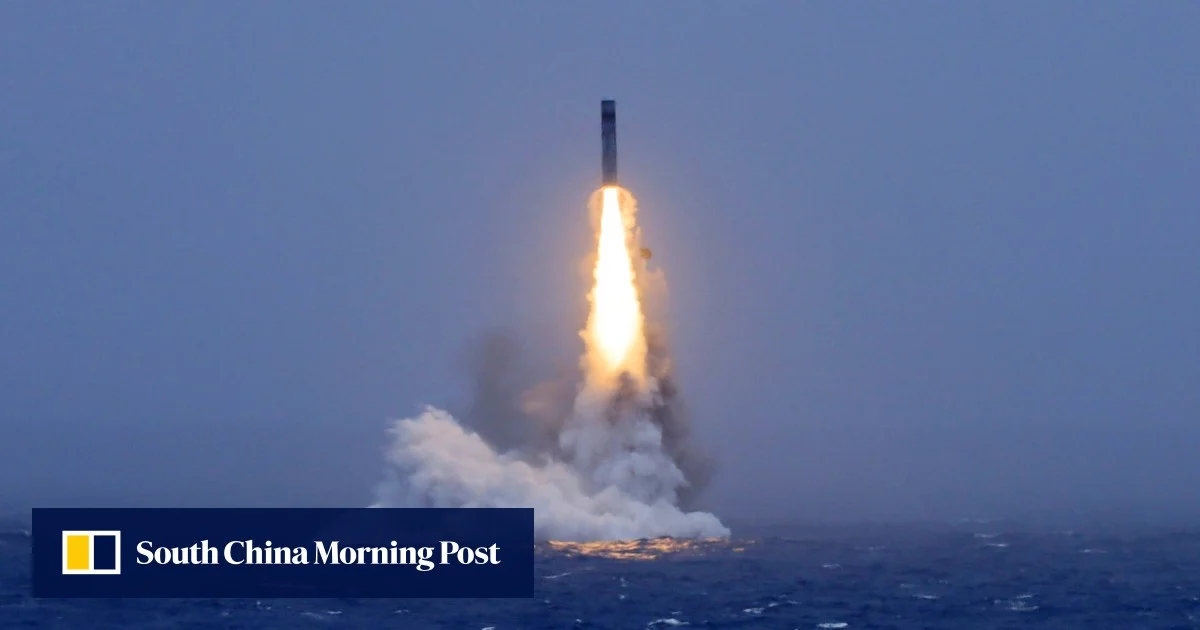
China’s rare launch of a ballistic missile from a nuclear-powered submarine into the deep Pacific sent a strategic signal to the United States and regional neighbours, particularly Japan, amid concerns about Beijing’s military expansion.Monday’s test is also likely to reinforce calls in Washington and among US allies for greater defence investment and closer security coordination as regional tensions continue to rise, according to analysts.What happened during China’s submarine-launched missile test?The launch served as a public demonstration of the operational readiness of China’s sea-based nuclear deterrent – the most survivable leg of its nuclear forces and a cornerstone of its second-strike capability – as Beijing continues its drive to establish a fully operational nuclear triad spanning land, sea and air.It was China’s first known submarine-launched ballistic missile test since 1982 and came nearly two years after Beijing publicly announced the launch of a land-based intercontinental ballistic missile into the Pacific – a move that also drew concern from countries across the region.“This missile test appears to have been intended more for strategic signalling than for technical experimentation or operational development,” said Zhao Tong, a senior fellow at the Carnegie Endowment for International Peace.“Although China has long been understood to possess this capability, this marks its first public demonstration.”Despite Beijing’s confirmation of the launch and its advance notification to countries including Australia, Japan and New Zealand, questions remain over which missile was tested, where it was launched from and which flight path it followed.
What does China’s submarine missile test mean for its nuclear triad expansion?
More than a technical milestone, the undersea launch sends a strategic signal to the US and Beijing’s neighbours in the Asia-Pacific, analysts say.
242 words~1 min read