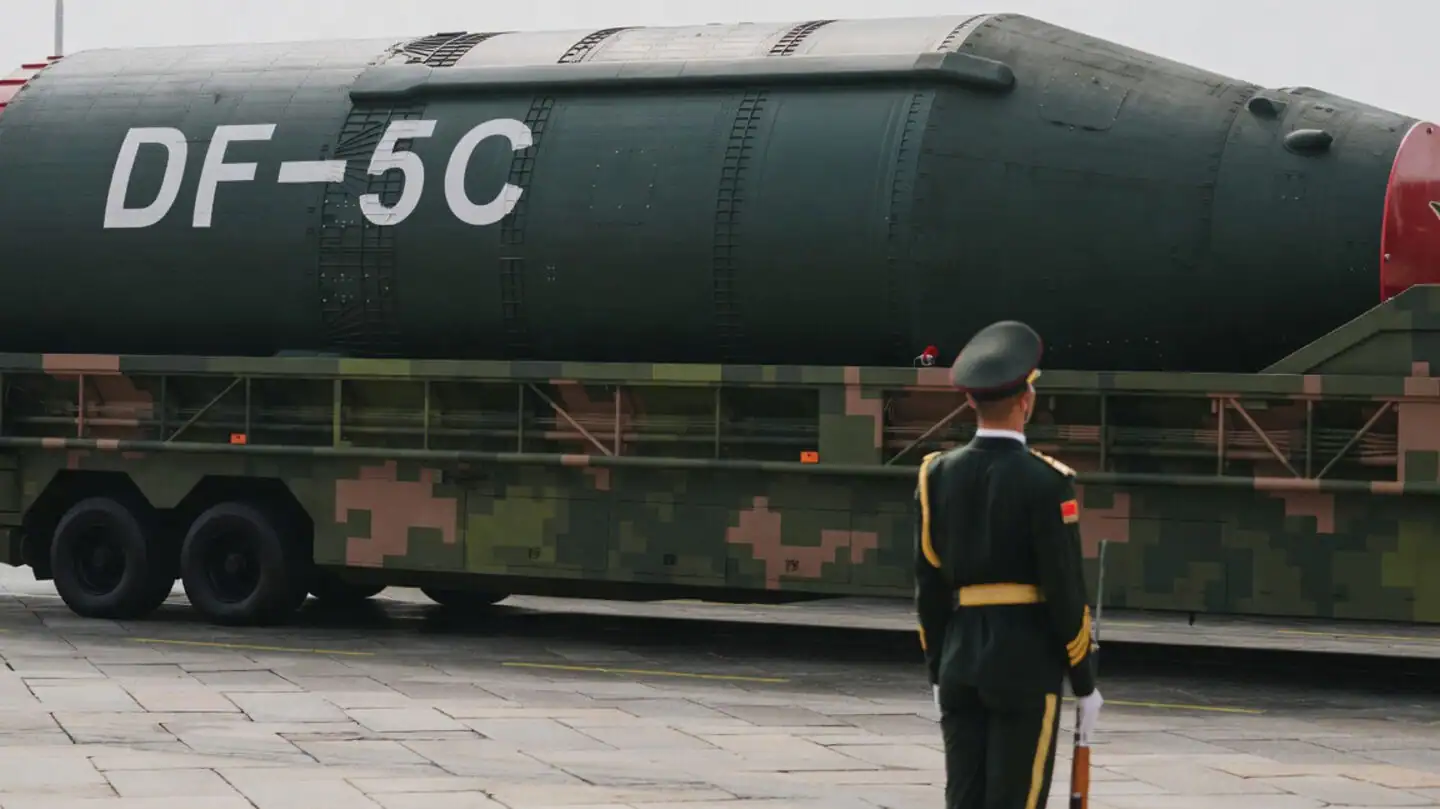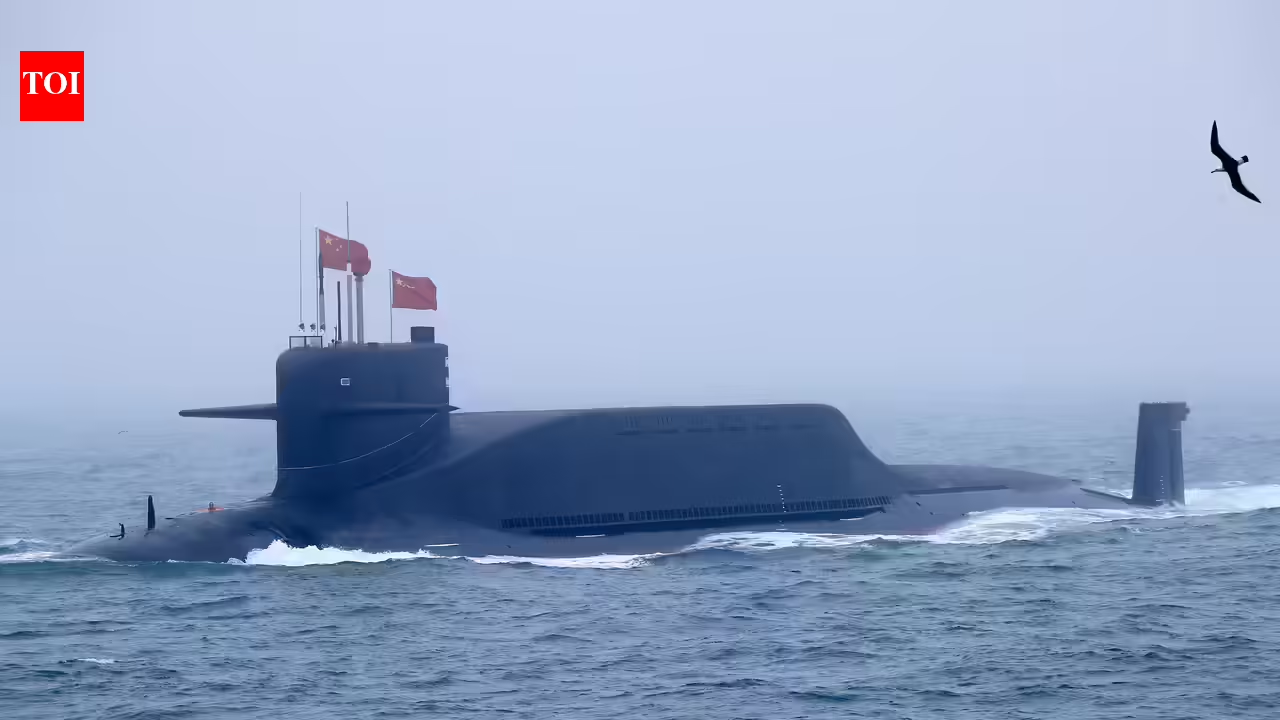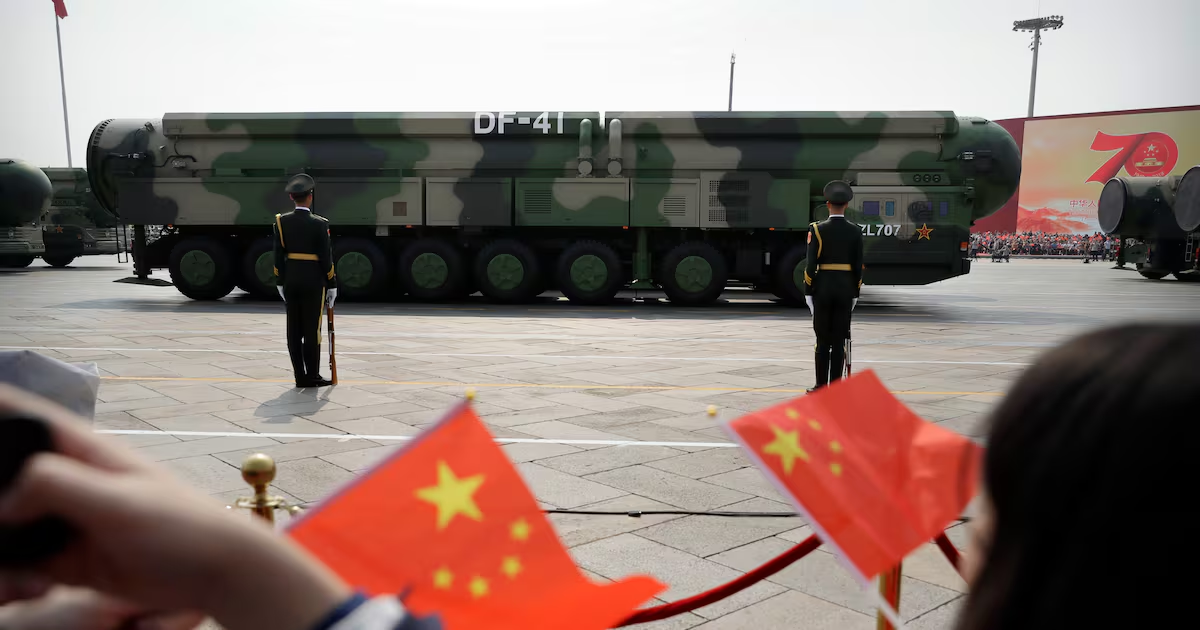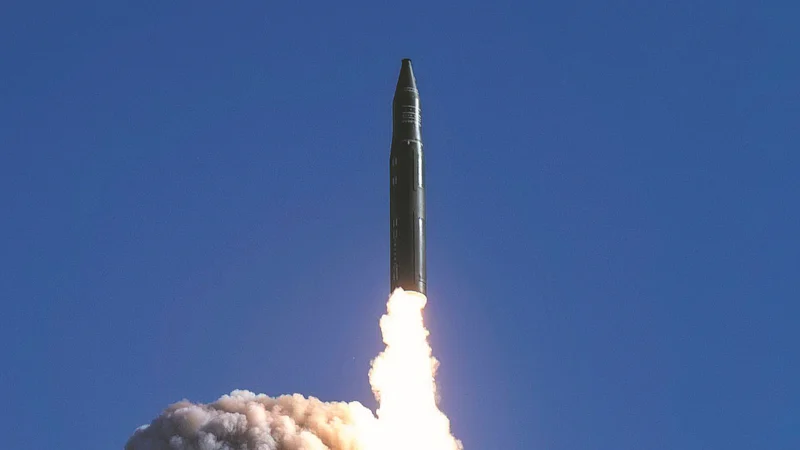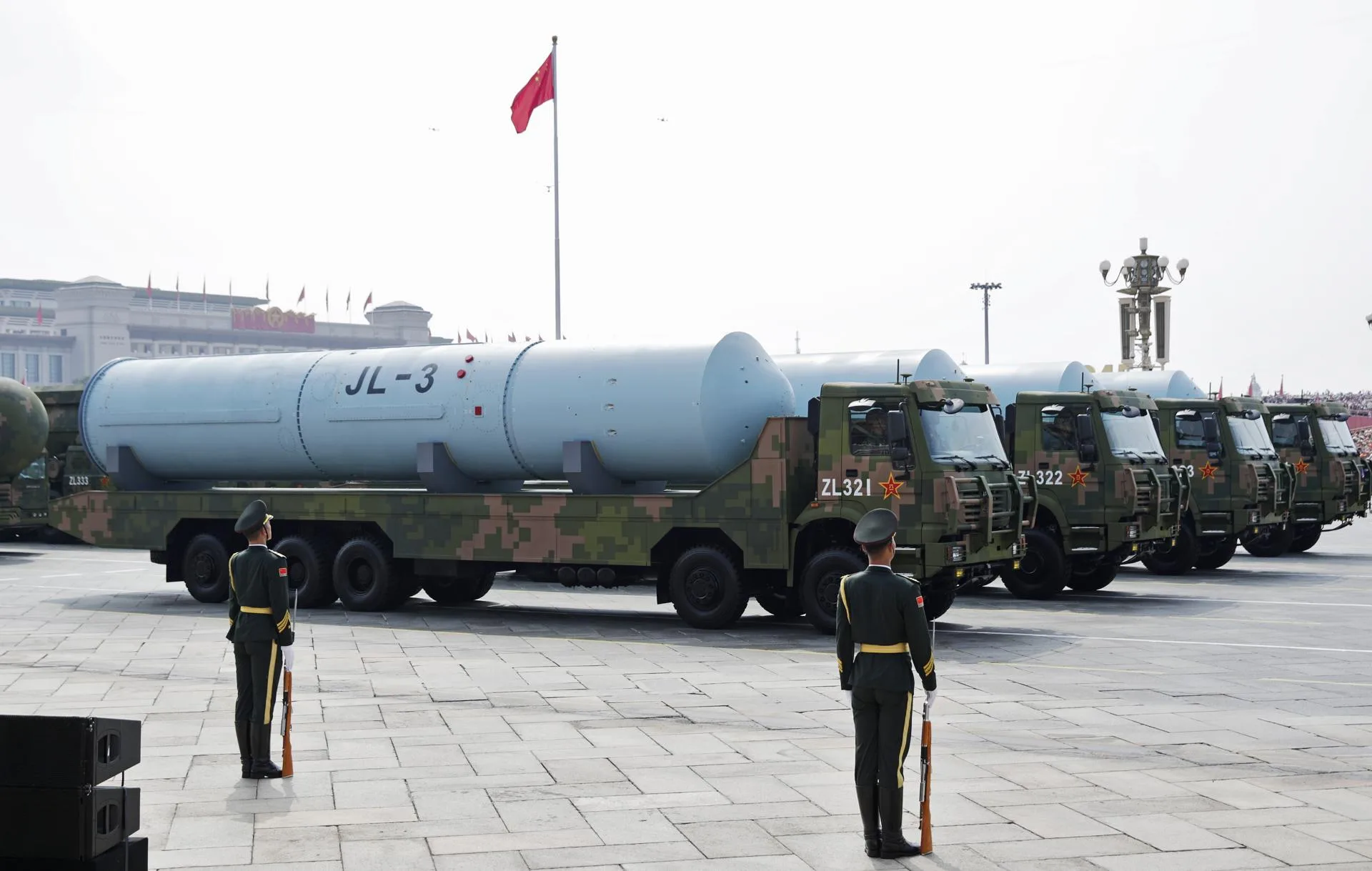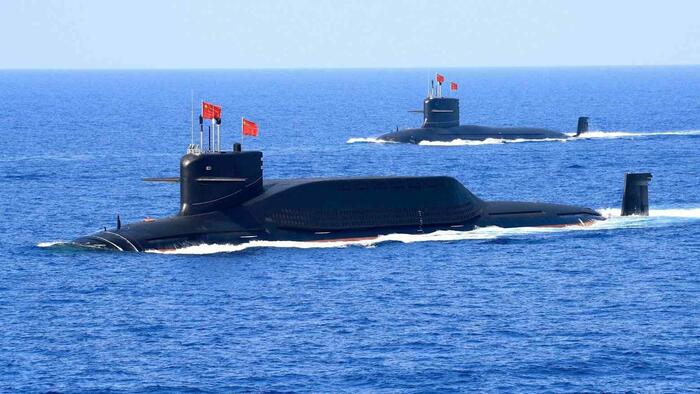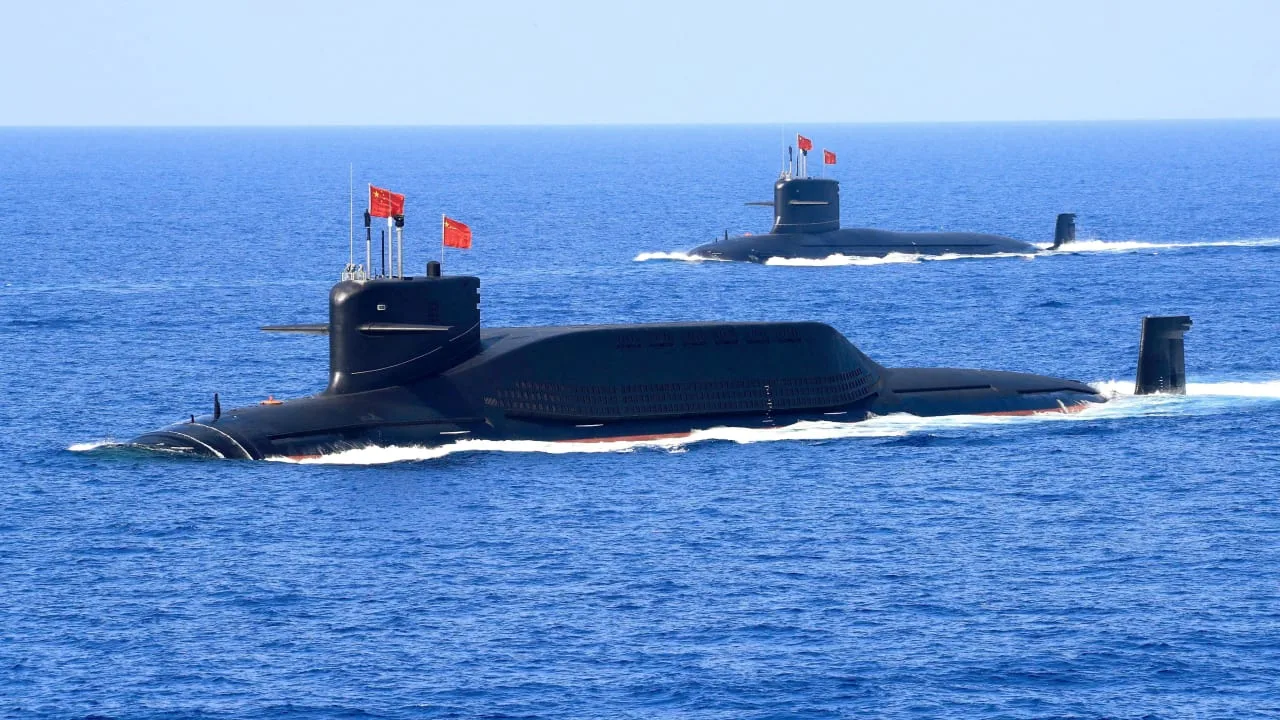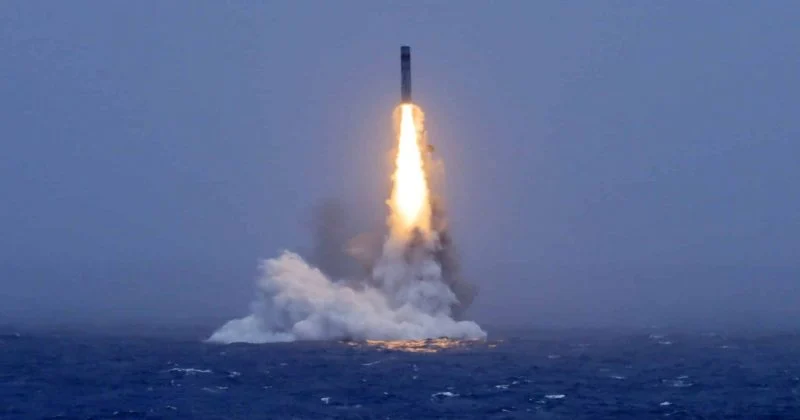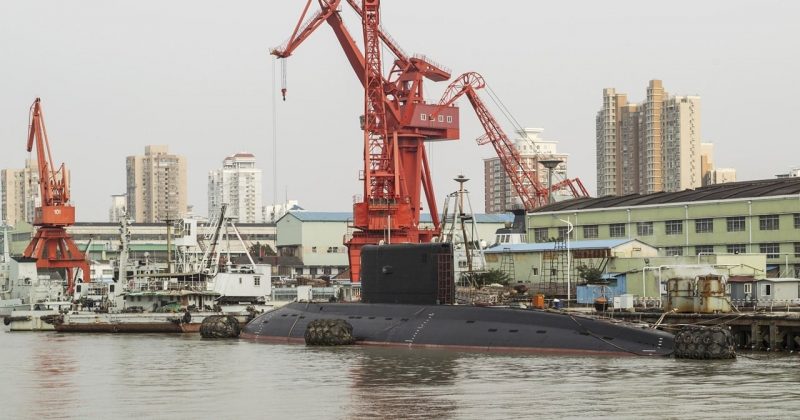
China has conducted a test-firing of a nuclear-capable missile from a submarine into the Pacific Ocean, as reported by Press TV. This development is part of China’s ongoing efforts to modernize its nuclear arsenal and expand its sea-based second-strike capabilities. The move is seen as a significant escalation in military capabilities, particularly in the context of heightened tensions with the United States and its allies in the Indo-Pacific region. Analysts suggest that this test, likely involving a JL-3 missile, enhances China’s ability to launch intercontinental nuclear strikes while remaining close to its own shores, thus bolstering the survivability and credibility of its nuclear deterrent.
The test comes amid strained relations between China and the United States, fueled by disputes over Taiwan, activities in the South China Sea, and other regional confrontations. This latest military development appears to have implications for geopolitical stability in the region, notably increasing concerns about potential conflicts involving China’s neighbors, such as Japan. In prediction markets, there is an observable increase in perceived risk, with the probability of a military clash between China and Japan before 2027 experiencing an upward shift.