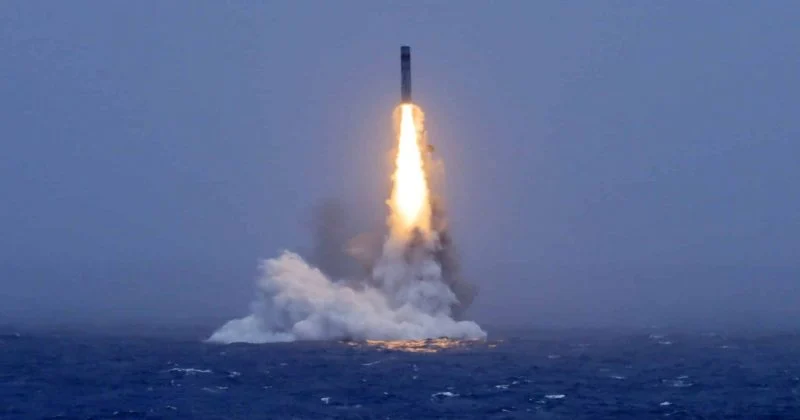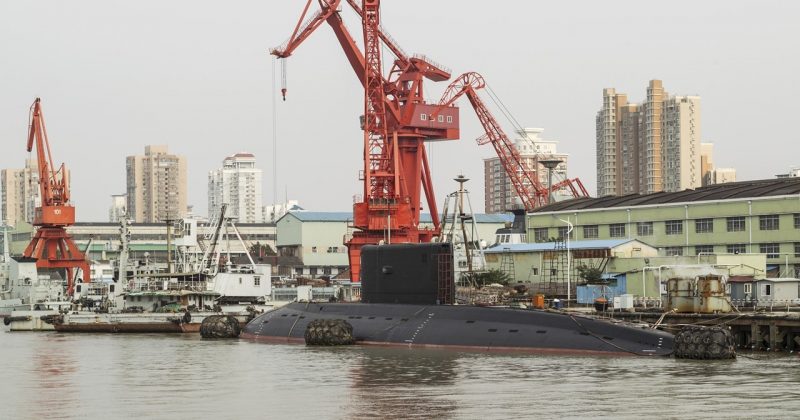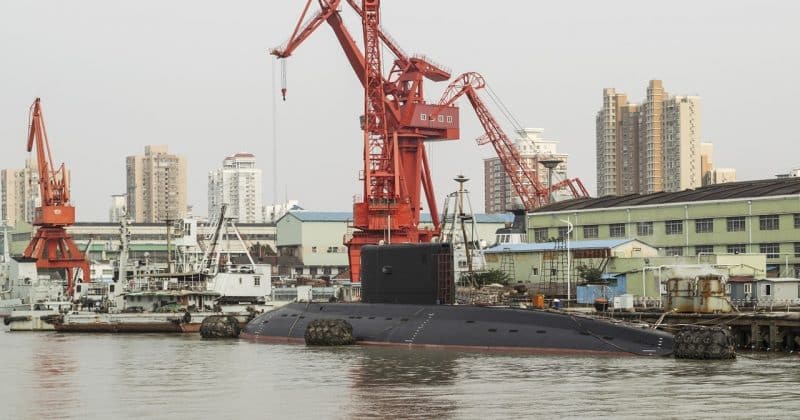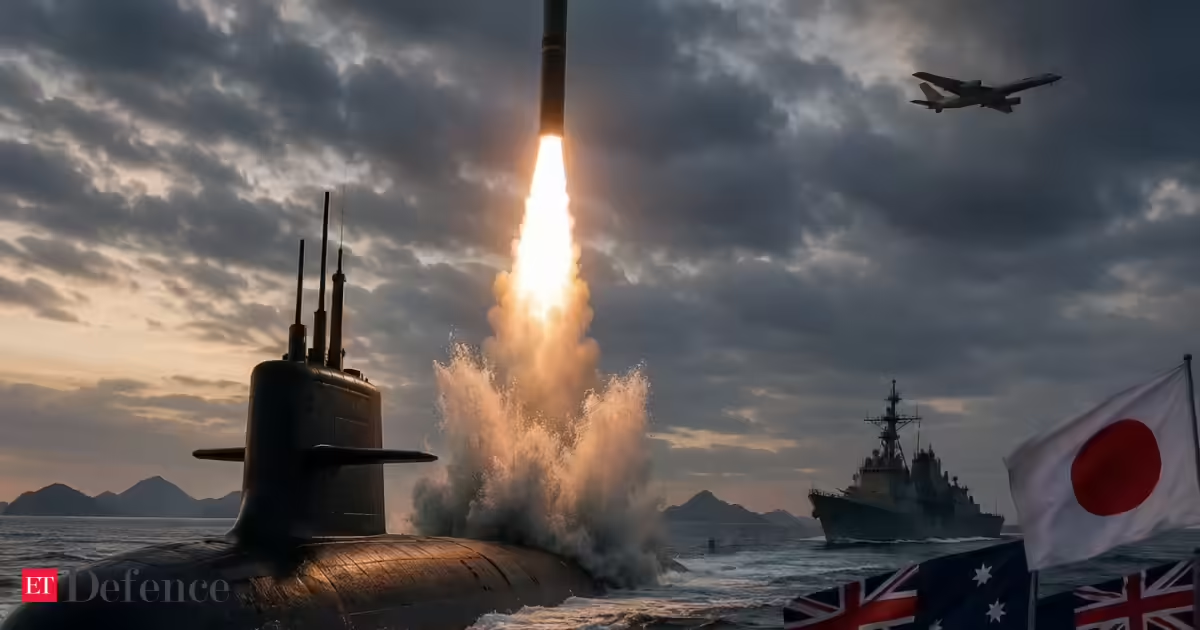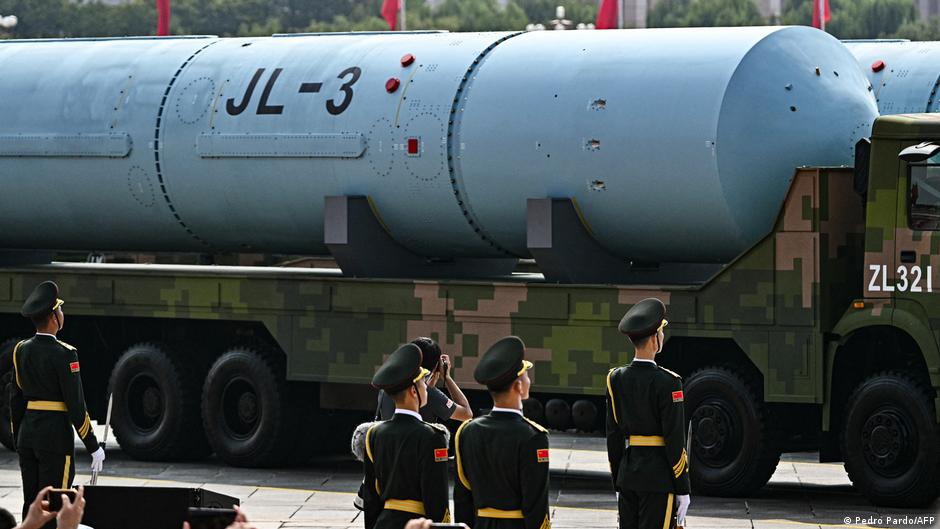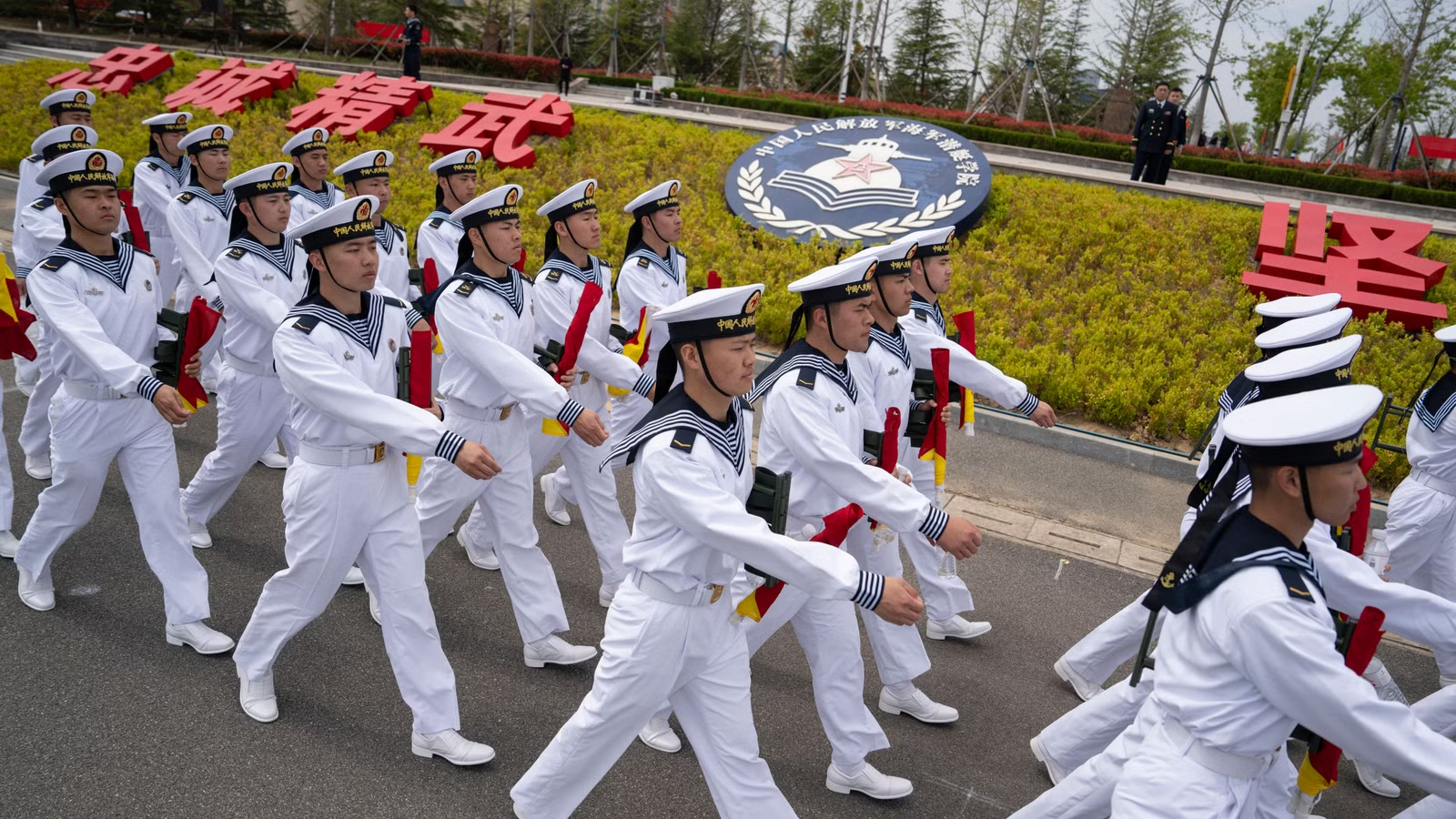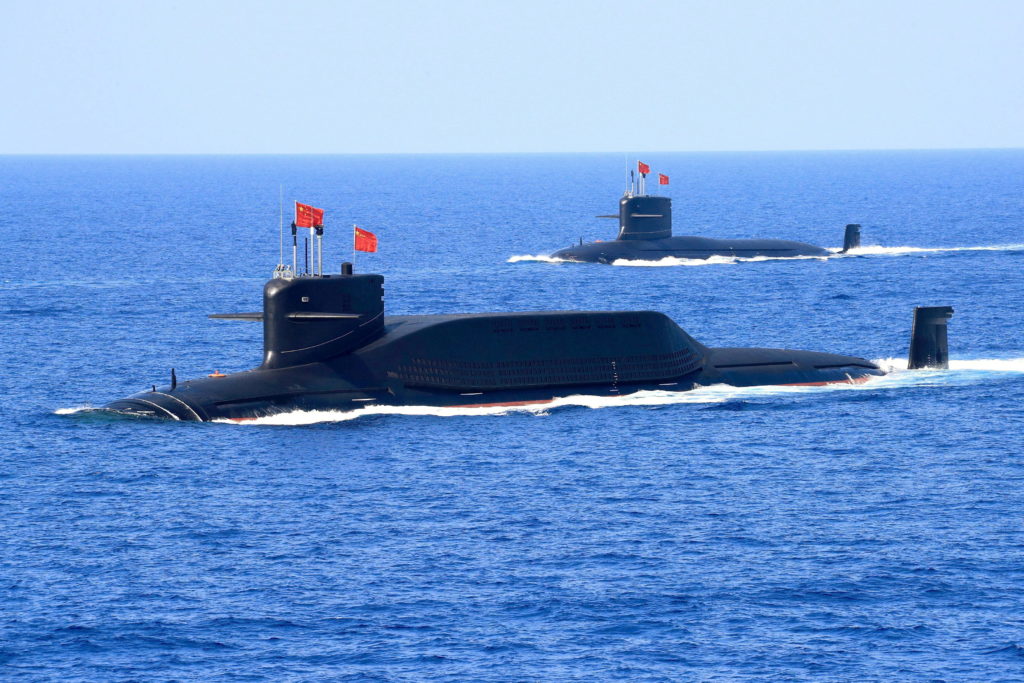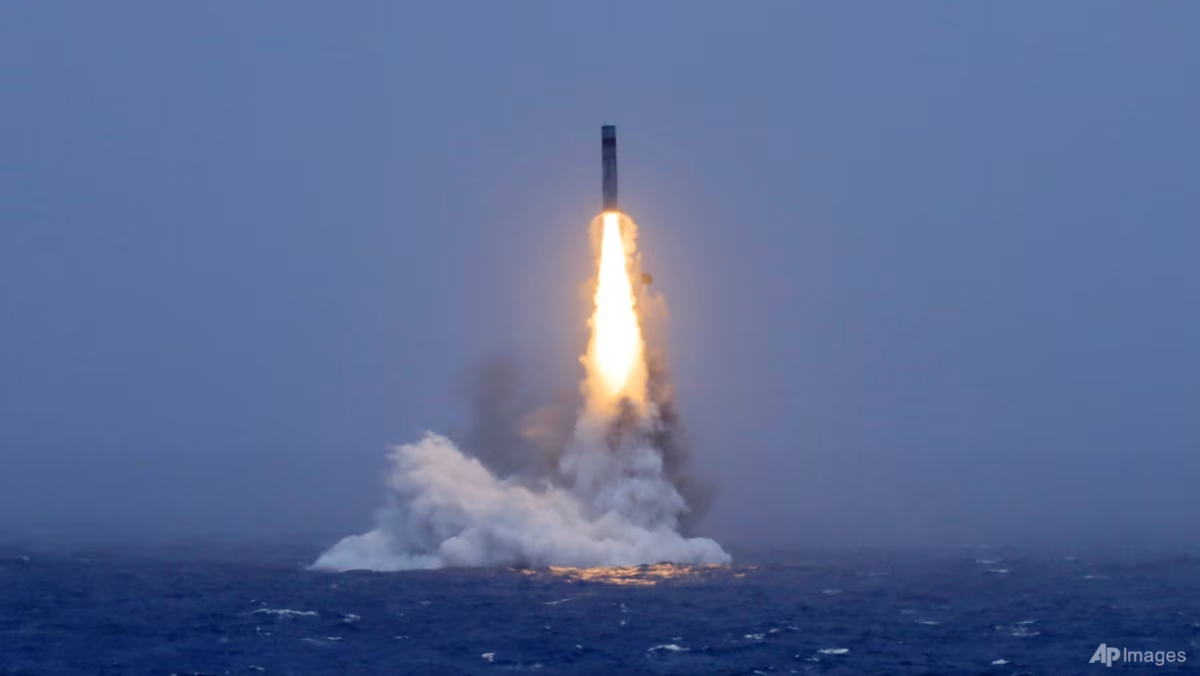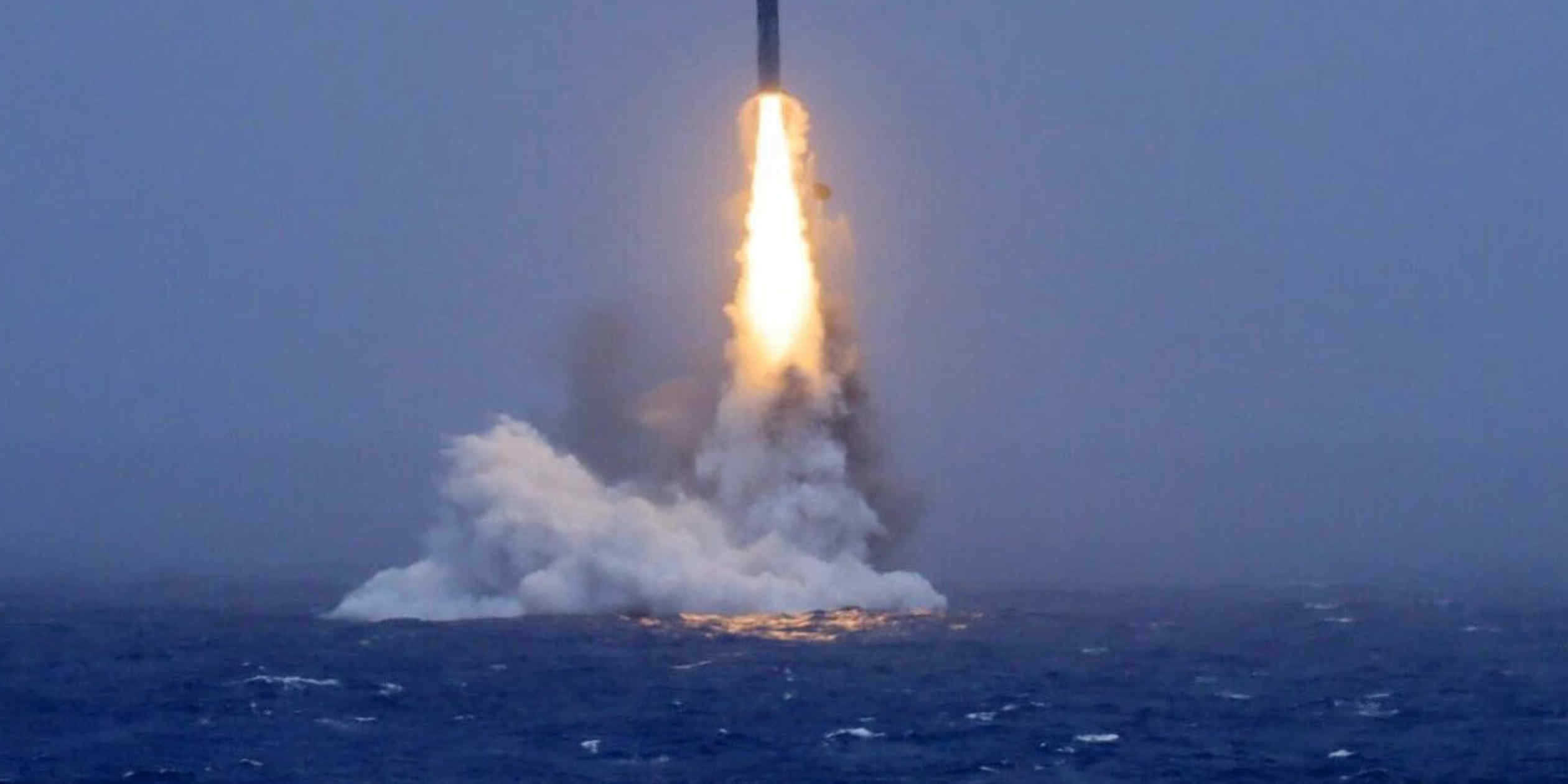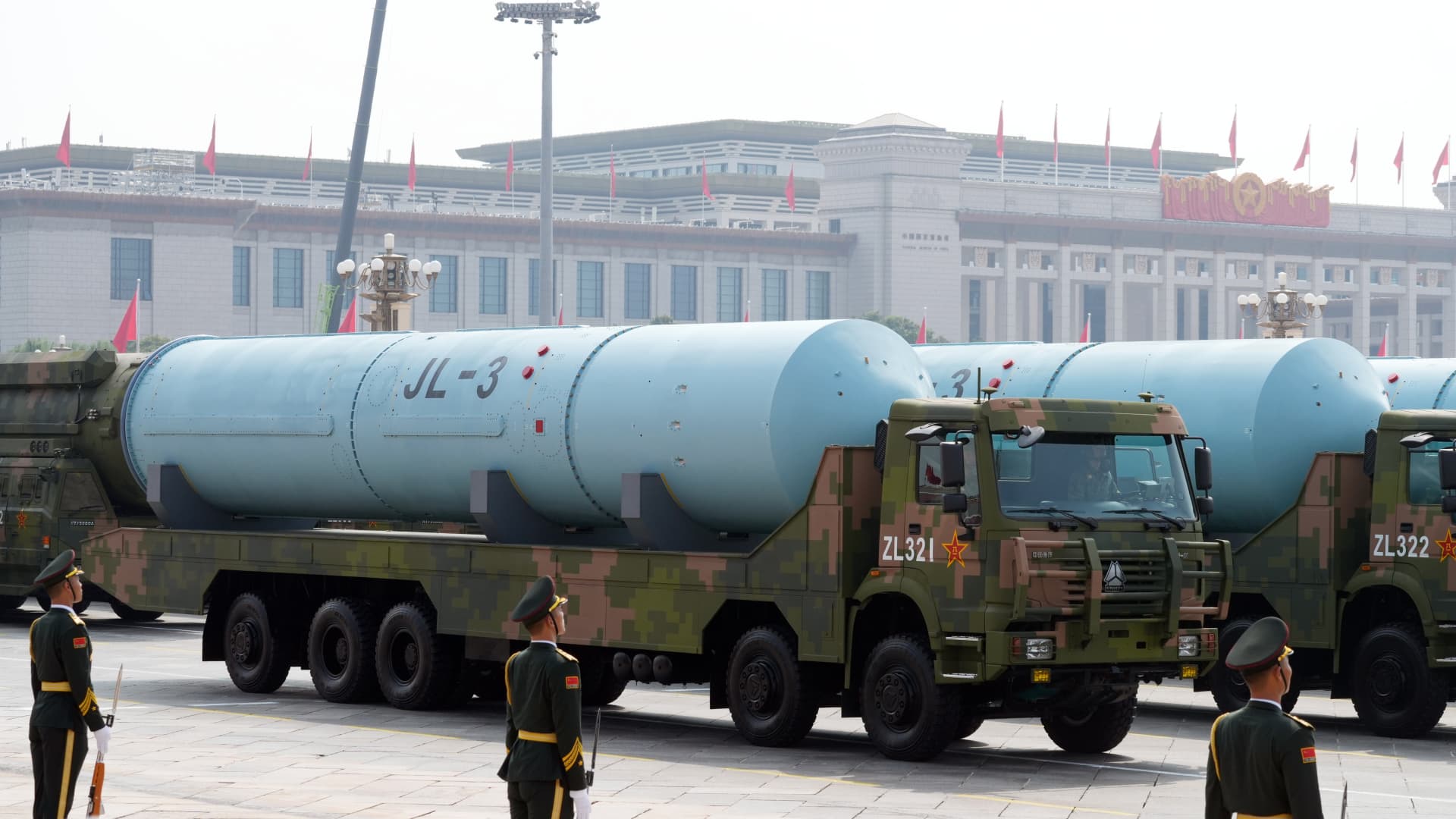
China’s recent submarine-launched ballistic missile (SLBM) test in the Pacific Ocean has raised concerns among Asia-Pacific nations and could lead to stronger regional alliances, according to analysts. The missile test, conducted on July 6, 2026, from a nuclear-powered submarine, is seen as a demonstration of China’s growing military capabilities. It is part of China’s annual military training regimen and underscores its ability to conduct sea-based strategic nuclear strikes. This development has drawn criticism from countries like New Zealand and Australia, who argue that it threatens regional stability despite China’s assertion of compliance with international law.
In the prediction markets, this test appears to have influenced perceptions of heightened military tensions in the region. Specifically, the likelihood of a military clash between China and Japan before 2027 is now perceived as more probable, with odds slightly increasing from 6% to 6.5% over the past day. This shift reflects concerns about the potential for increased military engagements or provocations in response to China’s actions. Moreover, the missile test has led to speculation about the impact on other regional markets, including the likelihood of a China-Taiwan conflict, although this market has seen a slight decrease in perceived probability.