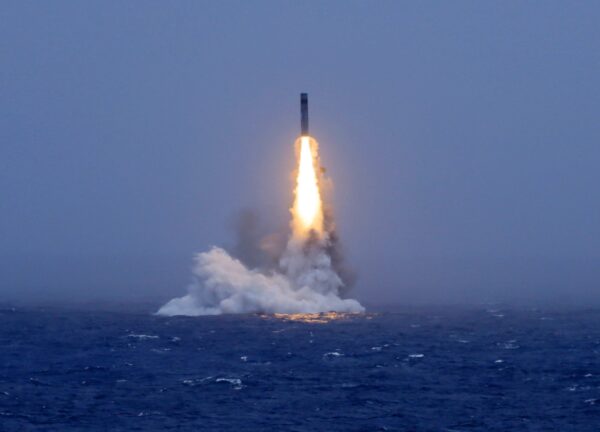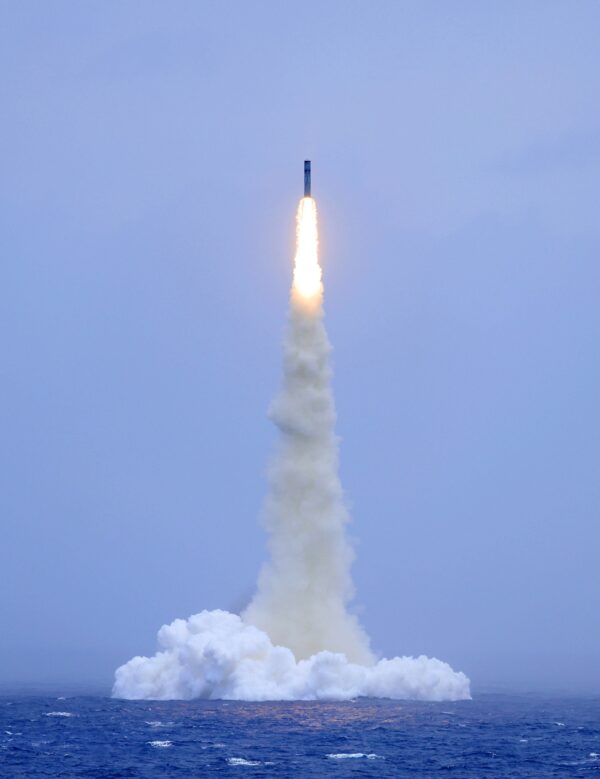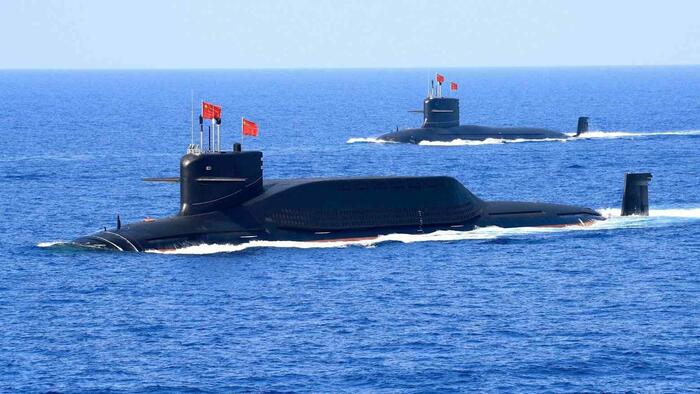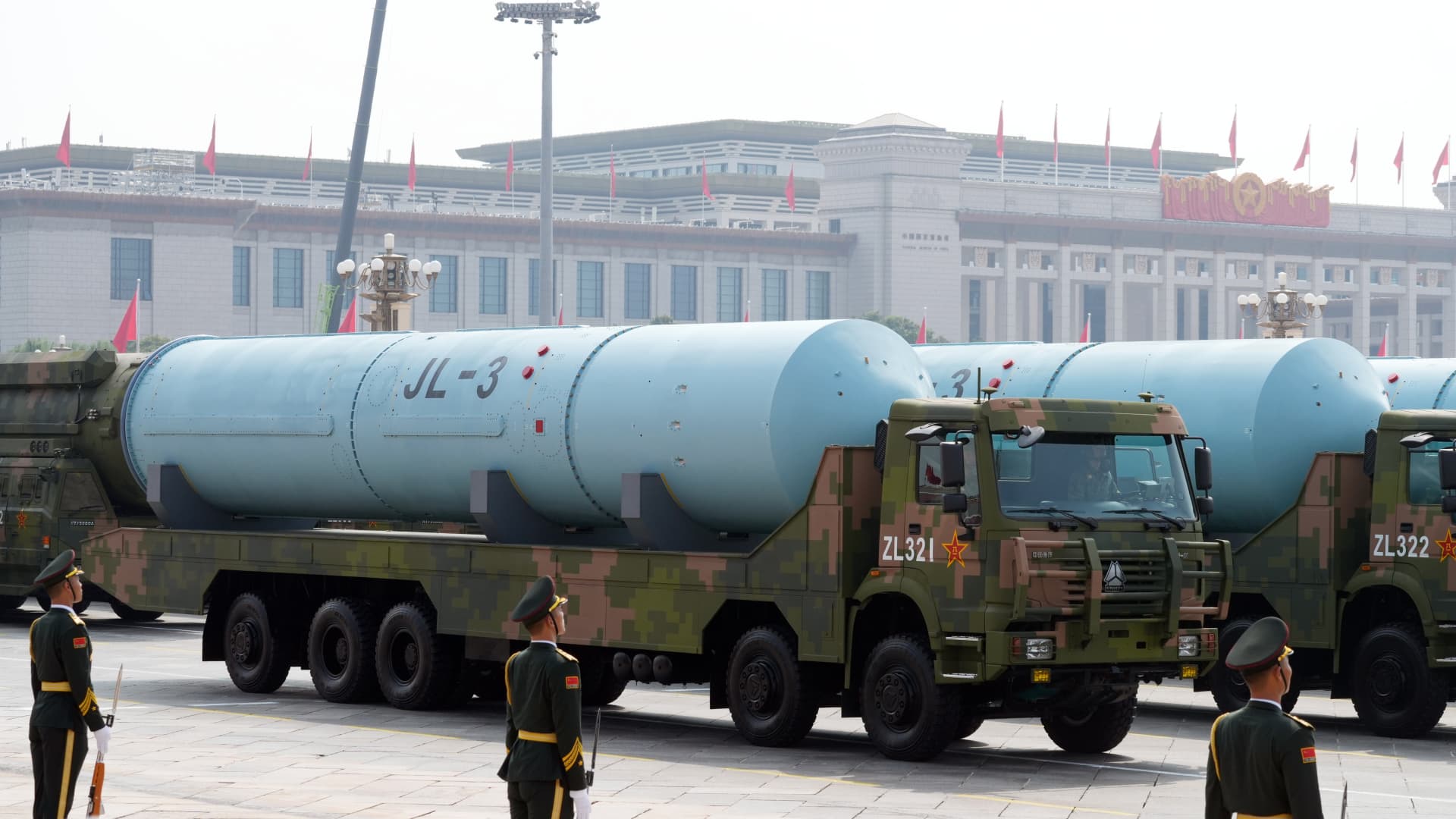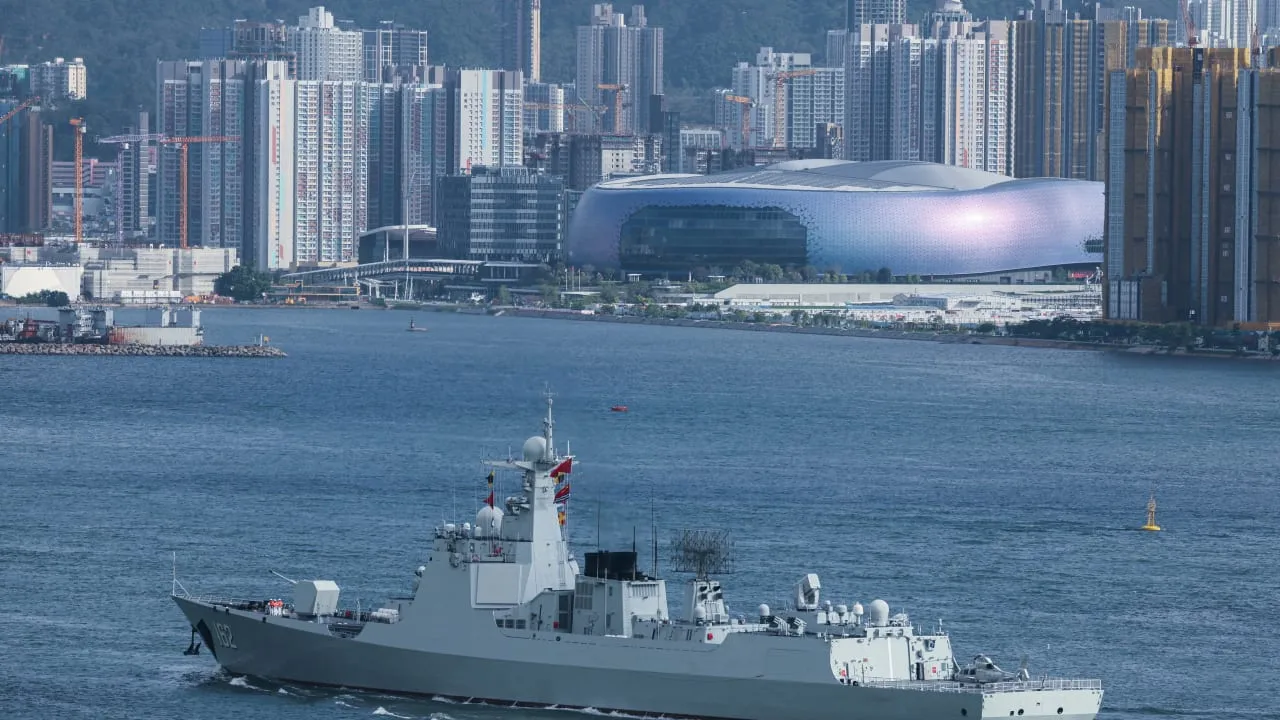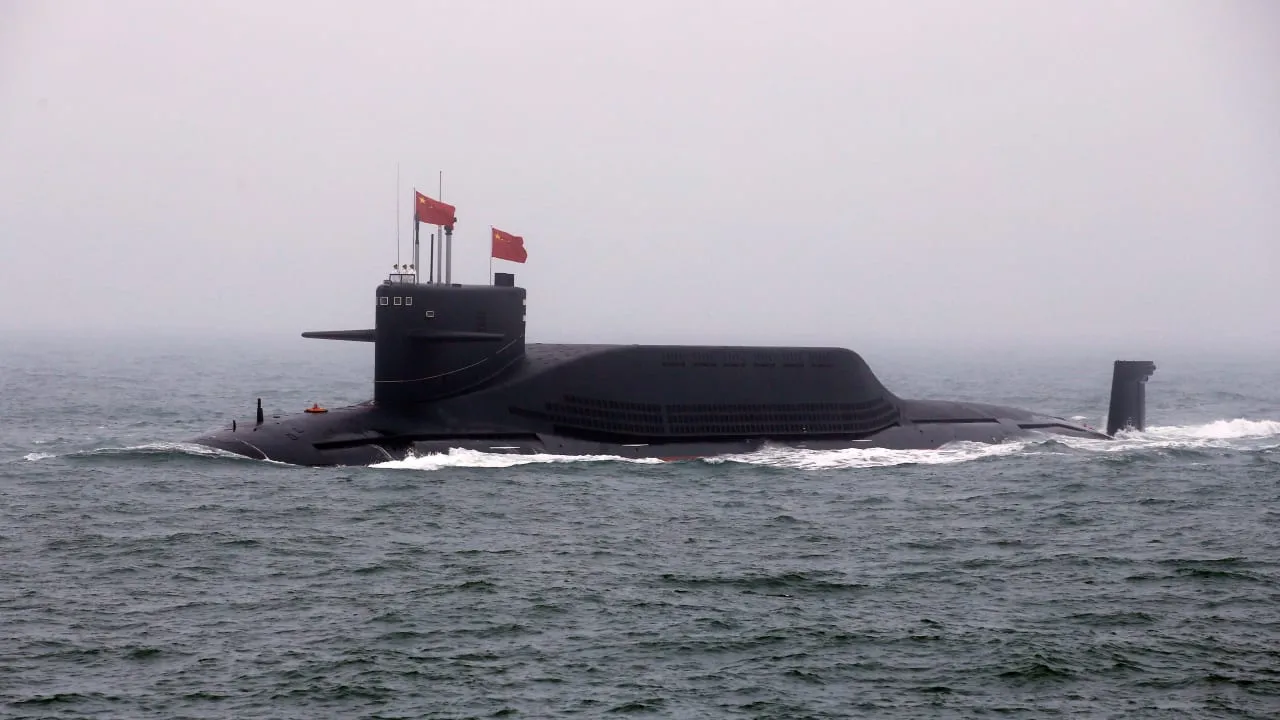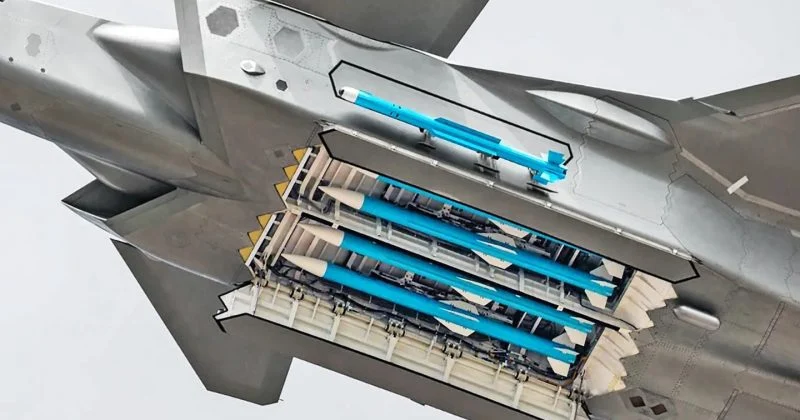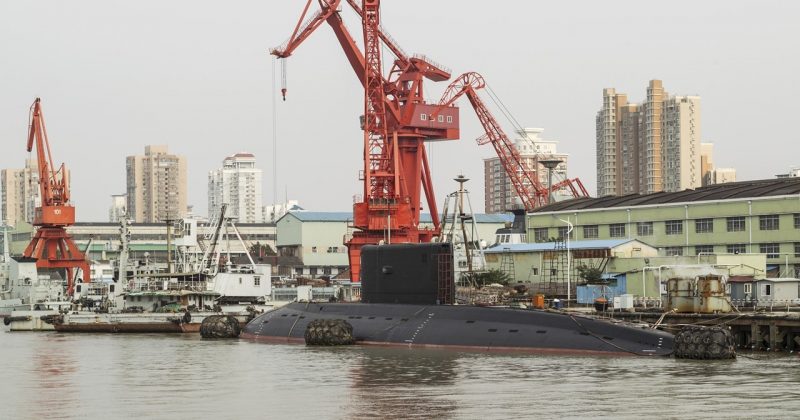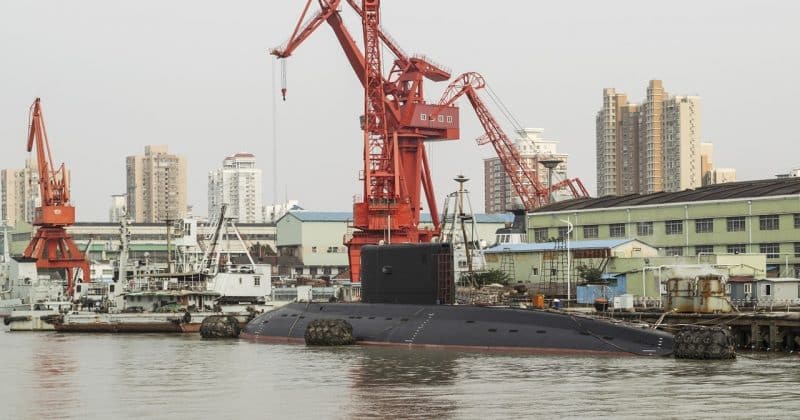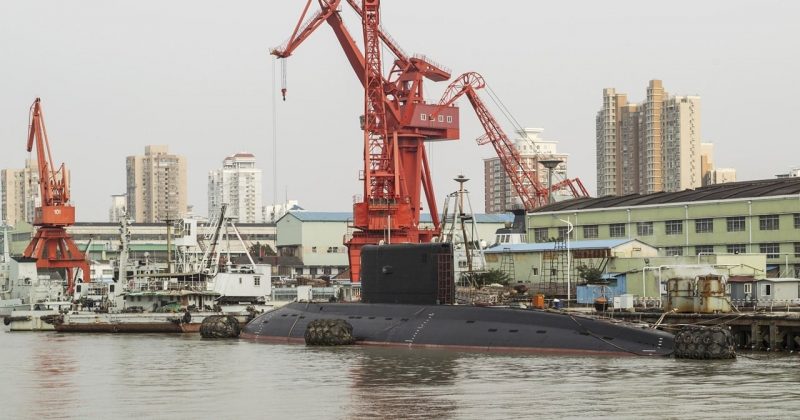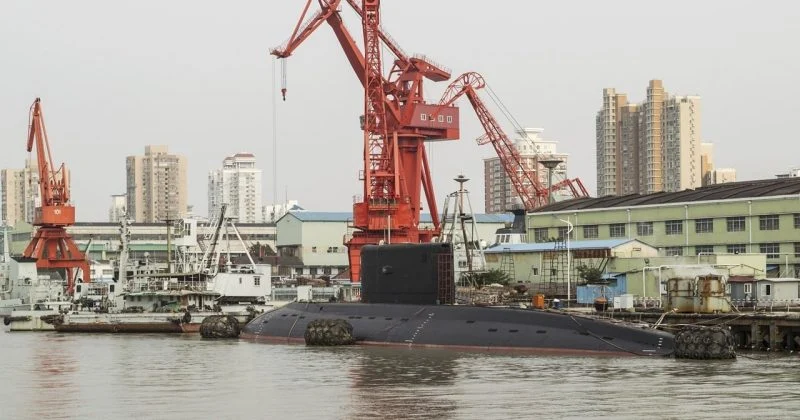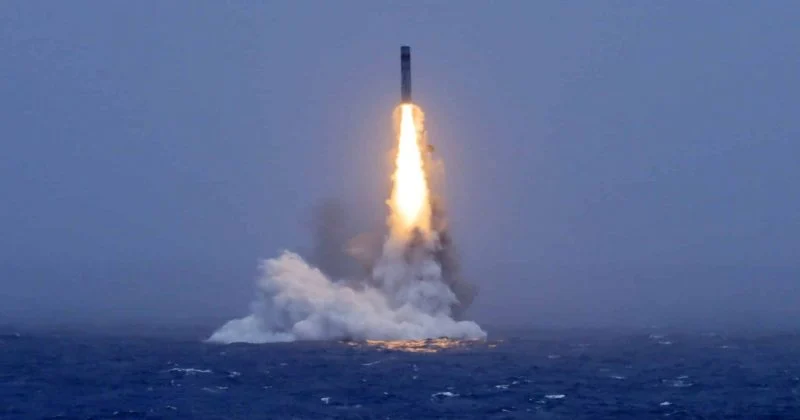
China’s recent demonstration of a strategic nuclear missile test in the Pacific underscores a shift in defense strategy, focusing more on network-based capabilities rather than traditional platform-based approaches. On July 6, 2026, China launched a submarine-launched ballistic missile (SLBM) from a nuclear-powered submarine into international waters, marking a significant advancement in its military capabilities. This test, part of China’s annual military exercises, highlights its commitment to establishing a fully operational nuclear triad, enhancing its stance in the ongoing strategic competition with the United States. The missile’s flight path, which included overflying the Philippines and landing in the South Pacific Nuclear Free Zone, has drawn criticism from regional neighbors like Australia, New Zealand, and Japan.
Key Takeaways
China’s missile test appears to demonstrate its growing military capabilities, potentially increasing tensions in the region.
The test suggests a strategic shift towards a network-based defense approach, which may impact global military dynamics.
Market pricing indicates a slight increase in perceived risk of military conflict involving China, particularly with Japan.