view more
A new Stanford-led study offers the clearest picture yet of how some ocean life survived our planet’s biggest mass extinction while most animals did not.
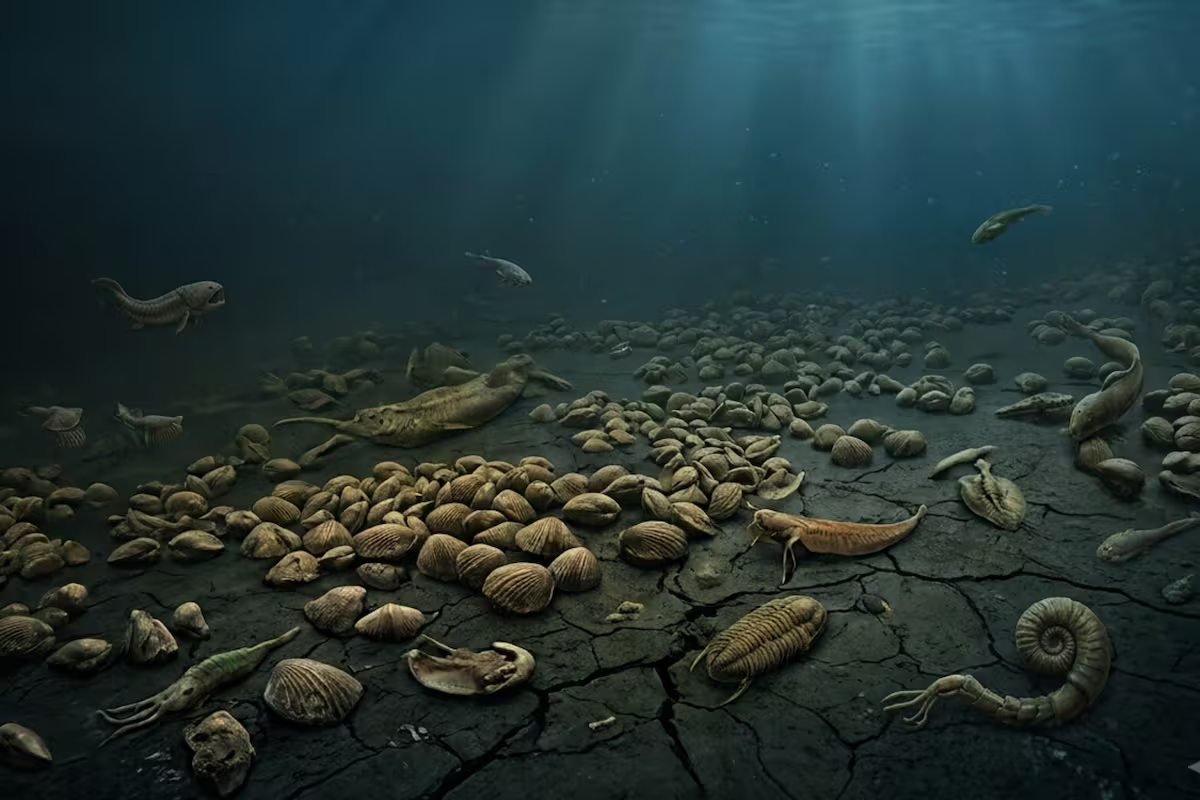
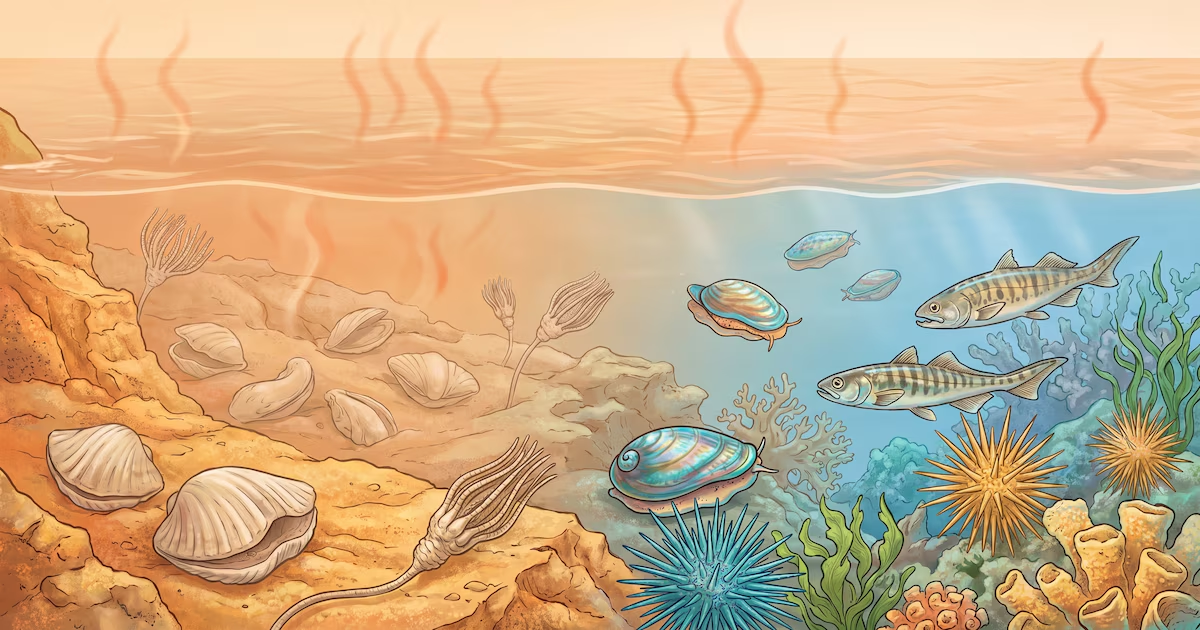
About 252 million years ago, 96% of marine species and 70% of land animals died off during the Permian–Triassic extinction event, known as the “Great Dying.” Not all branches of the evolutionary tree were affected evenly, however.
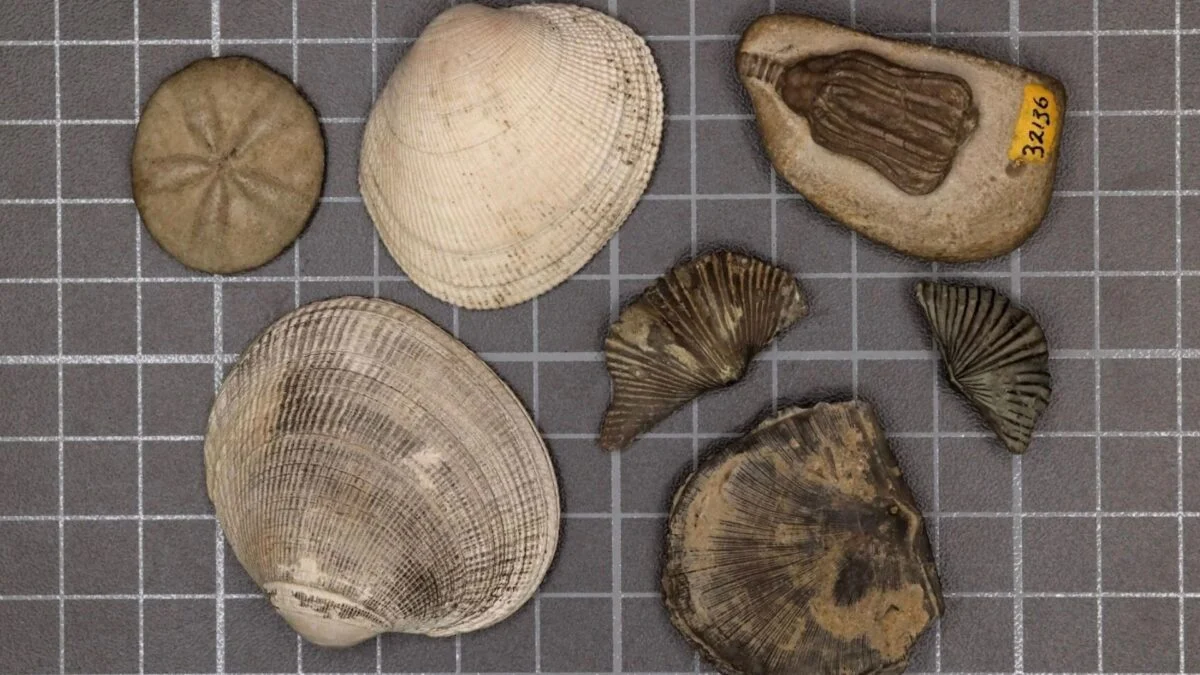
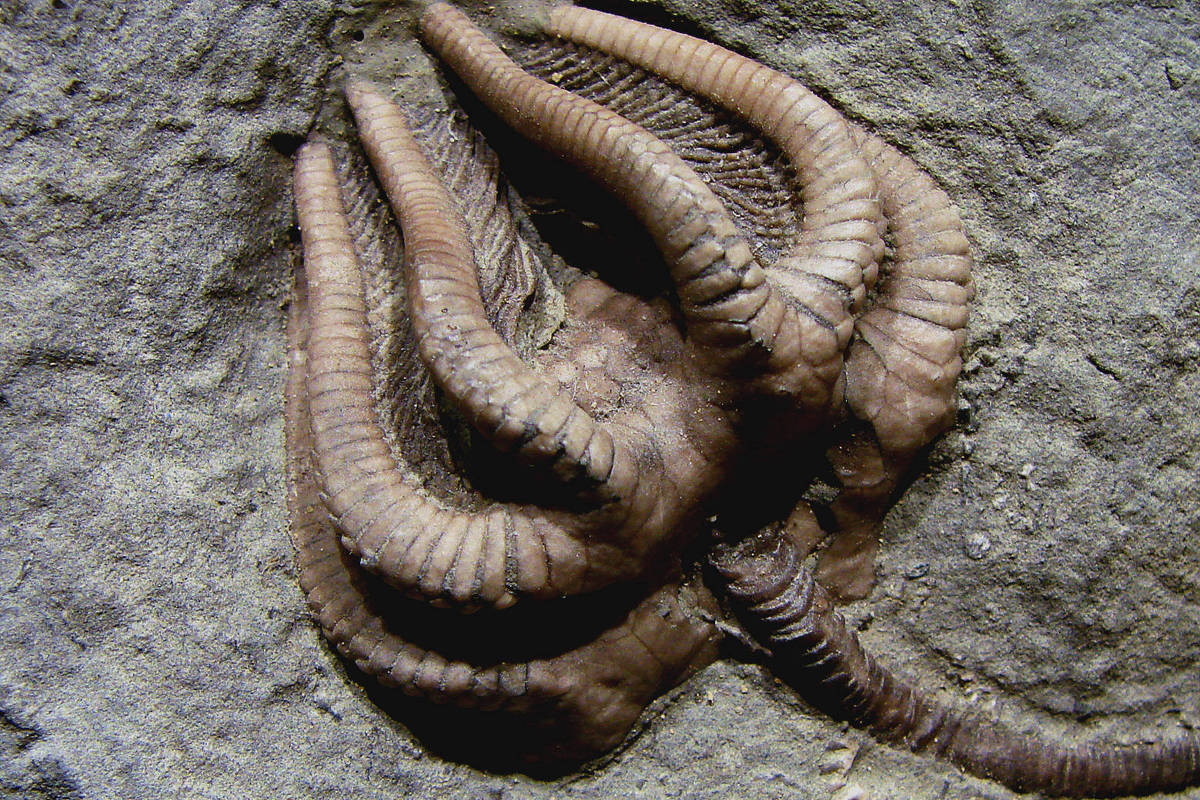
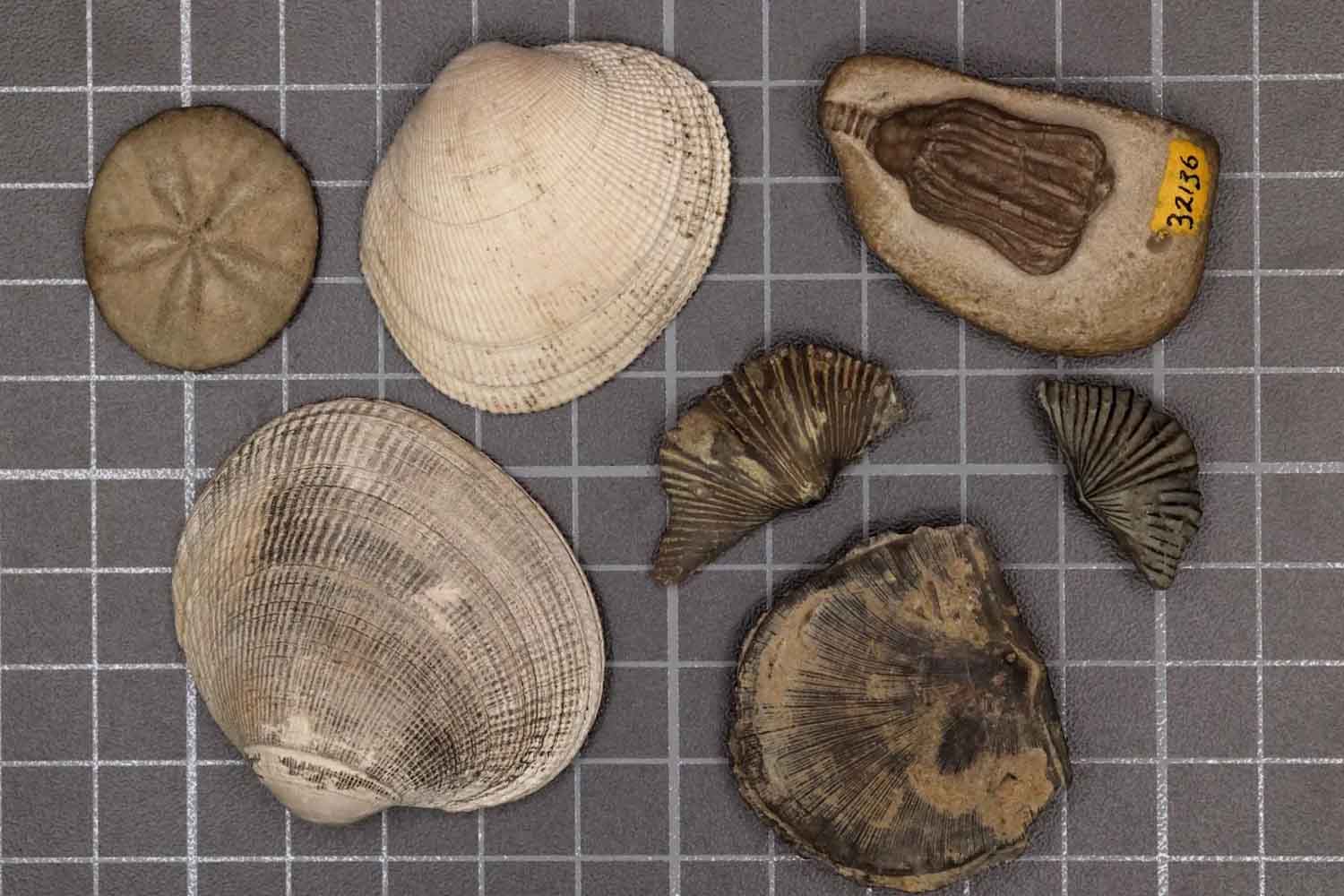
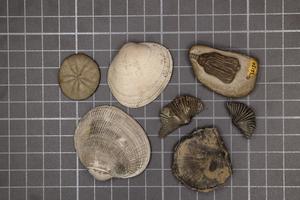
In the ancient oceans, the extinction wiped out nearly all brachiopods, which resemble clams, and certain types of seafloor-dwellers like sea lilies (crinoids). These were the animals that dominated seafloors for roughly the first 280 million years of animal life on Earth. However, only about half of the mollusks, like clams and snails, died out. Ever since, Earth’s oceans have been dominated by mollusks, fish, and echinoderms such as starfish and sea urchins that survived.
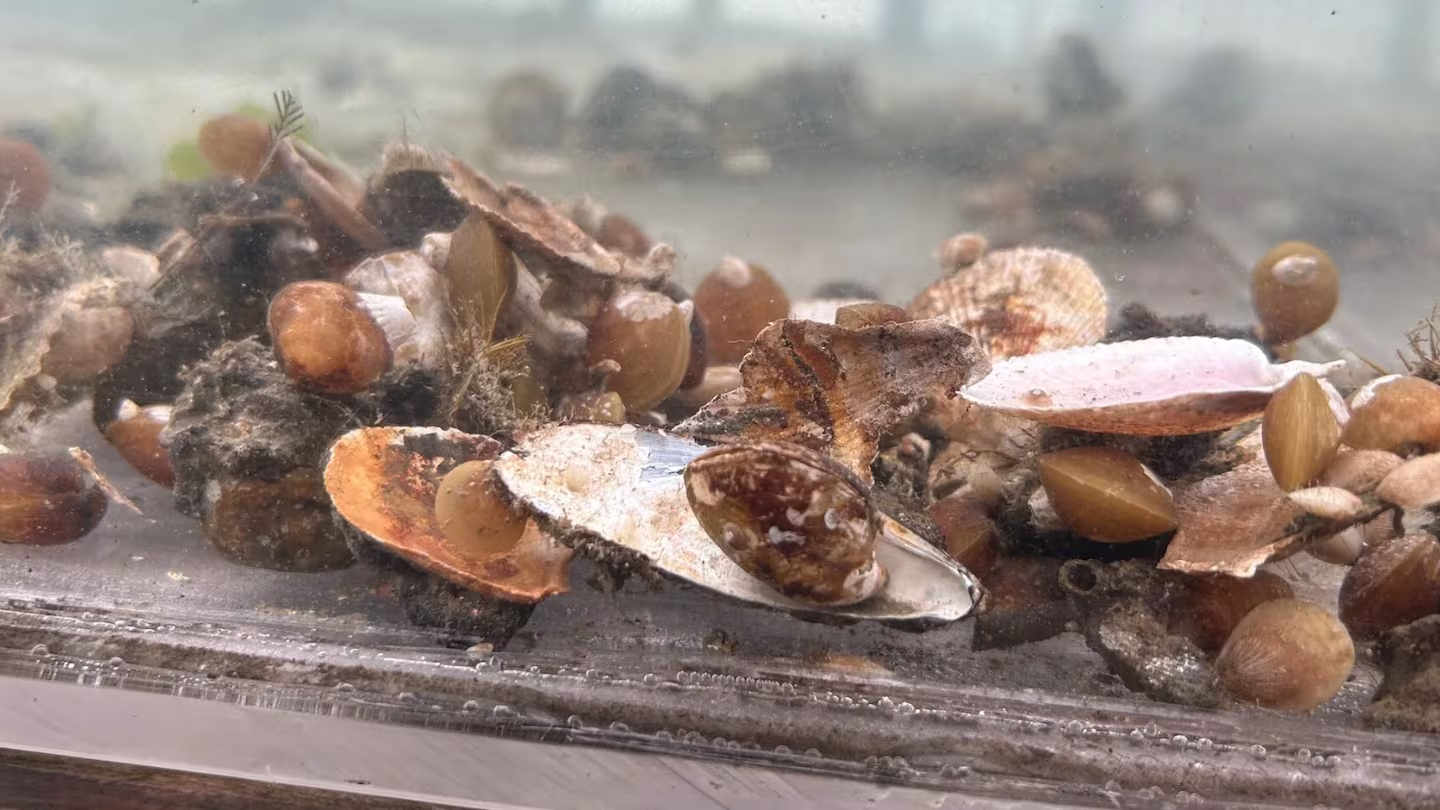
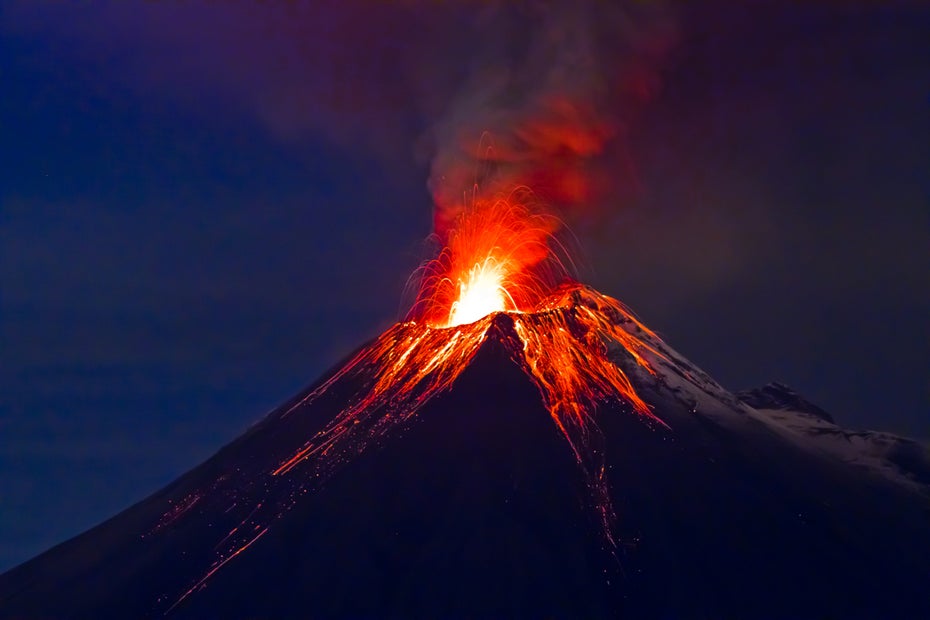
The new study, published July 6 in Proceedings of the National Academy of Sciences, for the first time incorporates biological responses of the animal groups that were decimated in the extinction and those that fared better. The groups hit hardest were those whose metabolisms could least tolerate warm, poorly oxygenated water. Such conditions prevailed throughout much of the world’s oceans as the Great Dying unfolded, caused by a surge of volcanic activity that released gargantuan amounts of planet-warming gases like carbon dioxide and methane into the atmosphere.