A new Stanford led study has provided the strongest evidence yet for why some marine animals survived Earth's largest mass extinction while many others disappeared forever. The findings not only explain how modern ocean ecosystems came to be, but also offer a cautionary glimpse of how today's warming oceans could affect marine life.
Roughly 252 million years ago, the Permian-Triassic extinction event, often called the "Great Dying," wiped out about 96% of marine species and 70% of land animals. Yet the devastation was not evenly distributed across the tree of life.
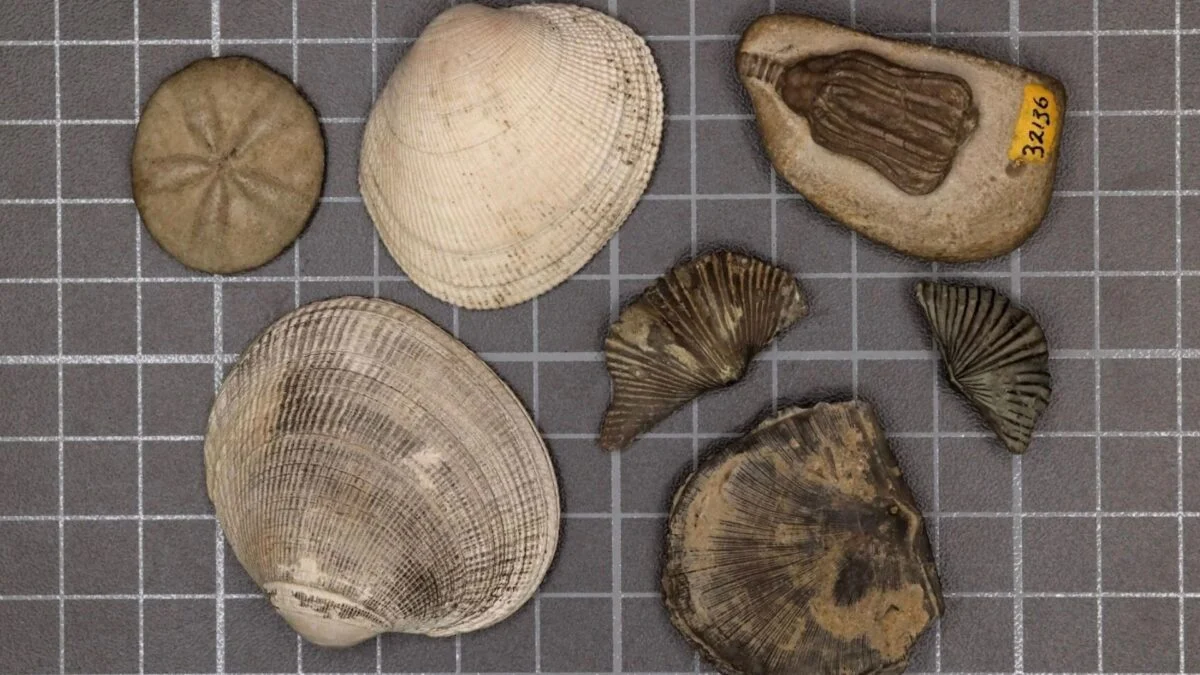
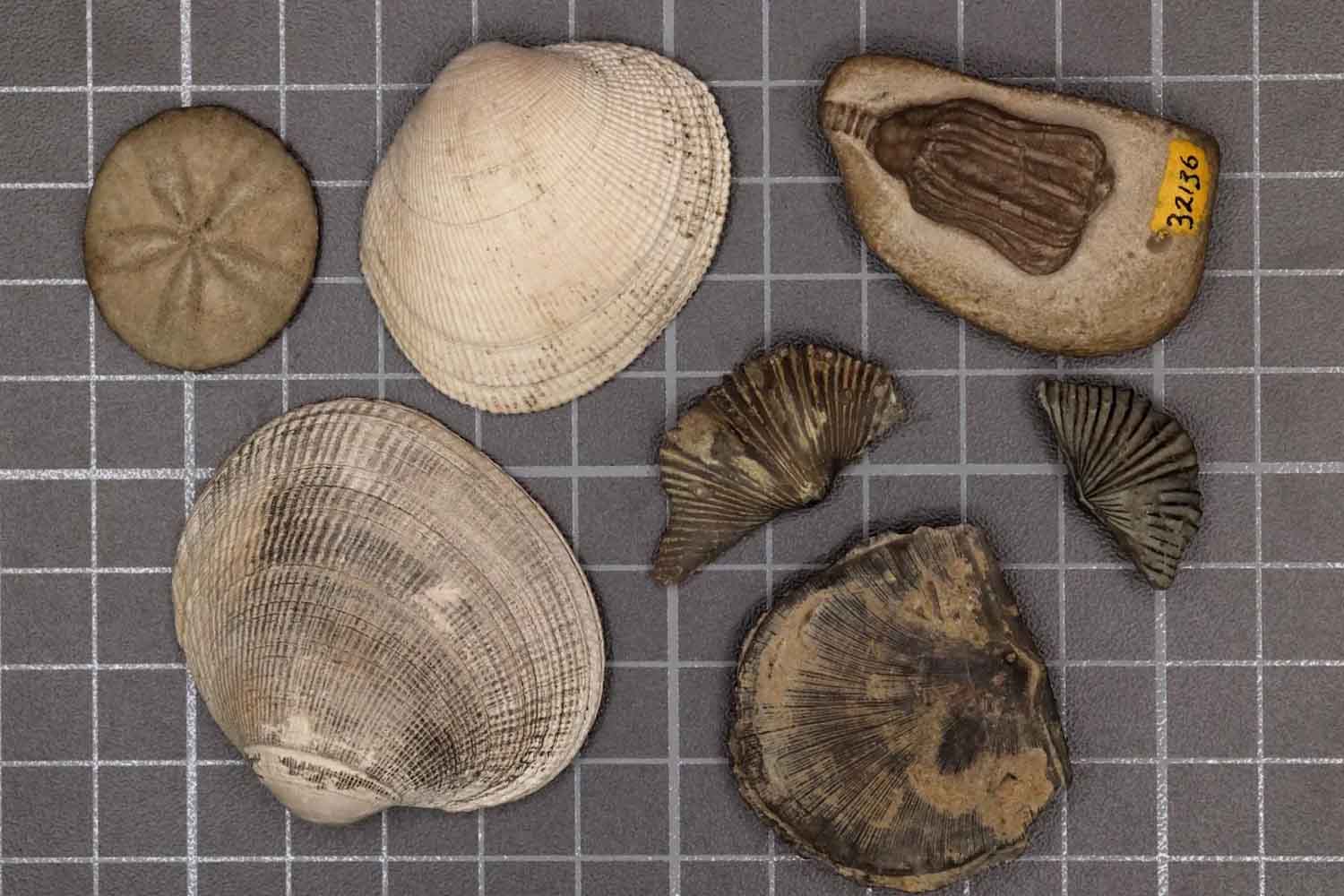
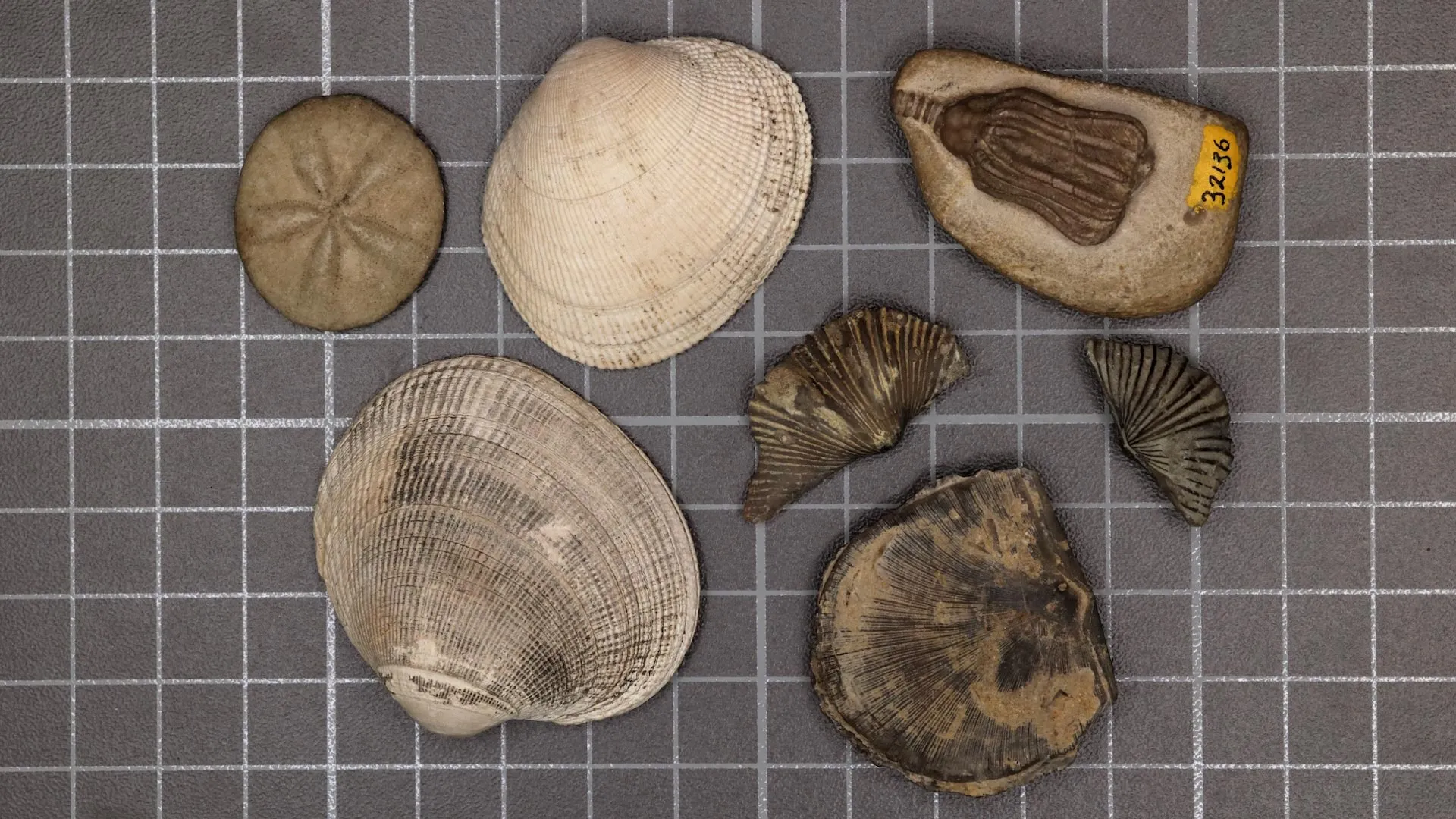
Before the extinction, ancient seafloors were dominated for about 280 million years by brachiopods, which resemble clams, along with sea lilies (crinoids) and other bottom dwelling animals. After the catastrophe, those once dominant groups were nearly eliminated. In contrast, only about half of mollusks, including clams and snails, disappeared. The survivors, along with fish and echinoderms such as starfish and sea urchins, went on to dominate Earth's oceans, a pattern that continues today.
Published July 6 in the Proceedings of the National Academy of Sciences, the study is the first to combine biological data from both the groups devastated by the extinction and those that survived. The results point to one major difference: species whose metabolisms were less able to cope with warmer, oxygen poor water suffered the highest extinction rates.