view more
A 113-million-year-old marine murder mystery may finally be solved.
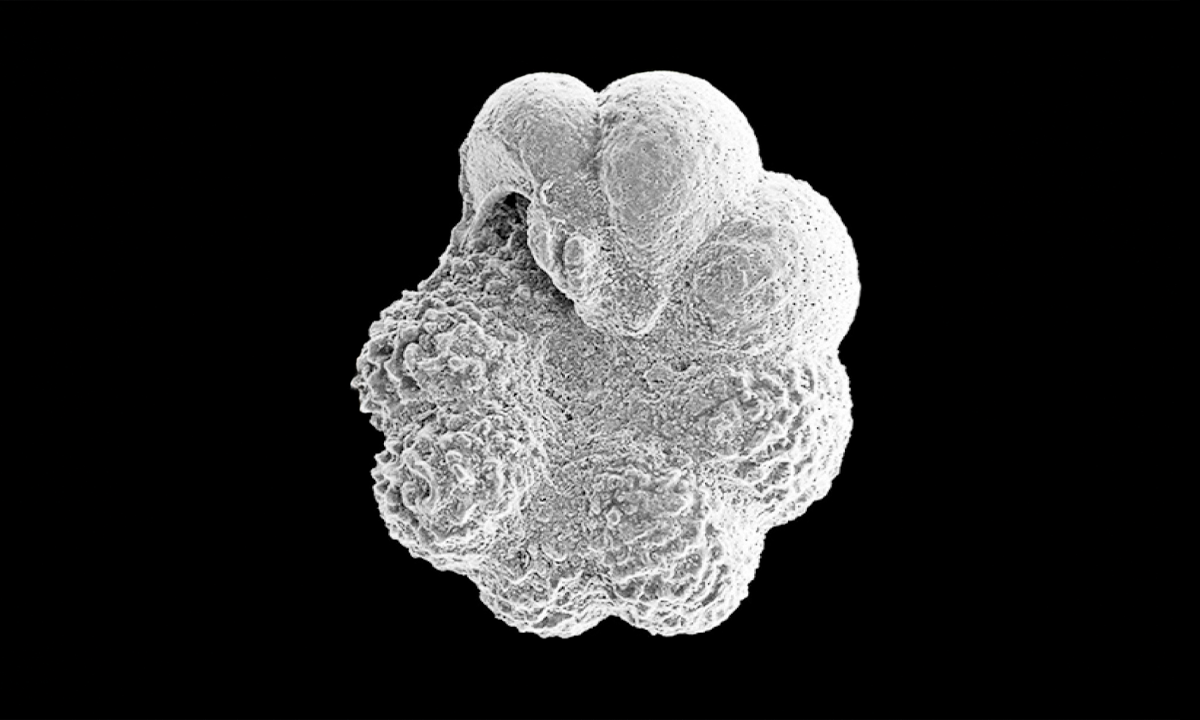
Using chemical clues locked inside microscopic fossils, Northwestern University scientists found evidence that ocean acidification drove one of the largest extinction events in the history of planktic foraminifera — tiny shell-building organisms that help regulate Earth’s carbon cycle.
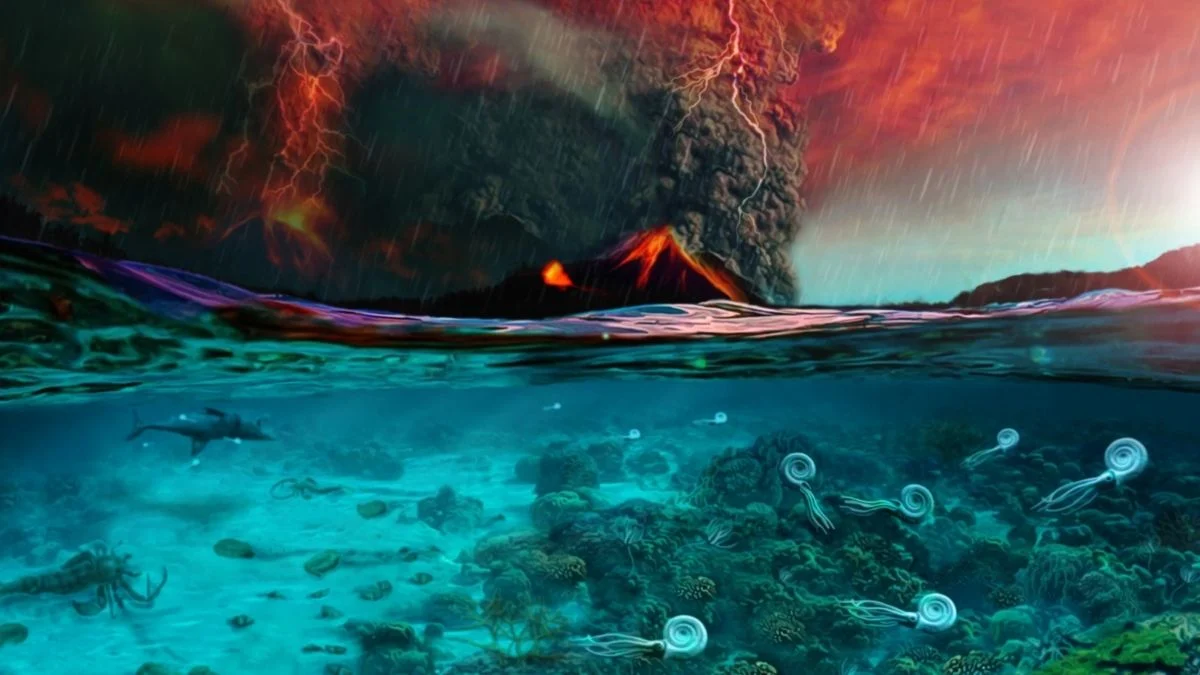
The scientists attribute the acidification to the eruption of the Kerguelen Plateau, a massive volcanic province in the southern Indian Ocean. During the Early Cretaceous period, the volcanic province spewed vast quantities of carbon dioxide (CO2) into the atmosphere. As the oceans absorbed that CO2, seawater became more acidic, making it more difficult for marine organisms to build and maintain their shells.
The study will be published on Thursday (July 30) in the journal Science.