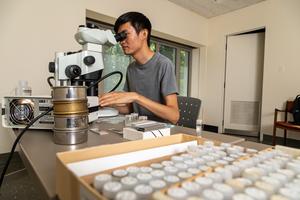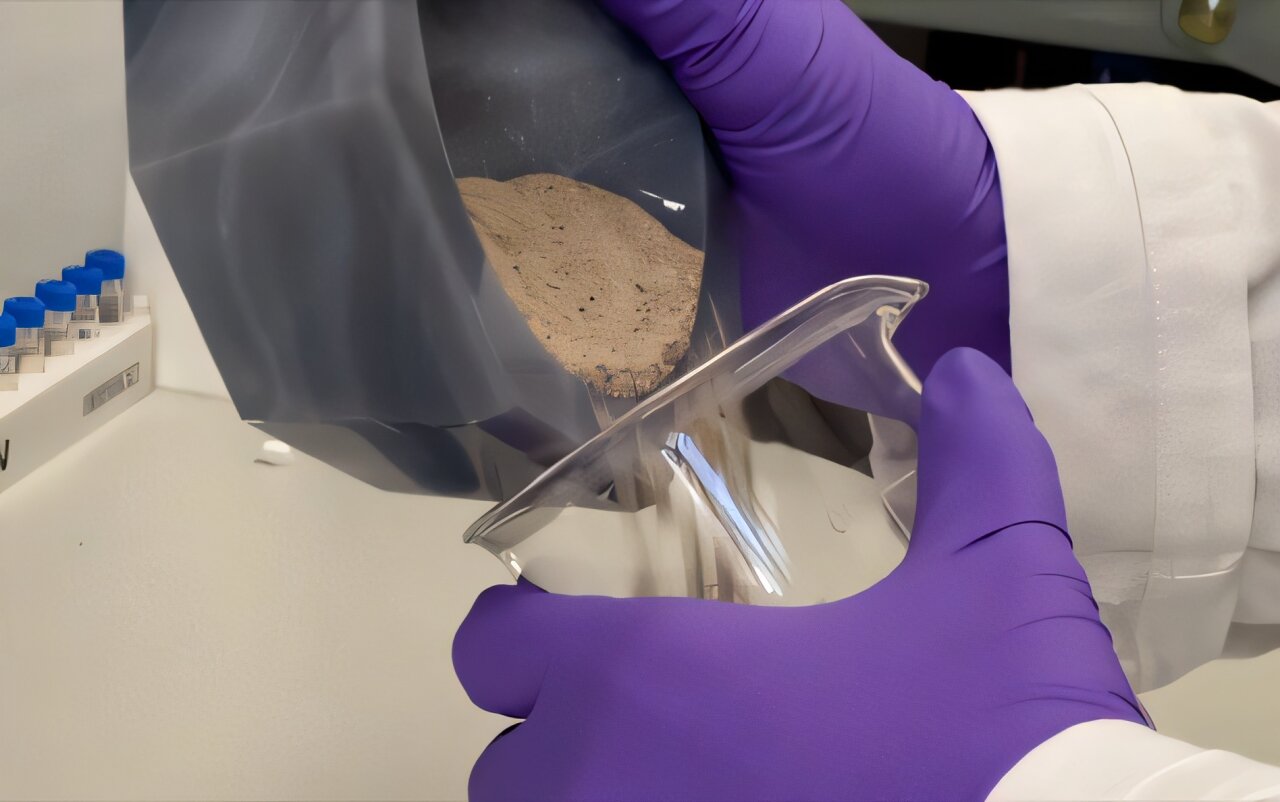
Marine sedimentary rocks from the Palaeocene-Eocene Thermal Maximum (56 million years old) are crushed into a fine powder for geochemical analysis. Credit: Alistair Debling.
Scientists have uncovered new evidence from one of Earth's most extreme ancient warming events, revealing how the climate may recover long after human-driven CO2 emissions cease.
About 56 million years ago, during a period known as the Palaeocene–Eocene Thermal Maximum (PETM), the planet experienced a dramatic spike in temperatures triggered by a rapid release of greenhouse gases.
The PETM saw the highest global temperatures in the past 65 million years, and surface ocean temperatures reached more than 20 degrees Celsius (68 degrees Fahrenheit) at the North Pole for hundreds of thousands of years.
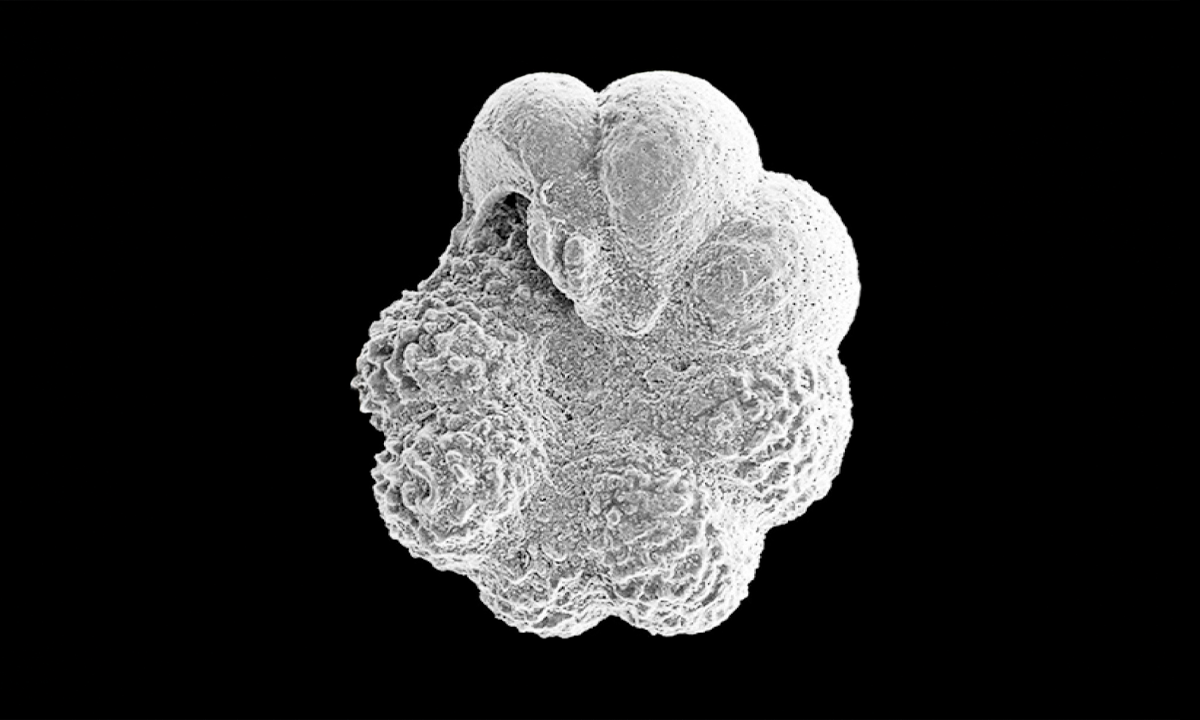
The study, led by the University of Southampton, examined molecular fossils and climate model data to better understand how the Earth system eventually stabilized after the warming.