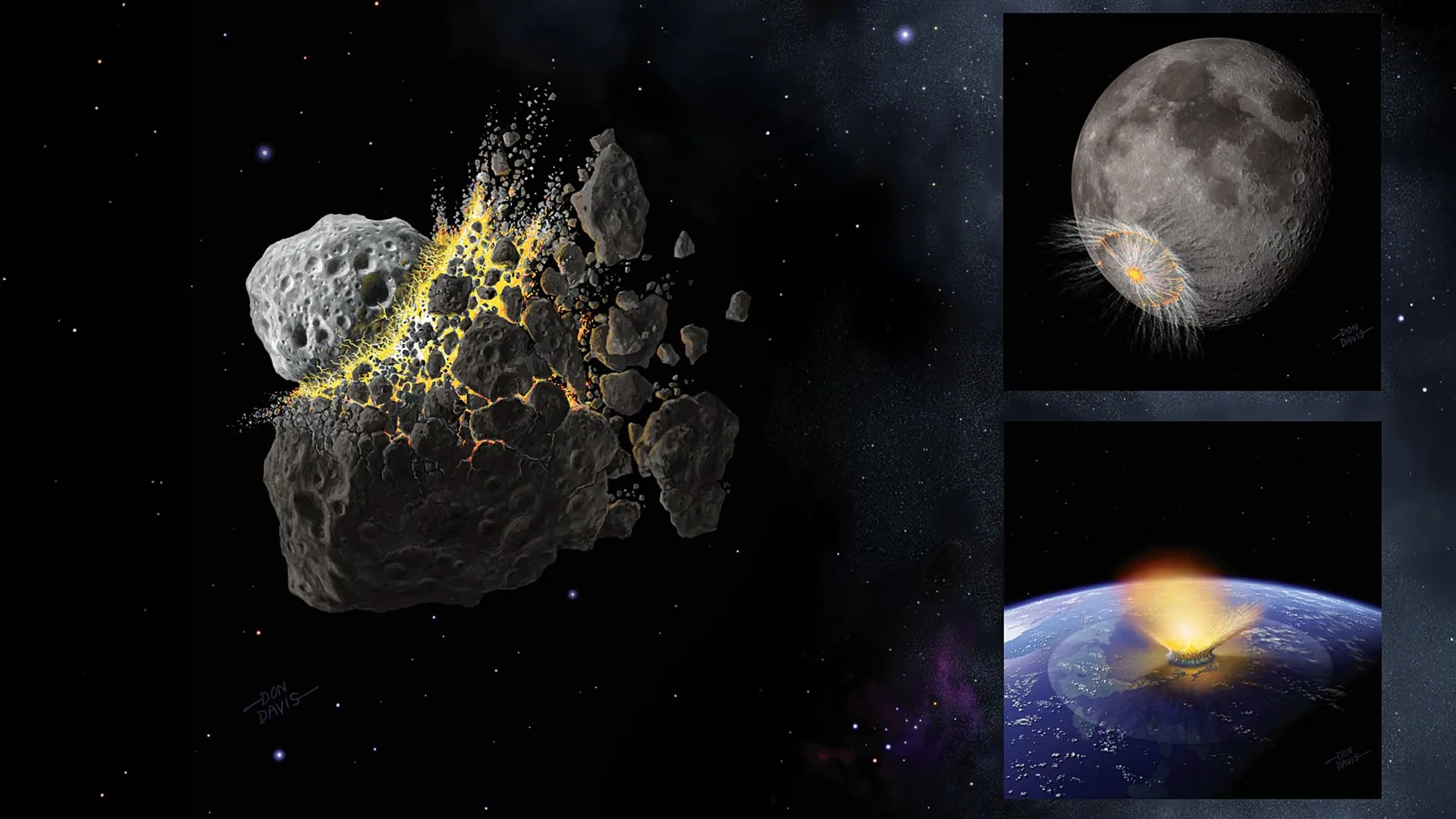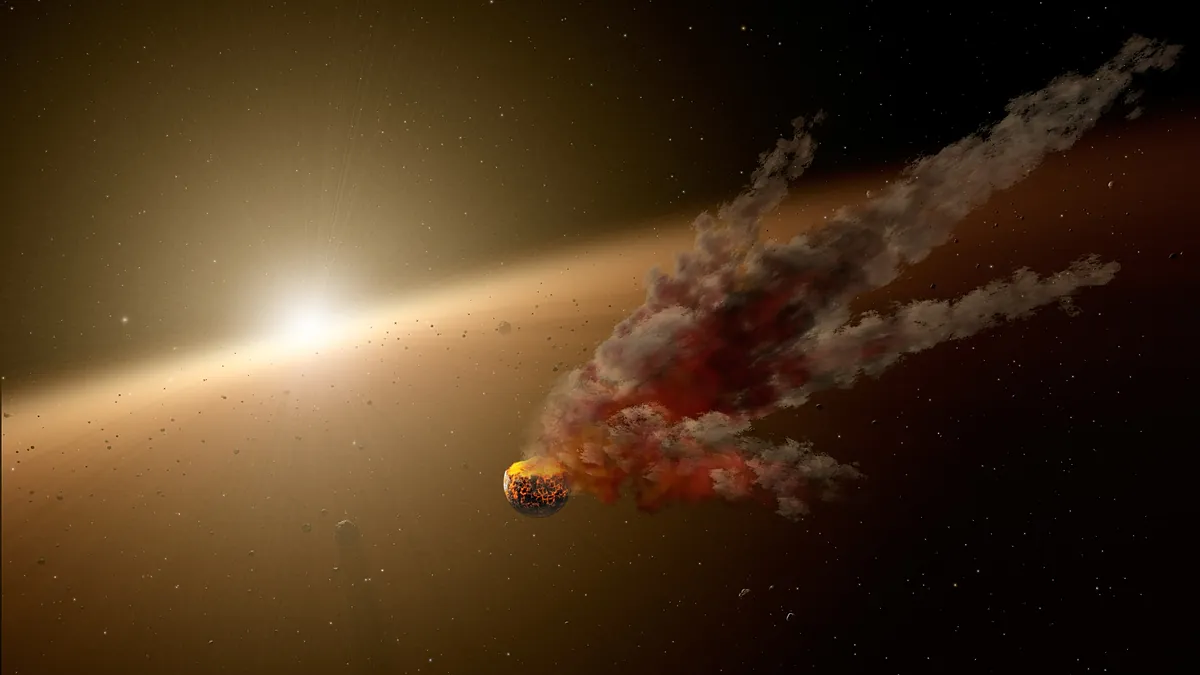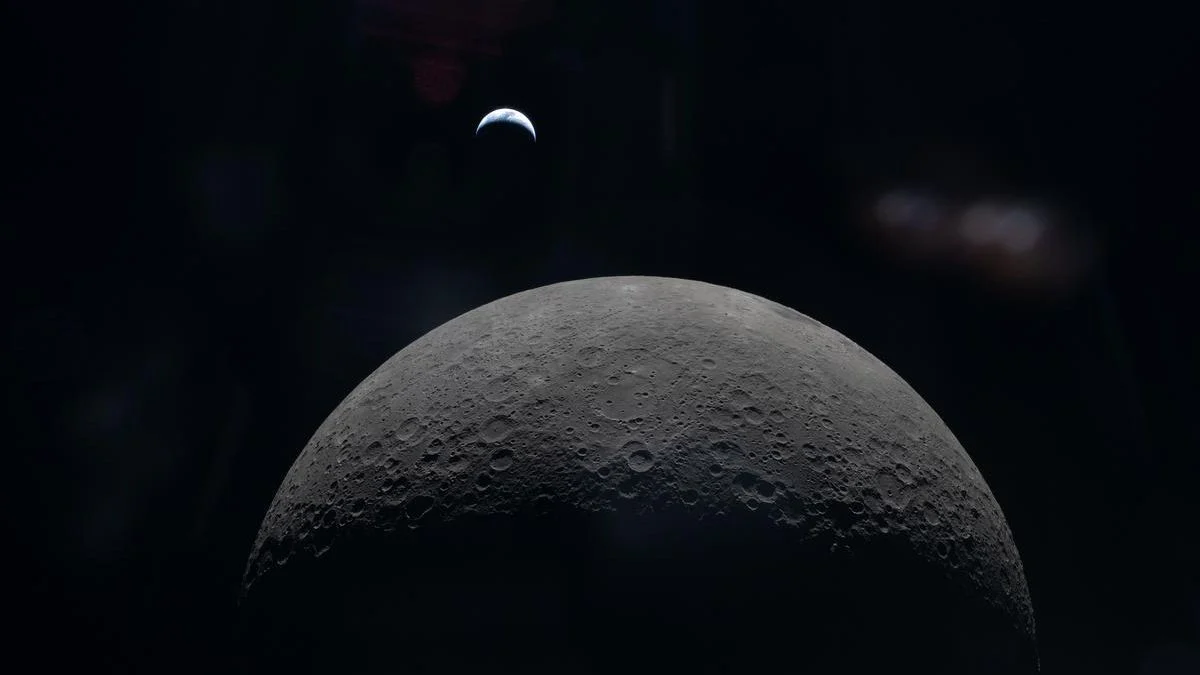
Earth and the Moon both record evidence of a 'lost' period of bombardment. (NASA)
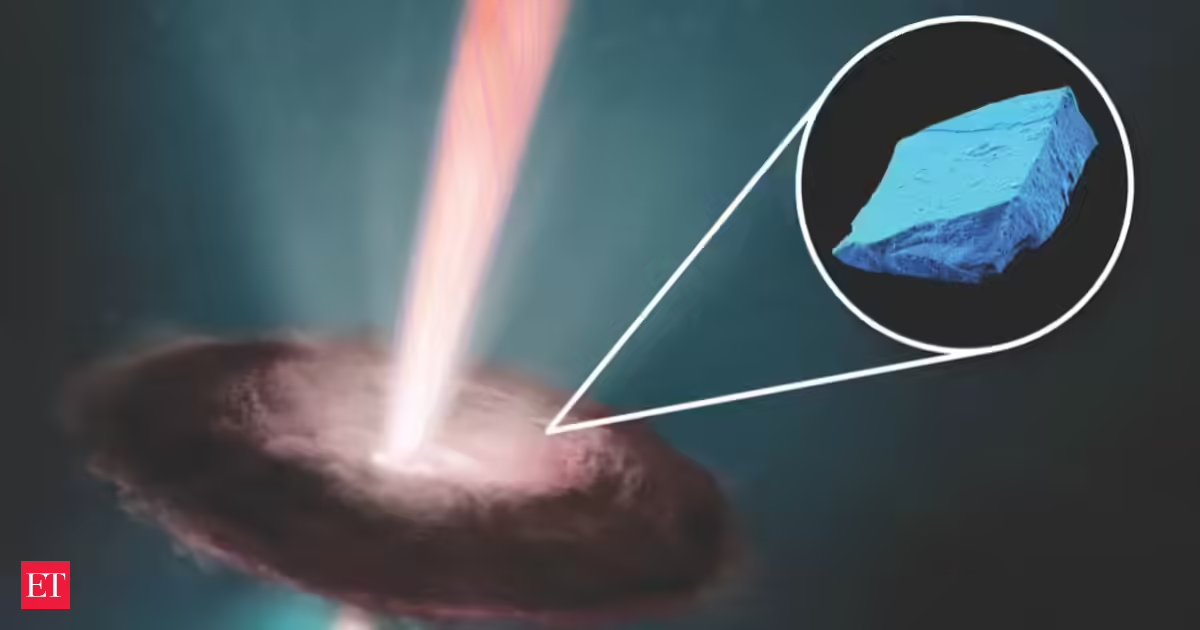
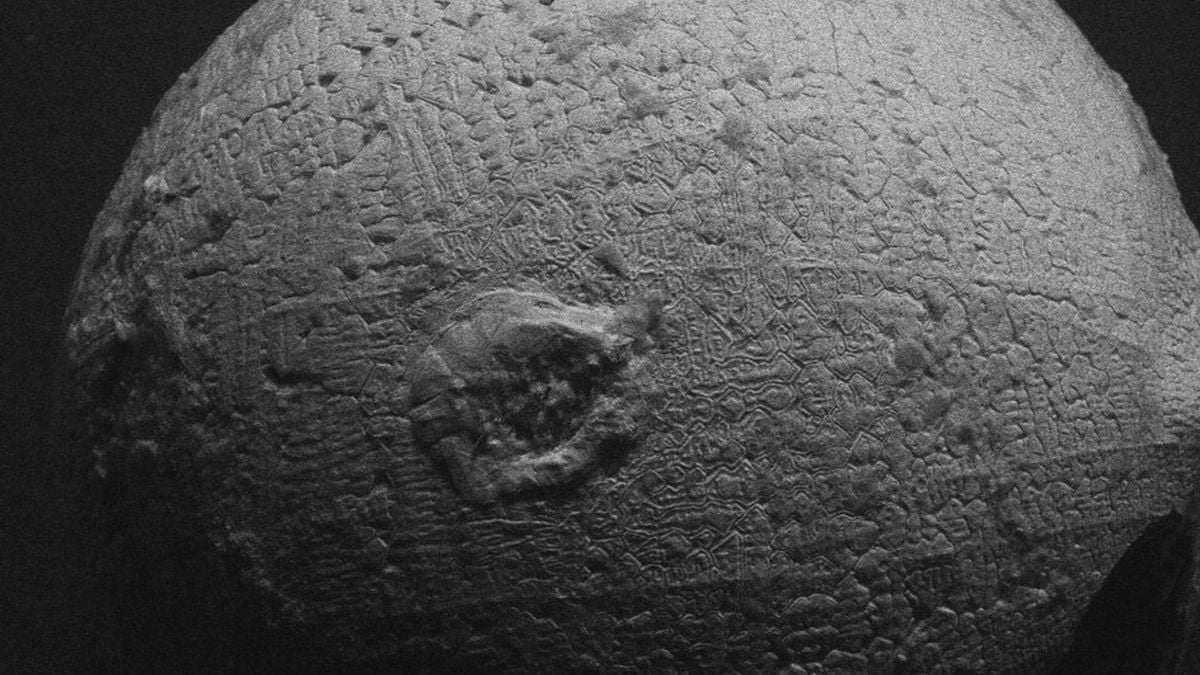
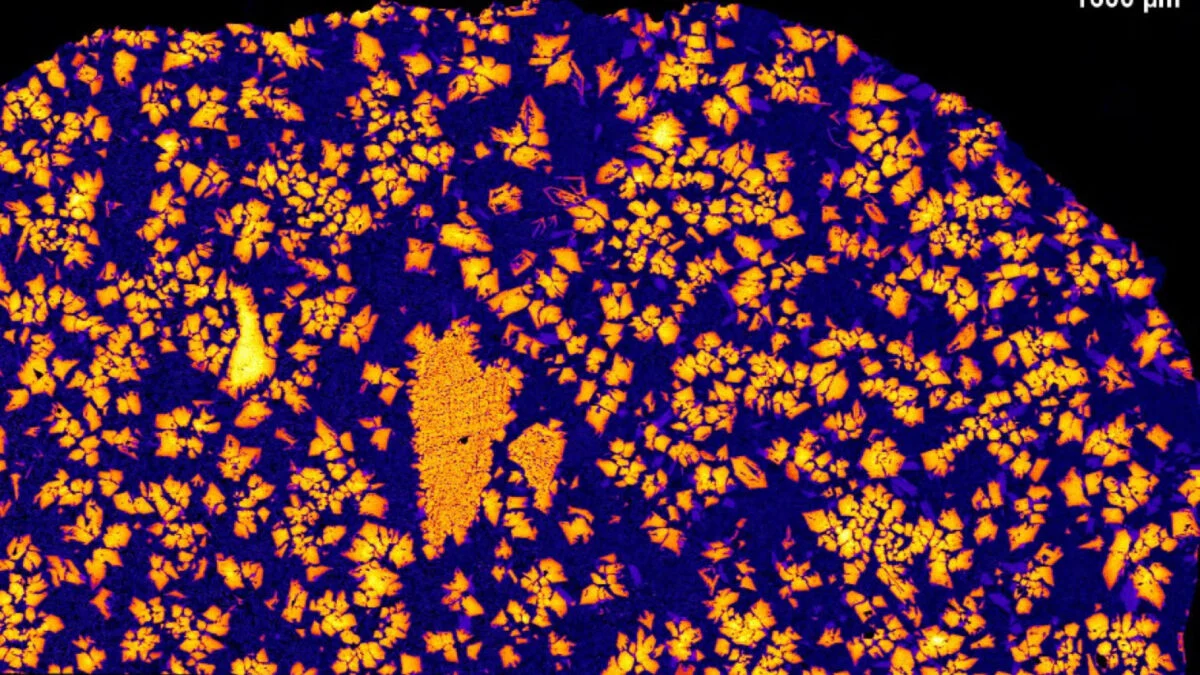
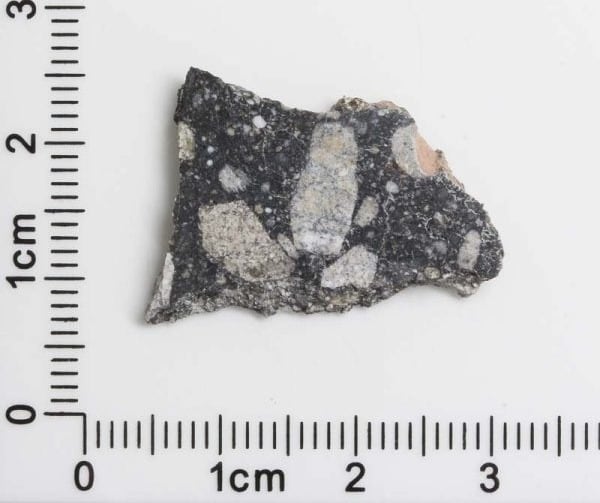
Tiny crystal grains trapped inside a meteorite may be the key that unlocks a hidden era in the Solar System's history of violence.These particles are so small they can barely be seen without the aid of a microscope, yet they were forged in an asteroid impact that struck the Moon 3.5 billion years ago, according to a team led by planetary scientist Carolyn Crow of the University of Colorado Boulder.Exactly where this impact took place is unknown, but the grains – a zirconium-rich mineral called baddeleyite – could only have been forged under extreme heat, suggesting the impact was a monumental one.And there's something else this phantom impact may be telling us.Evidence from at least two other Solar System bodies – Earth and the asteroid Vesta – preserves the scars of heavy impacts from around the same time period, suggesting that 3.5 billion years ago, the inner Solar System was still playing asteroid pinball, long after it was thought to have calmed down."This new impact age, incorporated into a compilation of … Earth-Moon-Vesta impact events, provides unequivocal evidence of prolonged … bombardment of the inner solar system after the basin-forming epoch," the researchers write in their paper.Eons ago, when it was young, the Solar System was a turbulent place. It underwent multiple epochs of bombardment, in which asteroid-sized rocks flew willy-nilly, battering the recently formed planets and other bodies.