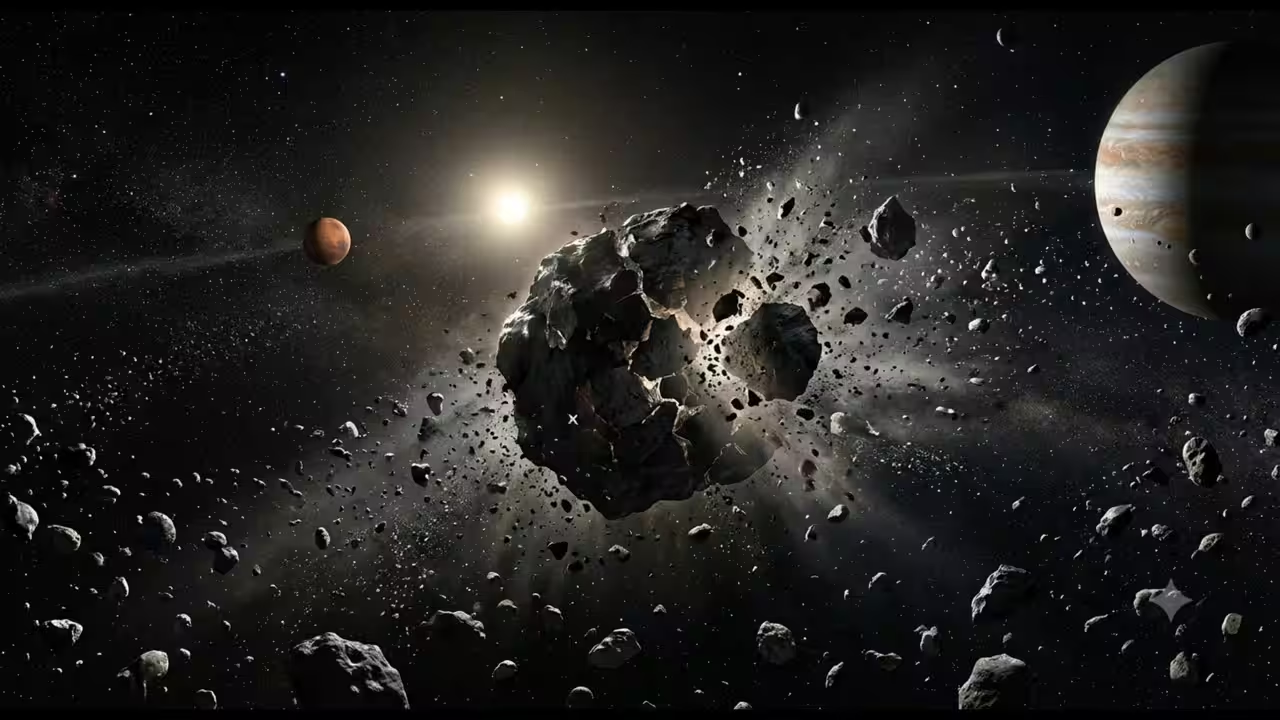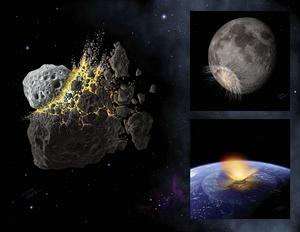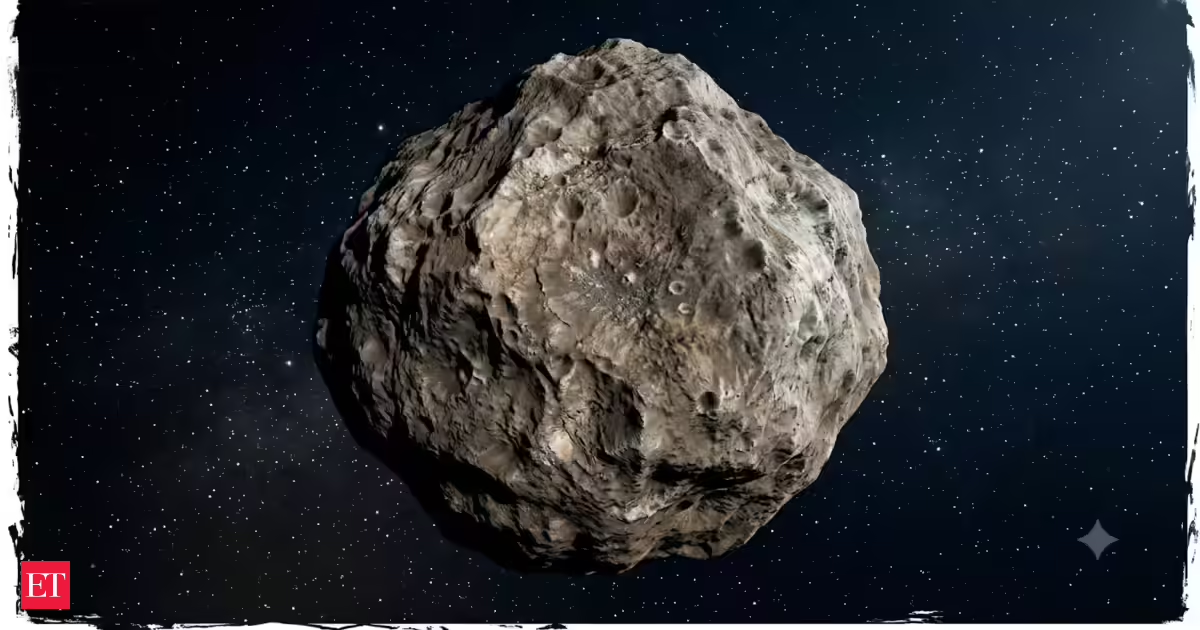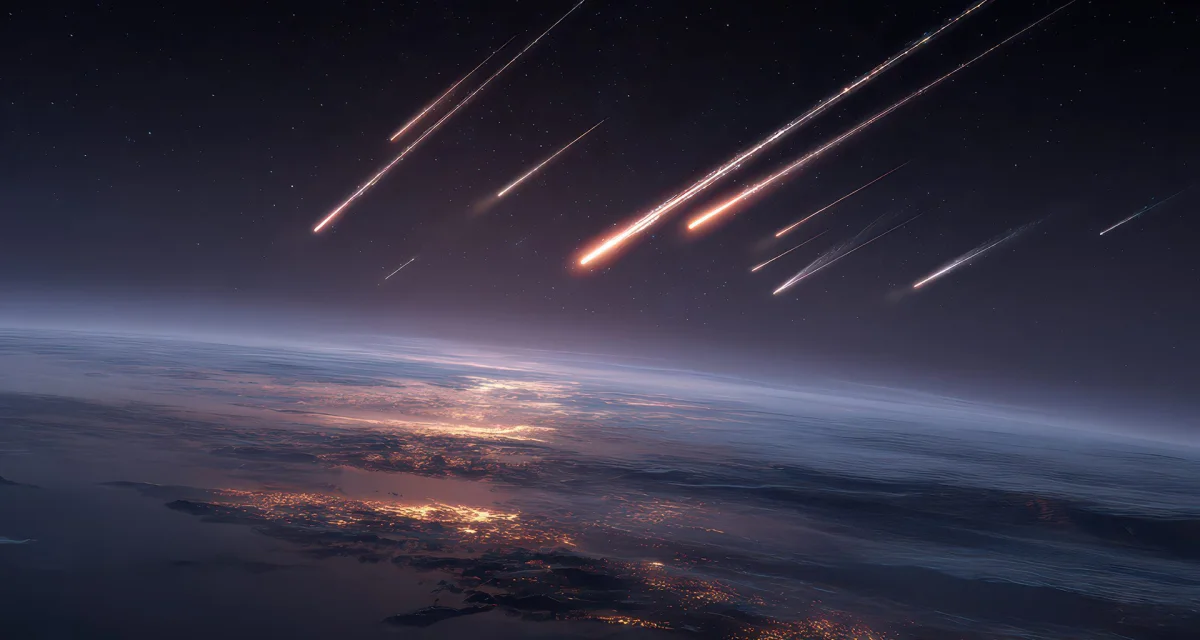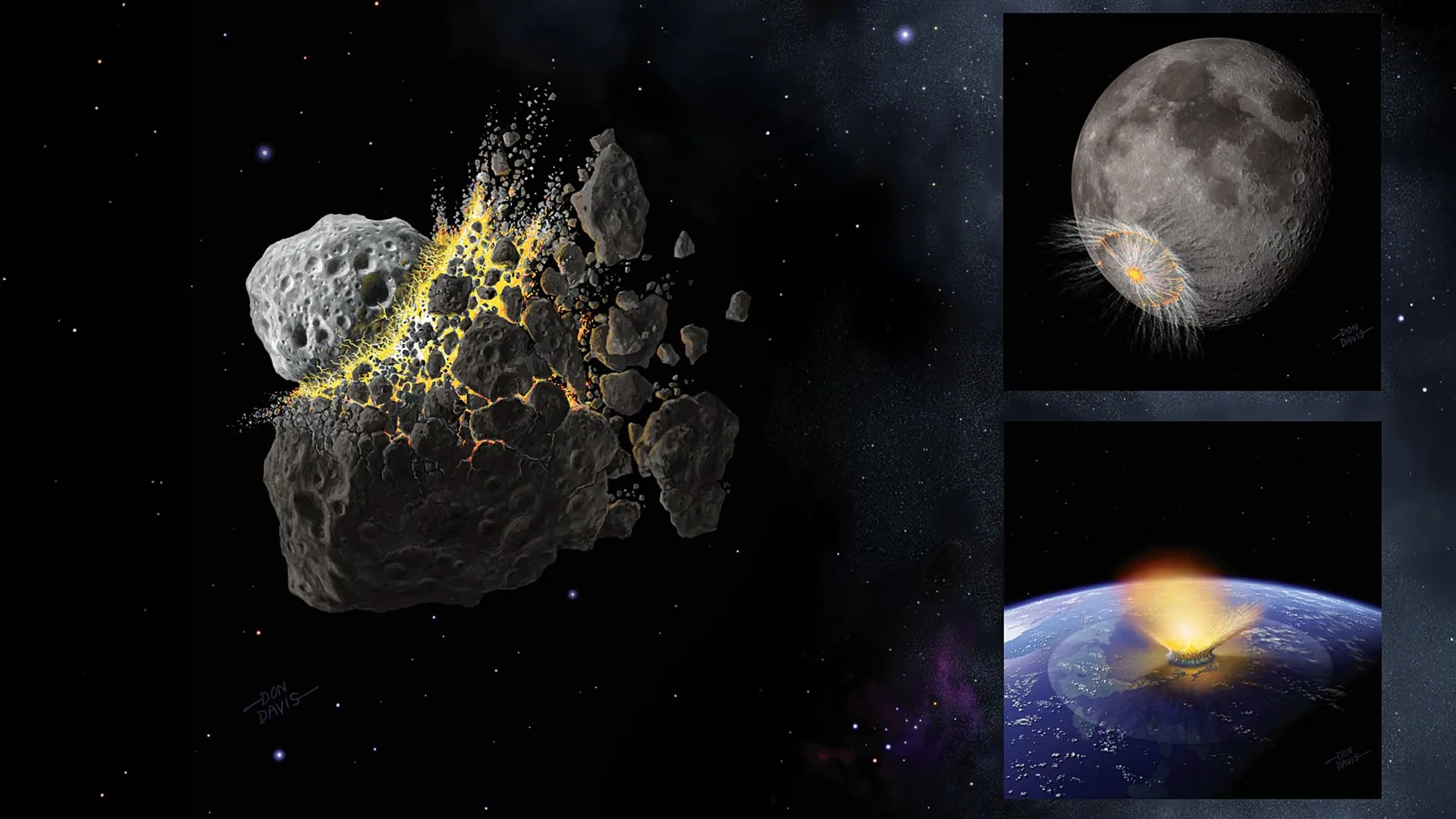
A violent collision in the main asteroid belt may have triggered a prolonged wave of impacts across the inner solar system about 800 million years ago, according to a study led by the Southwest Research Institute.
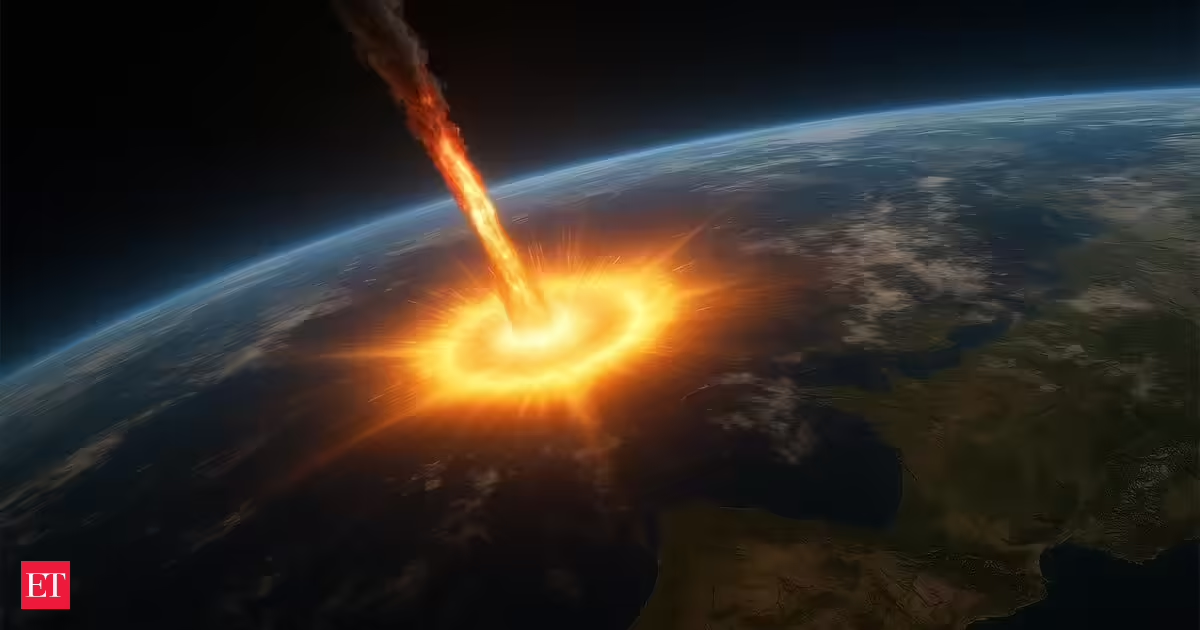
The researchers propose that the breakup of the parent object that formed the Eulalia asteroid family sent large amounts of debris toward Earth, the Moon, and Mars. If the connection is correct, the event may have produced geological changes across several worlds and could even have influenced Earth's climate and biosphere.
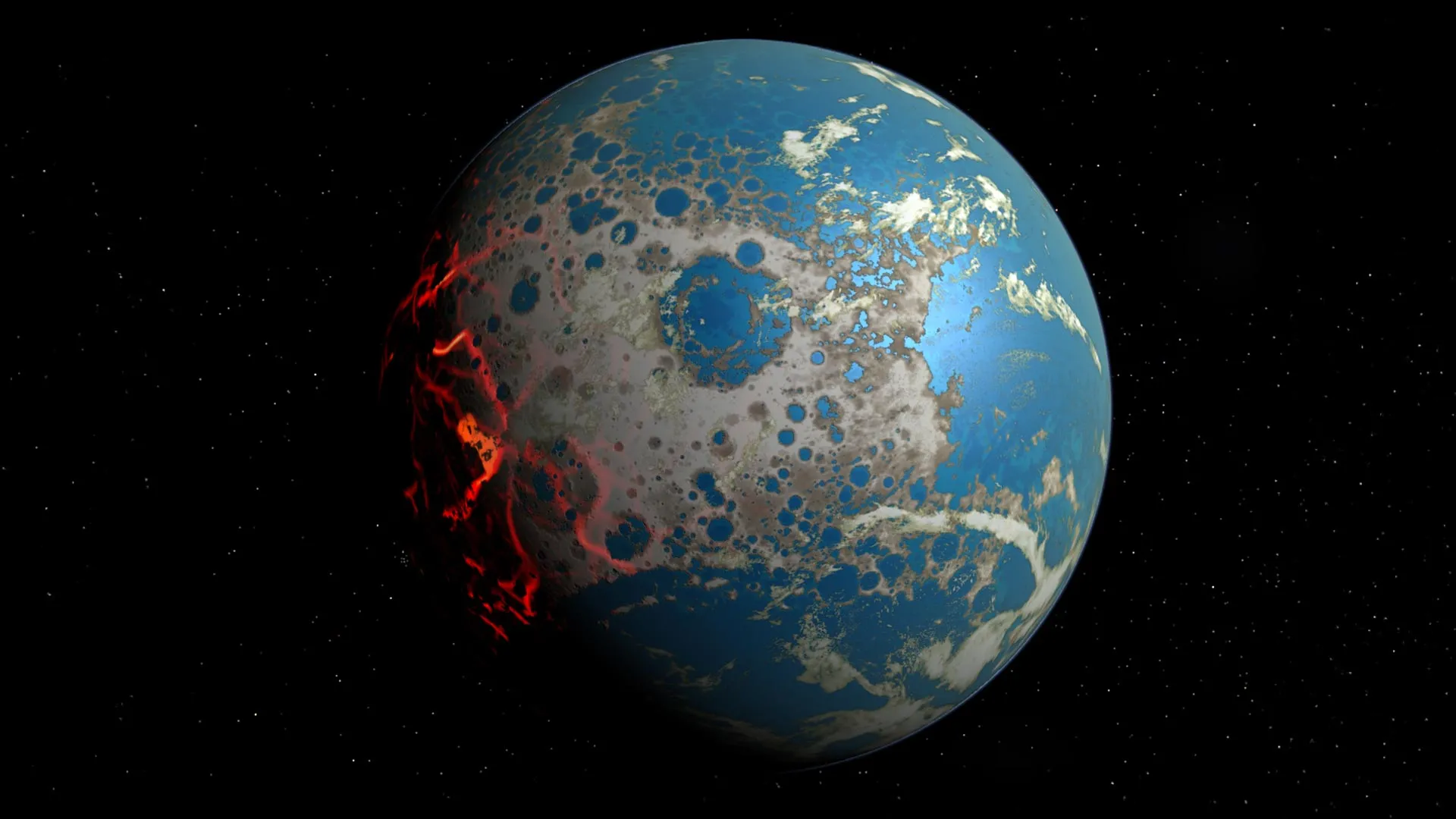
Ancient Impacts and the History of Life
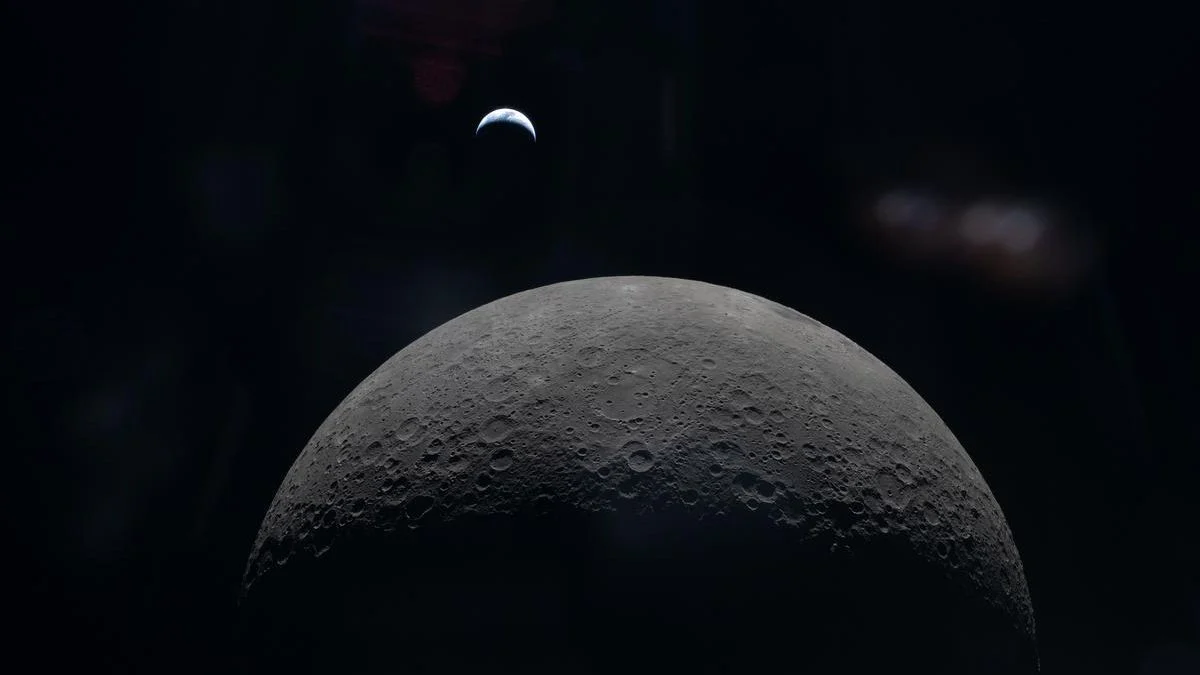
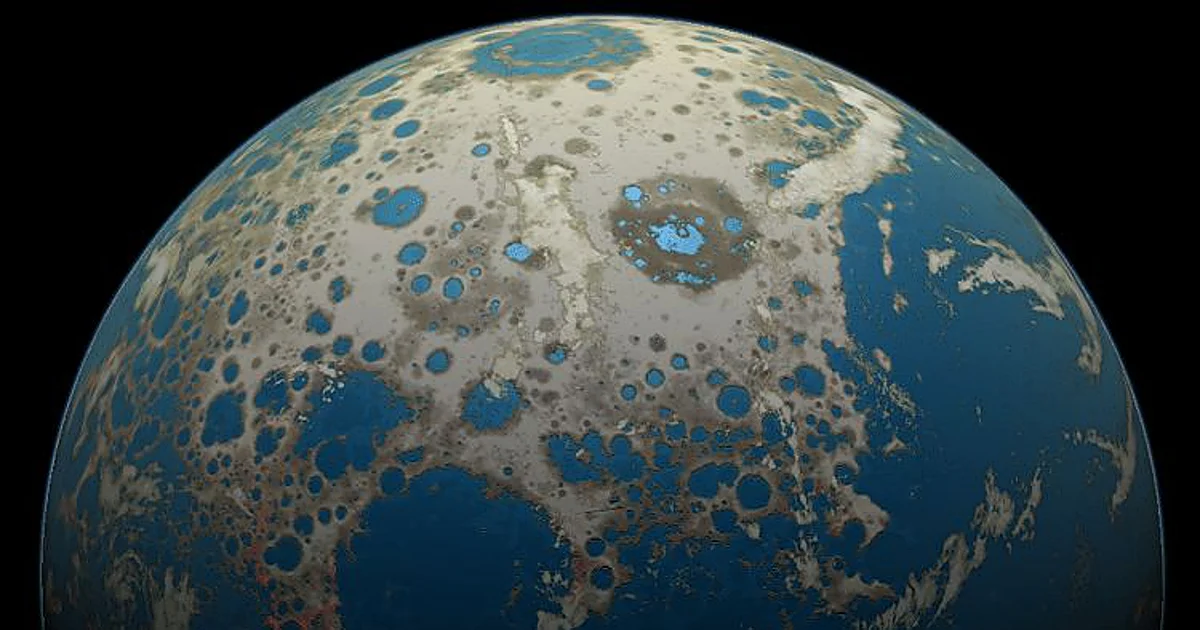
"The role impacts have played in shaping the origin and evolution of life in our solar system is poorly understood," said Dr. William Bottke, an executive director in SwRI's Solar System Science and Exploration Division in Boulder, Colorado. He also directs the Center for Lunar Origin and Evolution (CLOE), SwRI's team in NASA's Solar System Exploration Research Virtual Institute, and is lead author of a paper describing this research. "The heavily cratered surface of the Moon serves as a reminder of the large impacts in Earth's past, but so far, only the Chicxulub impact event 66 million years ago has been strongly linked to a specific effect on life, namely the mass extinction of the dinosaurs."