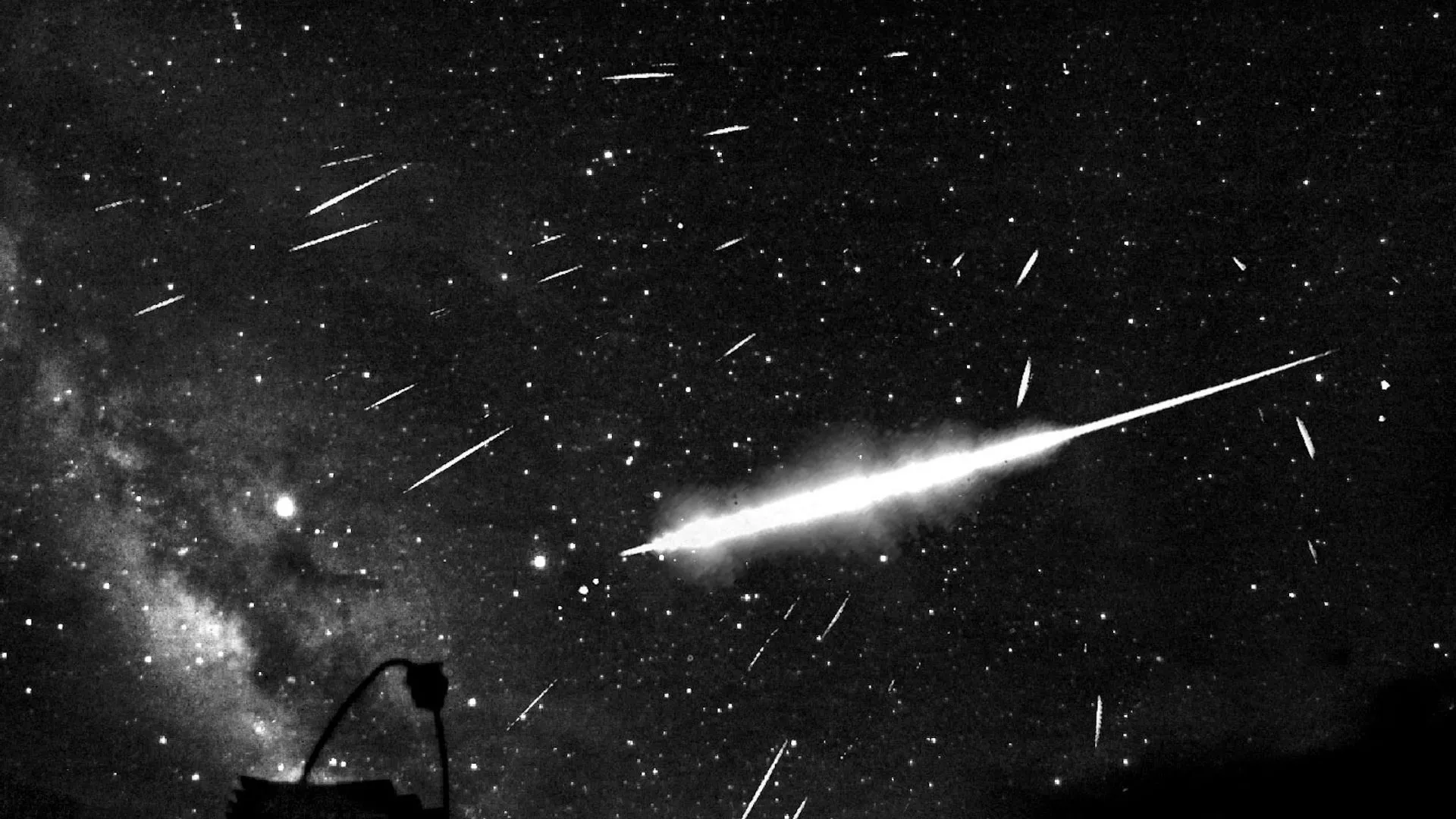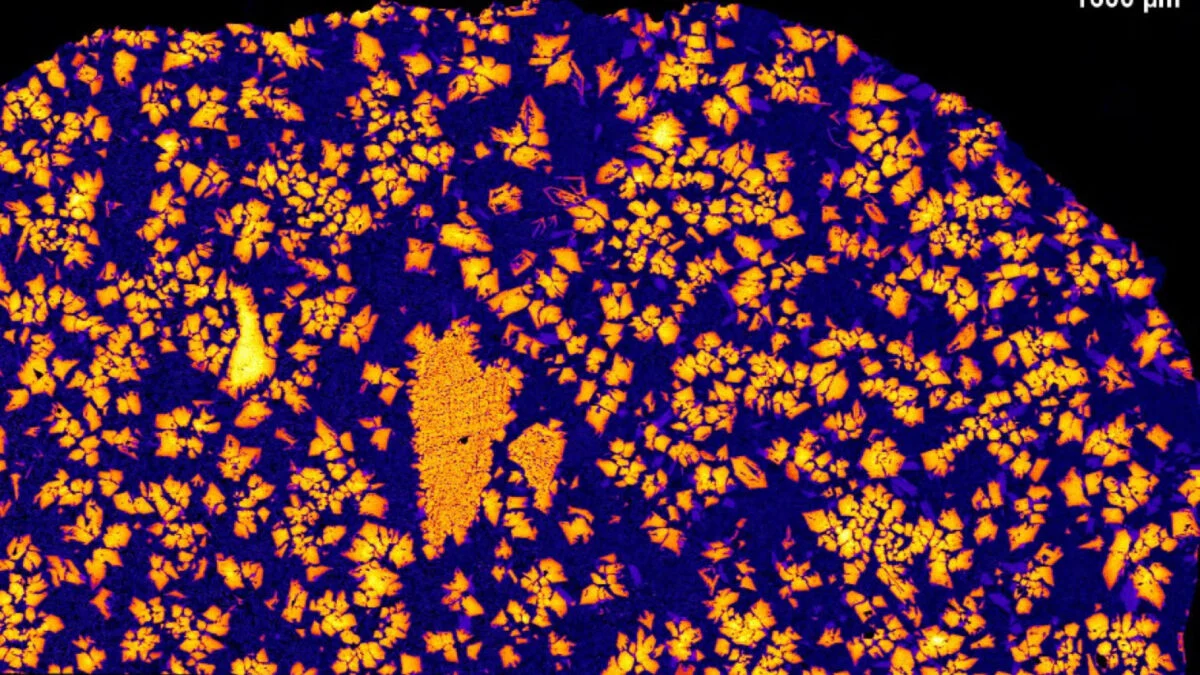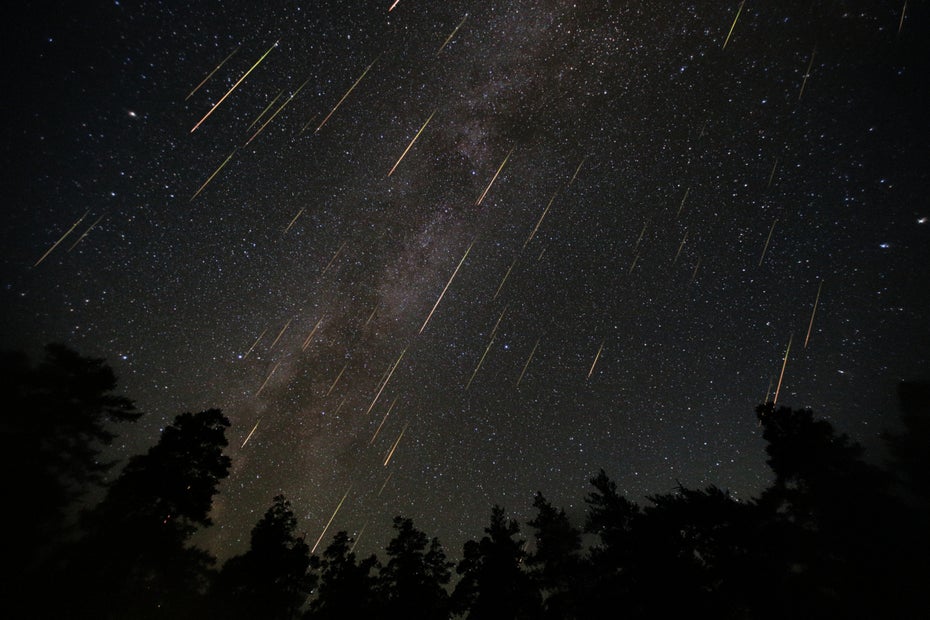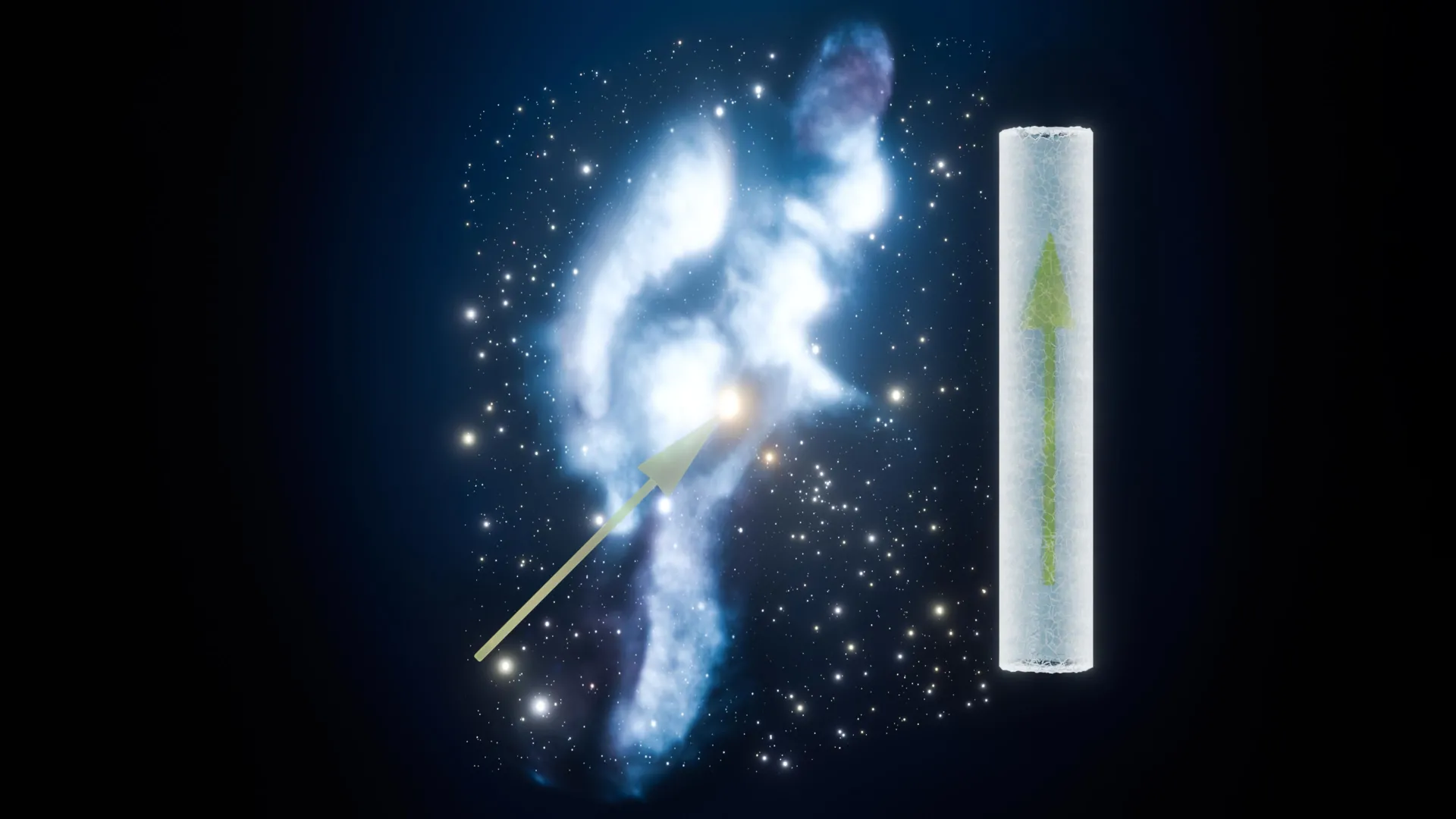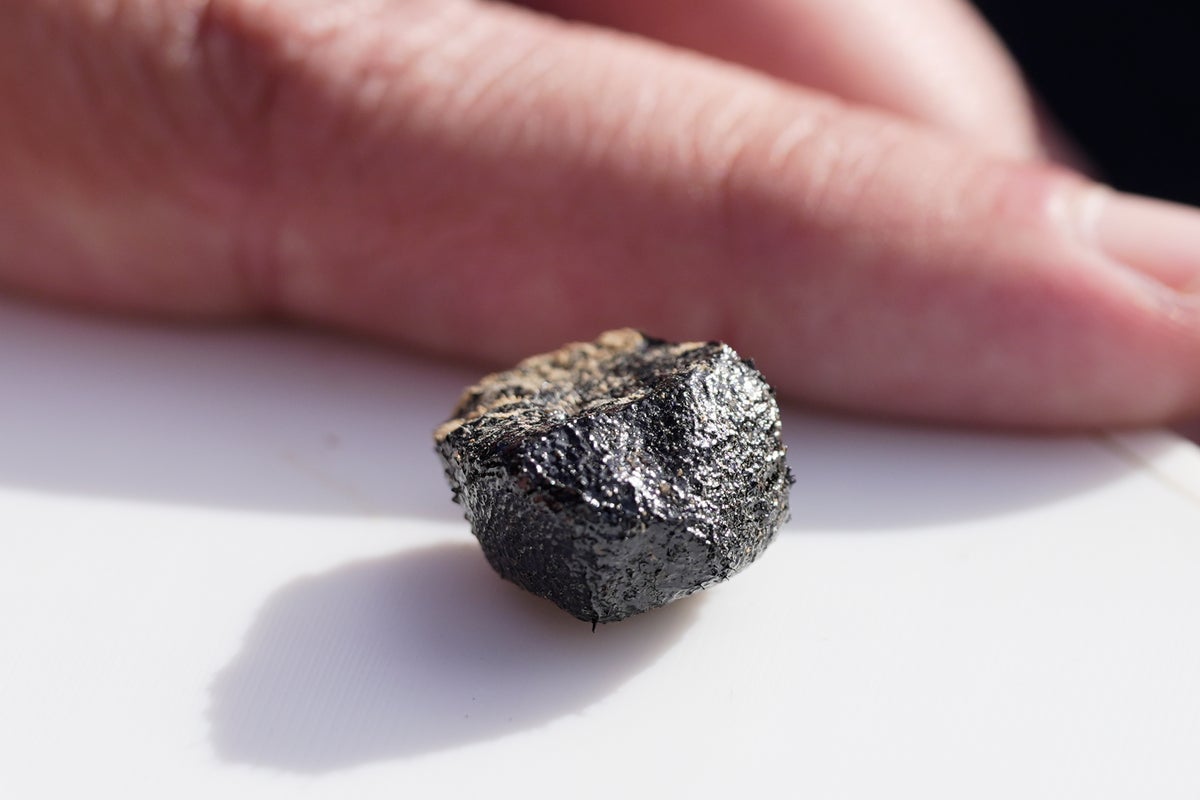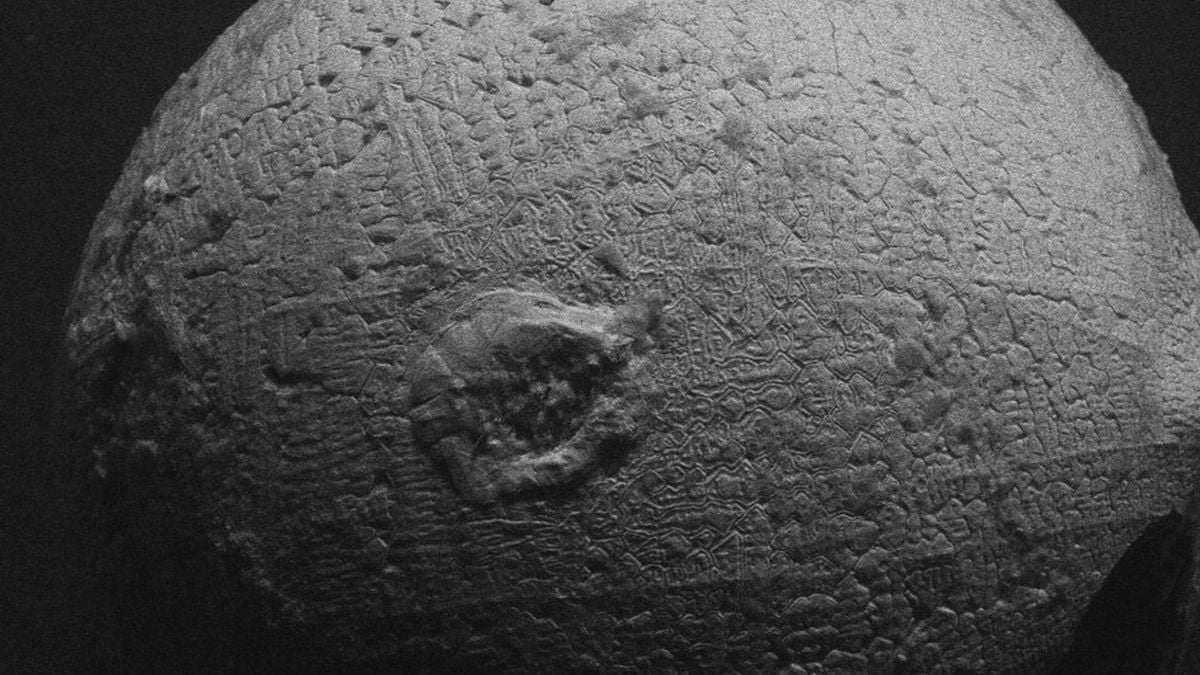
Earth is under constant bombardment.Every year, thousands of tons of tiny micrometeorites, each smaller than a poppy seed, rain down on our planet, dusting it with cosmic snow so fine you never even notice it's there.These particles begin as dust shed by asteroids and comets. As they plummet through Earth's atmosphere, they melt into tiny glassy spheres – and locked inside some of these microscopic particles, scientists have now found the fingerprints of a type of asteroid that's unlike any we've ever seen before.Researchers describing the discovery refer to this asteroid parent body as "missing" because no traces of it have been found in current meteorite collections – our main window into the chemistry of space beyond Earth.
"This new research shows that micrometeorites – a field that is still in its infancy – may hold evidence that a significant part of the flux of extraterrestrial material to Earth is 'missing' from meteorite collections, showing the huge scientific potential of this cosmic dust," cosmochemist Matthias Van Ginneken of the University of Kent in the UK told ScienceAlert.Van Ginneken is the first author of a paper describing the discovery, recently published in Science Advances.Micrometeorites preserve a record of Earth's changing cosmic environment. Scientists use them to study everything from ancient meteor explosions to our planet's passage through streams of space debris over thousands of years.Another thing micrometeorites can do is reveal what the rocks passing through near-Earth space are made of.