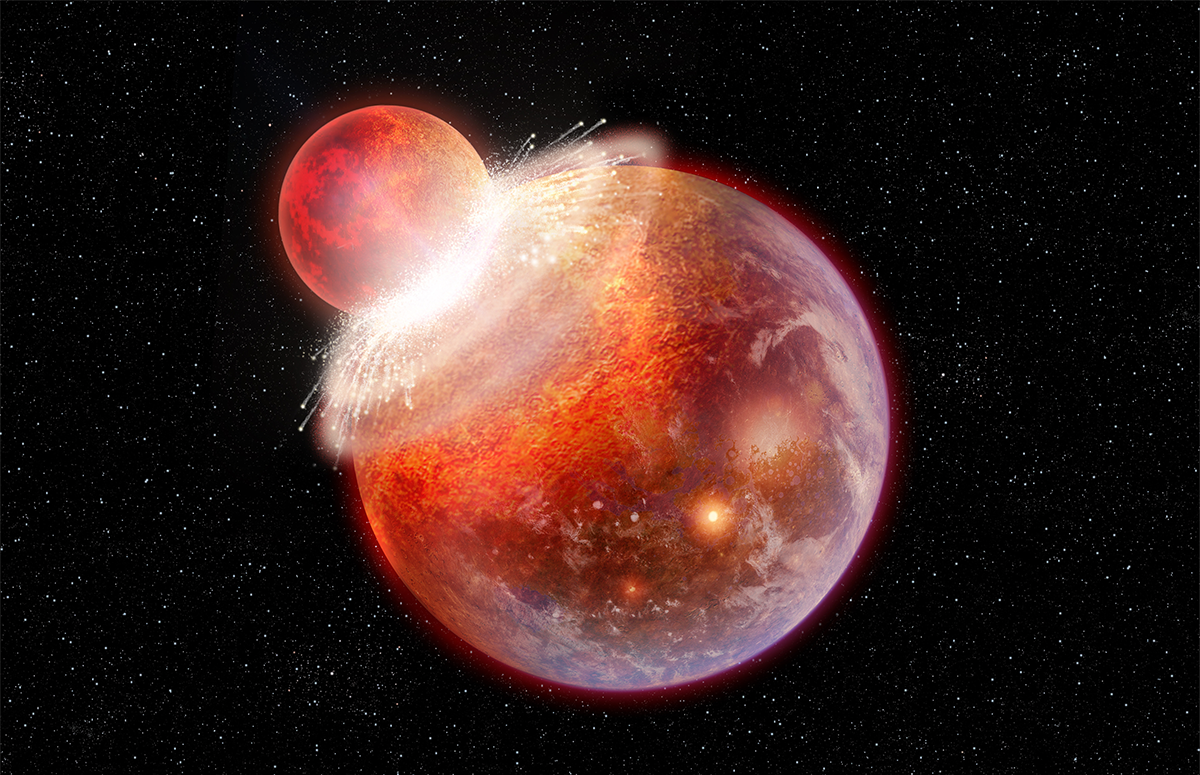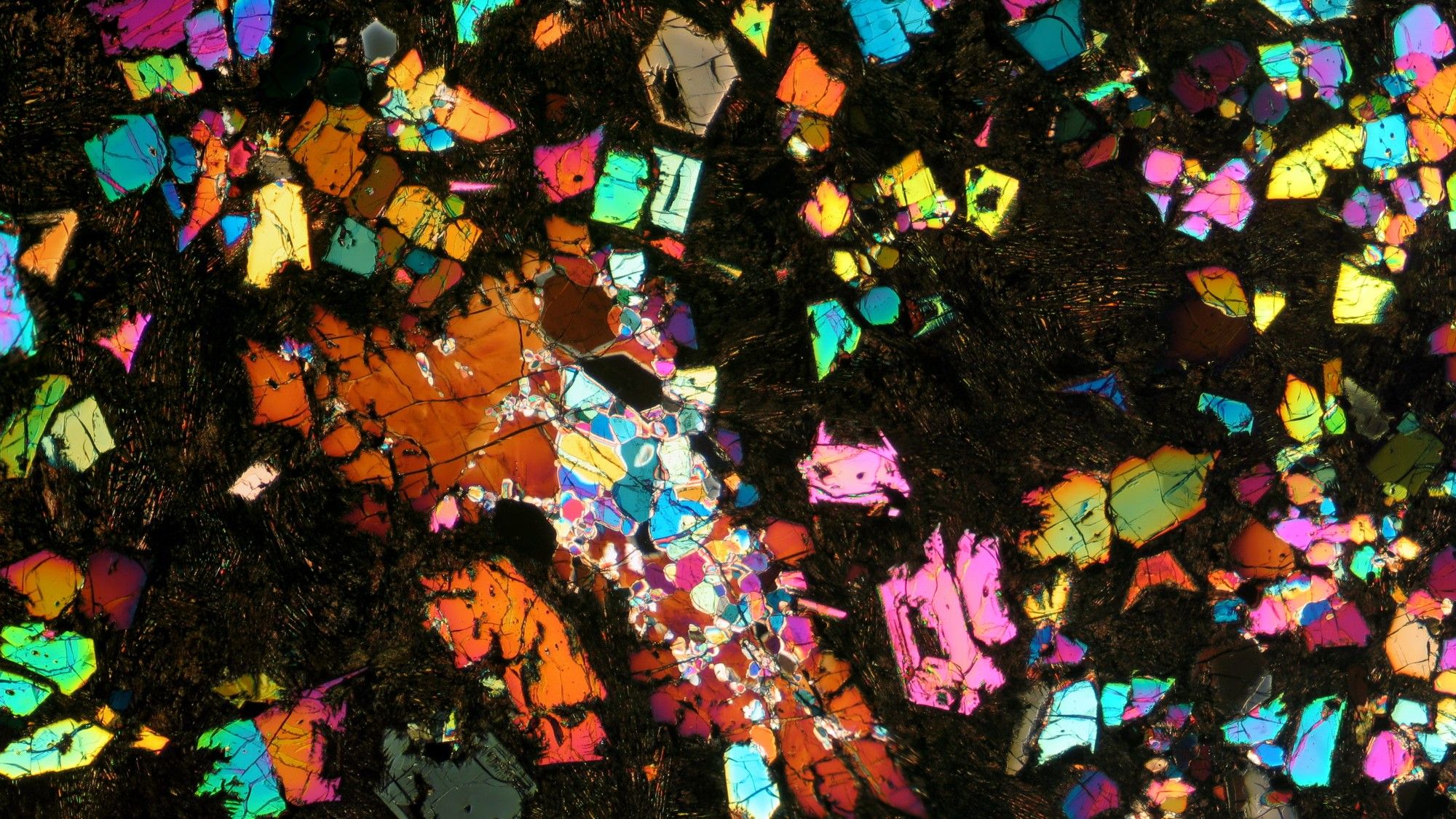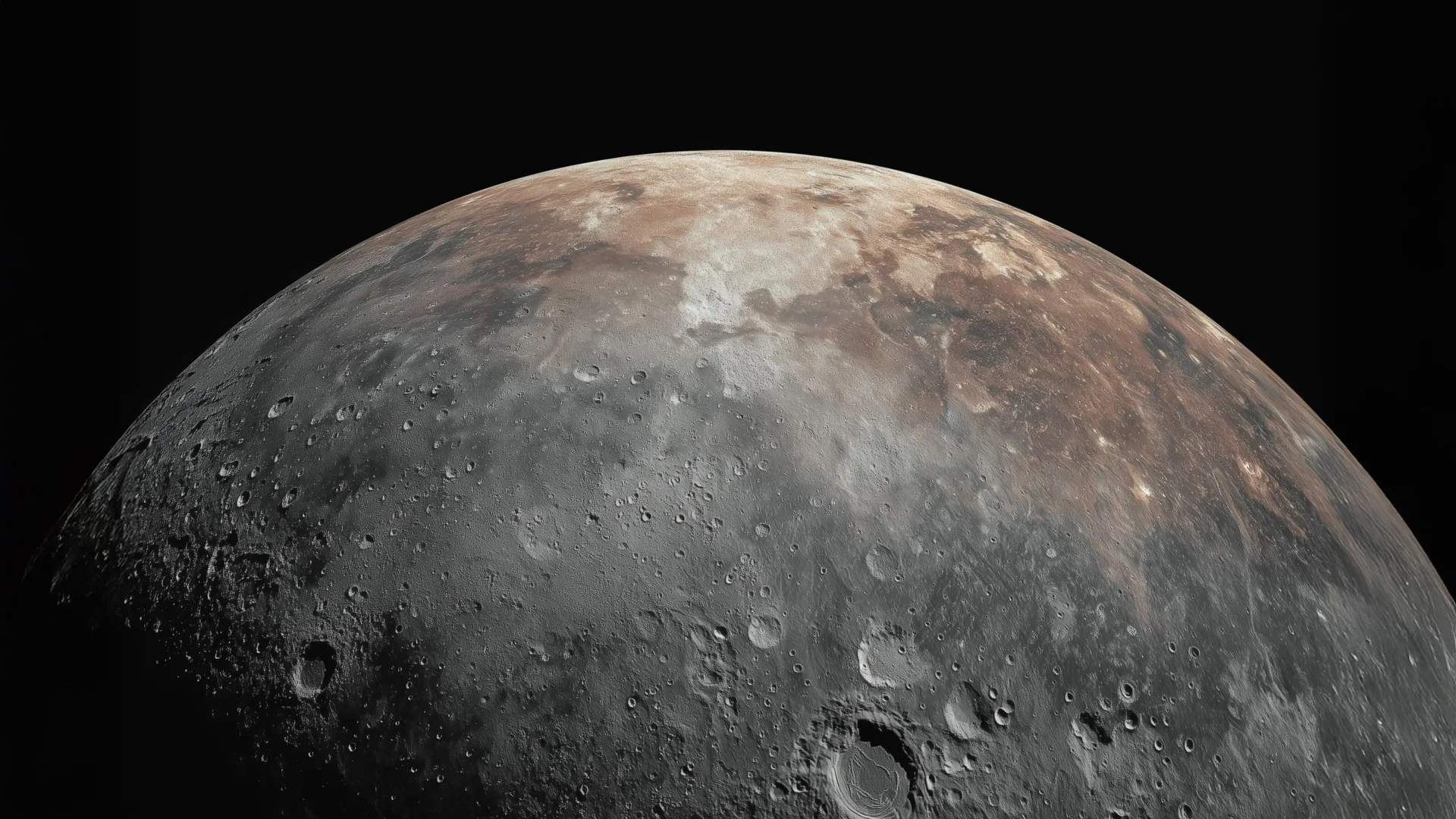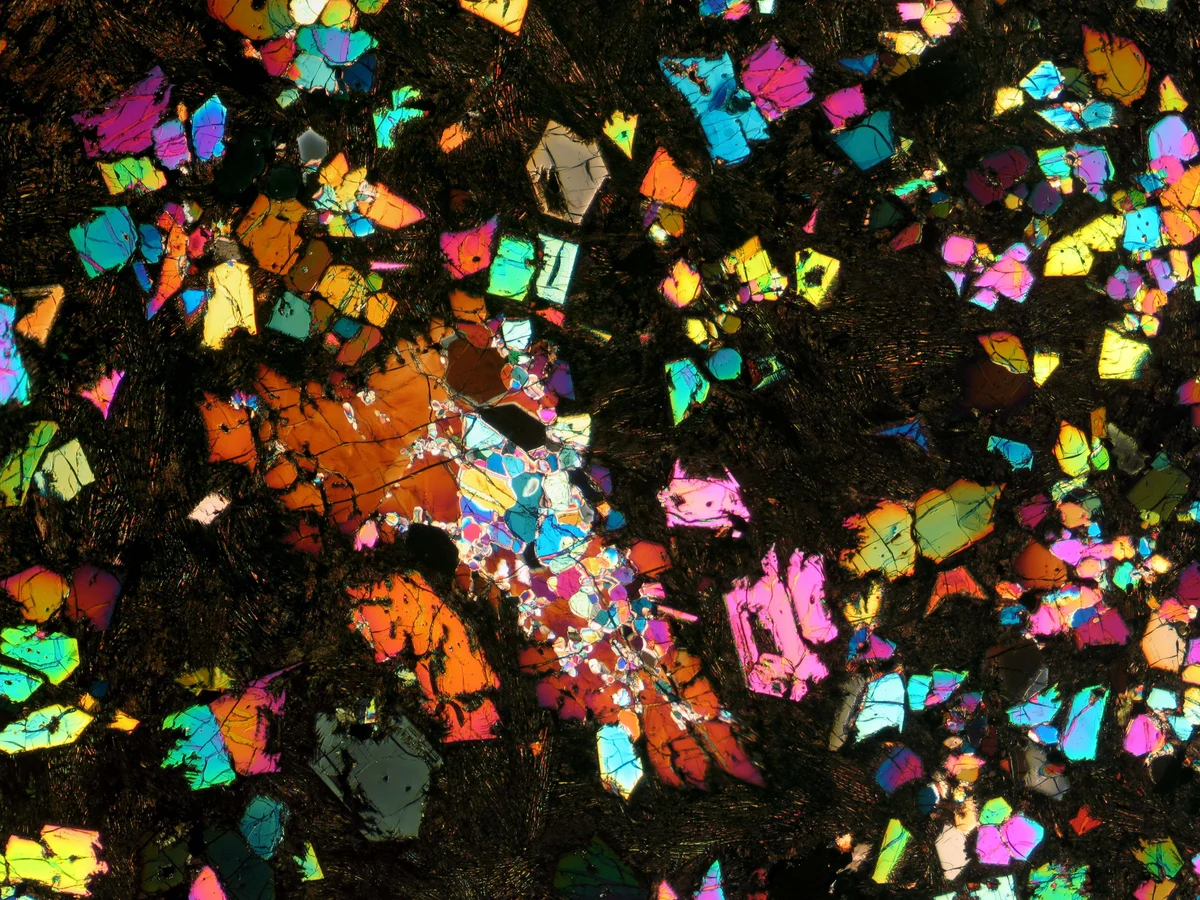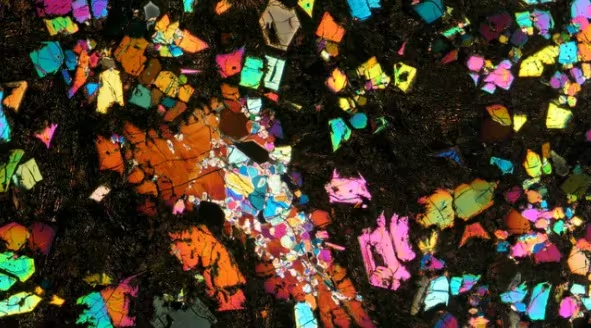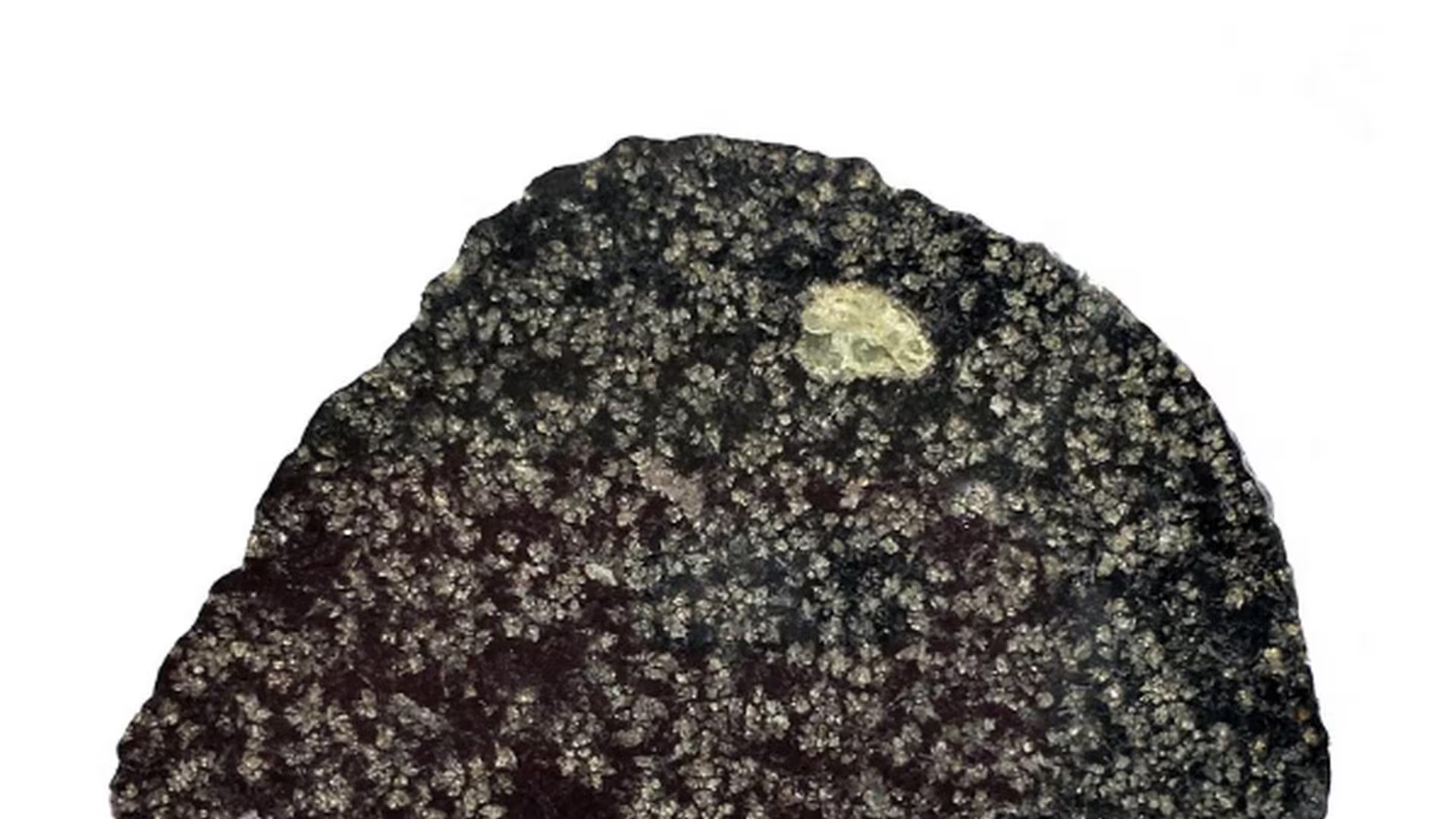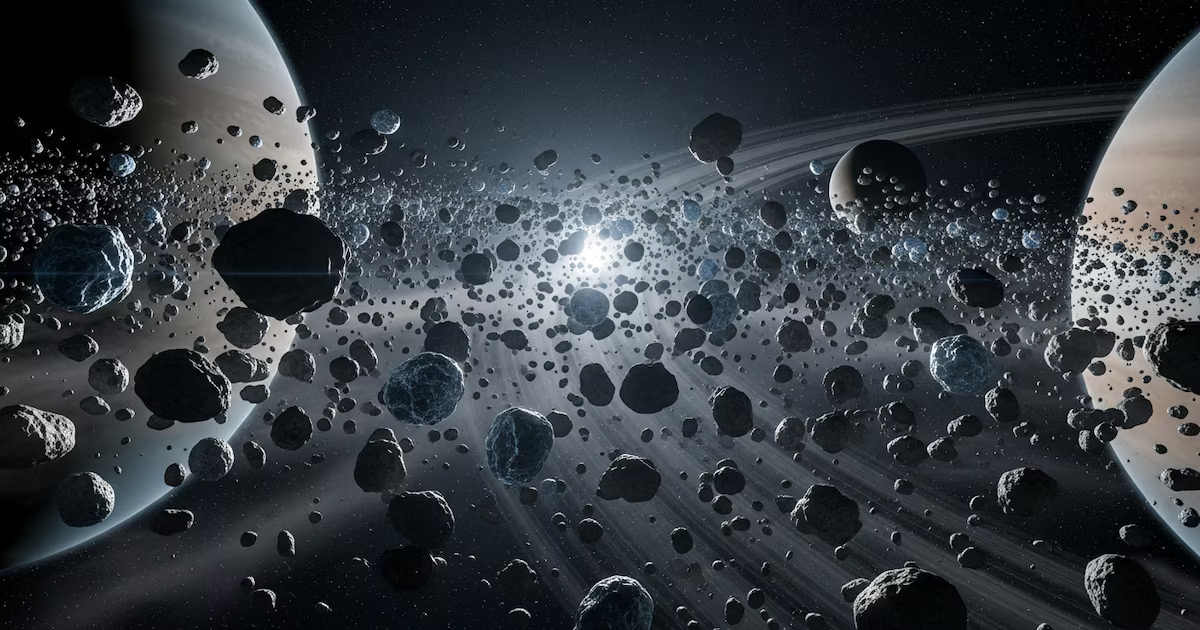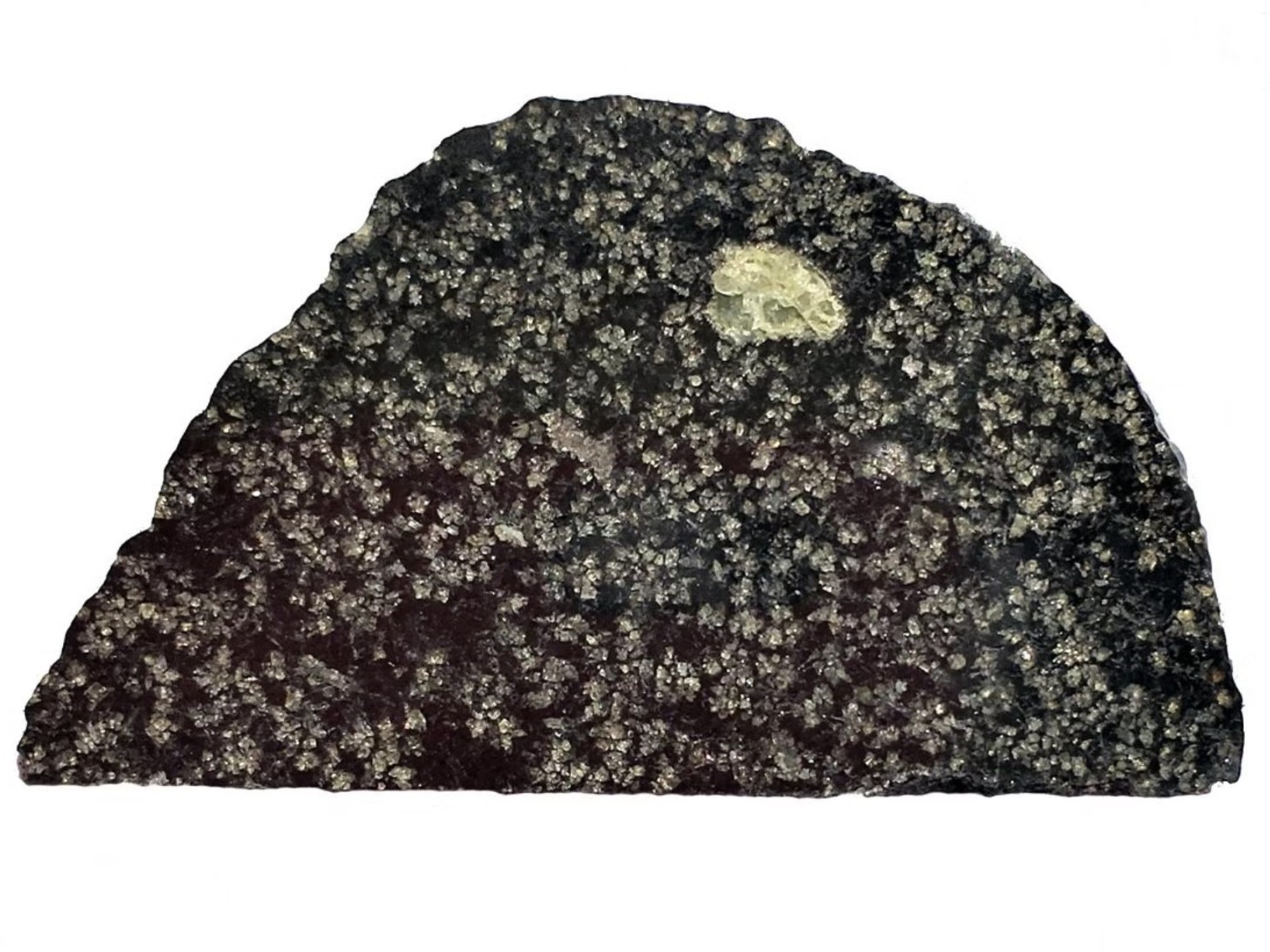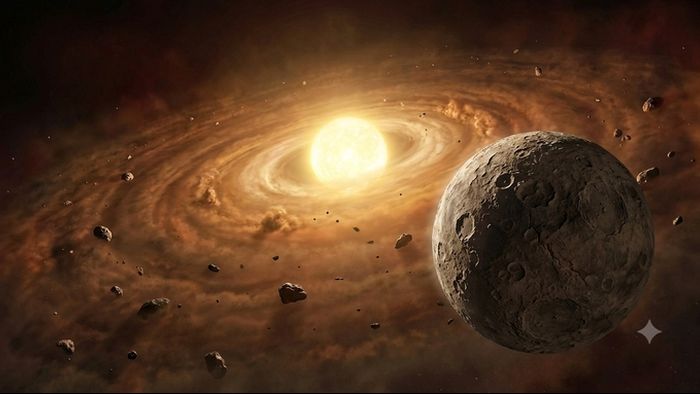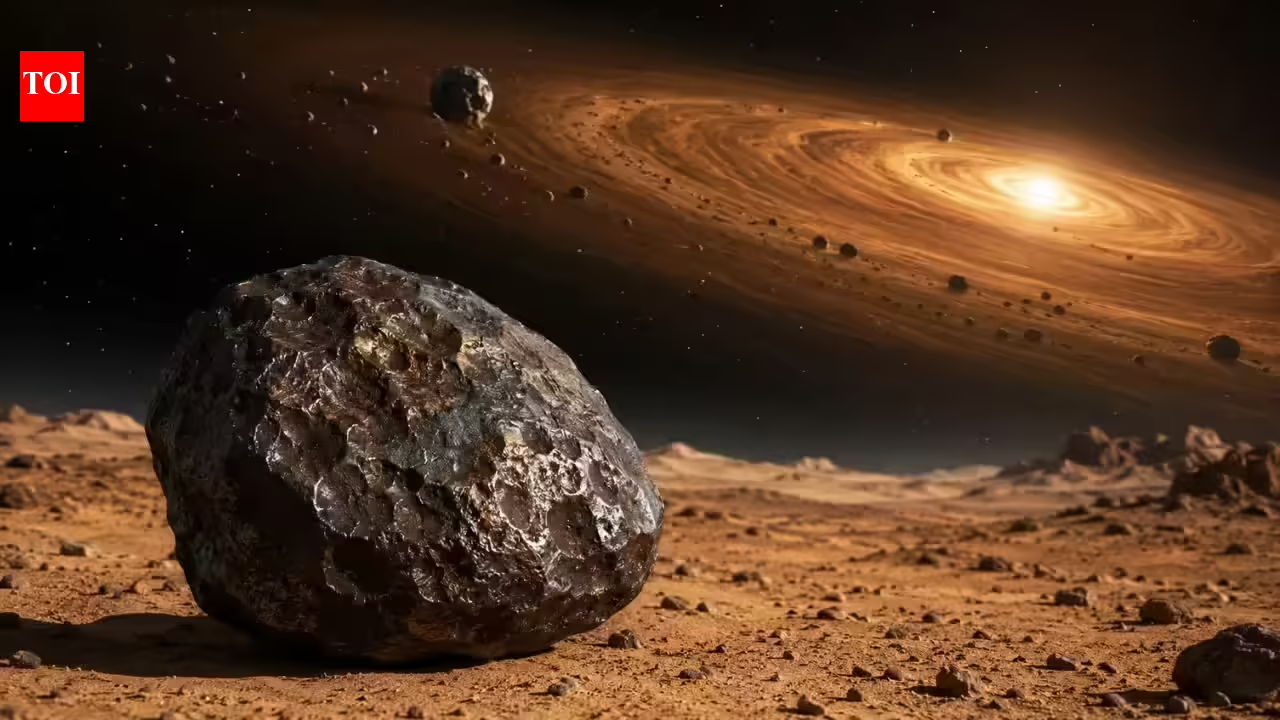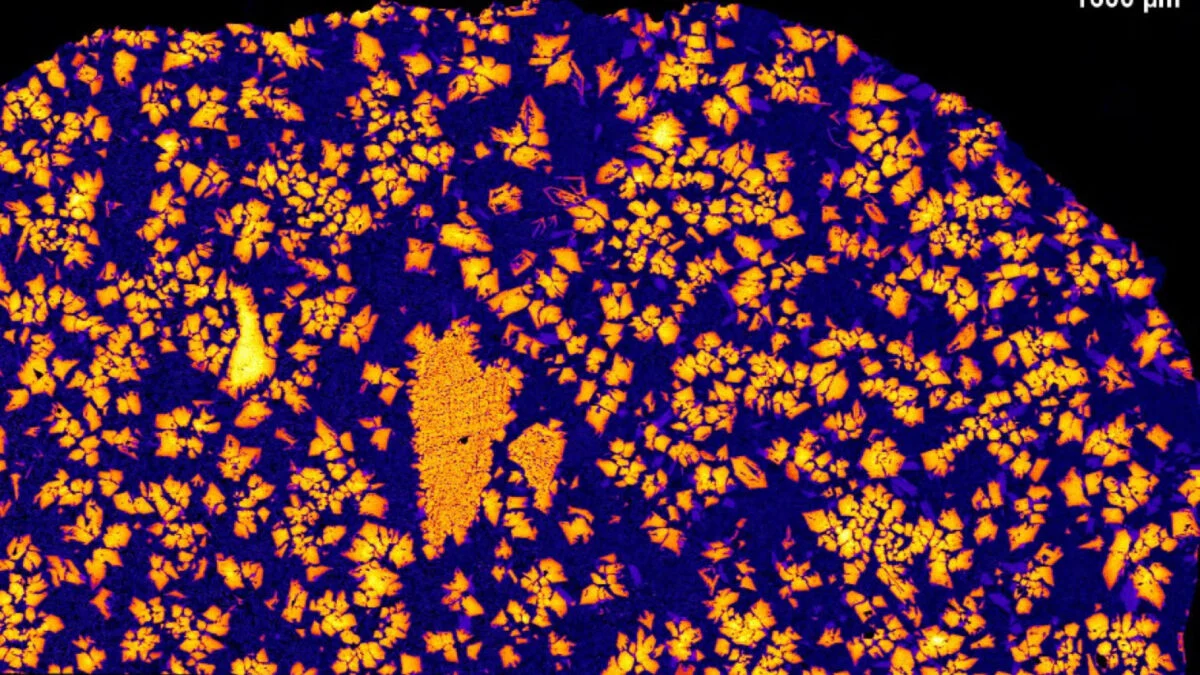
Meteorite fragments land across every corner of Earth. But among the roughly 80,000 meteorites discovered so far, only a handful are known as angrites—and at least one of them might be the remnant of a long-lost protoplanet in our solar system, a new study suggests. Researchers studying NWA 12774, an angrite retrieved in the Sahara Desert, noticed that the pressures required to form the fragment’s chemical structure could not have existed inside smaller asteroids. What’s more, the sharp, delicate crystals inside the angrite indicate that it was born at relatively shallow depths. In a recent paper published in Earth and Planetary Science Letters, the team presented an unexpected possibility—did the angrite once belong to a long-lost planetary embryo in our solar system? “Meteorites are essentially a library of information about the formation and evolution of the early solar system,” Aaron S. Bell, the study’s first author and an earth scientist at the University of Colorado Boulder, told Gizmodo. “Angrites, in particular, preserve a record of processes that occurred at the very beginning of planetary formation.”
Ancient oddities A slice of NWA 12774. The green circle is an olivine crystal, a magnesium-rich mineral. Credit: John Kashuba/CU Boulder Angrites are among the most ancient, basaltic meteorites, with isotopic studies dating them at around 4.56 billion years old, Bell explained. However, their chemical composition sets them apart from other basalts found on Earth, the Moon, or even Mars. For instance, angrites have low levels of silica and a distinctive mineral chemistry, he added.