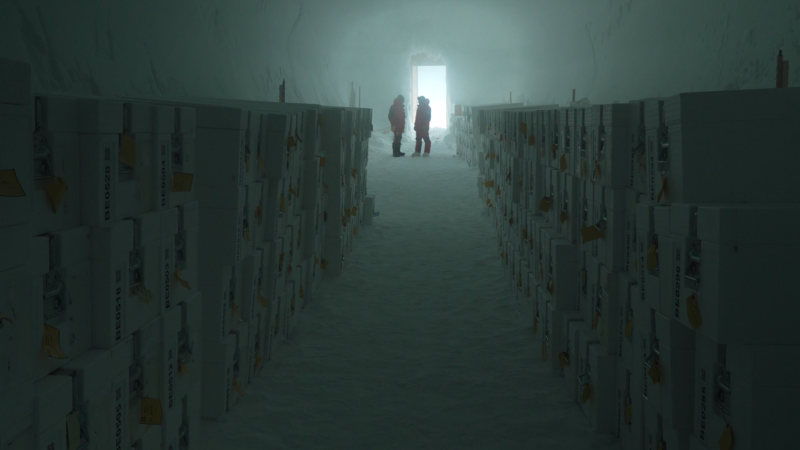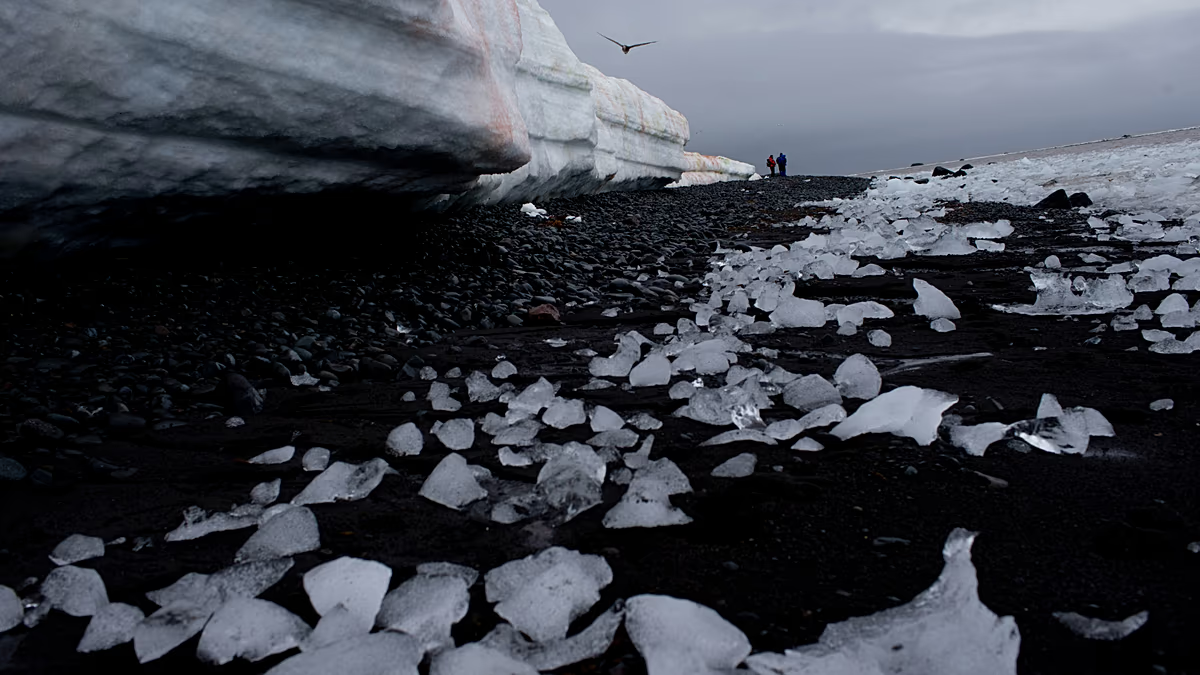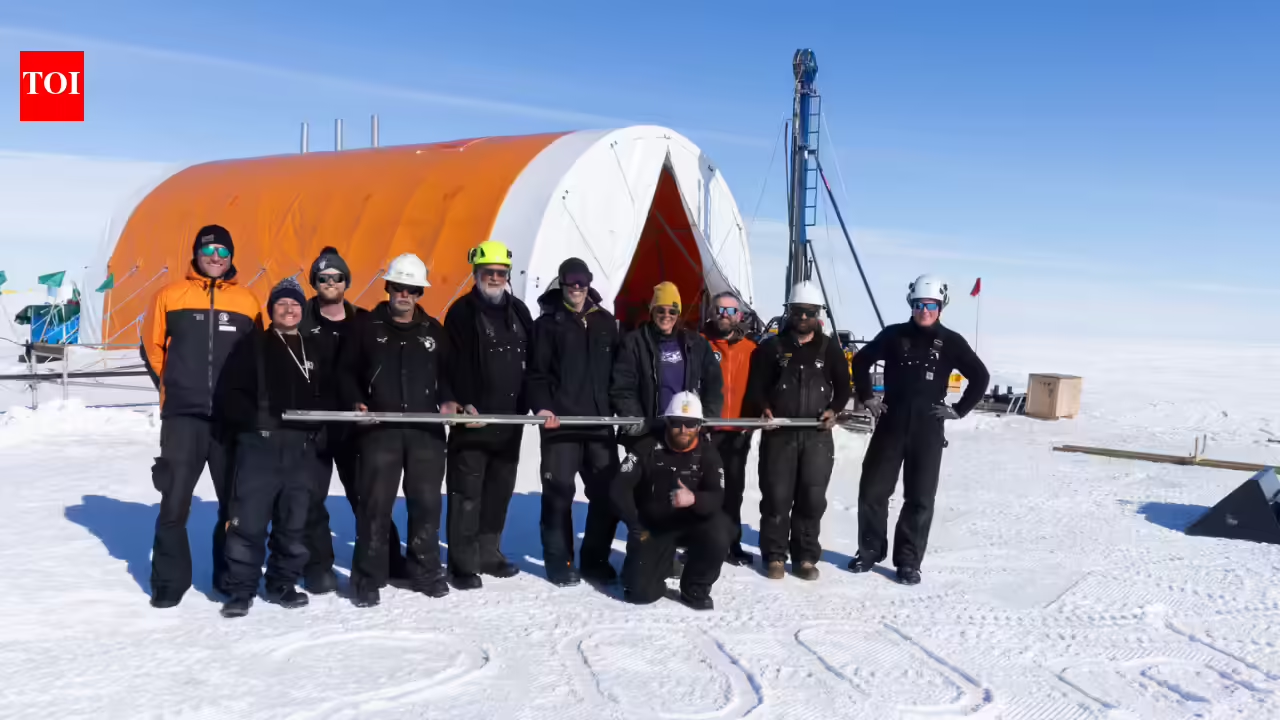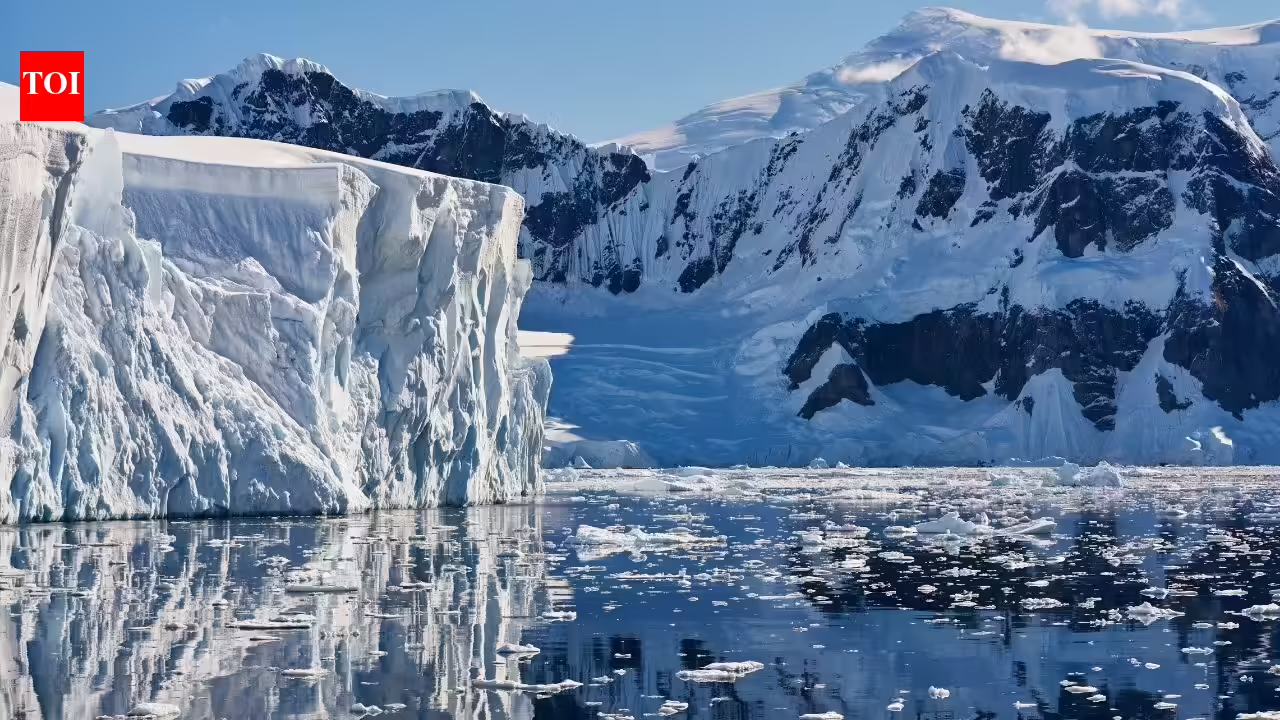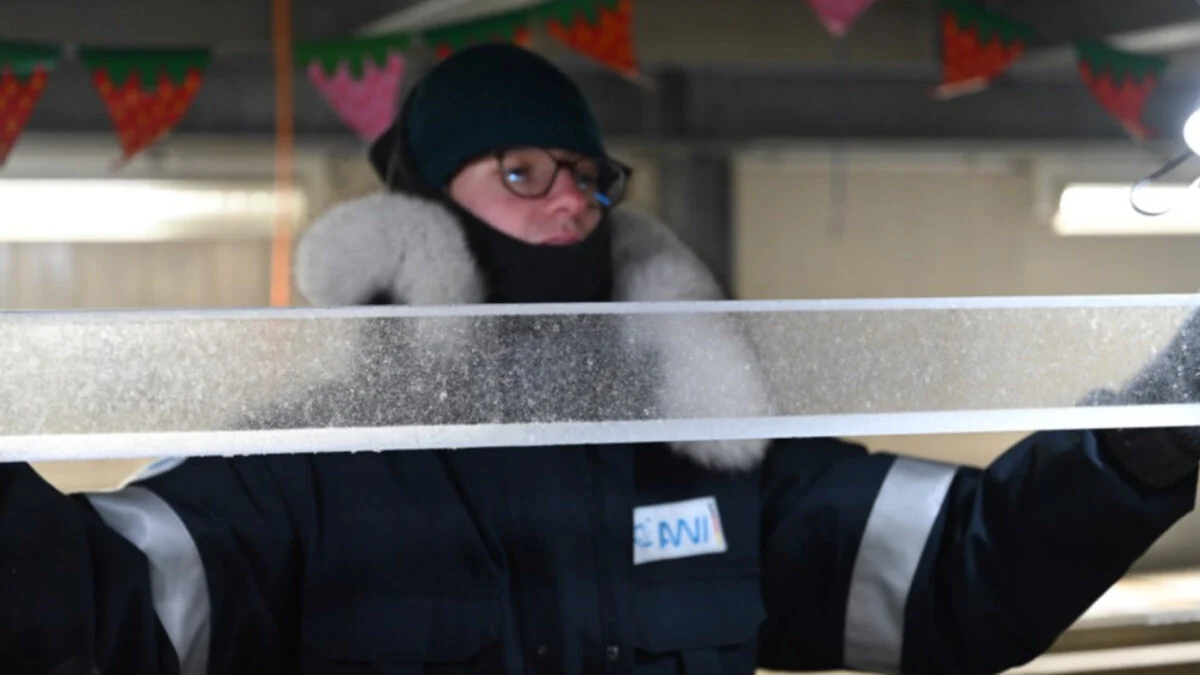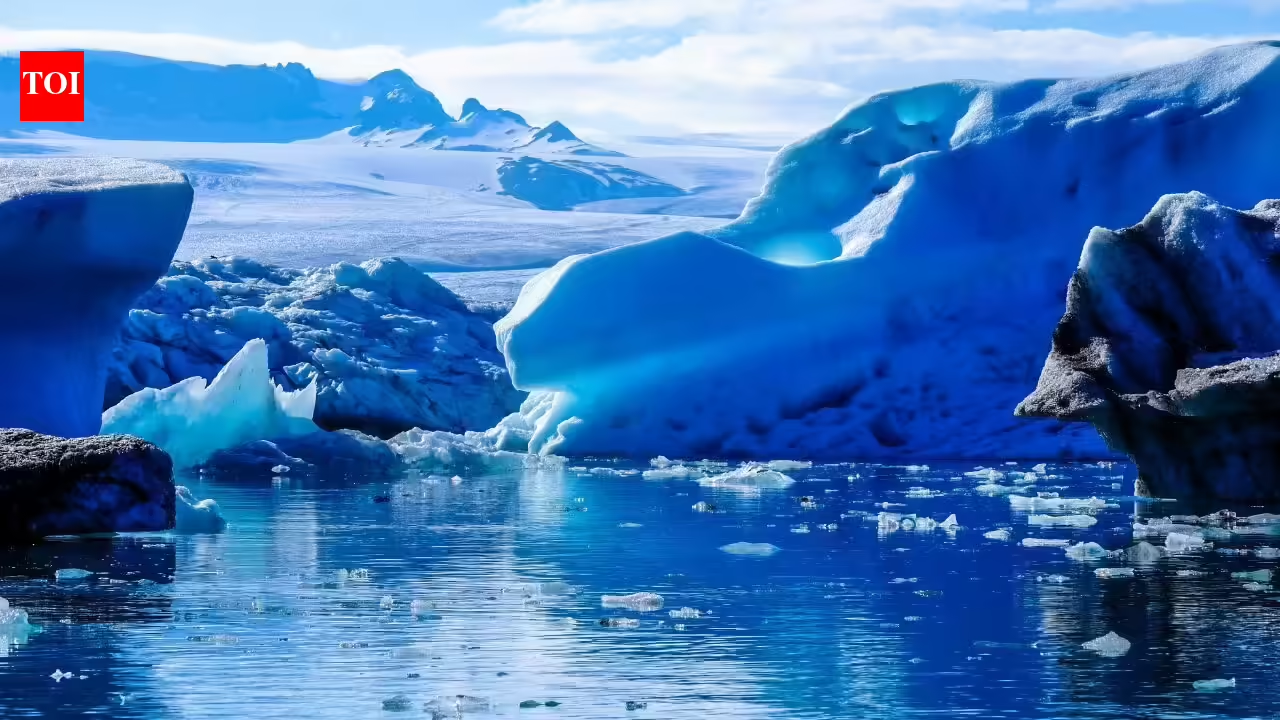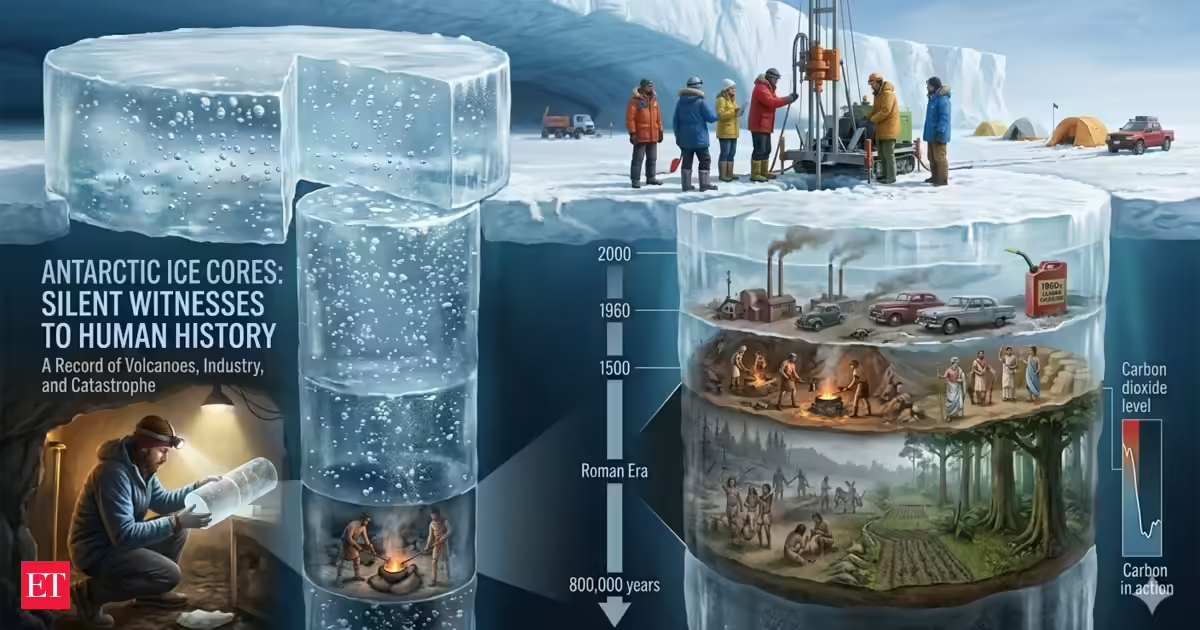
Antarctic ice cores climate change: Deep beneath Antarctica’s ice, scientists have uncovered something that reads less like a climate record and more like a silent witness to human history.Locked inside the polar ice caps, specifically the Law Dome and WAIS Divide, are layers of snow and air that stretch back as far as 800,000 years, as per a report. Over time, falling snow compresses into solid ice, trapping tiny bubbles of air and chemical particles that preserve snapshots of the atmosphere from the past.By drilling deep into the ice, researchers extract long ice cores, cylinders that contain these preserved layers of ancient air. British Antarctic Survey research scientist Amy King explained that “Those are a sample of the atmosphere as it was at that time. So as we drill down into the ice, we retrieve these gradually older and older air samples, trapped as bubbles, and we can therefore measure older and older atmospheric histories," as quoted by Atlas Obscura.Because direct climate measurements only began in the 19th century, these ice cores provide something that history books cannot: physical evidence of Earth’s atmosphere long before instruments existed.The Frozen Record of Volcanoes, Industry, and Human ActivityThe air and particles locked inside ice cores reveal major global events.You Might Also Like:Sulfate levels can point to large volcanic eruptions, while comparisons between Greenland and Antarctic cores help scientists determine where those eruptions originated and how powerful they were.Other traces tell a different story, one tied directly to human activity. Metals such as copper and lead reveal evidence of ancient mining and smelting from civilizations like the Greeks, Romans, and Incas, as well as more recent pollution from leaded gasoline after the 1960s.But one of the most striking signals comes from carbon dioxide levels preserved in the ice.A Drop in Carbon Dioxide That Matched a Human CatastropheCarbon dioxide in the atmosphere reflects a balance between what is emitted and what is absorbed by natural systems like oceans and forests, as well as human activity.You Might Also Like:In a study, Amy King and researchers from the University of Cambridge and the British Antarctic Survey examined carbon dioxide levels trapped in Antarctic ice, as per the Atlas Obscura report. What they found pointed to a dramatic shift tied to a major human event.When Europeans arrived in the Americas in the 15th century, Indigenous populations were devastated by disease, including measles and smallpox, as well as war and colonial violence. Within 150 years, it is estimated that around 56 million Indigenous people died, as per the Atlas Obscura report.This large population collapse had environmental consequences. Land that had been farmed and inhabited was abandoned, allowing forests to regrow. These forests absorbed more carbon dioxide from the atmosphere.That change in atmospheric carbon dioxide levels was preserved in the Antarctic ice bubbles, effectively recording the impact of colonization on Earth’s climate system.When Human Loss Changed the AtmosphereAs forests expanded, more carbon dioxide was removed from the air, and this shift became part of the ice core record. According to King, this shows how deeply human activity, even in the past, has been connected to atmospheric change, as per the Atlas Obscura report.The WAIS Divide field camp, one of the key sites for extracting these ice cores, continues to provide scientists with this long-term archive of Earth’s climate history.FAQsWhat are ice cores?They are long cylinders of ice drilled from polar regions that contain trapped air from the past.What is trapped inside the ice?Air bubbles and chemical particles from past atmospheres.
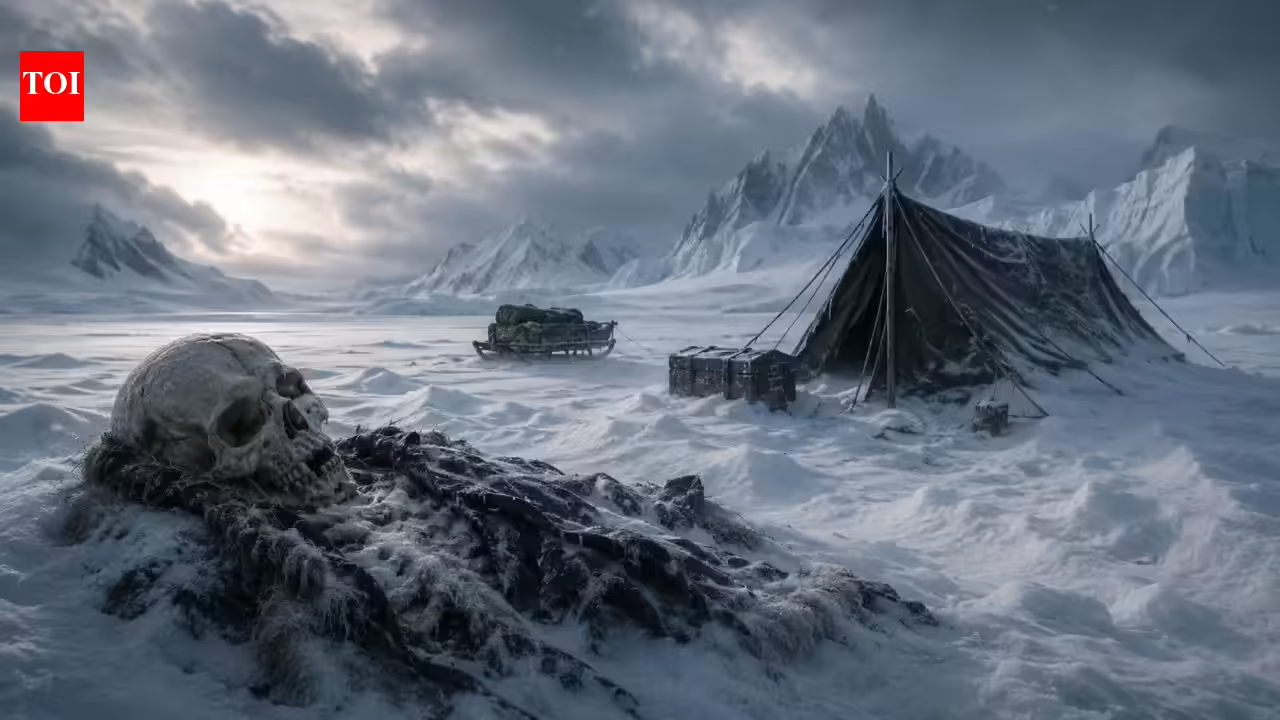
56 million dead, one frozen secret: Antarctica outed the deadliest secret in human history
Antarctic ice cores climate change: Discover how Antarctic ice cores provide evidence of the catastrophic impact on the climate due to the collapse of Indigenous populations in the Americas, revealing a crucial connection between human history and atmospheric change.
580 words~3 min read