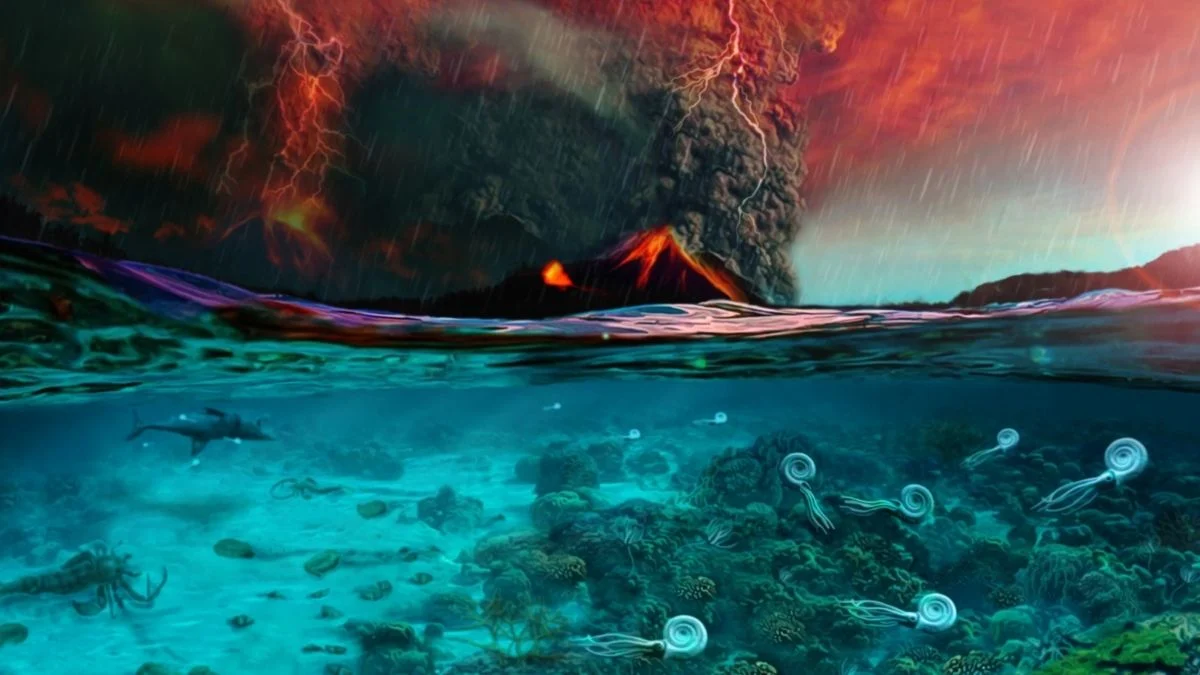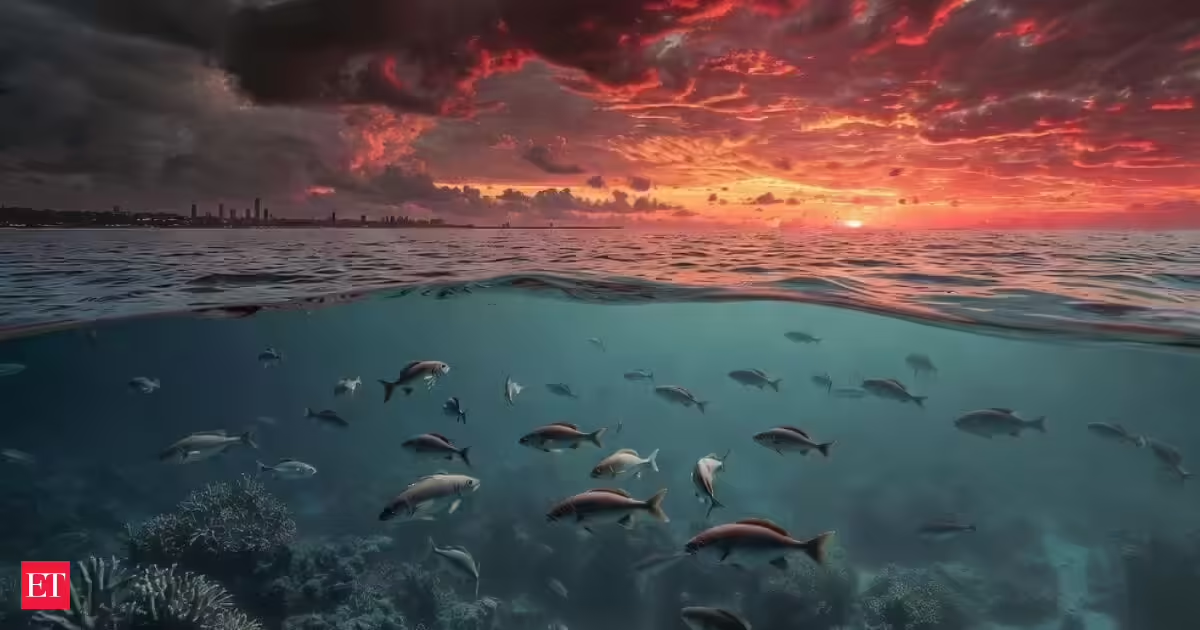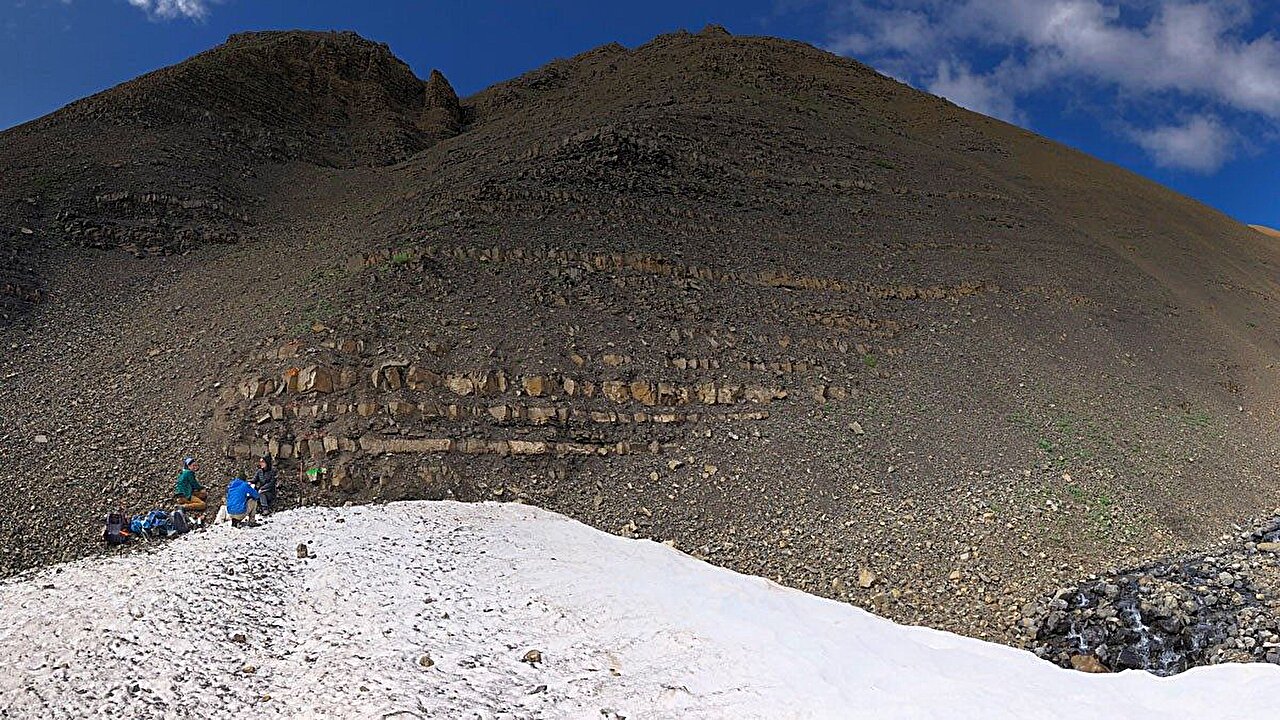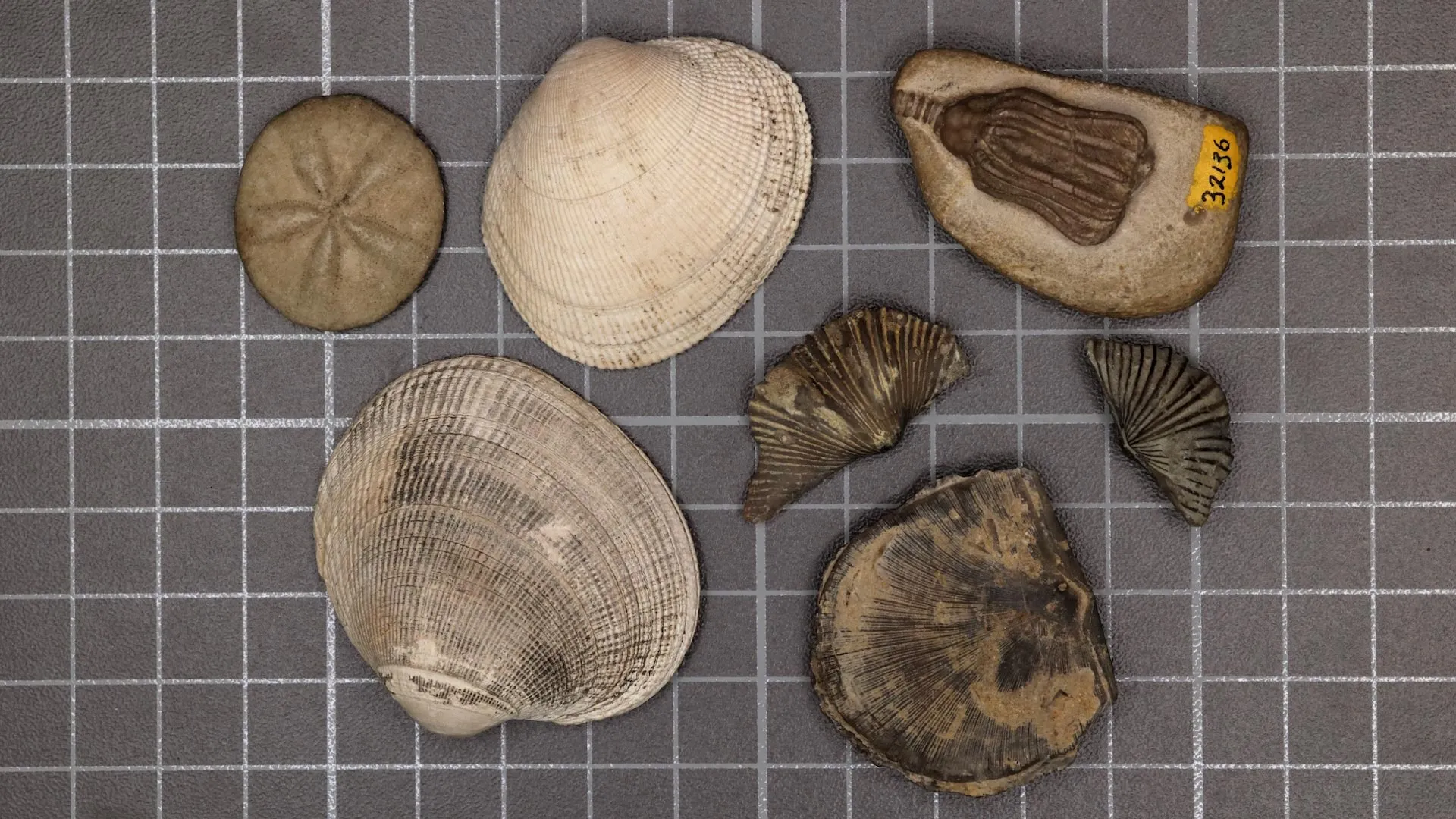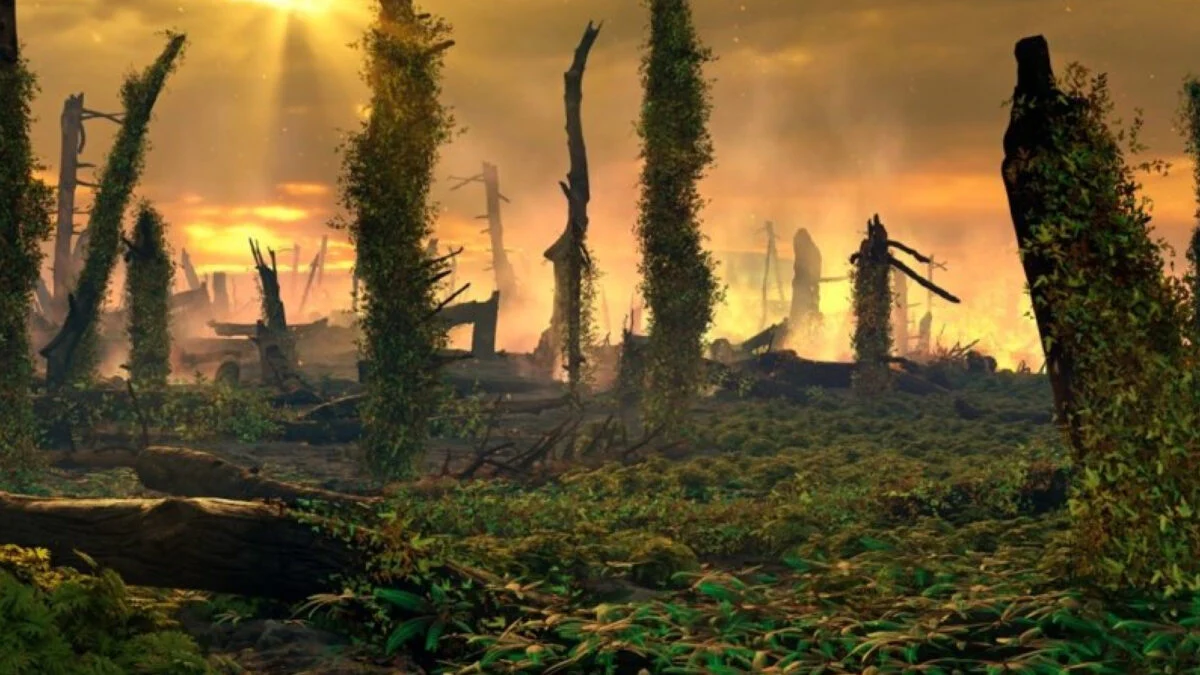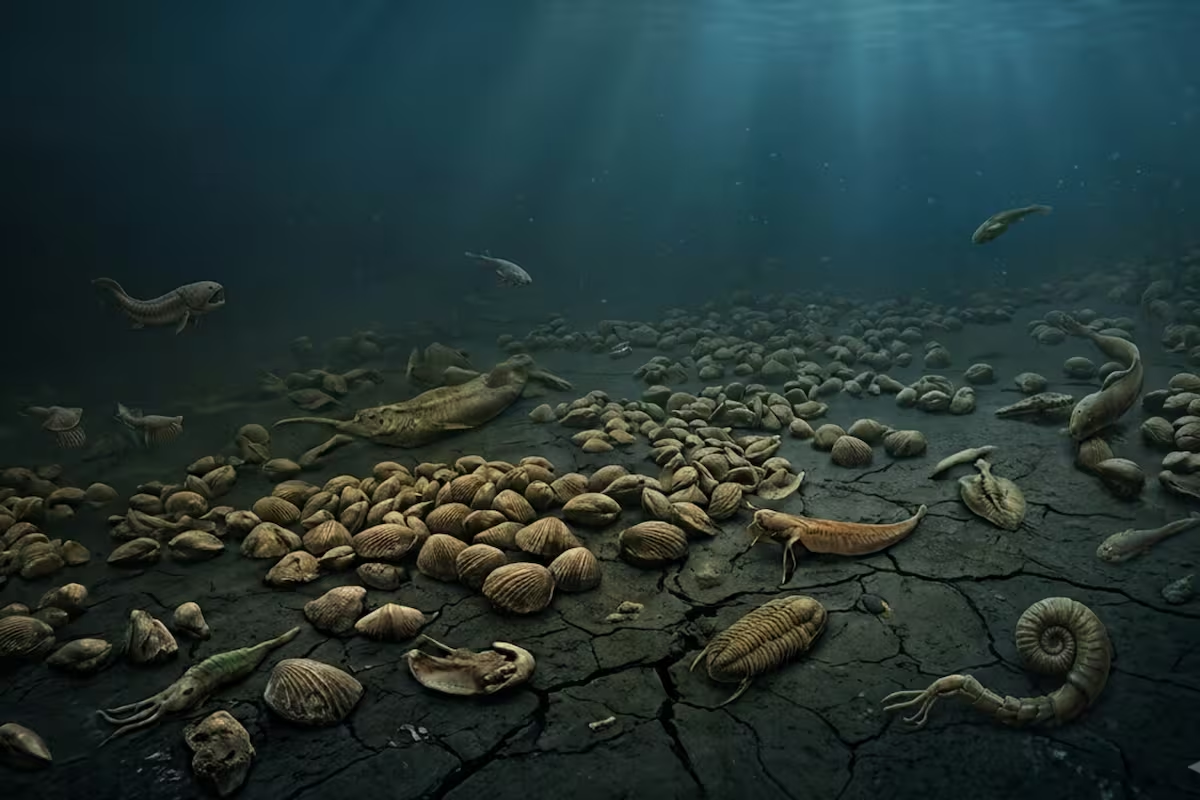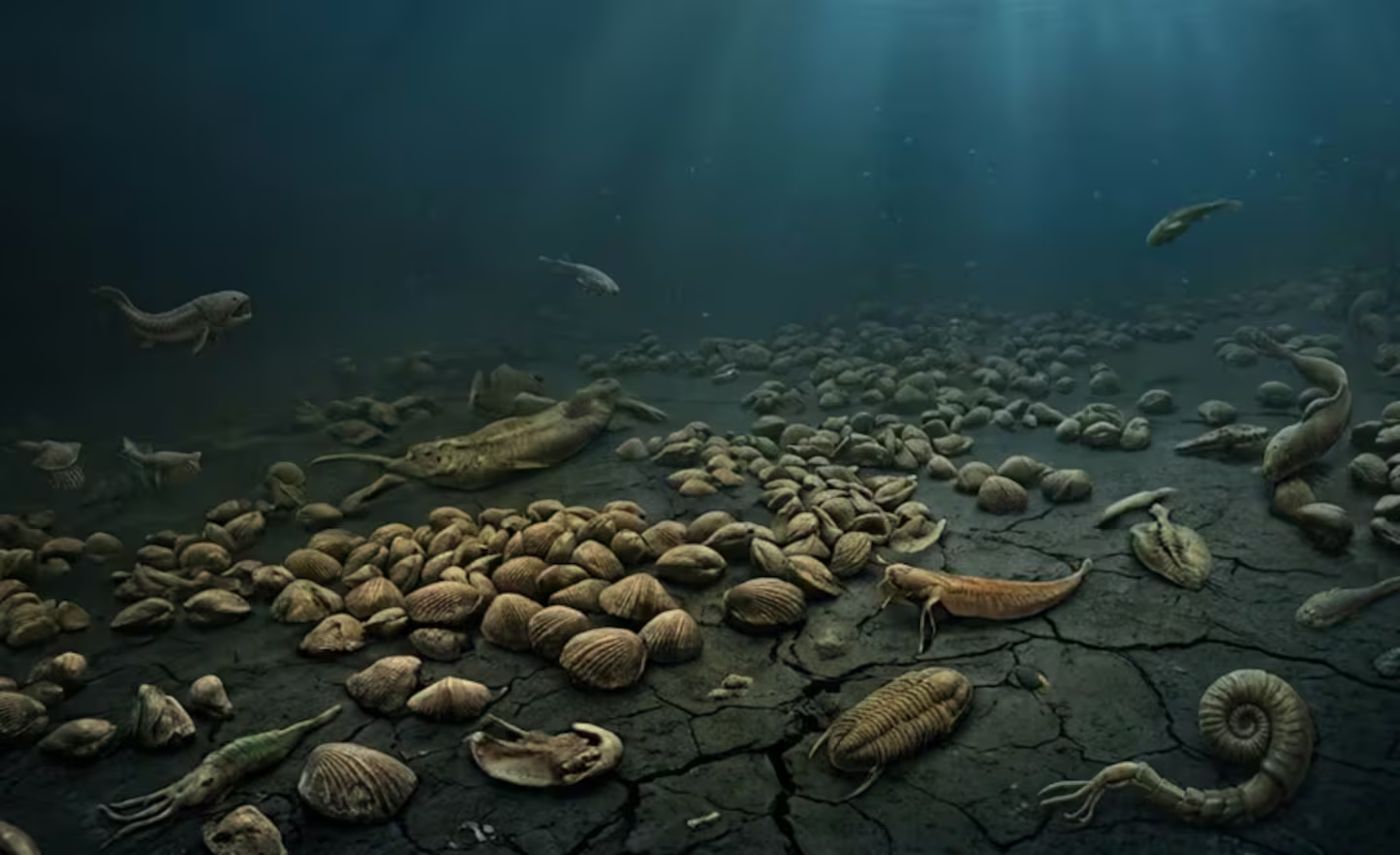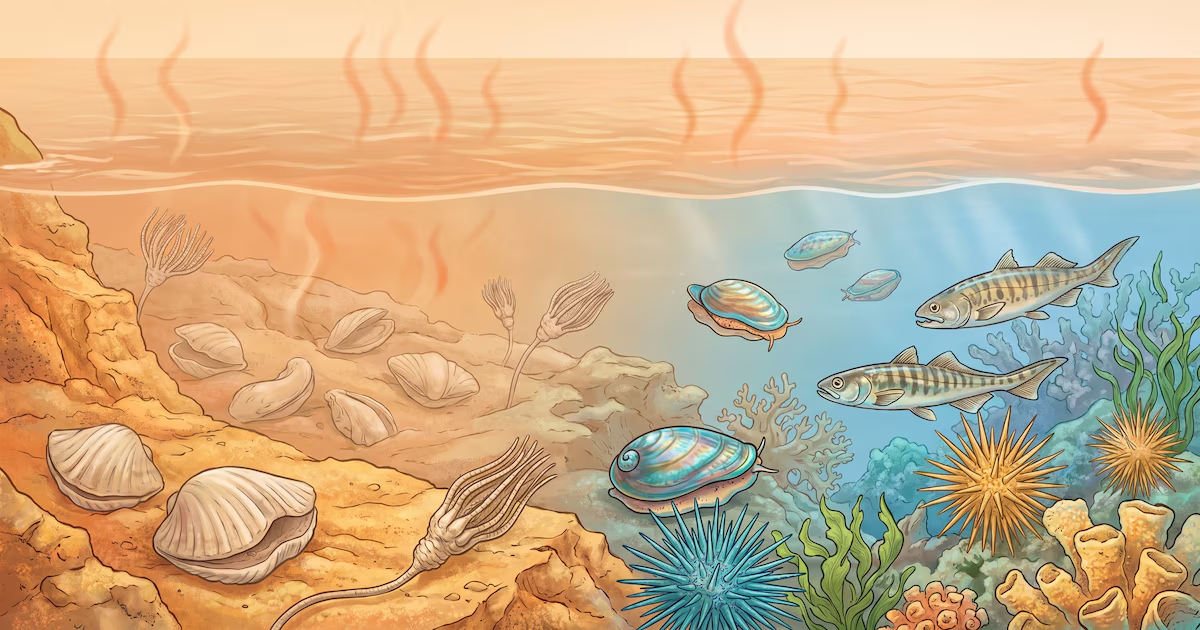
Roughly 252 million years ago, nearly all life on Earth vanished. In a blink of geologic time, the Permian-Triassic mass extinction—also known as the Great Dying—wiped 96% of marine species and 70% of terrestrial species off the planet. The question that has plagued researchers for decades is, why? Well, hang on a minute. Let me be more precise. Scientists do know what triggered the Great Dying: The geological record shows that a surge of volcanic activity (likely from the Siberian Traps) filled the atmosphere with greenhouse gases, ushering in a much warmer climate that most species simply couldn’t tolerate. However, the specific kill mechanisms at play have long perplexed experts. In a study published July 6 in the journal Proceedings of the National Academy of Sciences, a team of scientists believes they have finally pinned down why so many sea animals died as a result of this extreme global warming. The findings not only solve a longstanding scientific mystery, but present a warning about Earth’s future.
“The biggest mass extinction of all time started from a world that is very similar to today,” senior author Erik Anders Sperling, an associate professor of Earth and planetary sciences at Stanford University, said in a statement.