Reading time 3 minutes
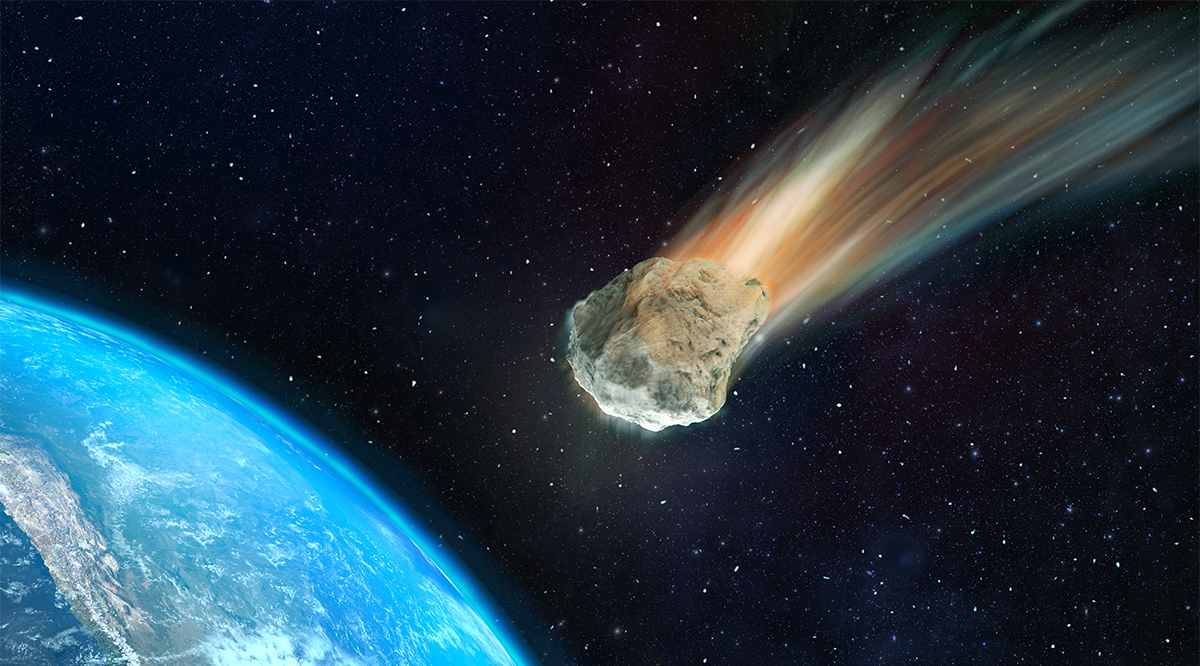
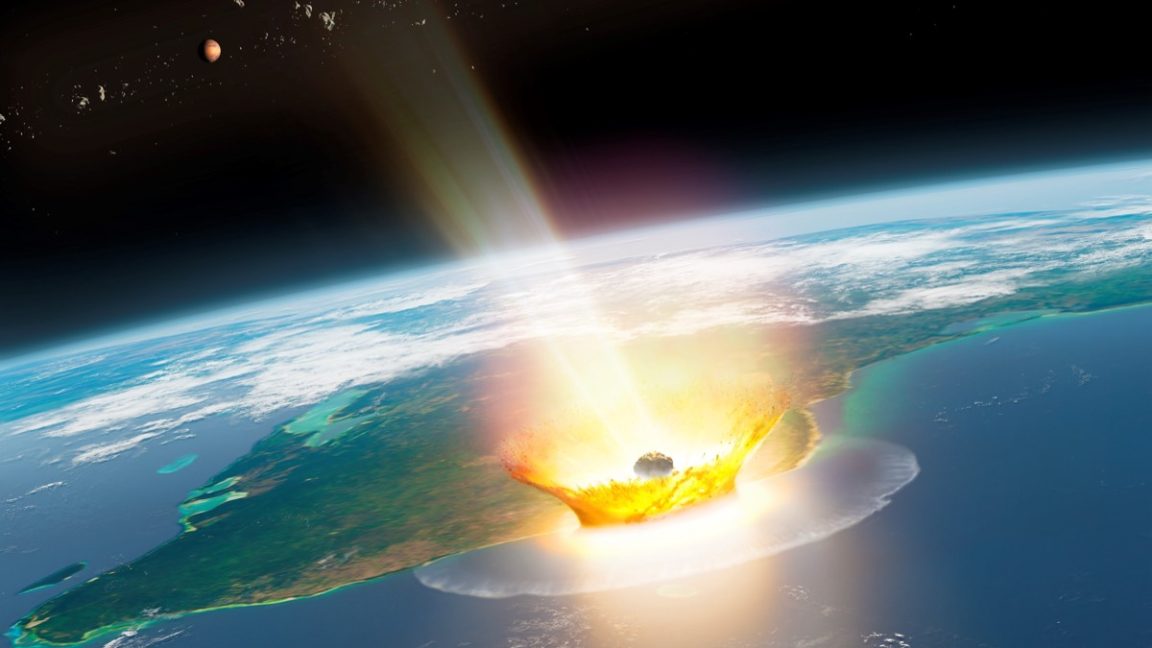
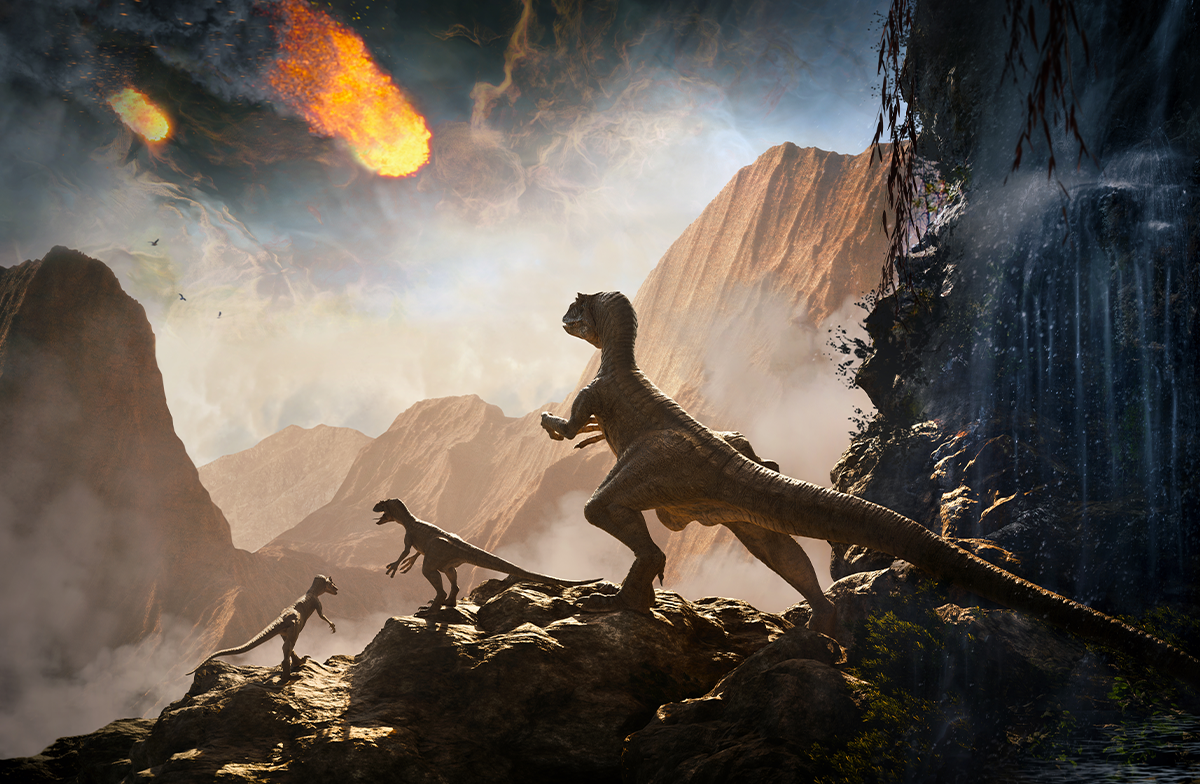
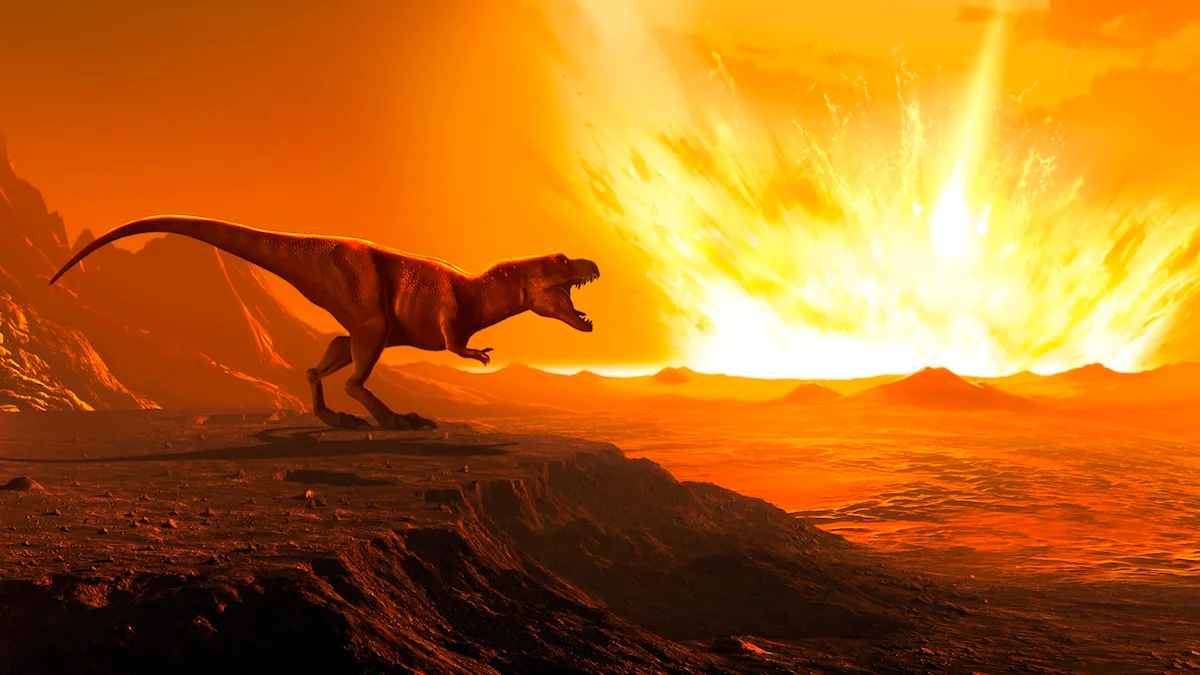
The bizarre contradiction of extinction-level asteroids, like the infamous Chicxulub impact that ended the dinosaurs, is that life simply goes on. The punishing Chicxulub space rock that smashed into the Yucatán with a staggering 100 million megatons of force, for example, also simultaneously created a rich marine ecosystem built off life-giving hydrothermal vents.
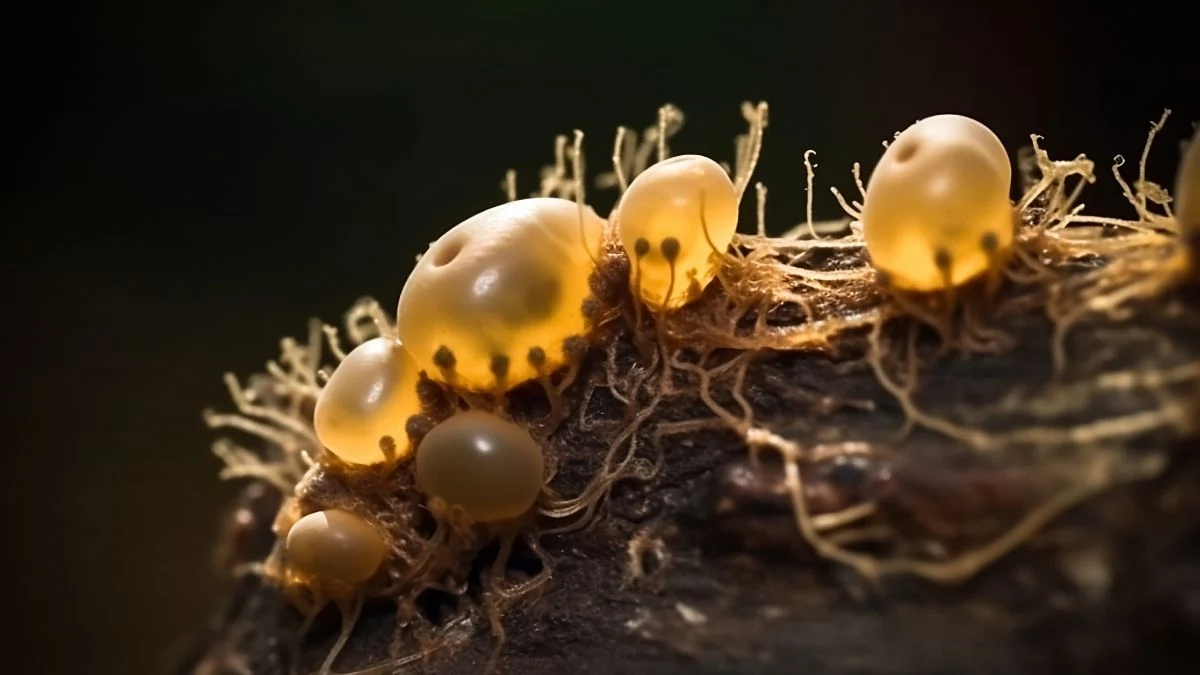
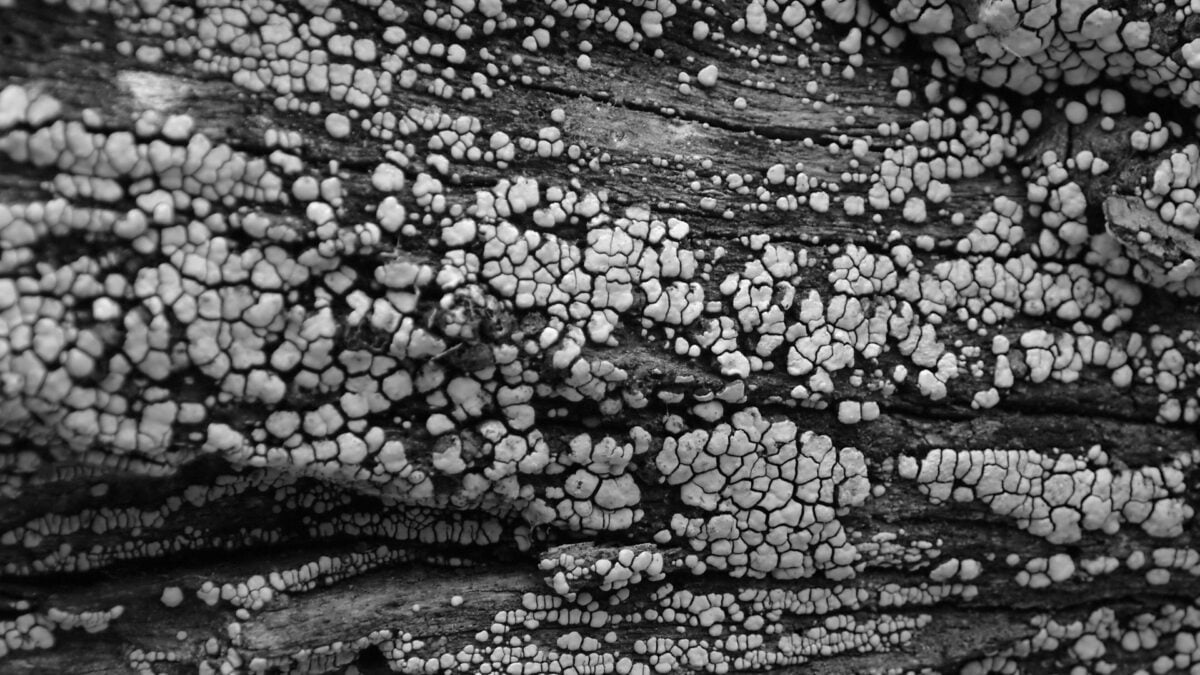
And now two researchers who study fungal pathogens have uncovered geological evidence of what they call a sprawling “global fungal bloom,” which literally mushroomed across the dusty, acrid wastes that followed the Chicxulub strike. The debris kicked up by this impact, alongside other Sun-blotting sooty eruptions from the volcanoes that formed Western India’s Deccan Traps, eventually transformed Earth’s climate into something not unlike a dank basement. While this environment was grimly inhospitable for most megafauna, it created near-perfect conditions for a worldwide network of fungi to feast upon these dying species’ remains.
“Fungi are the great degraders of organic matter,” as microbiologists and immunologists Rosanna Baker and Arturo Casadevall wrote in the preprint to their new study, published Tuesday in the Proceedings of the National Academy of Sciences.