Arabian Sea. What is the truth behind Pakistan's claims of an impending water crisis in the Indus Basin? The writer of this article uncovers the reality of abundant water inflows and highlights the structural issues that challenge effective water management. He argues that a lot of water is simply allowed to escape into the Arabian Sea.
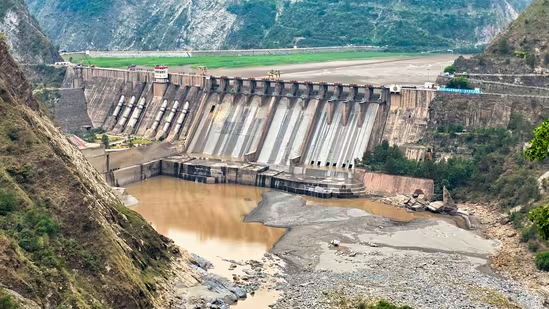
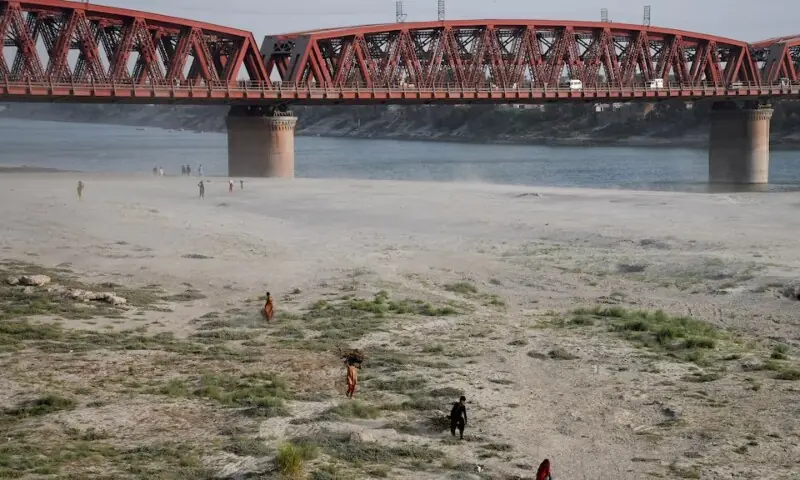
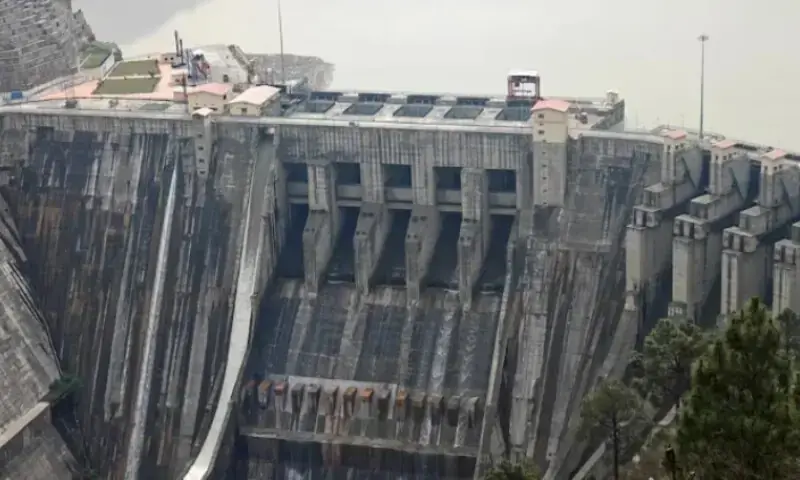
Pakistan’s recent claims projecting an impending water crisis in the Indus Basin and attributing river flow variations to upstream actions fail to withstand scrutiny when examined against Pakistan’s own hydrological data, reservoir records, and operational realities. A closer assessment of the evidence reveals a markedly different picture – one defined not by systemic scarcity, but by abundant inflows, significant downstream escapages, and longstanding structural limitations in water management.
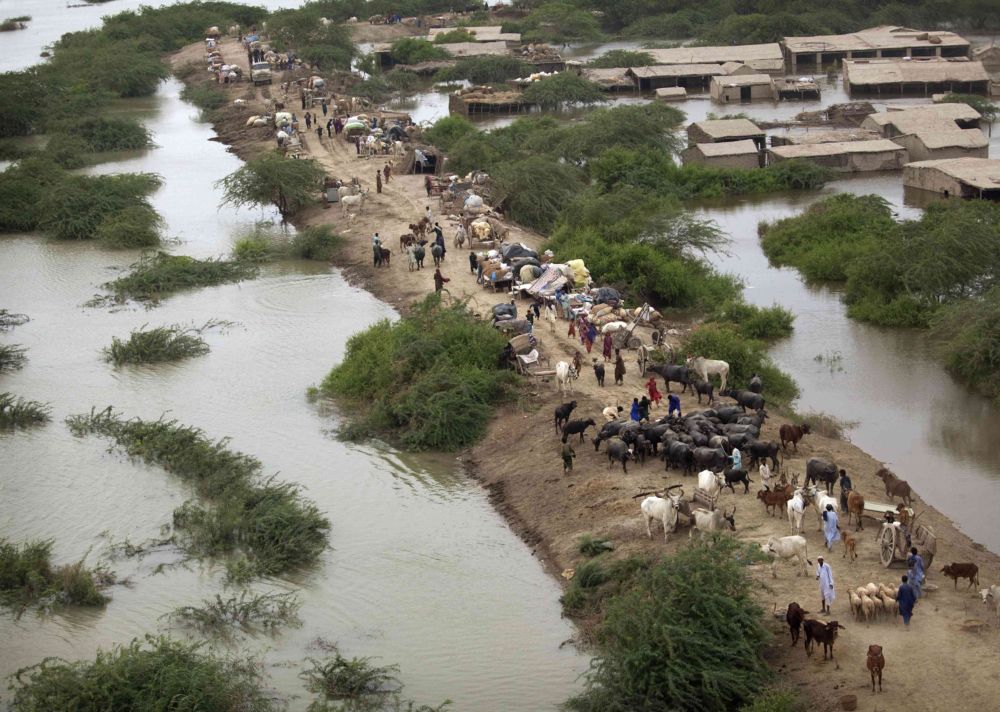
The most striking feature of the 2025 hydrological cycle was the substantial surplus in water availability during the Kharif (Autumn) season (April to September). As per Pakistan’s Indus River System Authority (IRSA) data, actual inflows reached approximately 122.36 MAF which was almost 18 percent higher than the anticipated inflows of nearly 104 million acre-feet (MAF) for Kharif 2025. Heavy rainfall across the basin further reduced irrigation demand and eased pressure on provincial allocations. Such conditions are fundamentally inconsistent with assertions of acute or engineered water shortages.