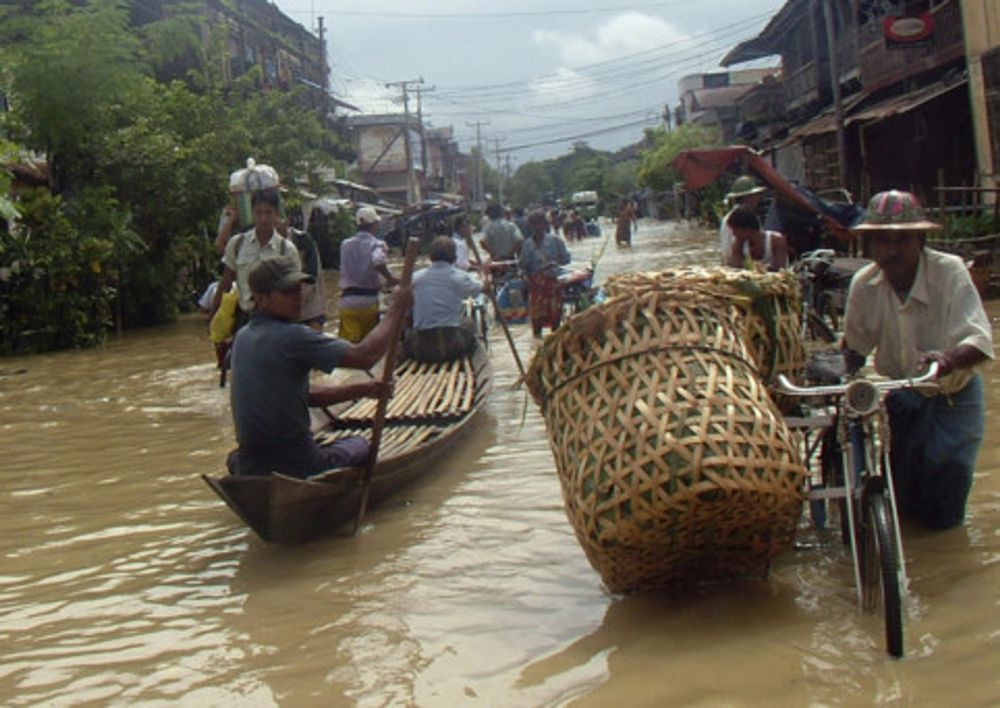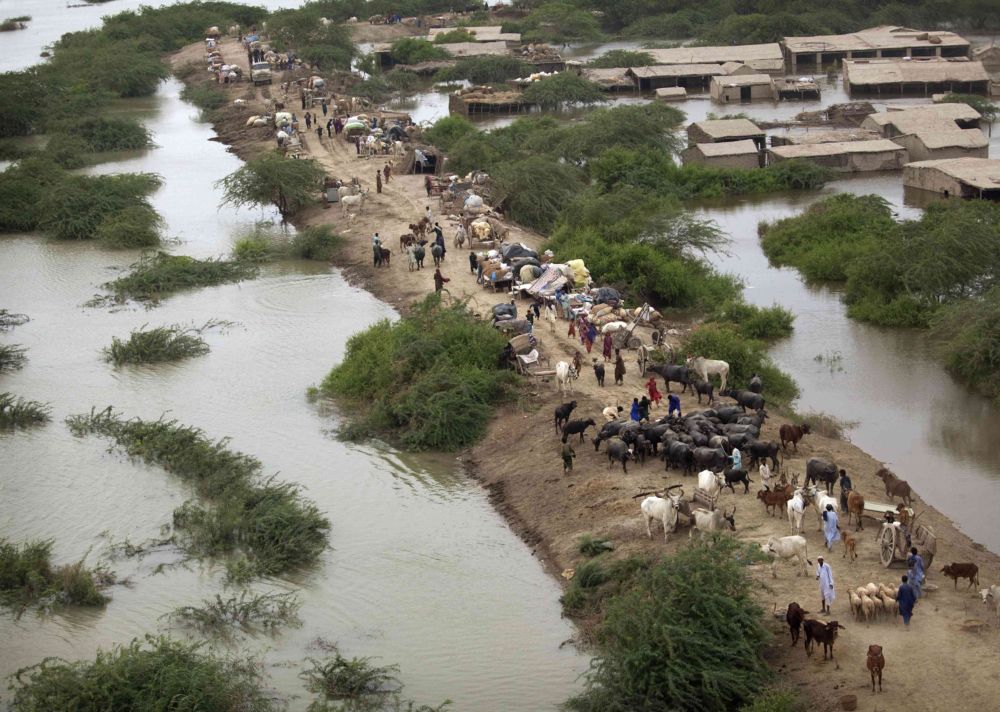
Pakistans displaced by flooding take shelter on the higher ground of an embankment near the flooded Indus River. The writer argues that Pakistan's accusations against India regarding water supply under the Indus Waters Treaty overlook the real issue: chronic mismanagement of resources within Pakistan itself.
For decades, Pakistan has accused India of choking its water supply under the Indus Waters Treaty. The rhetoric – often amplified by politicians, commentators, and media outlets – paints India as the upper riparian villain capable of “turning off the tap.”
Yet, a closer look at the facts reveals a different story: Pakistan’s water scarcity is less about India’s actions and more about its own chronic mismanagement of resources.
Signed in 1960, the Indus Waters Treaty (IWT) allocated the three eastern rivers – Ravi, Beas, and Sutlej – to India, while Pakistan was guaranteed unrestricted use of the western rivers – Indus, Jhelum, and Chenab – except for limited Indian usage.
India has largely adhered to its obligations. Research shows Pakistan receives around 140 million acre-feet (MAF) of water annually from the western rivers, slightly more than the 135 MAF estimated at the time of the treaty. Even flows in the eastern rivers, though reduced by about 15%, remain significant.