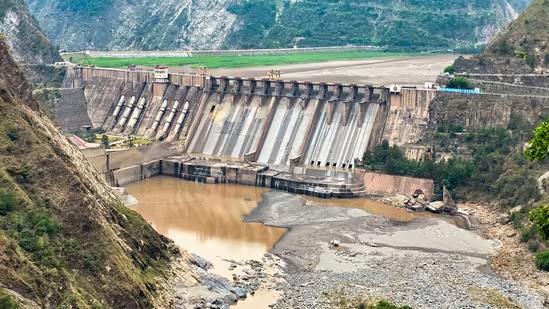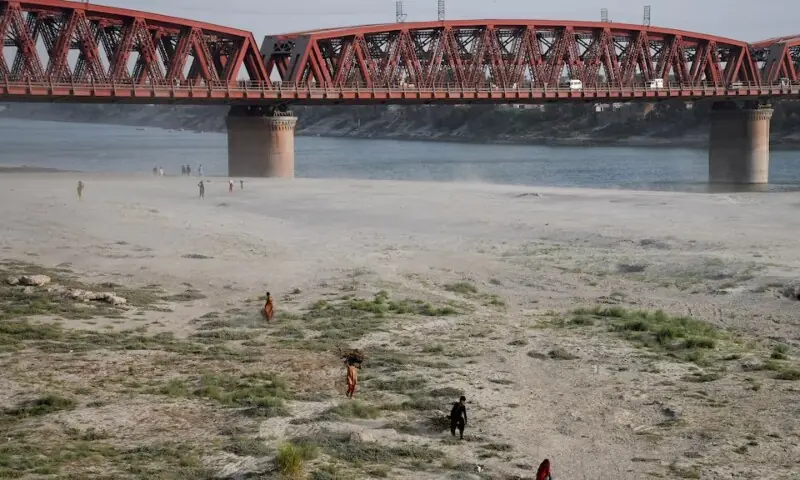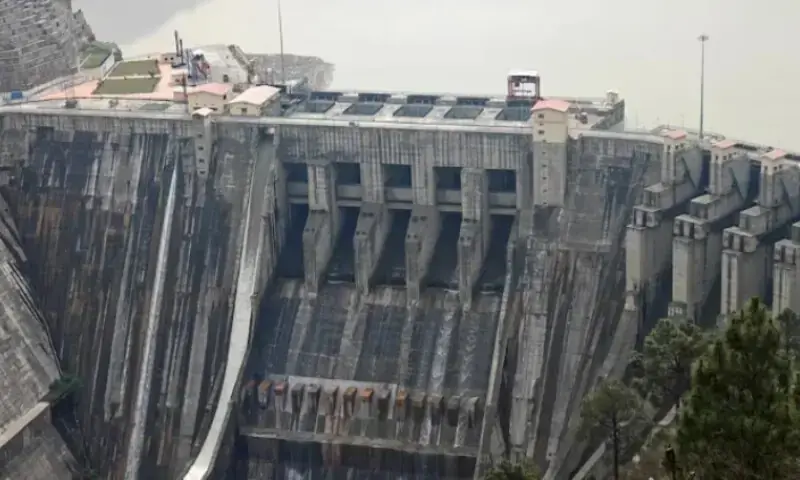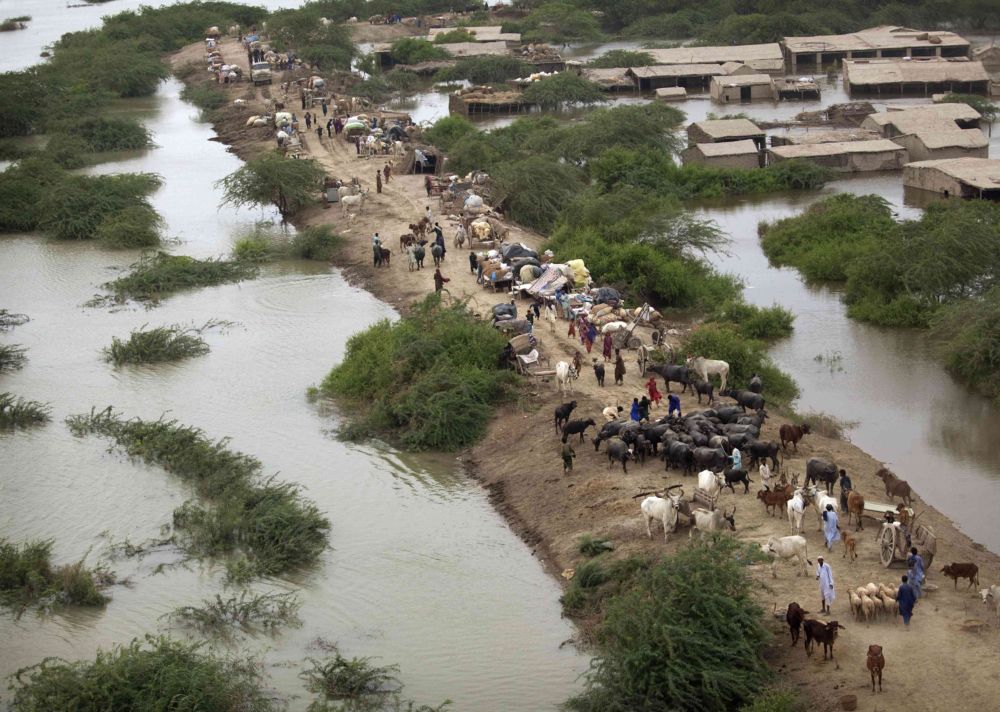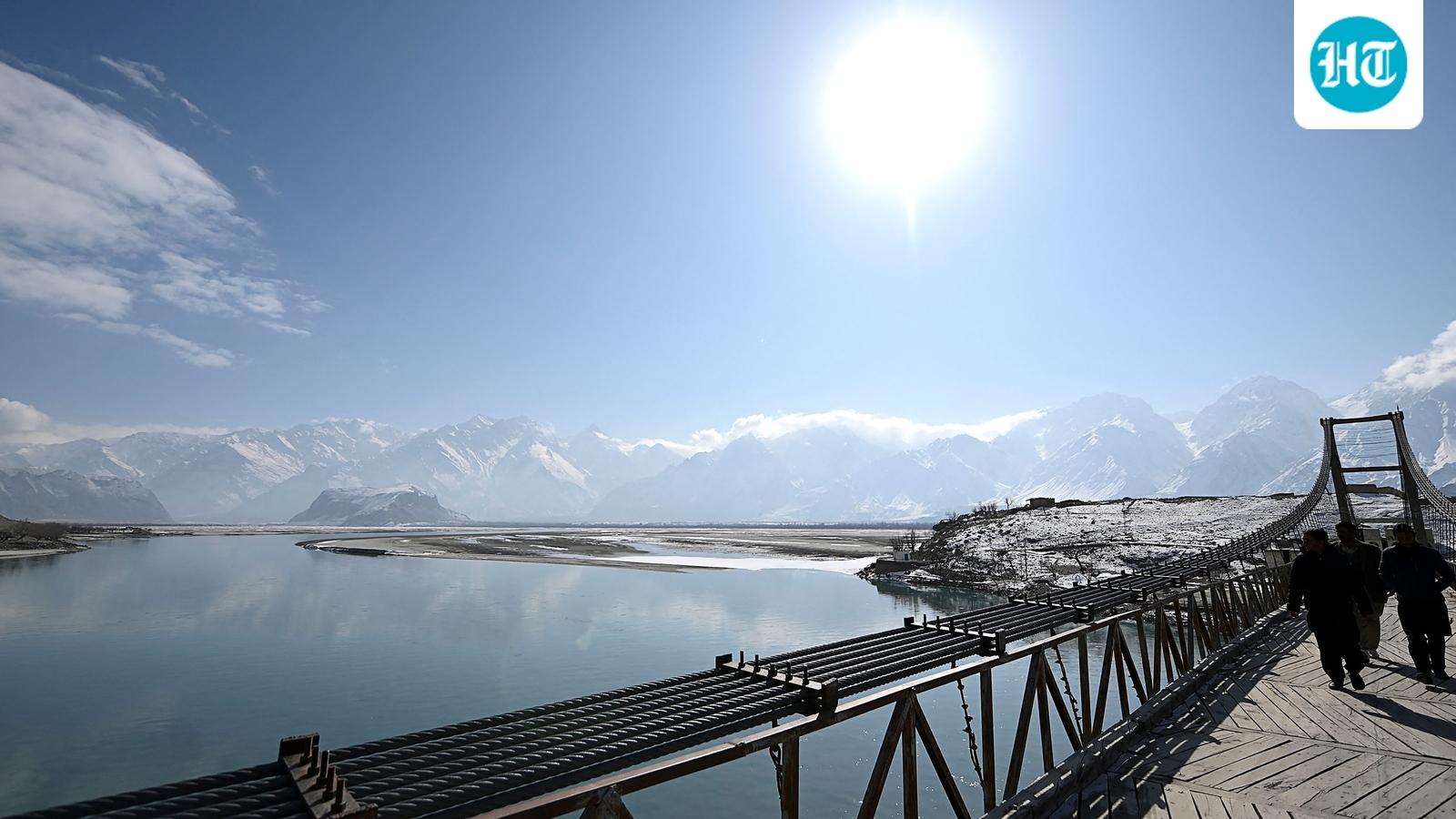
The Indus Waters Treaty (IWT) of 1960, which the World Bank brokered between India and Pakistan, was a notable achievement in South Asian diplomacy. The treaty divided the six rivers of the Indus basin between the two countries. The three western rivers, Indus, Jhelum, and Chenab, were allocated to Pakistan, while the three eastern rivers, Ravi, Beas, and Sutlej, went to India. India was also permitted limited non-consumptive use of the western rivers, primarily for hydropower, but the treaty explicitly prohibited any changes to water flows that could undermine Pakistan’s access to its share of water. For decades, this framework helped in managing a vital shared resource amid persistent rivalry between the two countries.
Last year, however, India decided to hold the treaty in abeyance following a terrorist attack on tourists in Pahalgam, Indian-administered Kashmir, that killed 26 people. New Delhi blamed Islamabad for the incident without presenting convincing evidence. Pakistan formally denied the allegations and has called for a neutral and independent investigation.
India has ramped up infrastructure development on the western rivers since May 2025. This includes fast-tracking bids for new projects, such as the Chenab-Beas Link Tunnel and the expansion of the Ranbir Canal. India has also stopped sharing hydrological data for the western rivers with Pakistan’s Commissioner for Indus Waters.