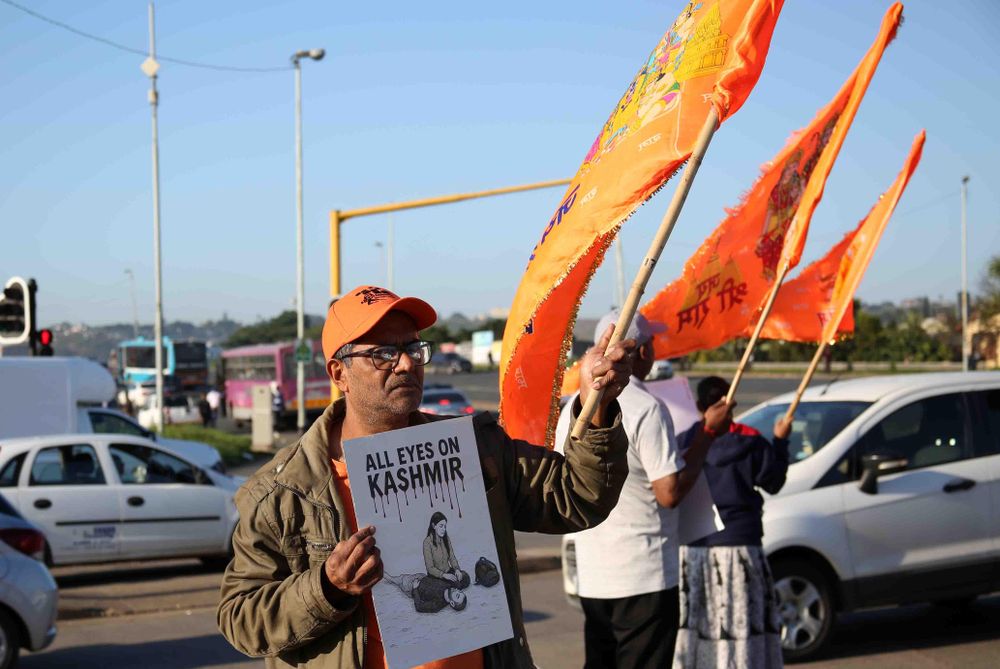
A group of residents in Durban, South Africa, gathering at a busy intersection to protest against the April 2025 Pahalgam massacre in India's Jammu and Kashmir. Pakistan's alleged use of terrorism as an instrument of foreign policy against India fundamentally made it difficult for India to continue complying with the Indus Waters Treaty.
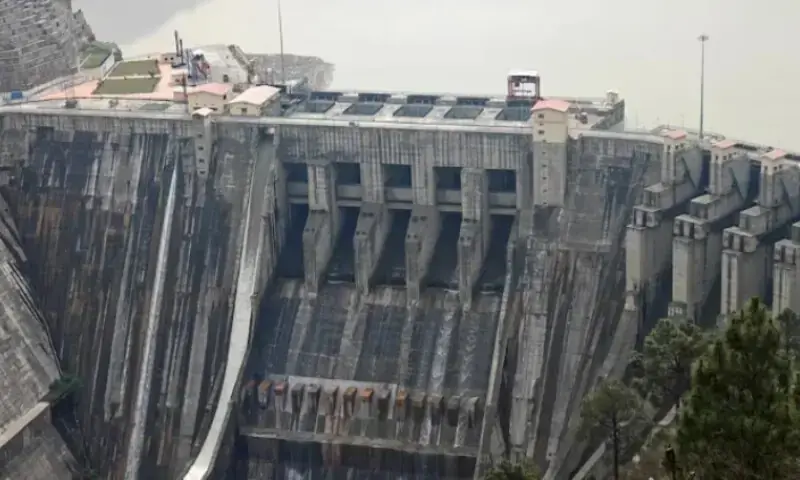
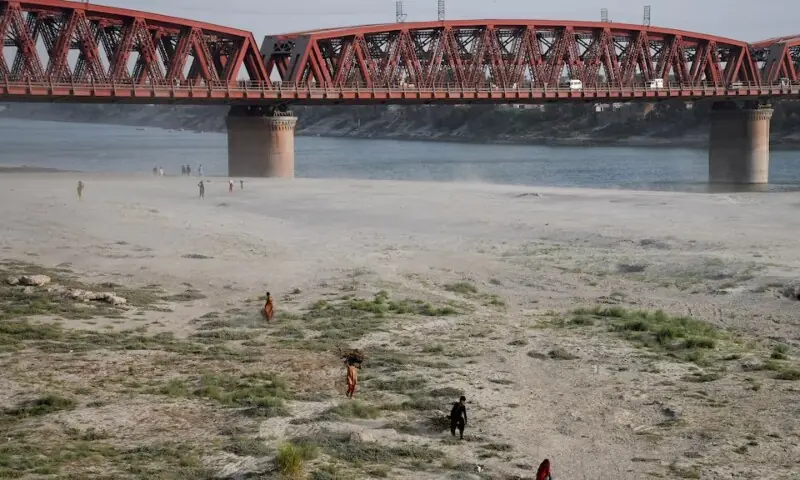
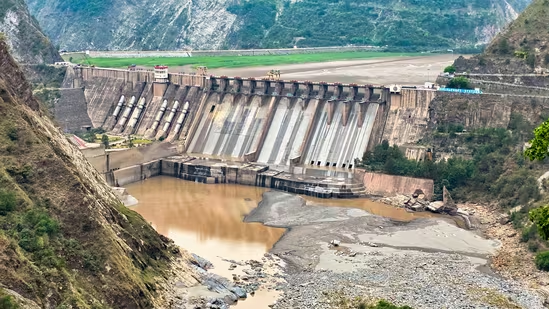
The Indus Waters Treaty of 1960, long hailed as one of the most resilient water-sharing agreements in the world, is once again under the spotlight as legal experts dissect its dispute settlement mechanism and question whether unilateral moves by either signatory could render the pact unworkable.
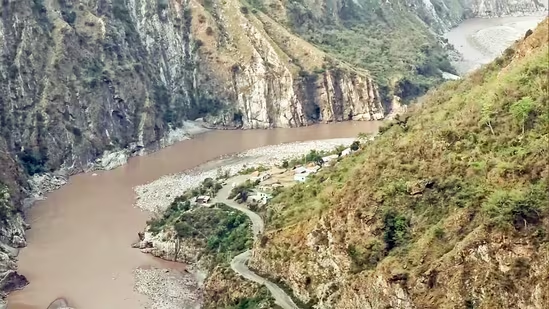
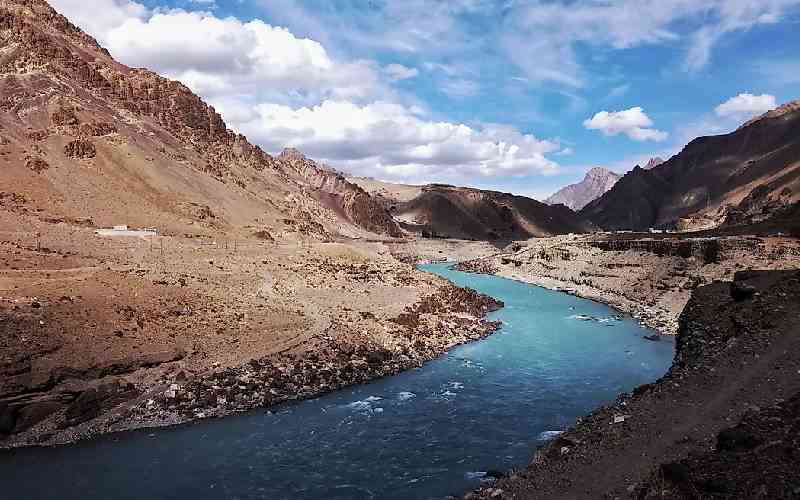
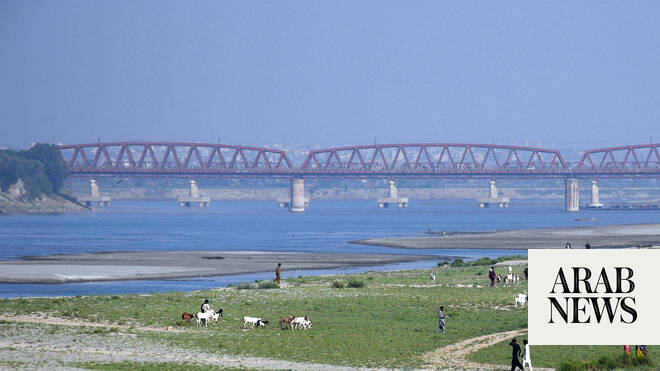
One of the world’s largest river systems, the Indus river system stretches nearly 1,800 miles, with western tributaries like the Kabul and Kurram running more than 700 miles, and eastern tributaries – the Jhelum, Chenab, Ravi, Beas and Sutlej – extending over 2,800 miles in aggregate. Draining 450,000 square miles, the basin is central to the history, culture and ecology of South Asia, with most of its catchment lying in India and Pakistan.
The roots of the dispute trace back to August 1947. Partition left the headworks of several canals in India while the irrigated lands fell largely in Pakistan, triggering an immediate water supply conflict. The first attempt at regulation came with the Inter-Dominion Agreement of 4 May 1948, known as the Delhi Agreement.